Cultivation of Cupriavidus necatorstrains on hydrolyzed lignocellulosic feedstocks widely available in Europe
Halima Aliyu Alhafiz, Karin Longus, Rob A.J. Verlinden, Vera Lambauer, Andreas Kruschitz, Regina Kratzer

TL;DR
This study explores using various European lignocellulosic feedstocks to grow Cupriavidus necator, a bacterium with potential in sustainable biorefineries.
Contribution
The study demonstrates that Cupriavidus necator can grow on multiple lignocellulosic hydrolysates without detoxification.
Findings
Cupriavidus necator strains grew on 16 lignocellulosic hydrolysates as the sole carbon source.
No prior detoxification was required for the bacteria to grow on the hydrolysates.
Steam explosion pretreatment was effective for various feedstocks like wheat straw and wood.
Abstract
•Wheat straw, beech, pine, spruce and Miscanthus were investigated as feedstocks.•Physico-chemical pretreatment, enzymatic hydrolysis and solid-liquid separation of biomasses were carried out.•Obtained fermentable sugars and inhibitory compounds were quantified.•Growth of Cupriavidus necator strains on different lignocellulosic hydrolysates was studied. Wheat straw, beech, pine, spruce and Miscanthus were investigated as feedstocks. Physico-chemical pretreatment, enzymatic hydrolysis and solid-liquid separation of biomasses were carried out. Obtained fermentable sugars and inhibitory compounds were quantified. Growth of Cupriavidus necator strains on different lignocellulosic hydrolysates was studied. Today, 85 % of the carbon in organic chemicals and their derivatives comes from fossil sources. Replacing fossil-based materials with sustainable sources requires large quantities of…
Genes, proteins, chemicals, diseases, species, mutations and cell lines named across the full text — each resolved to its canonical identifier and authoritative record.
Click any figure to enlarge with its caption.
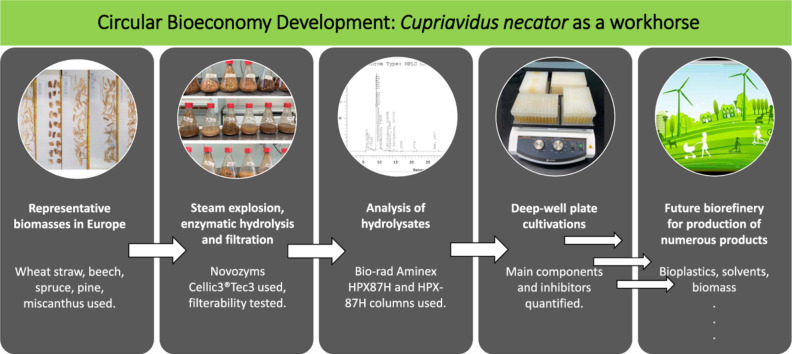 Figure 1
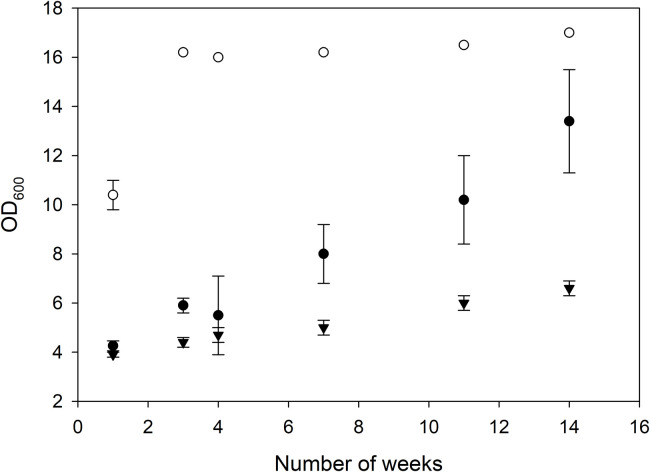 Figure 2
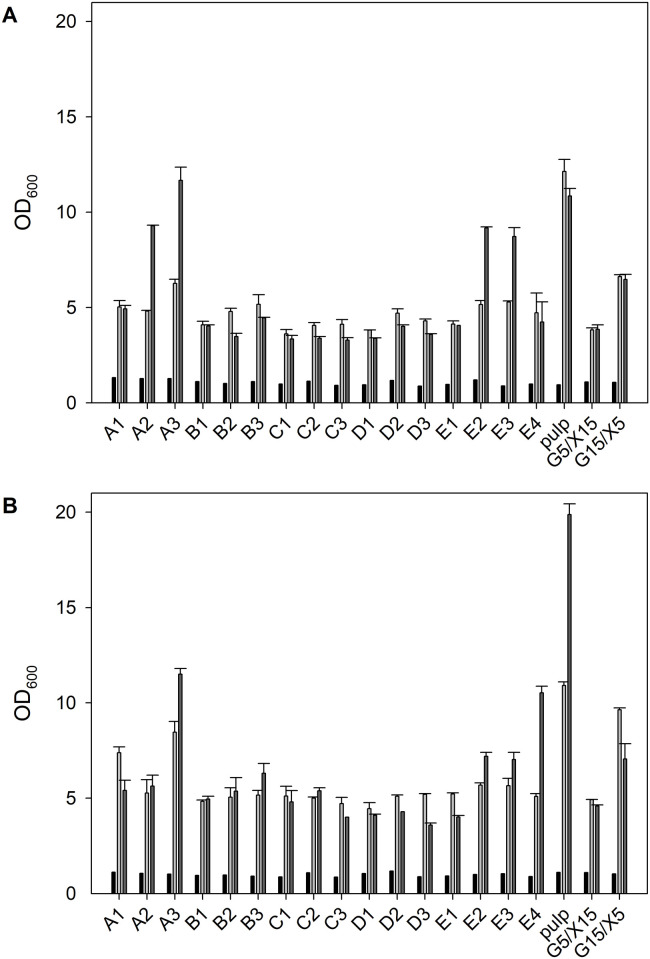 Figure 3
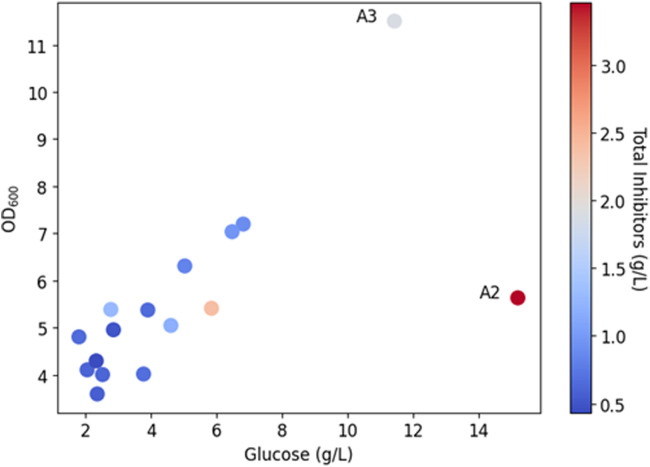 Figure 4
Peer Reviews
No public reviews on file for this paper yet. If you reviewed it on a platform where reviews are public (OpenReview, ICLR, NeurIPS, ICML), you can paste yours below so the community can read it here.
Videos
No videos yet. Explain this paper in a talk, walkthrough, or lecture? Add one.
Taxonomy
TopicsBiofuel production and bioconversion · Enzyme Production and Characterization · Microbial Metabolic Engineering and Bioproduction