Global bibliometric analysis of Tourette syndrome research (1960–2024): trends, collaborations and emerging themes
Zhu Siying, Tian Dong, Tai Xiantao, Xiong Guangyi

TL;DR
This paper analyzes global Tourette Syndrome research trends from 1960 to 2024, highlighting growth, collaboration patterns, and emerging research themes.
Contribution
The study provides the first comprehensive bibliometric analysis of Tourette Syndrome research, revealing evolving trends and collaboration dynamics.
Findings
TS research has grown in phases, with psychiatry, psychology, and neurology as dominant domains.
The U.S. is the top contributor, while European countries show stronger international collaboration.
Research themes have shifted from genetics to patient quality of life and precision interventions.
Abstract
Tourette Syndrome (TS), a complex neurodevelopmental disorder, has seen a substantial increase in research activity, yet a systematic bibliometric analysis elucidating the global research landscape remains lacking. This study therefore employs bibliometric methods to comprehensively examine the evolution of TS research trends, international collaboration patterns, core contributors, and research hotspots, thereby providing a scientific foundation for future research directions and policy development. Based on the Web of Science Core Collection, a topic-based search strategy yielded 4,011 records (1960–2024). Bibliometric analyses were performed using R software and VOSviewer, incorporating annual publication trends, geographical distribution, journal impact metrics (impact factor and H-index), core author collaboration networks, and keyword co-occurrence mapping to assess the structure…
Genes, proteins, chemicals, diseases, species, mutations and cell lines named across the full text — each resolved to its canonical identifier and authoritative record.
Click any figure to enlarge with its caption.
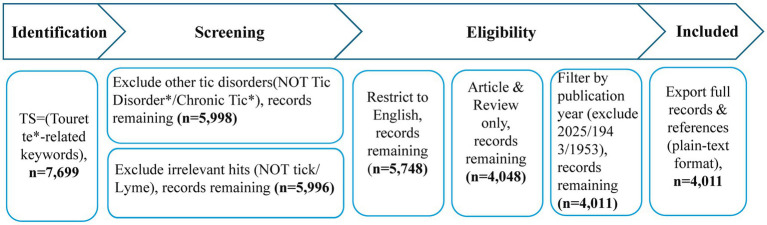 Figure 1
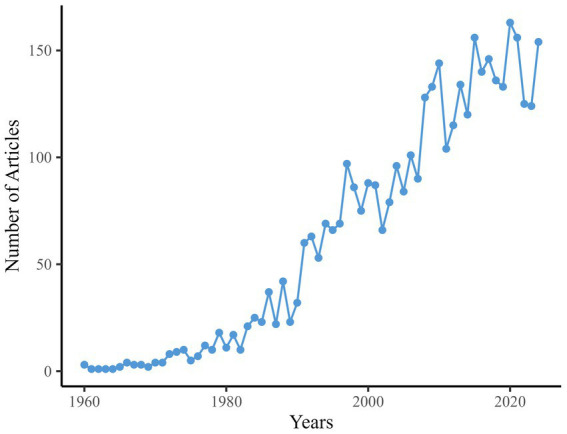 Figure 2
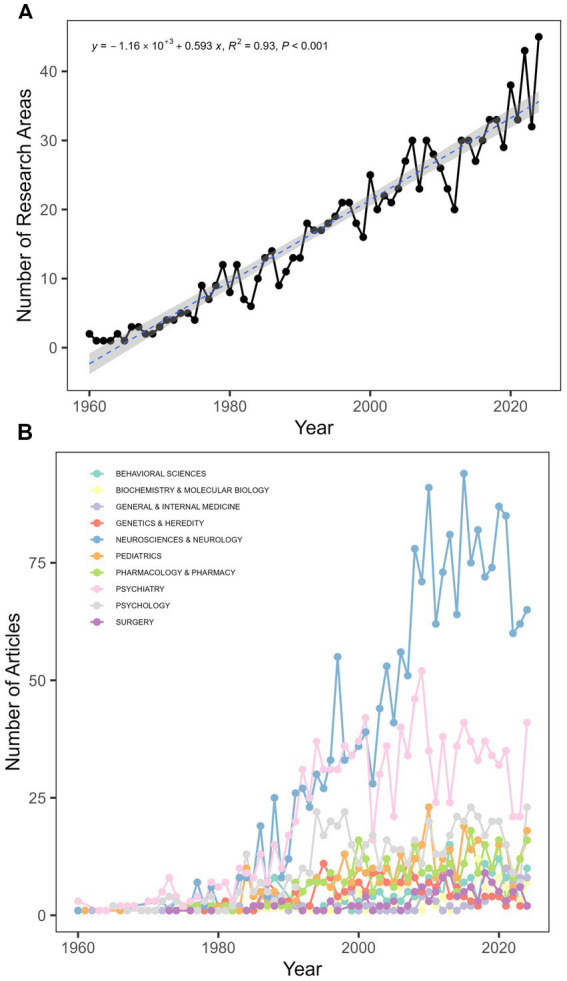 Figure 3
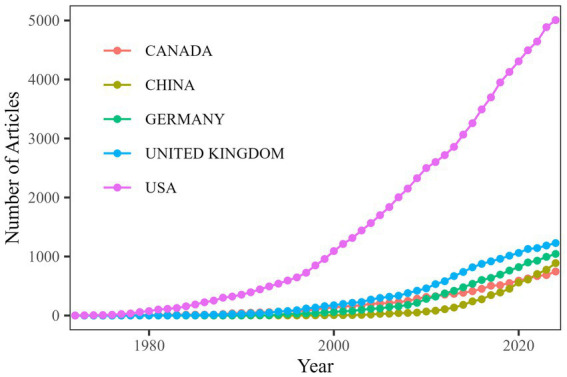 Figure 4
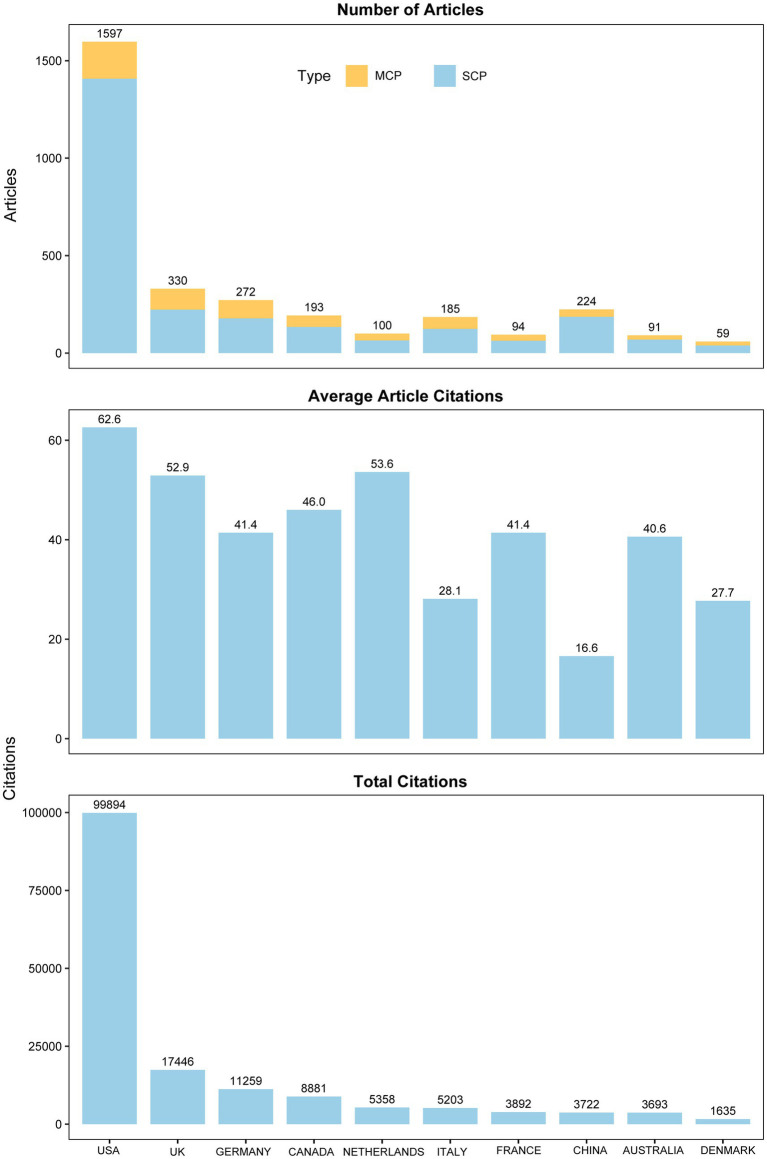 Figure 5
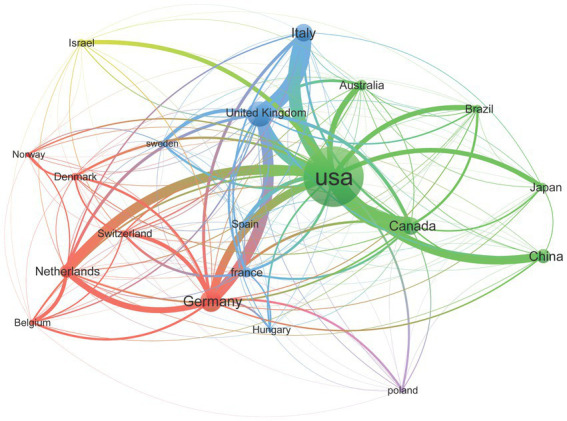 Figure 6
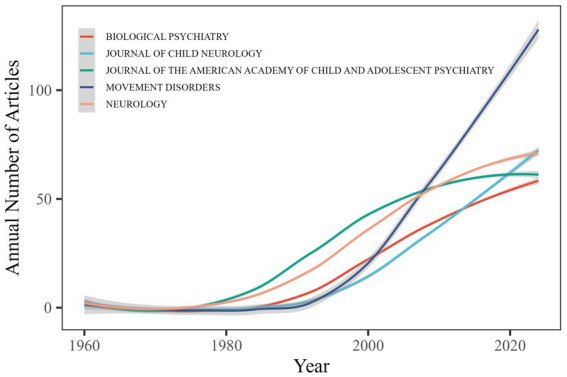 Figure 7
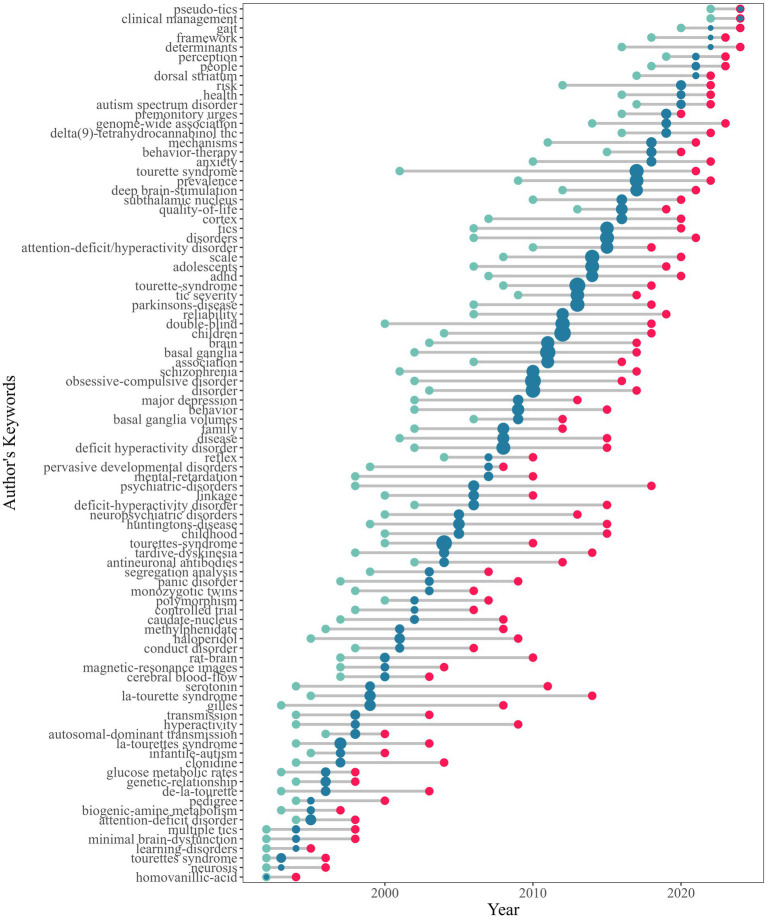 Figure 8
Peer Reviews
No public reviews on file for this paper yet. If you reviewed it on a platform where reviews are public (OpenReview, ICLR, NeurIPS, ICML), you can paste yours below so the community can read it here.
Videos
No videos yet. Explain this paper in a talk, walkthrough, or lecture? Add one.
Taxonomy
TopicsObsessive-Compulsive Spectrum Disorders