A Survey-Based Study Examining Exercise in Postural Orthostatic Tachycardia Syndrome (POTS) Patients
Mackaleigh Levine, Devora Shapiro, Anna Hayburn, Christopher Cantrell, Robert Wilson

TL;DR
This study explores why some POTS patients exercise regularly and the barriers others face, revealing that many struggle with negative self-image and exercise-related symptoms.
Contribution
The study provides insights into exercise behaviors and barriers specific to POTS patients through a survey-based approach.
Findings
Most POTS patients include exercise in their treatment plan but face barriers like negative self-identity and physical symptoms.
Over half of patients reported that exercise makes them feel worse or causes dizziness and nausea.
Many patients experience shame and dissatisfaction with their bodies, impacting their exercise motivation.
Abstract
Objective: To better understand why some postural orthostatic tachycardia syndrome (POTS) patients incorporate exercise regularly into their treatment and what barriers challenge others. Background: POTS is a chronic autonomic condition in which patients experience orthostatic intolerance and abnormal tachycardia. Exercise is often recommended as a self-care modification, but many POTS patients face barriers to optimizing exercise. Design/methods: We sent an institutional review board-approved survey via the patient e-messenger (MyChart, Epic Systems, Verona, WI) to 421 patients who participated in a shared medical appointment (SMA) by Zoom (Zoom Video Communications, San Jose, CA) within our tertiary care center between March 2022 and October 2022. The survey gathered data for the following variables: demographics, gender, body identity, symptoms that interfere with exercise,…
Genes, proteins, chemicals, diseases, species, mutations and cell lines named across the full text — each resolved to its canonical identifier and authoritative record.
Click any figure to enlarge with its caption.
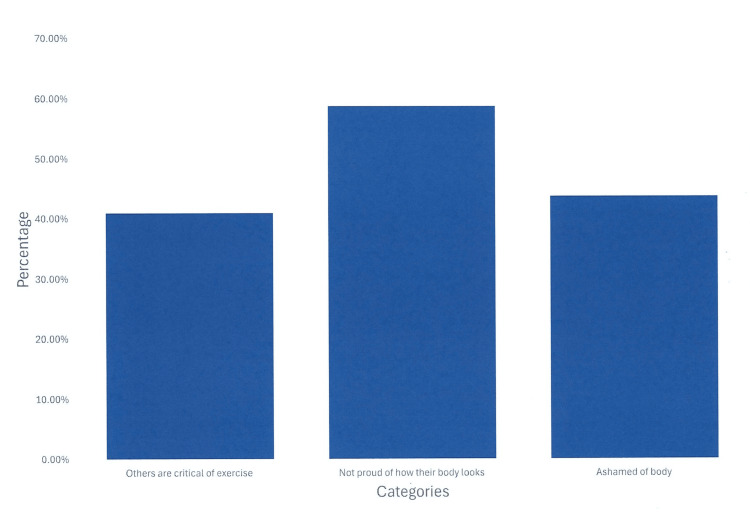 Figure 1
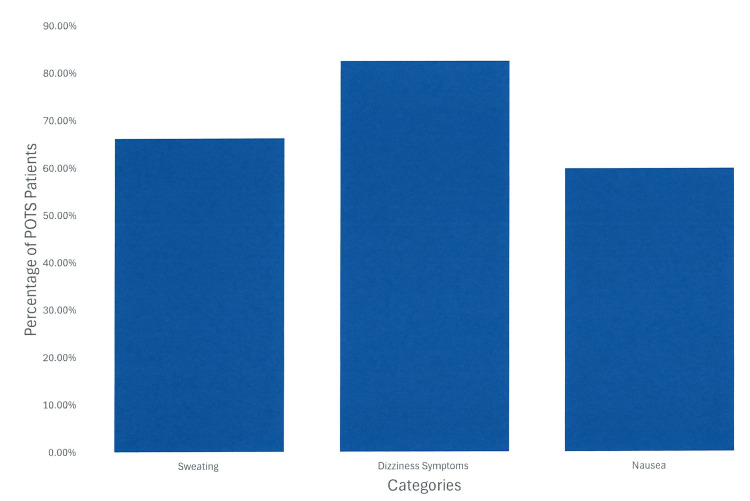 Figure 2
 Figure 3
 Figure 4
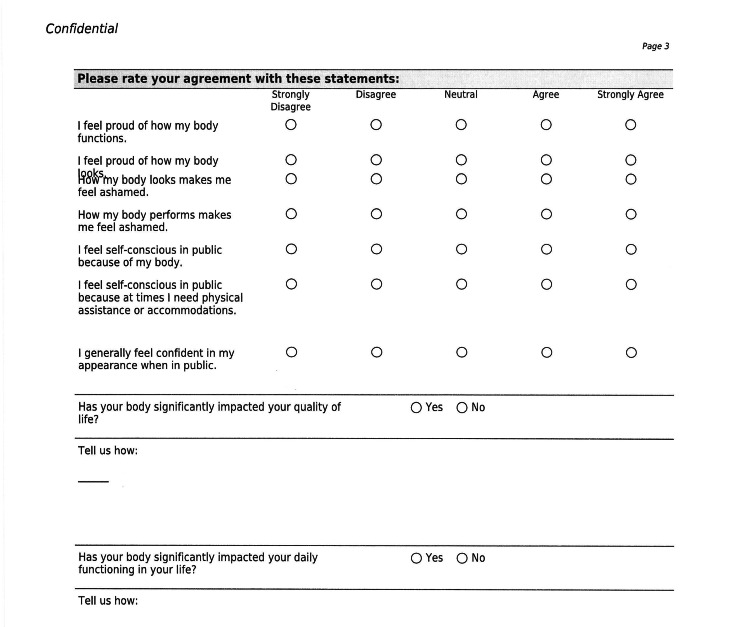 Figure 5
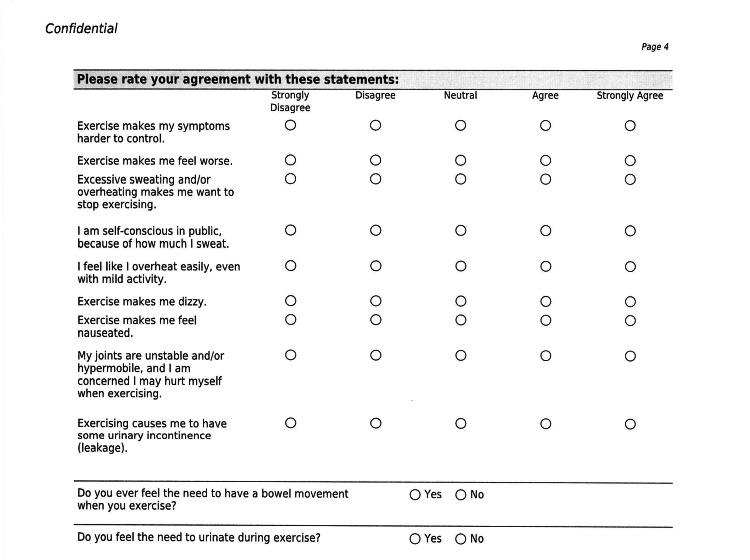 Figure 6
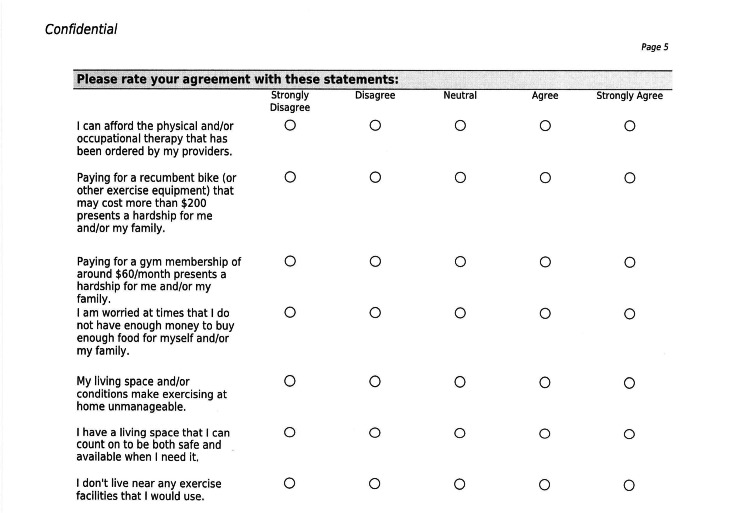 Figure 7
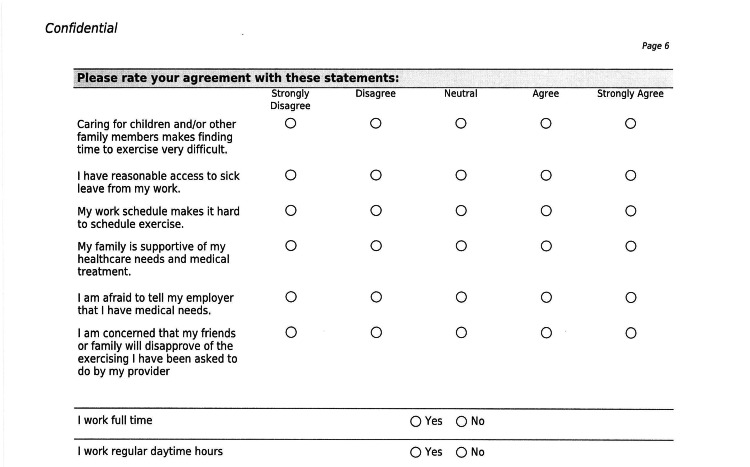 Figure 8
Peer Reviews
No public reviews on file for this paper yet. If you reviewed it on a platform where reviews are public (OpenReview, ICLR, NeurIPS, ICML), you can paste yours below so the community can read it here.
Videos
No videos yet. Explain this paper in a talk, walkthrough, or lecture? Add one.
Taxonomy
TopicsCardiovascular Syncope and Autonomic Disorders · Heart Rate Variability and Autonomic Control · Ophthalmology and Eye Disorders