A Rare Presentation of Priapism From Pegylated Filgrastim During Treatment of Urothelial Cancer in an African-American Patient With Sickle Cell Trait
Nikhita Kathuria-Prakash, Leland Damron, Sandy C Hernandez, Steven D Hart, Alexandra Drakaki

TL;DR
A rare case of priapism caused by pegylated filgrastim is reported in an African-American patient with sickle cell trait undergoing cancer treatment.
Contribution
This is the first reported case of stuttering priapism triggered by pegylated filgrastim in a patient with sickle cell trait.
Findings
Priapism occurred in a patient with urothelial cancer and sickle cell trait during pegylated filgrastim treatment.
This case highlights a potentially serious complication in a vulnerable population.
The report raises awareness about the risk of pegylated filgrastim in patients with sickle cell trait.
Abstract
Priapism is a complication of sickle cell disease resulting in organ-threatening vaso-occlusive crisis and has been reported rarely in patients with sickle cell trait. We report a case of a patient with urothelial carcinoma undergoing chemotherapy and growth factor support with pegylated filgrastim with stuttering priapism triggered by pegylated filgrastim. This is the first case reported, to our knowledge, of stuttering priapism triggered by pegylated filgrastim, and we hope to raise awareness of this potentially organ-threatening complication in this vulnerable population.
Genes, proteins, chemicals, diseases, species, mutations and cell lines named across the full text — each resolved to its canonical identifier and authoritative record.
Click any figure to enlarge with its caption.
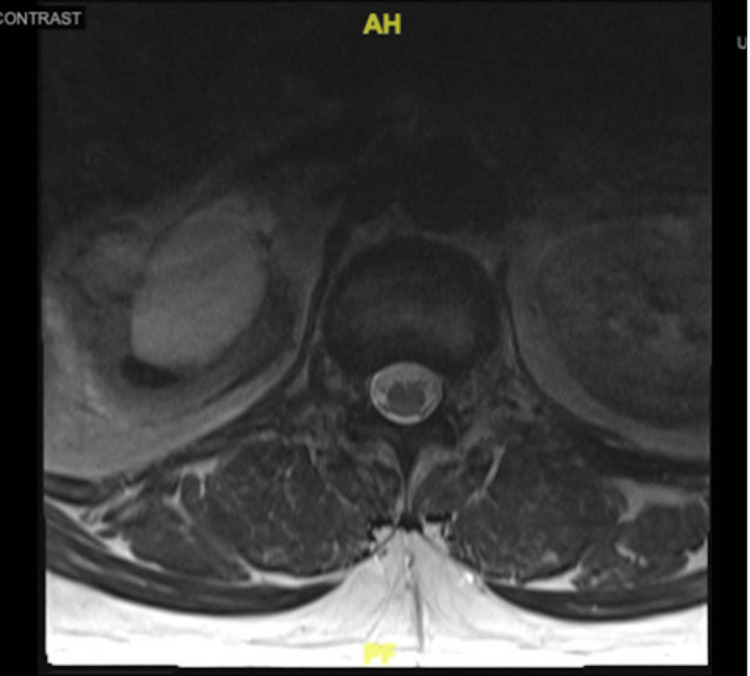 Figure 1
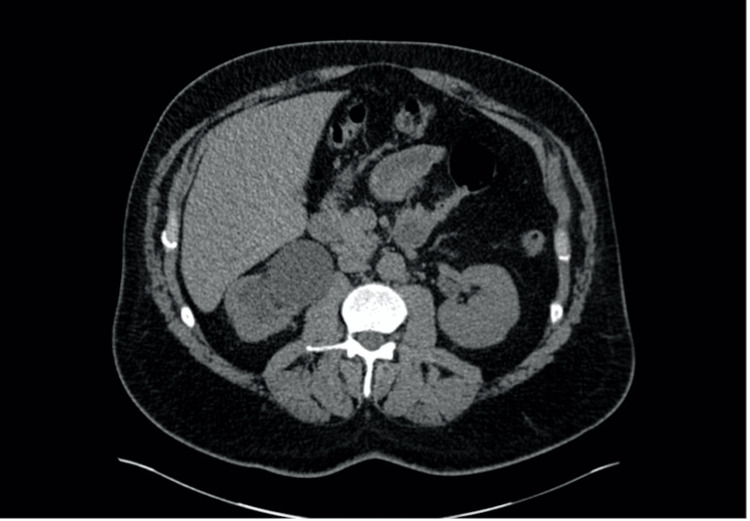 Figure 2
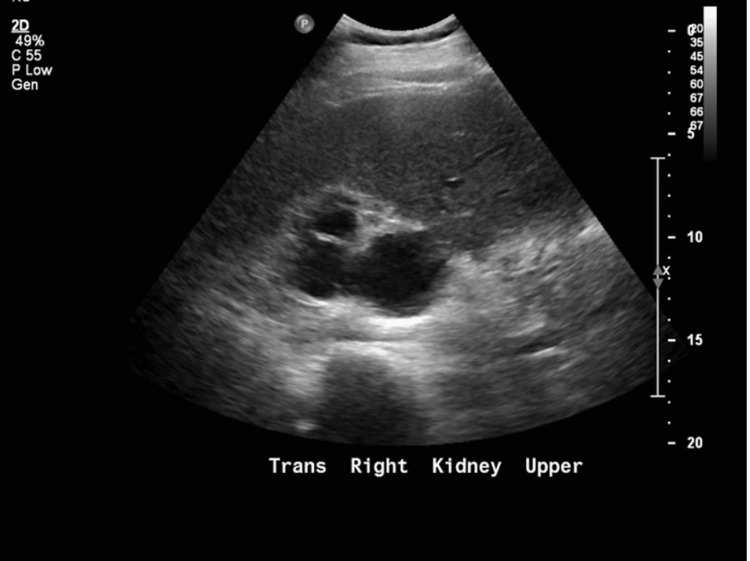 Figure 3
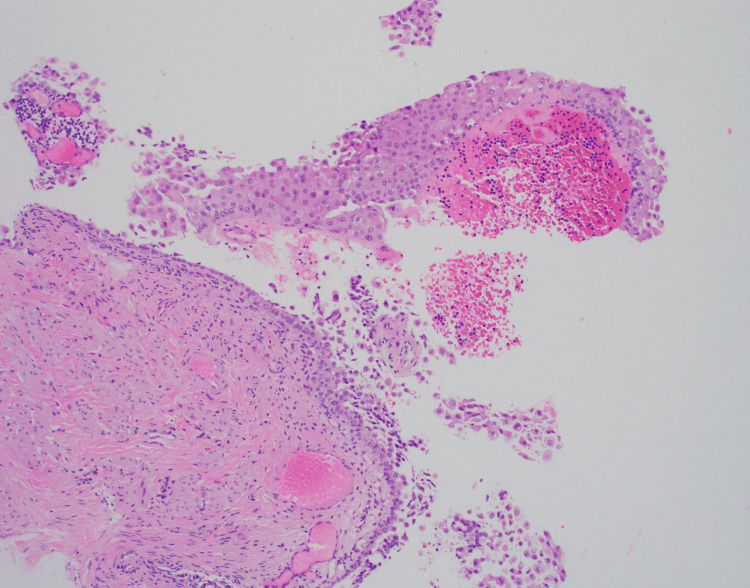 Figure 4
Peer Reviews
No public reviews on file for this paper yet. If you reviewed it on a platform where reviews are public (OpenReview, ICLR, NeurIPS, ICML), you can paste yours below so the community can read it here.
Videos
No videos yet. Explain this paper in a talk, walkthrough, or lecture? Add one.
Taxonomy
TopicsHemoglobinopathies and Related Disorders · Pharmacological Effects and Toxicity Studies · Reproductive tract infections research