Levofloxacin-Induced Generalized Fixed Drug Eruption
Hiebda Sofía Martínez Jiménez

TL;DR
A 72-year-old woman developed a rare skin reaction called generalized fixed drug eruption after taking levofloxacin, an antibiotic.
Contribution
This case report adds to the understanding of levofloxacin's potential to cause generalized fixed drug eruptions.
Findings
The patient developed generalized fixed drug eruption after taking levofloxacin.
The condition resolved after discontinuing the drug.
The case was diagnosed using clinical evaluation and the Naranjo algorithm.
Abstract
Fixed drug eruption (FDE) is a type of toxicodermatitis induced by a delayed hypersensitivity reaction (type IV) characterized by the reappearance of erythematous-violaceous plaques at the same site upon reexposure to the triggering agent. We present the case of a 72-year-old female who developed a generalized FDE following the administration of levofloxacin. Diagnosis was established clinically and supported by the Naranjo algorithm. The condition improved upon drug discontinuation. This case highlights the importance of recognizing less common presentations, such as generalized FDE, and the need for continued awareness among healthcare providers, especially given the frequent use of antibiotics like levofloxacin.
Genes, proteins, chemicals, diseases, species, mutations and cell lines named across the full text — each resolved to its canonical identifier and authoritative record.
Click any figure to enlarge with its caption.
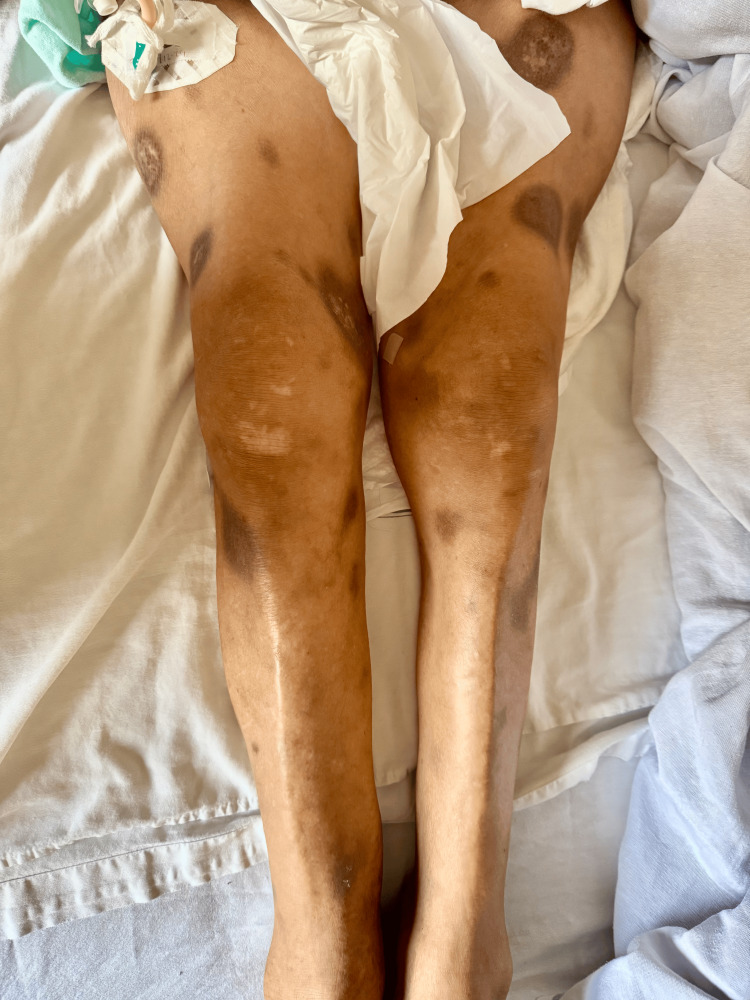 Figure 1
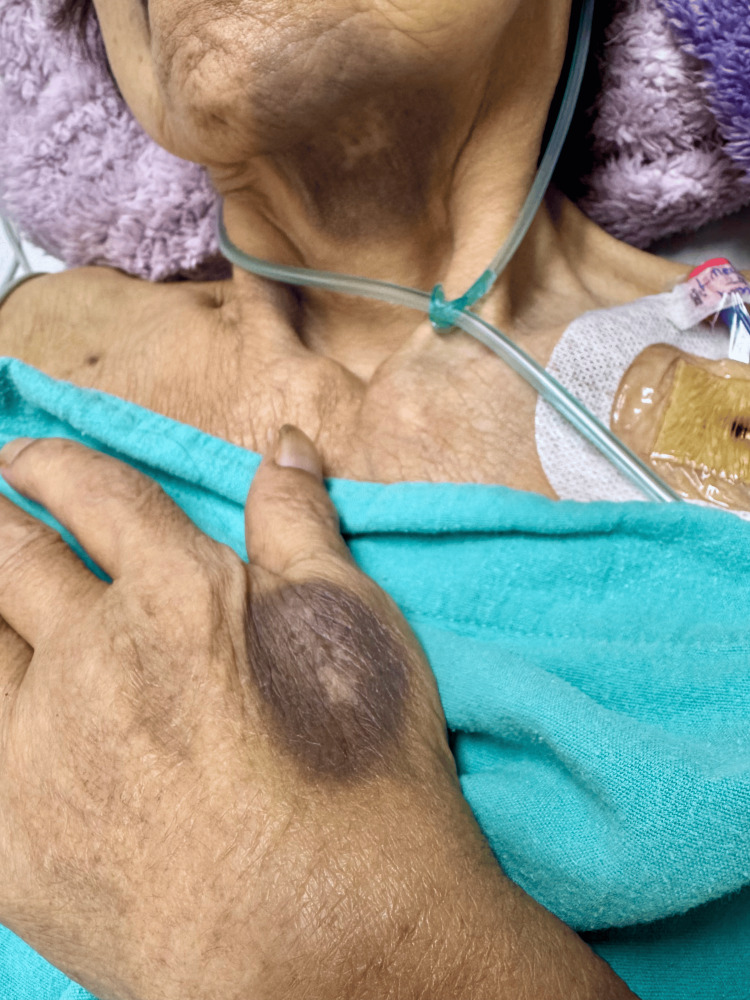 Figure 2
Peer Reviews
No public reviews on file for this paper yet. If you reviewed it on a platform where reviews are public (OpenReview, ICLR, NeurIPS, ICML), you can paste yours below so the community can read it here.
Videos
No videos yet. Explain this paper in a talk, walkthrough, or lecture? Add one.
Taxonomy
TopicsDrug-Induced Adverse Reactions · Pharmacovigilance and Adverse Drug Reactions · Pharmaceutical studies and practices