Long-Term Survival in Brown-Vialetto-Van Laere Syndrome: A Case Report Highlighting Respiratory Care
Joana Lourenço, Sandra Moreira, Miguel Leão, Paula Simão, Luisa Ramos

TL;DR
A rare genetic disorder called Brown-Vialetto-Van Laere syndrome is reported in a 68-year-old woman with long-term survival, emphasizing the importance of respiratory care.
Contribution
This case report presents a rare long-term survival in BVVLS with a unique heterozygous SLC52A3 mutation and highlights respiratory care strategies.
Findings
A 68-year-old woman with BVVLS survived with slowly progressive symptoms and a single SLC52A3 mutation.
Respiratory care, including non-invasive ventilation and airway clearance techniques, was critical for managing her condition.
BVVLS respiratory management is adapted from other neuromuscular disorders, emphasizing pulmonology's role.
Abstract
Brown-Vialetto-Van Laere syndrome (BVVLS) is an extremely rare genetic neurological disorder caused by riboflavin transport deficiency, an autosomal recessive condition mostly associated with mutations in the SLC52A2 and SLC52A3 genes. It follows a progressive course, typically characterized by sensorineural deafness, facial weakness, ponto-bulbar palsy, ataxia, and peripheral sensory-motor neuropathy. This disease is often associated with childhood mortality if left untreated. We report the case of a 68-year-old woman who first noticed a mild hearing loss at the age of 12. This was followed by a slowly progressive onset of bilateral facial paresis, dysarthro-dysphonia, stridor, and tongue atrophy with fasciculations. At 63 years of age, genetic testing revealed a single heterozygous variant in the SLC52A3 gene. Although typically autosomal recessive, some individuals with classic…
Genes, proteins, chemicals, diseases, species, mutations and cell lines named across the full text — each resolved to its canonical identifier and authoritative record.
Click any figure to enlarge with its caption.
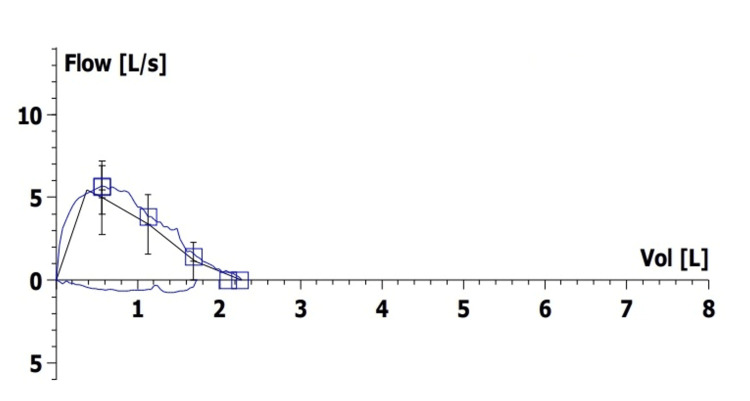 Figure 1
Peer Reviews
No public reviews on file for this paper yet. If you reviewed it on a platform where reviews are public (OpenReview, ICLR, NeurIPS, ICML), you can paste yours below so the community can read it here.
Videos
No videos yet. Explain this paper in a talk, walkthrough, or lecture? Add one.
Taxonomy
TopicsMetabolism and Genetic Disorders · Peroxisome Proliferator-Activated Receptors · Neurogenetic and Muscular Disorders Research