Acquired CRISPR spacers and rhamnose-glucose polysaccharide defects confer resistance to Streptococcus mutans phage ɸAPCM01
Lucas A. Wall, Daniel Wall

TL;DR
This study explores how Streptococcus mutans develops resistance to a specific phage, finding that CRISPR spacers and mutations in polysaccharide genes play key roles.
Contribution
The study identifies new CRISPR spacers and rhamnose-glucose polysaccharide gene mutations that confer phage resistance in S. mutans.
Findings
Ten resistant mutants acquired CRISPR spacers targeting the phage, with 18 new spacers identified.
Mutations in rhamnose-glucose polysaccharide biosynthetic genes caused phage adsorption defects.
Rgp mutations led to severe cell division and biofilm formation issues, reducing pathogenic potential.
Abstract
Streptococcus mutans is commonly associated with the development of dental caries worldwide. Due to their specificity for S. mutans, phage represents a promising avenue for future targeted therapeutic strategies. In this study, we investigated how phage resistance develops in S. mutans. As a model phage, we used ɸAPCM01, which is known to infect a serotype e strain. We isolated and sequenced the genomes of 15 spontaneous resistant mutants and found that 10 had acquired novel clustered regularly interspaced short palindromic repeats (CRIPSR) spacers targeting the phage, with a total of 18 new spacers identified. Additionally, eight strains contained mutations in rhamnose-glucose polysaccharide biosynthetic genes, three of which also acquired spacers. Only the rgp mutants exhibited defects in phage adsorption, supporting the role of these cell surface glycans as the phage receptor.…
Genes, proteins, chemicals, diseases, species, mutations and cell lines named across the full text — each resolved to its canonical identifier and authoritative record.
Click any figure to enlarge with its caption.
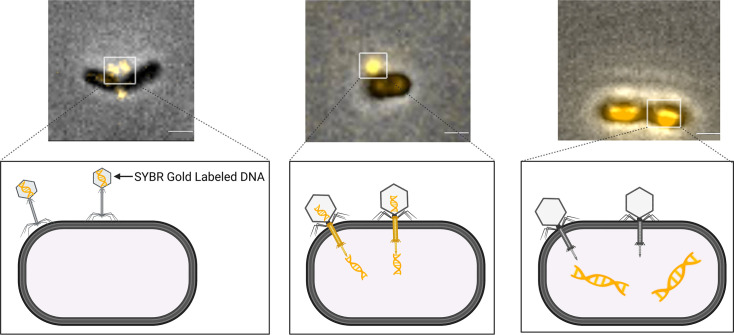 Figure 1
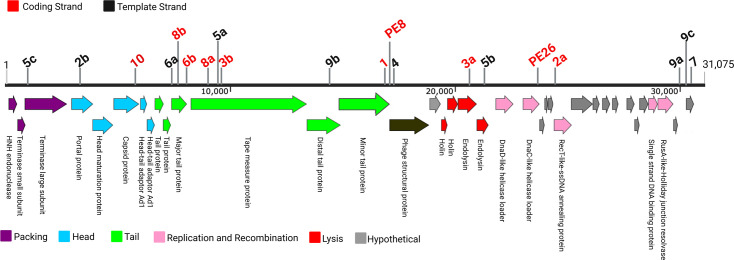 Figure 2
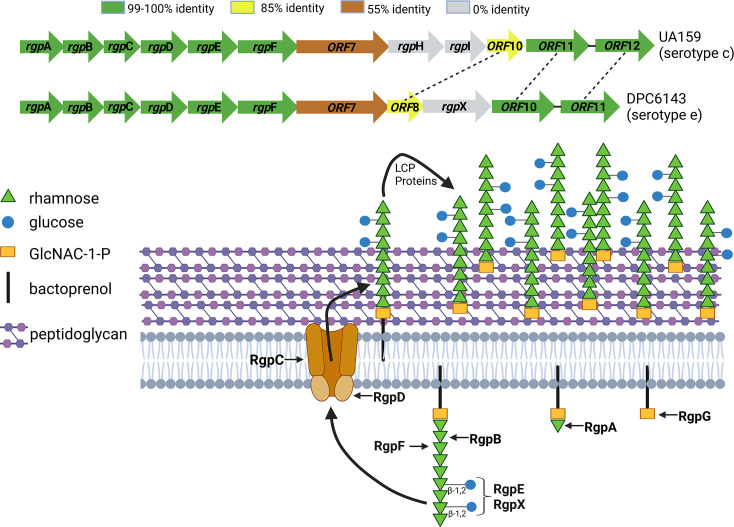 Figure 3
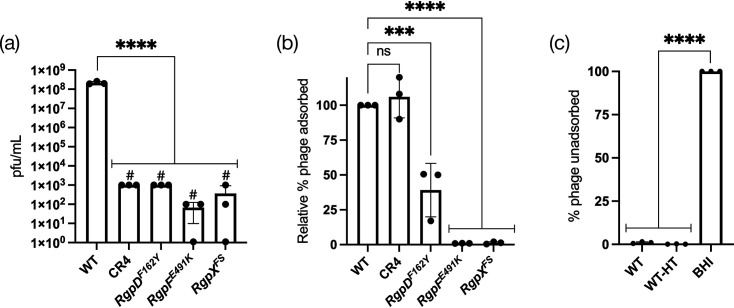 Figure 4
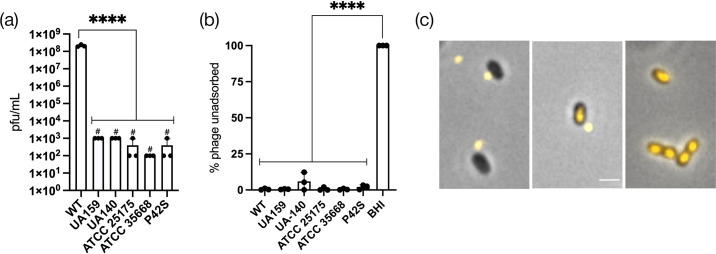 Figure 5
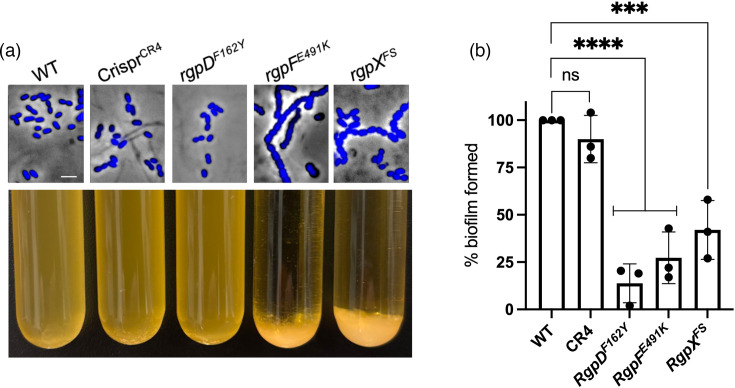 Figure 6
Peer Reviews
No public reviews on file for this paper yet. If you reviewed it on a platform where reviews are public (OpenReview, ICLR, NeurIPS, ICML), you can paste yours below so the community can read it here.
Videos
No videos yet. Explain this paper in a talk, walkthrough, or lecture? Add one.
Taxonomy
TopicsBacteriophages and microbial interactions · Genomics and Phylogenetic Studies · RNA and protein synthesis mechanisms