A heterodimer of hemoglobin identifies theranostic targets on brain‐metastasizing melanoma cells
Maharrish Chelladurai, Orit Sagi‐Assif, Shlomit Ben‐Menachem, Tsipi Meshel, Metsada Pasmanik‐Chor, Sivan Izraely, Dave S. B. Hoon, Isaac P. Witz

TL;DR
A hemoglobin heterodimer in the brain microenvironment kills melanoma cells by targeting BRD4 and IRS2 proteins, and combining inhibitors of these proteins shows promise in treating brain metastases.
Contribution
Combining BRD4 and IRS2 inhibitors mimics the anticancer effects of a hemoglobin heterodimer in brain-metastasizing melanoma cells.
Findings
A combination of BRD4 and IRS2 inhibitors synergistically kills brain-metastasizing melanoma cells.
The BRD4/IRS2 inhibitor cocktail reduces malignancy in multiple melanoma cell lines.
RNAseq analysis shows TNF and apoptotic signaling pathways are enriched after treatment.
Abstract
Cancer microenvironments encompass both cancer‐promoting and cancer‐restraining factors. If these factors cancel each other, cancer dormancy may ensue. In search of microenvironmental factors that keep dormant lung‐metastasizing neuroblastoma cells and brain‐metastasizing melanoma cells (BMMC) in check, we identified the beta subunit of hemoglobin and a heterodimer of alpha and beta chains of hemoglobin (α/β dimer) in the lung and brain microenvironments, respectively, as anti‐metastatic factors. A previous study demonstrated that the α/β dimer triggers programmed cell death of BMMC and downregulates the expression of BRD4, GAB2, and IRS2 proteins, which perform essential functions in tumorigenesis and progression. The working hypothesis of the present study is that in addition to its tumoricidal function, the α/β dimer serves as a pathfinder for the identification of therapy targets…
Genes, proteins, chemicals, diseases, species, mutations and cell lines named across the full text — each resolved to its canonical identifier and authoritative record.
Click any figure to enlarge with its caption.
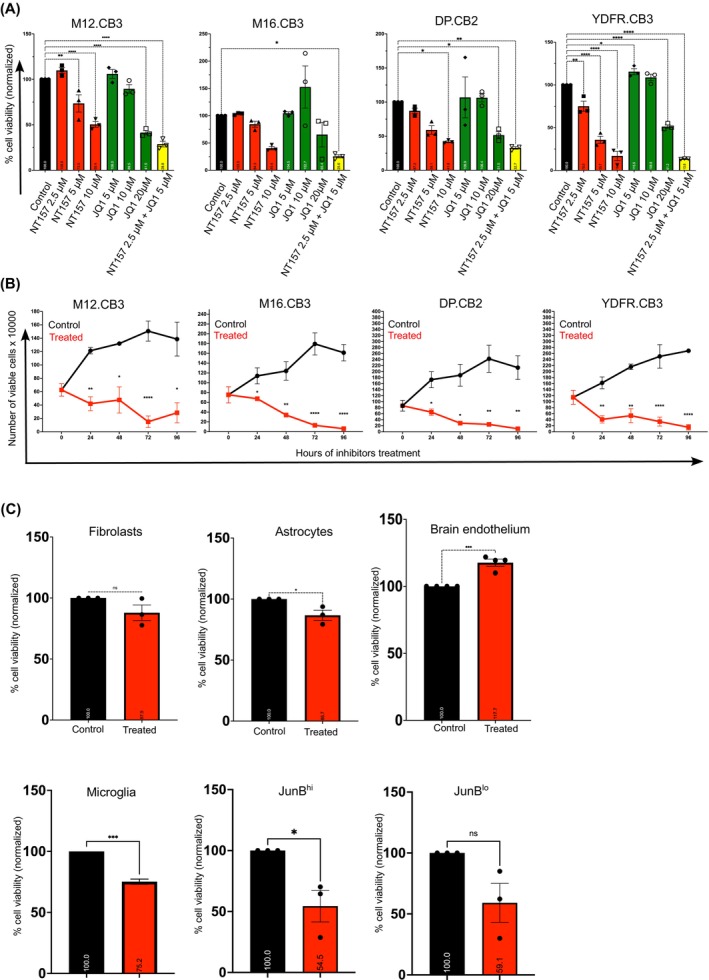 Figure 1
 Figure 2
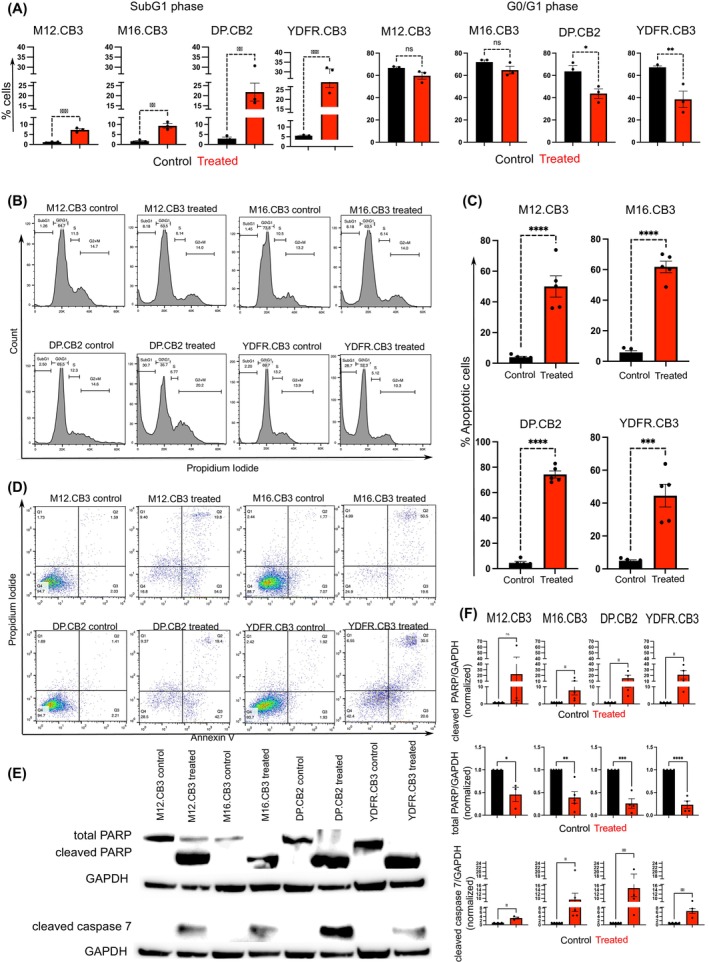 Figure 3
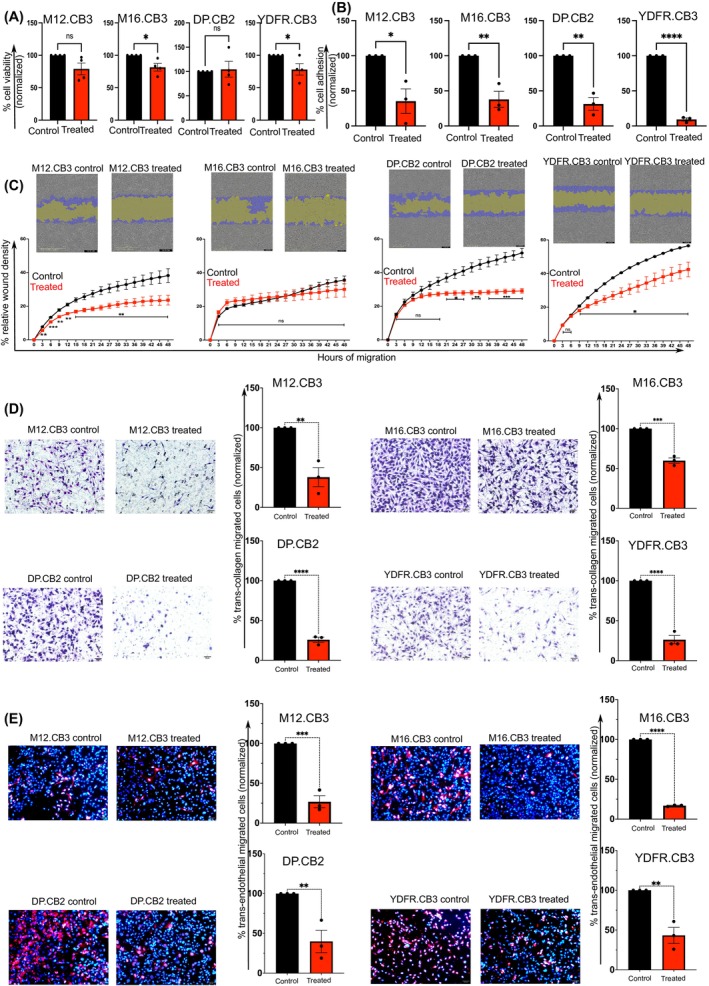 Figure 4
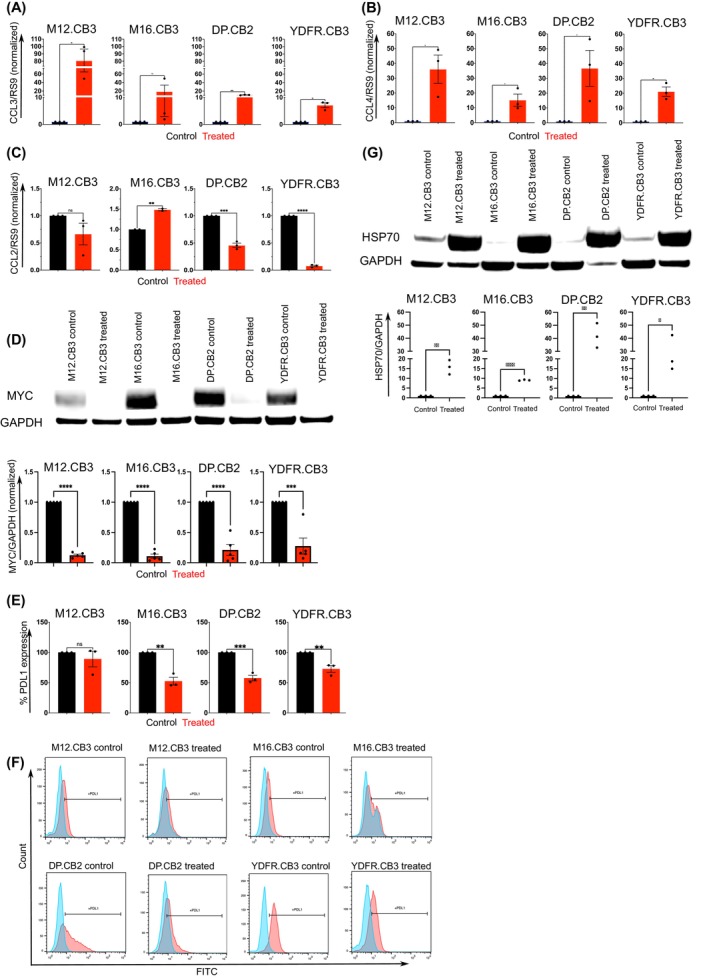 Figure 5
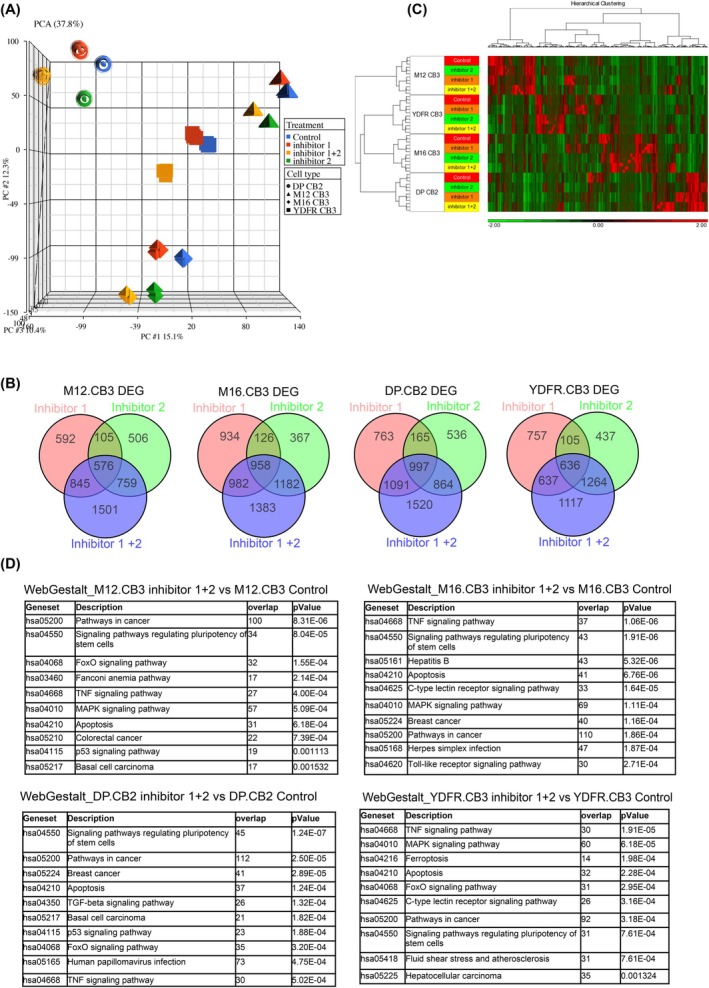 Figure 6
Peer Reviews
No public reviews on file for this paper yet. If you reviewed it on a platform where reviews are public (OpenReview, ICLR, NeurIPS, ICML), you can paste yours below so the community can read it here.
Videos
No videos yet. Explain this paper in a talk, walkthrough, or lecture? Add one.
Taxonomy
TopicsProtein Degradation and Inhibitors · Multiple Myeloma Research and Treatments · Histone Deacetylase Inhibitors Research