Evaluating Visual Dependence in Postural Stability Using Smartphone and Stroboscopic Glasses
Brent A. Harper, Michael Shiraishi, Rahul Soangra

TL;DR
This study tests how smartphone apps and stroboscopic glasses can assess balance, finding that smartphones offer a cheaper but less accurate alternative to traditional force plates.
Contribution
The study introduces a novel, cost-effective method combining stroboscopic glasses and smartphone apps to evaluate postural stability.
Findings
Force plates showed higher sensitivity to visual conditions compared to smartphone measurements.
Smartphones can serve as a practical tool for routine postural control monitoring in sports.
Stroboscopic glasses effectively simulate visual impairments to assess balance under perturbed conditions.
Abstract
This study explores the efficacy of integrating stroboscopic glasses with smartphone-based applications to evaluate postural control, offering a cost-effective alternative to traditional forceplate technology. Athletes, particularly those with visual and visuo-oculomotor enhancements due to sports, often suffer from injuries that necessitate reliance on visual inputs for balance—conditions that can be simulated and studied using visual perturbation methods such as stroboscopic glasses. These glasses intermittently occlude vision, mimicking visual impairments that are crucial in assessing dependency on visual information for postural stability. Participants performed these tasks under three visual conditions: full vision, partial vision occlusion via stroboscopic glasses, and no vision (eyes closed), on foam surfaces to induce postural instability. The use of a smartphone app to measure…
Genes, proteins, chemicals, diseases, species, mutations and cell lines named across the full text — each resolved to its canonical identifier and authoritative record.
Click any figure to enlarge with its caption.
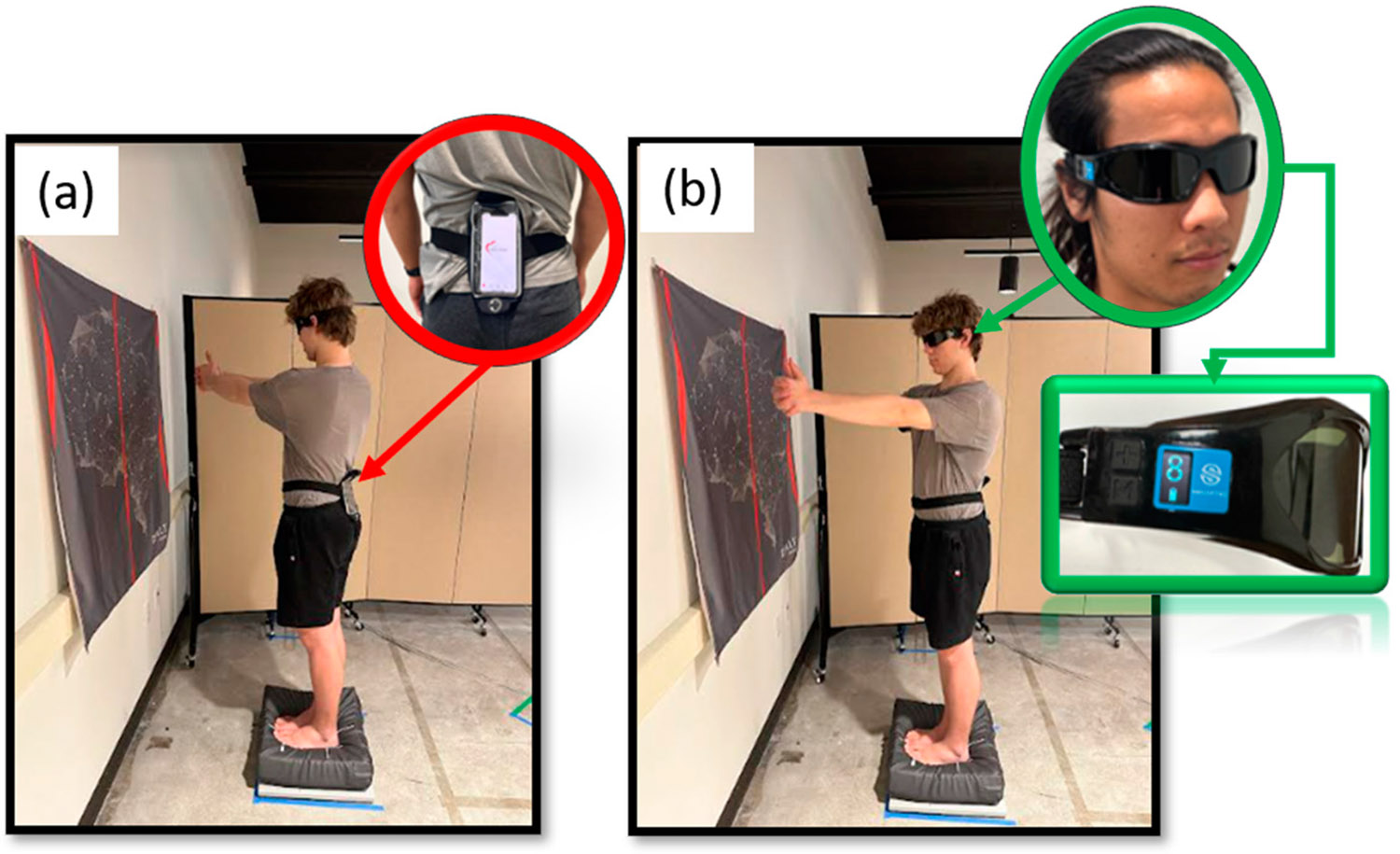 Figure 1
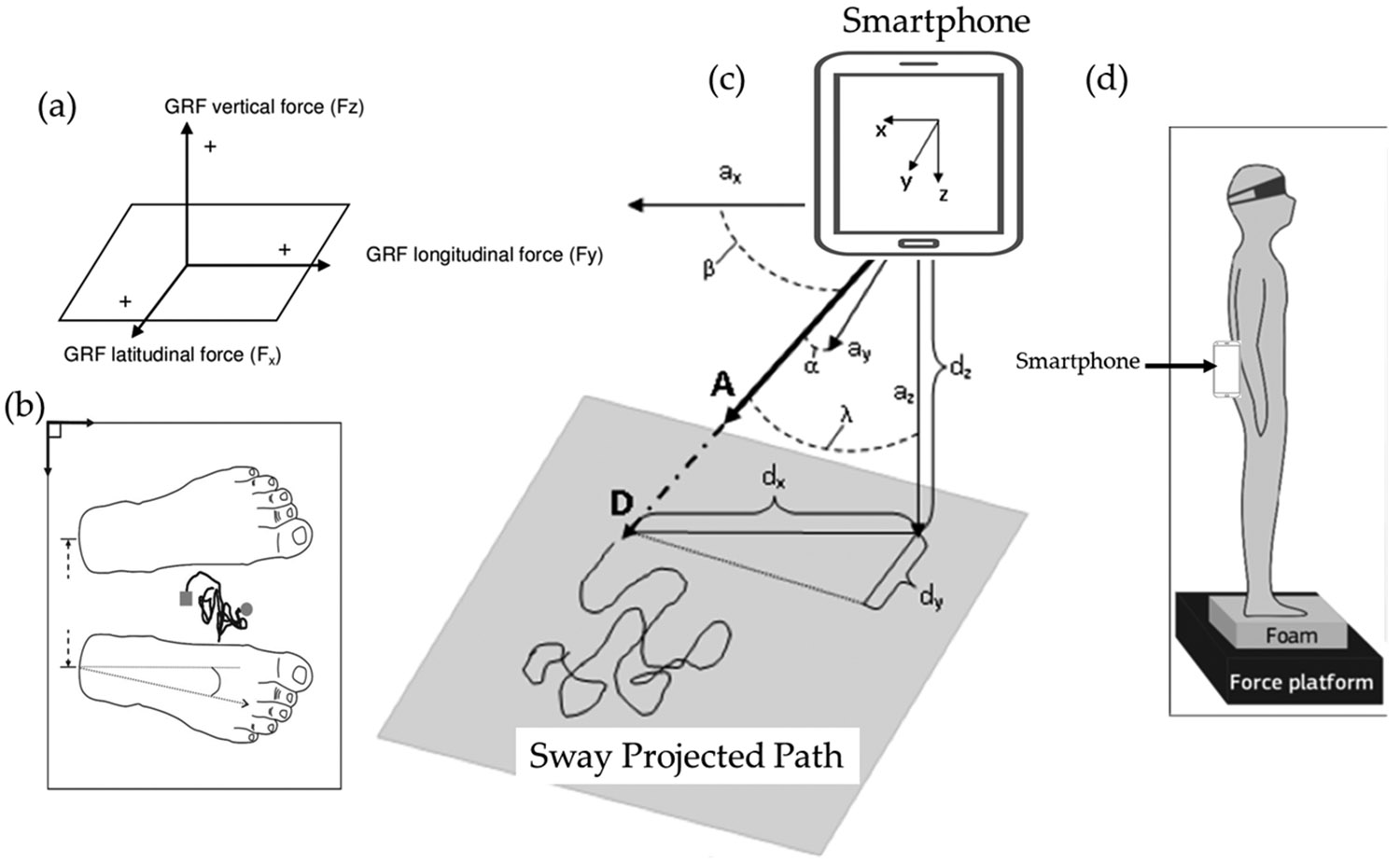 Figure 2
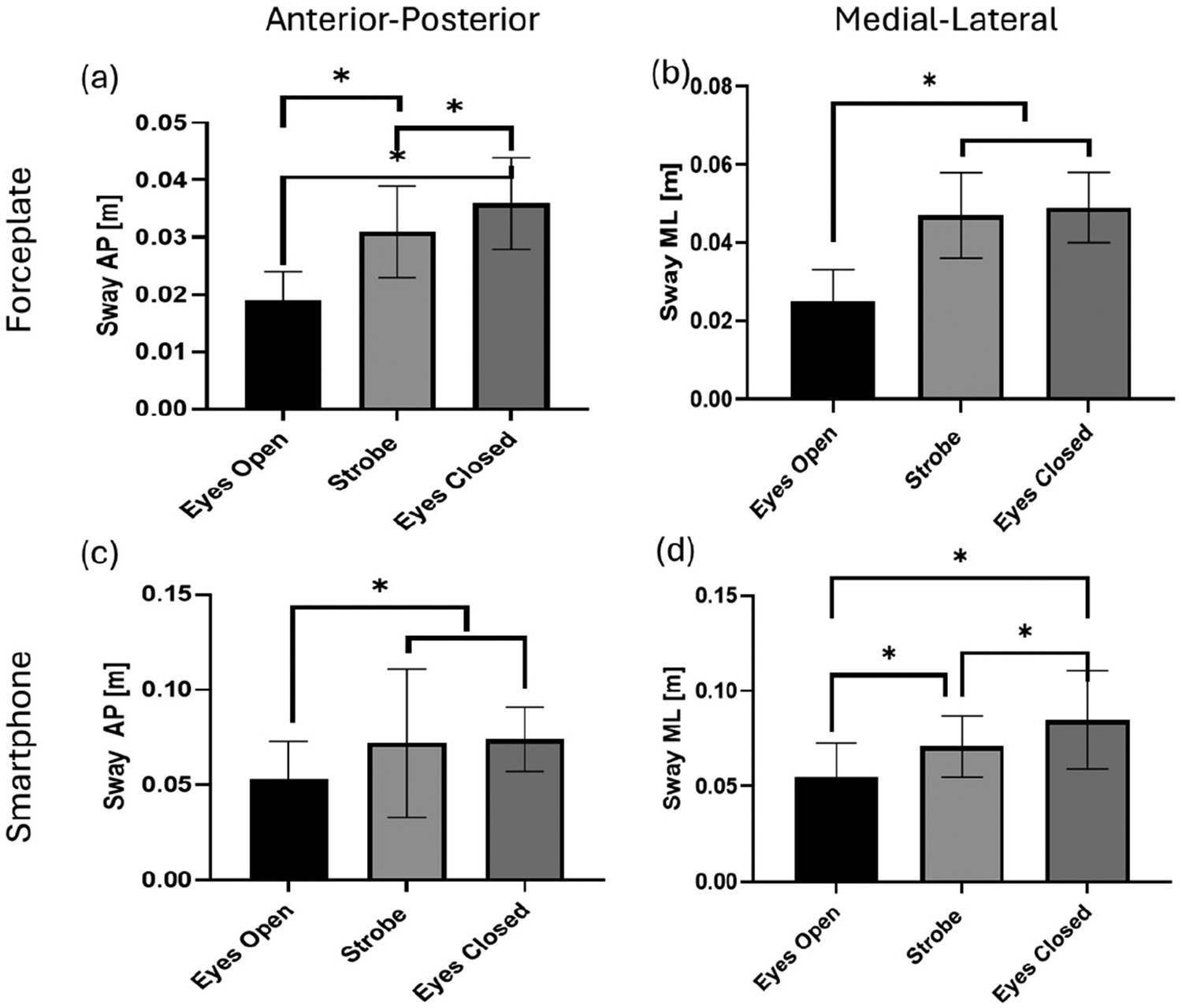 Figure 3
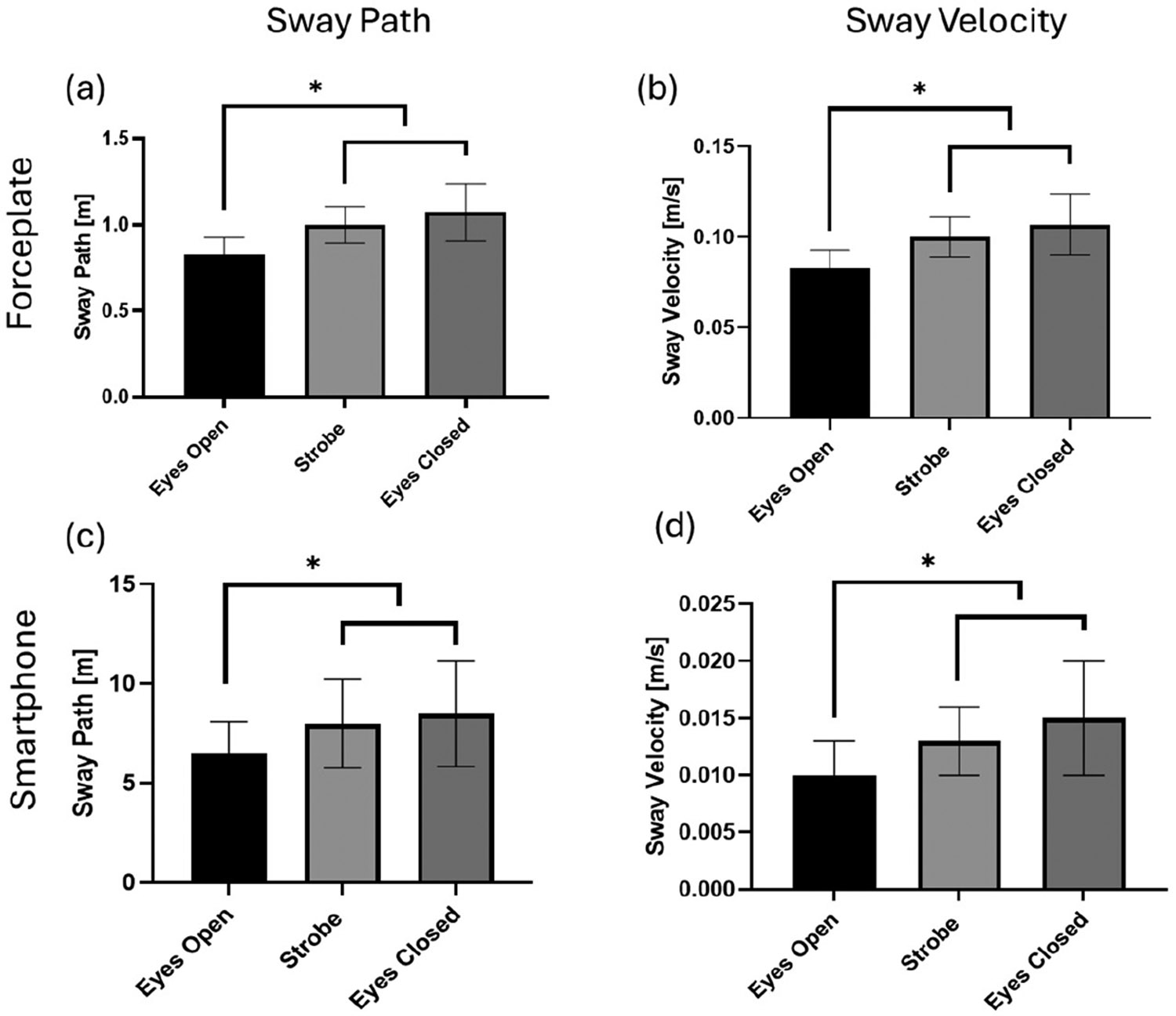 Figure 4
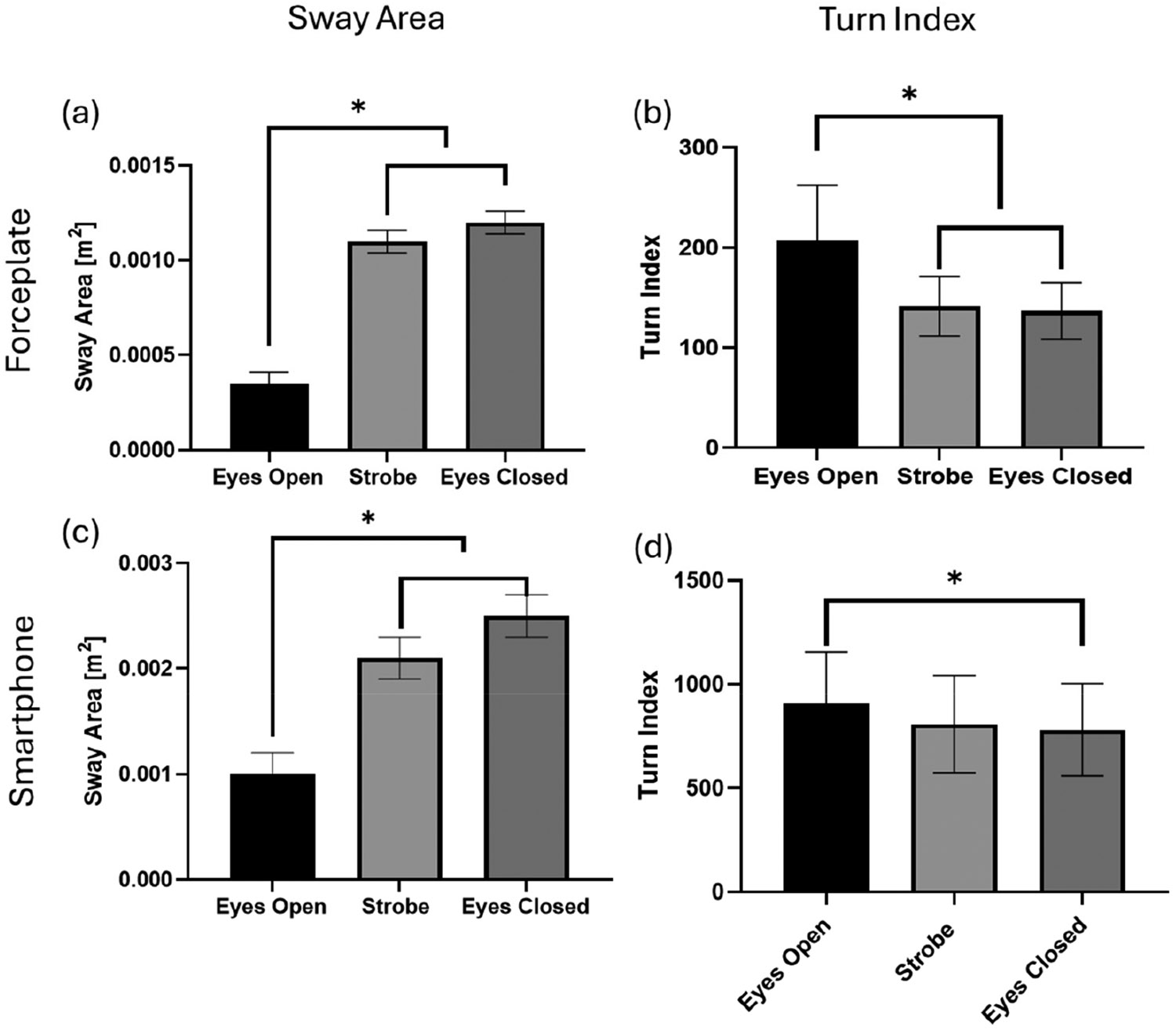 Figure 5
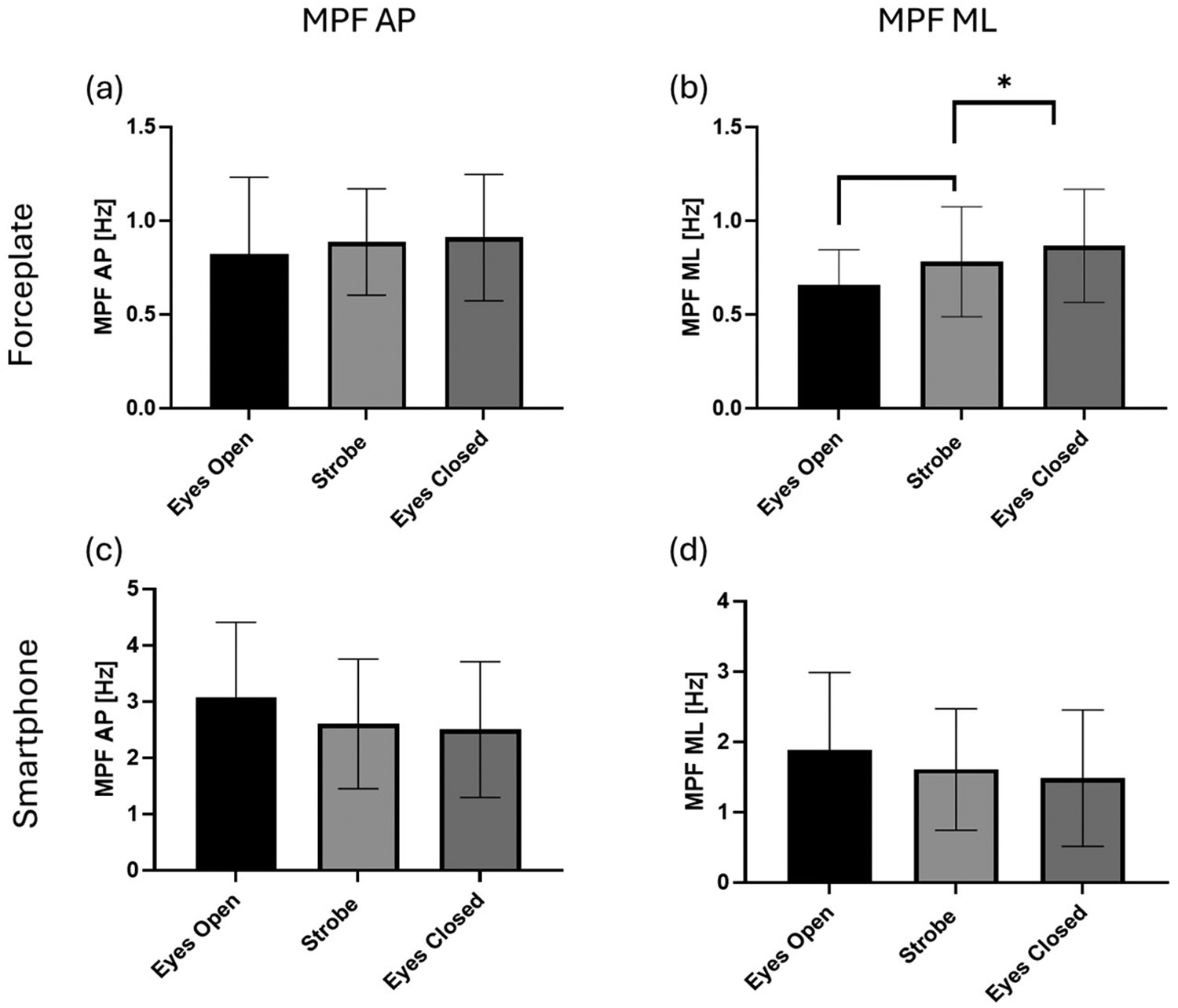 Figure 6
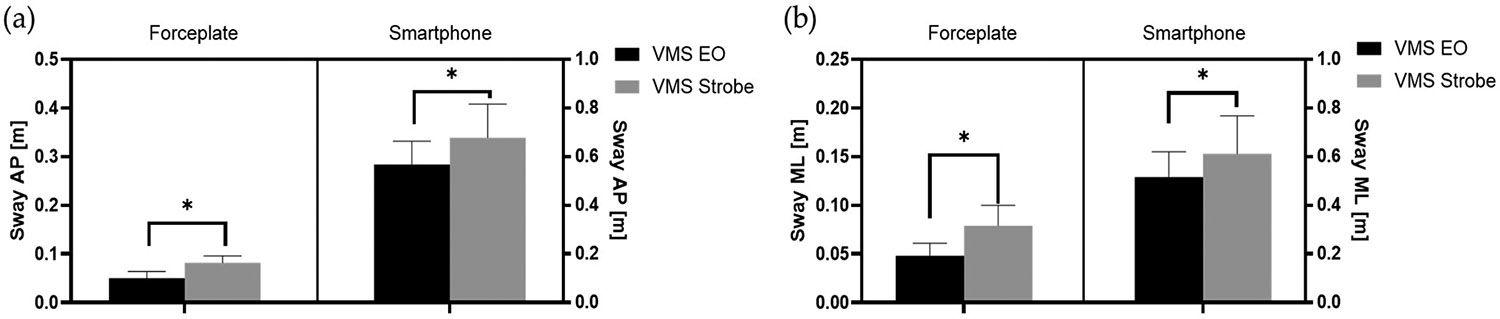 Figure 7
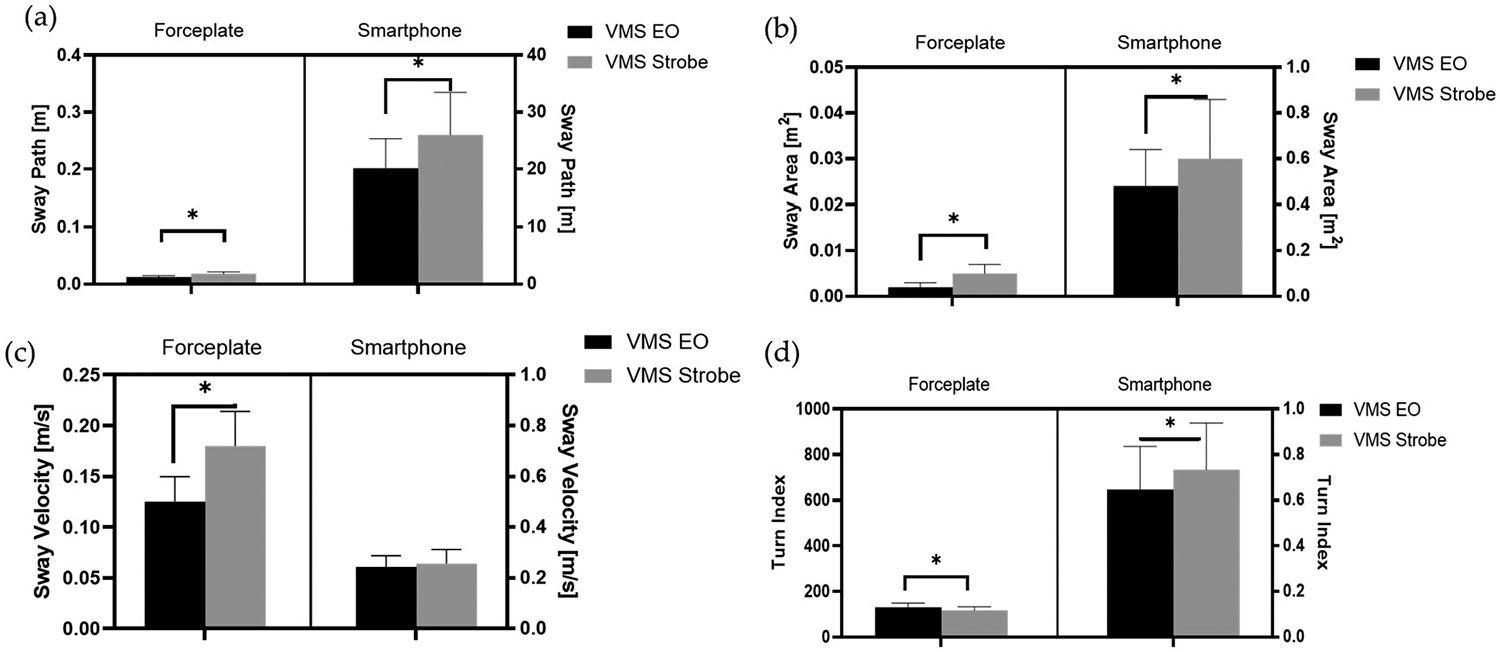 Figure 8
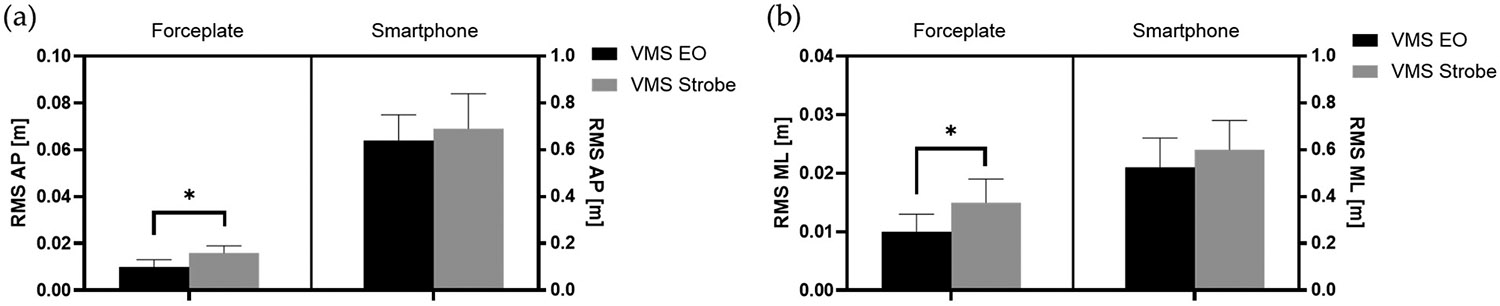 Figure 9
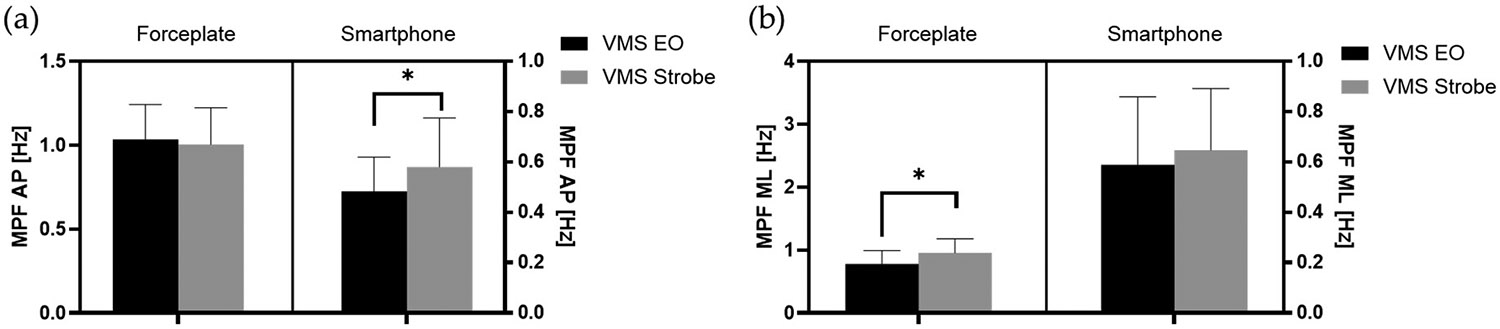 Figure 10
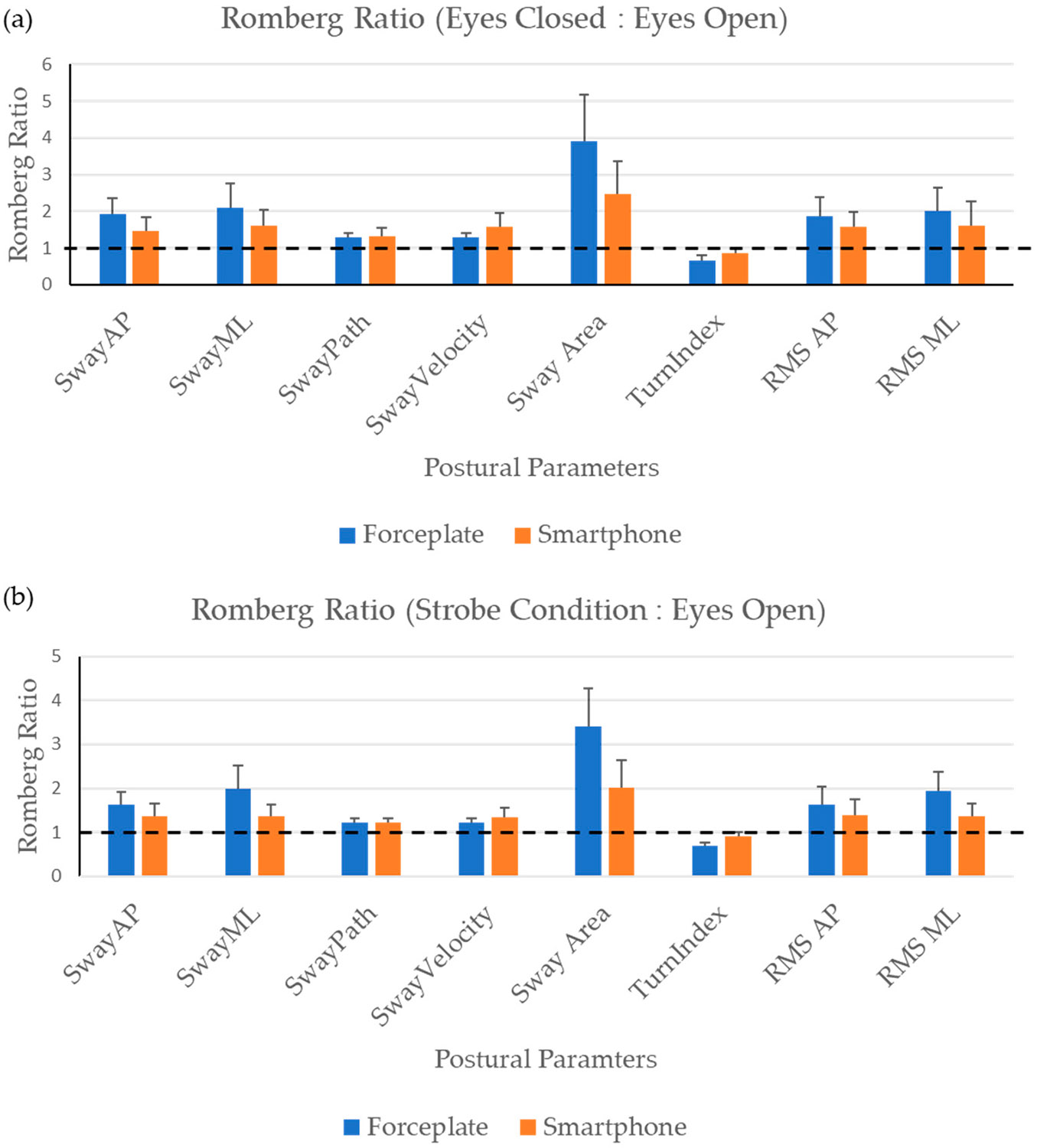 Figure 11
Peer Reviews
No public reviews on file for this paper yet. If you reviewed it on a platform where reviews are public (OpenReview, ICLR, NeurIPS, ICML), you can paste yours below so the community can read it here.
Videos
No videos yet. Explain this paper in a talk, walkthrough, or lecture? Add one.
Taxonomy
TopicsBalance, Gait, and Falls Prevention · Injury Epidemiology and Prevention · Musculoskeletal pain and rehabilitation
Introduction
Postural control is essential for athletic performance, particularly in sports requiring dynamic and precise motor reactions. This control fundamentally relies on the effective integration of visual, vestibular, and somatosensory inputs, which together maintain balance and stability under varying and often challenging conditions [1]. In sports and rehabilitation settings, understanding the influence of different sensory inputs on postural control not only helps in enhancing athletic performance but also in preventing injuries associated with sensory impairments [2]. Visual input significantly influences how athletes perceive and respond to their environment. Enhanced visual and visuo-oculomotor capabilities are known to improve interceptive visuomotor performance, giving athletes an edge in high-speed and dynamic sports [3]. This superior visual skill set can be crucial in high-speed and dynamic sports where precise motor reactions are essential. As a result, there has been a growing interest in exploring the effects of manipulated vision and visual inputs to augment athletic performance or to identify visual impairments that could potentially impair it [4]. Altered visual conditions, such as eyes closed, dim lighting, or visual perturbations, significantly increase the risk of injuries due to compromised postural stability [2]. These conditions necessitate greater contributions from the vestibular and proprioceptive systems to maintain balance, especially on unstable surfaces like foam, which distorts proprioceptive feedback and increases the difficulty of maintaining postural control [5]. This is particularly evident in athletes who have suffered from musculoskeletal injuries, such as chronic ankle instability [6,7], or neurological impairments, like concussions [8,9], where an increased reliance on visual input for balance has been documented. In contrast, conditions such as visual perturbations—achieved through methods like stroboscopic training—alter normal visual processing and have been shown to potentially augment these capabilities by training athletes to rely less on consistent visual feedback and more on other sensory inputs [10]. Stroboscopic glasses, which alternately obscure and reveal vision by flickering between transparent and opaque states, are used to perturb the visual system. This intermittent occlusion is thought to enhance visual system efficiency and visual–cognitive processing as it forces the body to adapt to less consistent visual feedback [10,11]. Previous research utilizing these glasses under various postural conditions (e.g., firm vs. foam surfaces) has demonstrated that postural sway is significantly influenced by visual input levels [12,13].
Since postural control is intricately governed by the integration of visual, vestibular, and somatosensory systems [1], these systems are capable of compensating for each other when one is compromised [14,15]. The Sensory Organization Test (SOT) and the modified Clinical Test for Sensory Integration and Balance (mCTSIB) are traditional methods used to assess the functional capabilities of each sensory system in balance. However, these tests often require expensive, immobile equipment and fail to replicate certain conditions, such as sway-referenced vision [16]. To address these limitations, our goal is to introduce the use of stroboscopic glasses combined with smartphone applications to evaluate postural stability under various conditions. Integrating stroboscopic glasses with smartphone applications offers a refined method for creating postural stability tasks that identify the predominant sensory system—whether vestibular or visual—required for maintaining balance on unstable surfaces like foam. This technology is especially valuable for detecting minor impairments in athletes who are recuperating from mild traumatic brain injuries, such as concussions. These deficits might remain unnoticed under simpler, less demanding conditions but can be revealed through this advanced, sensitive testing approach [17,18]. This approach not only simulates less consistent visual environments but also offers a portable, cost-effective solution for widespread clinical use [19].
The primary aim of this study is to assess the efficacy of smartphone-based tools in detecting subtle shifts in postural sway and to compare these results with those obtained from traditional force plates. We focused on analyzing postural parameters as participants stood on foam with both eyes open and closed, and under conditions of visual motion sensitivity (VMS), using stroboscopic glasses to identify which parameters are significantly influenced by visual disturbances. Smartphones, equipped with advanced sensors and broadly available, offer a practical and cost-effective alternative to force plates, which are expensive and less portable.
By leveraging smartphones for postural sway measurements, this study aims to enhance the accessibility of conducting such tests outside specialized laboratories. We evaluated the accuracy and reliability of smartphones against force plates in capturing these subtle changes under the aforementioned conditions. This approach not only aims to replicate the capabilities of force plate technology but also makes advanced balance assessments more accessible and cost-effective for clinical and sports applications.
Materials and Methods
This study utilized a convenience sample of healthy adults, consisting of 12 participants (42% female) with an average age of 26.3 years (SD = 1.2), height of 168.3 cm (SD = 3.5), weight of 74.0 kg (SD = 3.4), and BMI of 26.1 (SD = 2.7). Before participating, individuals were briefed about the test procedures and potential risks, and their questions were addressed; following this, written informed consent was obtained. Participants who normally wore glasses were asked to use contact lenses instead to ensure compatibility with stroboscopic glasses. This study was conducted in accordance with the Declaration of Helsinki and received ethical approval from the Chapman University Institutional Review Board.
The research design was an observational laboratory-based study. Tests were scheduled on the same weekday across three different sessions held in the early afternoon (from 1 p.m. to 3 p.m.) within a controlled environment where the temperature was maintained between 24 °C and 26 °C. The participants undertook a standing balance task under three distinct visual conditions and a visual motion sensitivity (VMS) task under two different visual settings. The sequence of each test within these tasks was randomized for every participant to minimize order effects.
Testing involved participants standing on a force plate (Bertec^®^Portable Essential, Columbus, OH, USA) and wearing a smartphone equipped with the Lockhart Monitor app (Figure 1). It is available freely on iOS App Stores and has been validated for gait speed and postural sway [20-25].
The balance task was performed on an unstable surface, such as foam, under three visual conditions: (1) Eyes Open, (2) Eyes Closed, and (3) Wearing Stroboscopic Glasses. The Senaptec Strobe^™^ glasses (Senaptec, Beaverton, OR, USA), set to level 8, induced visual occlusion. This setting meant the glasses were clear for 0.1 s allowing full vision, followed by being opaque for 0.9 s, obstructing vision, in a continuous 1 Hz flickering pattern. This design aimed to assess the impact of visual perturbations on balance under varied sensory conditions. Data Processing: Force plate signals consisting of tri-axial forces and tri-axial moments were filtered using a 4th-order Butterworth filter dual low-pass filter (for zero-phase lag). Thereafter, Center of Pressure (COP) trajectories were evaluated using forces and moments for evaluation of postural parameters from smartphones (Table 1). Tri-axial accelerometer signals from smartphones were filtered using a 3rd-order Butterworth low pass filter (zero phase lag). The accelerometer signals were utilized to evaluate projection on the plane (100 cm below the smartphone level).
Sway Evaluation using Force Plate and Smartphone:
Postural sway was computed using forces and moments from the force plates using Equations (1) and (2) (Figure 2a,b). Where and are the centers of the pressure trajectories and and are moments in the and -directions. is the vertical ground reaction force, as shown in Equations (1) and (2).
Smartphones with tri-axial accelerometer sensors (LIS302DL) were used for sway evaluation (Figure 2c). Where , , and are accelerations from the triaxial accelerometer. Resultant acceleration ( ) was evaluated as shown in Equation (3).
Orientation angles ( , , ) of resultant acceleration from three sensor axes were evaluated using Equations (4)-(6). We evaluated , and [26].
Considering the height of the smartphone at a fixed place as (fixed to 100 cm from the ground) (Equation (7)). Projections on the ground were evaluated for the -direction (Equation (8)) and -direction (Equation (9)), i.e., for the anterior–posterior and medial–lateral directions, respectively.
The Romberg Ratio (RR) or Romberg Quotient can be calculated as the ratio between (i) EC and EO, and (ii) Strobe and EO. A value of RR exceeding 1.0 would indicate a greater amount of postural sway during (i) EC and (ii) strobe, respectively. A ratio close to zero indicates that the magnitude of body sway was similar or smaller in the condition with (i) EC and (ii) strobe as with EO, i.e., visual information was less important for postural control. The Romberg Ratio compares a person’s ability to maintain balance with eyes open (or strobe) and with eyes closed. This sensitivity helps in identifying deficits in sensory integration and proprioceptive function, which are critical for maintaining balance. By assessing how much a person’s balance worsens when they close their eyes, clinicians can gauge the extent to which balance relies on visual input. This is valuable for diagnosing conditions like concussion or vestibular loss, and for monitoring how these conditions progress or respond to treatment.
Standardized comparisons through Romberg Ratios:
The Romberg Ratio can serve as a standard for comparing the effectiveness and accuracy of different instruments, like smartphones and force plates, in measuring postural sway and balance. Force plates can accurately measure center of pressure (COP) movements, which are critical for calculating the Romberg Ratio. Smartphone sensors can project COP on a horizontal surface (Figure 2c). Overall, leveraging the Romberg Ratio as a standard metric allows for a consistent and reliable means to assess and compare different technologies to assess postural stability.
Results
We conducted linear mixed model analyses using JMP Pro 16 (SAS Institute Inc., Cary, NC, USA) software. The analyses encompassed all dependent variables (Sway AP, Sway ML, Sway path, Sway Velocity, Sway Area, Turn Index, RMS AP, RMS ML, MPF AP, MPF ML) with fixed effects introduced for the condition (Eyes Open (EO), Eyes Closed (EC), Strobe) while treating each subject as a random effect. The model formulation was structured as follows: dependent variable ~ Condition + (1∣Subject).
For data obtained from force plates, significant main effects were observed for Sway AP (p < 0.001), Sway ML (p < 0.001), Sway path (p < 0.001), Sway velocity (p < 0.001), Sway Area (p < 0.001), Turn index (p < 0.001), RMS AP (p < 0.001), RMS ML (p < 0.001), median power frequency (MPF) ML (p = 0.03), median frequency at 50th percentile F50 ML (p = 0.02), median frequency at 95th percentile F95 ML (p = 0.002), peak frequency ML (p = 0.01), and dominant frequency of resultant COP (p < 0.001) (Table 2).
For data collected via smartphones, significant main effects were noted for Sway AP (p = 0.01), Sway ML (p < 0.001), Sway path (p < 0.001), Sway velocity (p < 0.001), Sway Area (p < 0.001), Turn index (p = 0.03), RMS AP (p < 0.001), RMS ML (p < 0.01), and median frequency at 95th percentile F95 AP (p = 0.004). Tukey’s HSD test identified significant differences across the three conditions (EO, EC, and Strobe) using both smartphones and force plates (Table 2).
However, in the anteroposterior (AP) direction, the smartphone could not differentiate between the Strobe and EC conditions, although it could distinguish them in the mediolateral (ML) direction (see Figure 3). This discrepancy may arise because the axes of the smartphone cannot be precisely aligned with those of the force plates, potentially leading to the detection of sway acceleration components in a direction that other axes of the smartphone could capture. Regarding sway path, sway velocity, and sway area, both the force plate and smartphone effectively detected significant differences (see Figures 4 and 5). For the turn index, the smartphone was unable to differentiate between the EO and Strobe conditions (see Figure 5). Force plates demonstrated high sensitivity in detecting significant differences in the mediolateral (ML) direction for the median power frequency (MPF) between the Strobe and EC conditions (see Figure 6).
Furthermore, visual motion sensitivity (VMS) tests were conducted on foam and force plates while subjects wore smartphones. A linear mixed model analysis was performed using all postural parameters as dependent variables, with fixed effects introduced for the conditions (VMS EO and VMS Strobe).
For data obtained from force plates during VMS testing, significant main effects were observed for Sway AP (p < 0.001), Sway ML (p < 0.001), Sway path (p < 0.001), Sway velocity (p < 0.001), Sway Area (p < 0.001), Turn index (p < 0.01), RMS AP (p < 0.001), RMS ML (p < 0.001), median power frequency (MPF) ML (p = 0.01), median frequency at 50th percentile F50 ML (p = 0.02), median frequency at 95th percentile F95 ML (p = 0.02), and dominant frequency of resultant COP (p < 0.001) (Table 3).
For data collected via smartphones during VMS testing, significant main effects were noted for Sway AP (p = 0.004), Sway ML (p = 0.02), Sway path (p < 0.001), Sway Area (p = 0.02), Turn index (p < 0.001), median power frequency in AP (p = 0.01), median frequency at 95th percentile F95 in AP direction (p = 0.01), median frequency at 95th percentile F95 in ML direction (p < 0.01), and dominant frequency of resultant COP (p < 0.04). Tukey’s HSD test identified significant differences across the two conditions (VMS EO and VMS Strobe) using both smartphones and force plates (Table 3).
We observed that postural excursion parameters, such as sway in the anteroposterior (AP) and mediolateral (ML) directions, were significantly affected under both eyes open (EO) and Strobe conditions. Both force plates and smartphones were capable of detecting these differences (see Figure 7). Both force plates and smartphones identified significant differences in sway path, sway area, and turn index. However, smartphones were unable to detect differences in sway velocity for the EO and Strobe conditions during the visual motion sensitivity (VMS) task (see Figure 8). Additionally, smartphone sensors failed to discern differences in root mean square (RMS) values for AP and ML during the EO and Strobe conditions during VMS (see Figure 9).
Force plates did not detect significant differences in the median power frequency (MPF) in the AP direction, and smartphones failed to identify differences in MPF in the ML direction (see Figure 10). These discrepancies may be attributed to the different sampling frequencies and noise levels in both systems. Additionally, the imperfect alignment of smartphone axes could have distributed acceleration components across different axes.
Examining the Romberg Ratio (RR), we found that all postural parameters followed a similar trend for both the force plate and smartphone systems and were either above 1 or below 1. This was found for the RR, (i) EC: EO, and (ii) Strobe: EO for both systems.
Discussion
The intricate interplay between visual, vestibular, and somatosensory systems in regulating postural control underscores its paramount importance in athletic performance, particularly in sports reliant on dynamic and precise motor reactions [1]. Our study extends this understanding by investigating the effectiveness of smartphone-based tools in assessing postural stability, offering a practical and cost-effective alternative to traditional force plates. Based on the results obtained from our study, it is evident that smartphones exhibit comparable sensitivity to postural parameters from force plates.
Visual input undoubtedly plays a pivotal role in athletes’ perception and response to their environment, with enhanced visual capabilities correlating with improved visuomotor performance in high-speed and dynamic sports [3]. However, altered visual conditions, such as eyes closed or the use of stroboscopic glasses, significantly increase the risk of injuries due to compromised postural stability [2]. In such scenarios, the vestibular and proprioceptive systems are called upon to compensate for the reduced visual input, highlighting the intricate balance between sensory systems in maintaining stability [14]. Our study integrates stroboscopic glasses with smartphone applications to evaluate postural stability under varying conditions. This approach provides a refined method for creating postural stability tasks, offering insights into the predominant sensory system required for balance maintenance on unstable surfaces like foam [17]. By simulating less consistent visual environments, this innovative approach not only detects minor impairments but also offers a portable, cost-effective solution for widespread clinical use [19].
Our analysis included tests under various conditions, such as Eyes Open (EO), Eyes Closed (EC), and Strobe, both using force plates and smartphones. Notably, when conducting visual motion sensitivity (VMS) tests under EO and Strobe conditions, and EO, EC, and Strobe tests on foam, similar significant results were obtained for the dependent variables from the two systems (force plates and smartphones). This indicates that smartphones are capable of capturing postural sway dynamics with a level of sensitivity akin to force plates across different experimental conditions.
We found that force plates showed higher sensitivity in detecting changes across all measured postural parameters. While smartphones showed limitations in distinguishing conditions in the anteroposterior (AP) direction and in sway velocity during visual motion sensitivity (VMS) tasks. These limitations may be due to alignment issues and the inherent noise in smartphone sensors. We suggest that the ability of stroboscopic glasses to challenge and train visual–cognitive processing could be beneficial in rehabilitation programs for athletes recovering from injuries like concussions, as well as in enhancing performance by training athletes to rely less on visual cues.
Objective metrics for identifying deficits in postural control are crucial for effective concussion management. It is estimated that between 50–80% of concussions go unreported [27-29]. Athletes experiencing symptoms might not recognize them or may choose not to report them. Therefore, employing a comprehensive array of assessment tools to evaluate both static and dynamic postural control could aid in detecting compensatory patterns in the visual or vestibular systems [8,17,30].
The testing protocol deployed in this research aimed to distinguish between the predominant sensory systems controlling posture: visual, vestibular, and somatosensory [1]. These systems are capable of compensating for each other when one or more are impaired [14,15]. For instance, when an individual stands on a foam surface with eyes open, both the visual and vestibular systems contribute to maintaining proper posture. Conversely, when vision is obstructed, or when eyes are closed, the vestibular system predominantly facilitates postural stability. The inclusion of different conditions in the testing protocol, such as eyes open (EO), eyes closed (EC), and the inclusion of strobe vision, was designed to determine the degree of visual dependency required for balance maintenance [5]. Introducing a strobe condition could elucidate the reliance on visual input for maintaining upright posture during static and dynamic tasks, potentially highlighting dysfunction in the integration between vestibular and visual feedback systems [8]. Additionally, performing the Visual-Motor Sensitivity (VMS) task on an unstable surface like foam could further isolate the primary system—either vestibular or visual—controlling postural stability [17,30].
Not only could this testing framework detect deficits in postural control following a concussion, but it might also be utilized to enhance training for the individual systems governing postural control. For example, modifying the flickering rate of stroboscopic glasses—by increasing the duration of opaque phases—may improve proprioceptive and vestibular functions. Conversely, a higher flicker rate could enhance visual system training [5]. Thus, this protocol, utilizing an app paired with stroboscopic glasses, proves valuable for both assessment and training purposes.
Additionally, our investigation involved the evaluation of Romberg Ratios, which were normalized to the EO condition. Remarkably, we observed analogous trends and changes in postural sway parameters (Figure 11) between force plates and smartphones. This suggests that the assessments conducted using smartphones yield outcomes consistent with those obtained from traditional force plate measurements.
The Romberg Ratio of eyes closed (EC) to eyes open (EO) is derived using the NeuroCom Equitest Sensory Organization Test (SOT) posturography [31] and is employed to evaluate the visual system’s contribution to postural stability [32,33]. Although one study has suggested that the Romberg Ratio may not be a reliable measure in healthy adults [34], this metric was calculated using torque force plate data. The results of this study seem to contradict the findings of the previous research. The postural control parameters in the current study were derived from both force plate and app accelerometer data, revealing consistent patterns across different types of equipment. Although this study has limitations due to the different sampling rates of the force plate and smartphone (1500 Hz versus 50 Hz), as well as the varying levels of filtering (4th-order versus 3rd-order Butterworth filters), we consistently used a single smartphone and a force plate for all data collection efforts. Various smartphone models feature different accelerometer sensors. In our study, we utilized an iOS device, which generally maintains consistent sensor quality, unlike Android devices that may include a variety of inertial measurement unit sensors. When integrated with the objective data provided by the application, the Romberg Ratio could provide further insights into whether the visual or vestibular system predominantly governs postural control. However, it remains unclear whether this metric enhances diagnostic clarity in clinical populations, such as those with concussions.
Overall, the convergence of significant results and consistent trends between force plates and smartphones underscores the validity and effectiveness of smartphones as a viable alternative for assessing postural sway. These findings highlight the potential of smartphones as accessible and practical tools for researchers and clinicians seeking reliable methods for evaluating postural control and balance.
We recognize that the limited sample size and specific demographic characteristics of the participants may constrain the generalizability of the findings. Additionally, we observed that variations in smartphone performance could be attributed to their reduced sensor sensitivity and alignment challenges when compared to force plates. Future research quantifying postural control may utilize the assessment protocol using stroboscopic glasses to identify existing or persistent dysfunction as one readiness measure used by healthcare practitioners in the return-to-sports decision. Increased visual dependence to maintain balance is common in musculoskeletal injuries, primarily in those with chronic ankle sprains [6,7] and those who have experienced a concussive event [8,9]. Creating conditions using smartphone apps and stroboscopic glasses during a protocol that involves static and dynamic tasks, in conjunction with Romberg Ratios from these conditions, may assist in the evaluation of the visual system’s role in maintaining postural stability. Our protocol involved the static postural control test most commonly utilized in SOT and mCTSIB testing to determine which of the three primary systems is being primarily used to maintain an upright posture. The addition of VMS increases the demand on the visual system by leveraging the vestibular ocular reflex (VOR) cancellation [35,36]. VMS tasks have shown increased sway velocity differences between those with and without a concussion [17,23]. Unfortunately, there is inconsistent studies on reliability [37,38]. Combining an app and strobe glasses further assists in identifying if the visual system is providing a heightened or diminished role in governing postural control, and the Romberg Ratio can further support detecting these findings. The stroboscopic glasses can flicker at eight different frequency rates, ranging from 1 Hz (clear for 0.1 s and opaque for 0.9 s) to 6 Hz (clear for 0.1 s and opaque for 0.067 s), which allows for the provision of variable visual feedback (i.e., less or more). Training interventions that manipulate visual information may alter the Romberg Ratio. Future studies may involve manipulating the rate of flickering as a means to reweight the primary systems governing postural control, specifically, to increase or decrease visual dependency. Therefore, future research may involve manipulation of the flickering frequency rate and, eventually, the use of other visual field manipulations, including augmented reality and virtual reality.
Conclusions
Inexpensive equipment for measuring and clinically translatable objective metrics for quantifying postural control are needed to identify deficits or compensations within the visual, vestibular, and somatosensory systems governing postural control. This study demonstrated that the use of an app and stroboscopic glasses during the static and dynamic protocol tasks resulted in data with a statistically significant agreement with force plate data, primarily in regard to Sway ML, Sway Path, Sway Velocity, and Sway Area. The Romberg Ratios were similar in those same metrics, primarily with Sway ML and Sway Area, indicating that visual information was more important and that the participants were dependent on vision for maintaining balance. Therefore, our study underscores the potential of smartphone-based tools as valuable assets in the assessment of postural stability, offering a practical and cost-effective alternative to the traditional standard of practice of using force plates for these metrics. In addition, the use of this equipment provides accessibility to more individuals secondary to the affordability of this equipment. Using appropriate testing protocols that can provide objective postural control data is vital to making return-to-sports and readiness-to-return-to-play decisions. Smartphones are ubiquitous within the clinic and in sports settings; therefore, implementing a smartphone app in conjunction with stroboscopic glasses may provide an affordable alternative clinical postural control assessment for objective decision-making data. By bridging the gap between advanced balance assessment methods and widespread clinical use, this approach holds promise for improving athletic performance and preventing injuries associated with sensory impairments in sports and rehabilitation settings.
The reference list from the paper itself. Each links out to its DOI / PubMed record.
- 1Horak FB; Macpherson JM Postural Orientation and Equilibrium. In Comprehensive Physiology; Springer: Berlin/Heidelberg, Germany, 1996; pp. 255–292.
- 2Honeine J-L; Schieppati M Time-interval for integration of stabilizing haptic and visual information in subjects balancing under static and dynamic conditions. Front. Syst. Neurosci 2014, 8, 190.25339872 10.3389/fnsys.2014.00190 PMC 4186340 · doi ↗ · pubmed ↗
- 3Gao Y; Chen L; Yang S-N; Wang H; Yao J; Dai Q; Chang S Contributions of Visuo-oculomotor Abilities to Interceptive Skills in Sports. Optom. Vis. Sci 2015, 92, 679–689.25930979 10.1097/OPX.0000000000000599 · doi ↗ · pubmed ↗
- 4Laby DM; Appelbaum LG Review: Vision and On-field Performance: A Critical Review of Visual Assessment and Training Studies with Athletes. Optom. Vis. Sci 2021, 98, 723–731.34328451 10.1097/OPX.0000000000001729 · doi ↗ · pubmed ↗
- 5Lee H; Han S; Hopkins JT Altered Visual Reliance Induced by Stroboscopic Glasses during Postural Control. Int. J. Environ. Res. Public Health 2022, 19, 2076.35206263 10.3390/ijerph 19042076 PMC 8872389 · doi ↗ · pubmed ↗
- 6Song K; Burcal CJ; Hertel JAY; Wikstrom EA Increased Visual Use in Chronic Ankle Instability. Med. Sci. Sports Exerc 2016, 48, 2046–2056.27635773 10.1249/MSS.0000000000000992 · doi ↗ · pubmed ↗
- 7Sahin-Uysal H; Ojeda Aravena A; Ulas M; Baez-San Martín E; Ramirez-Campillo R Validity, Reliability, and Sensitivity of Mobile Applications to Assess Change of Direction Speed. J. Hum. Kinet 2023, 87, 217.37559771 10.5114/jhk/167465 PMC 10407321 · doi ↗ · pubmed ↗
- 8Caccese JB; Santos FV; Yamaguchi FK; Buckley TA; Jeka JJ Persistent Visual and Vestibular Impairments for Postural Control Following Concussion: A Cross-Sectional Study in University Students. Sports Med. 2021, 51, 2209–2220.33881749 10.1007/s 40279-021-01472-3PMC 8449812 · doi ↗ · pubmed ↗