Modeling dislocation dynamics data using semantic web technologies
Ahmad Zainul Ihsan, Said Fathalla, Stefan Sandfeld

TL;DR
This paper shows how semantic web technologies can be used to model and query data from dislocation dynamics simulations in materials science.
Contribution
The novel contribution is extending and aligning dislocation-related ontologies to represent simulation data as a knowledge graph with a SPARQL endpoint.
Findings
Dislocation simulation data can be effectively modeled using semantic web technologies and ontologies.
A knowledge graph named DisLocKG was created to represent relationships in dislocation dynamics data.
A SPARQL endpoint was developed to enable flexible querying of the knowledge graph.
Abstract
The research in Materials Science and Engineering focuses on the design, synthesis, properties, and performance of materials. An important class of materials that is widely investigated are crystalline materials, including metals and semiconductors. Crystalline material typically contains a specific type of defect called “dislocation”. This defect significantly affects various material properties, including bending strength, fracture toughness, and ductility. Researchers have devoted a significant effort in recent years to understanding dislocation behaviour through experimental characterization techniques and simulations, e.g., dislocation dynamics simulations. This paper presents how data from dislocation dynamics simulations can be modelled using semantic web technologies through annotating data with ontologies. We extend the dislocation ontology by adding missing concepts and…
Genes, proteins, chemicals, diseases, species, mutations and cell lines named across the full text — each resolved to its canonical identifier and authoritative record.
Click any figure to enlarge with its caption.
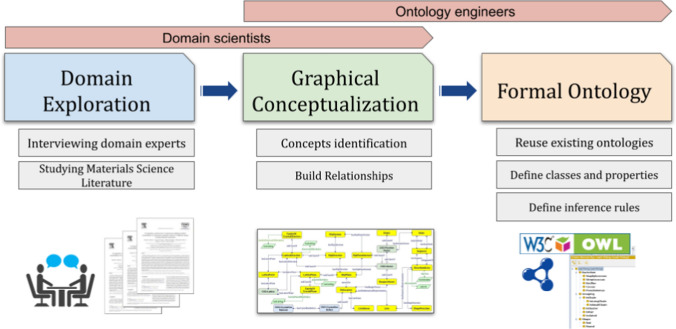 Figure 10
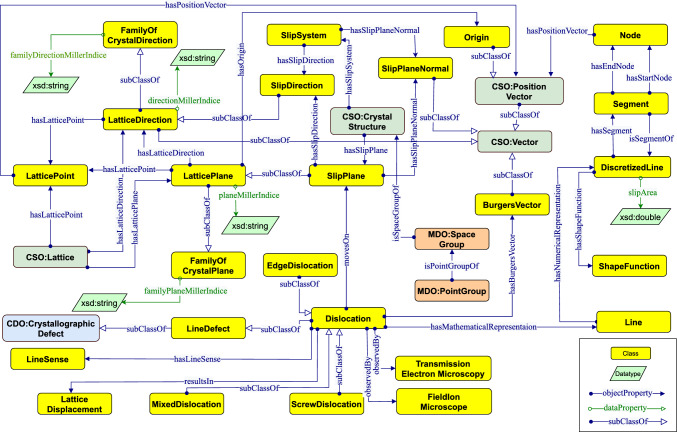 Figure 11
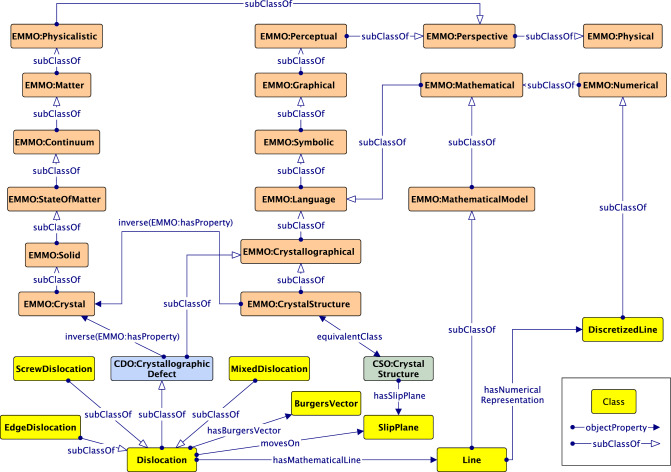 Figure 12
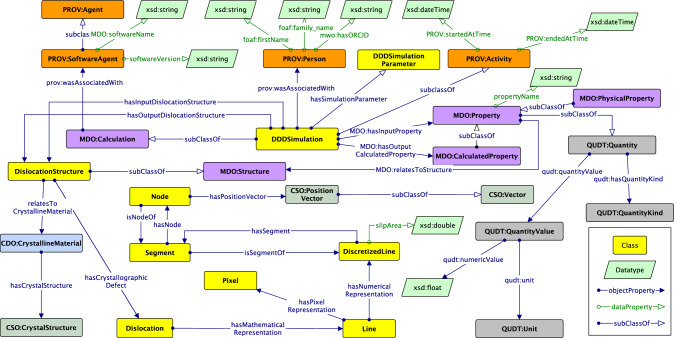 Figure 13
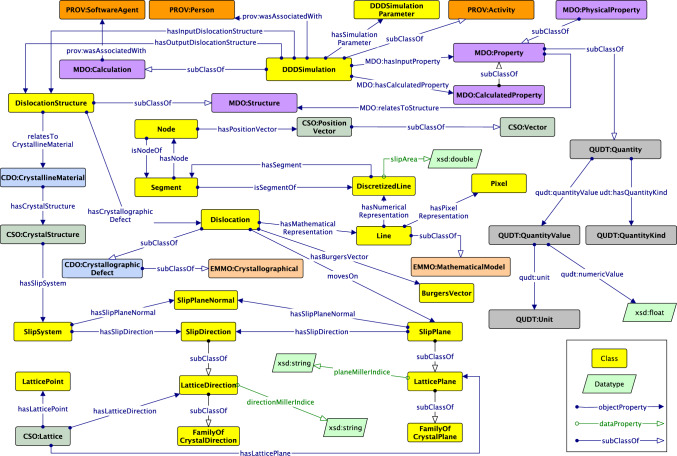 Figure 14
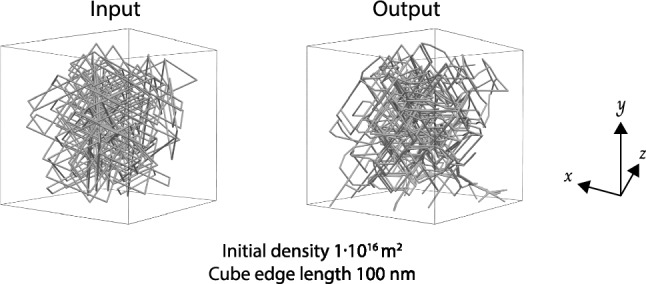 Figure 15
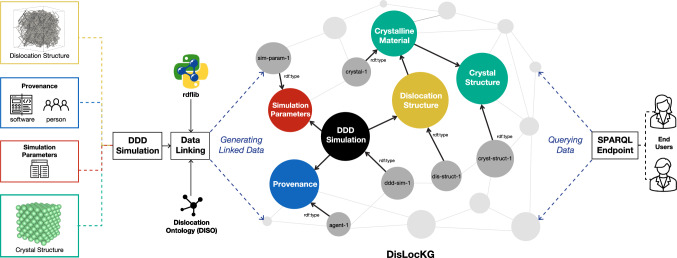 Figure 16
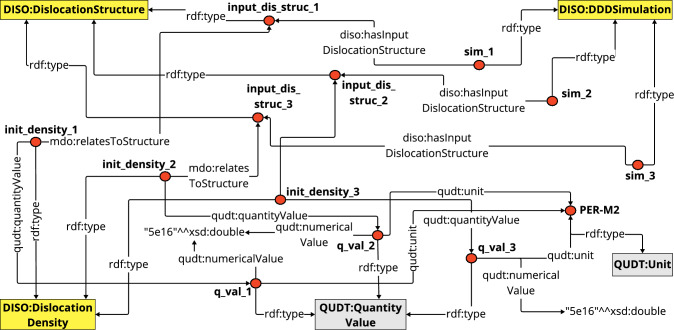 Figure 17
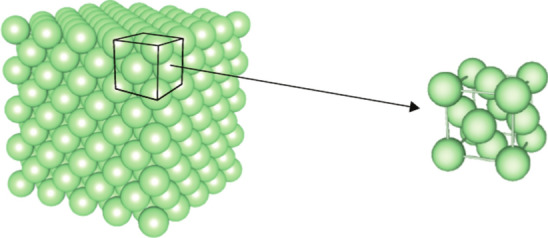 Figure 1
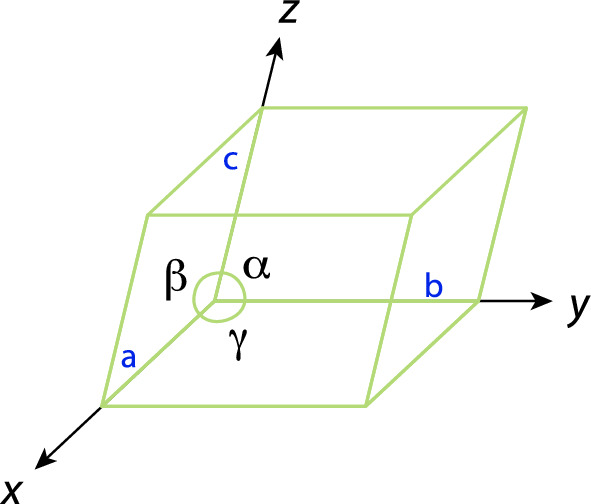 Figure 2
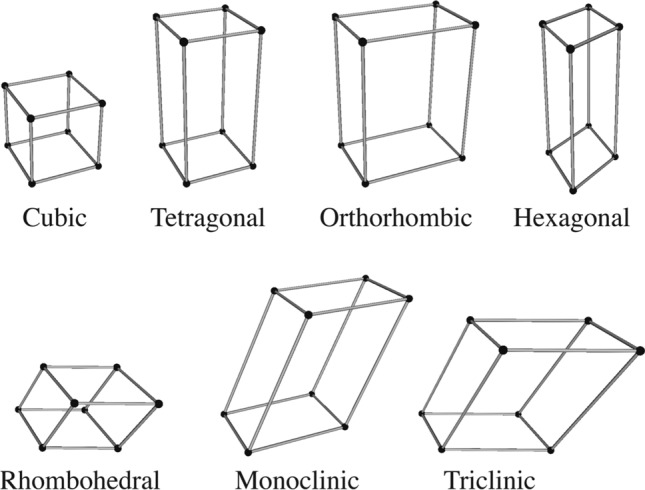 Figure 3
 Figure 4
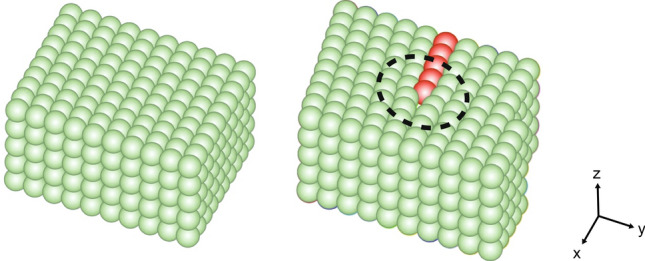 Figure 5
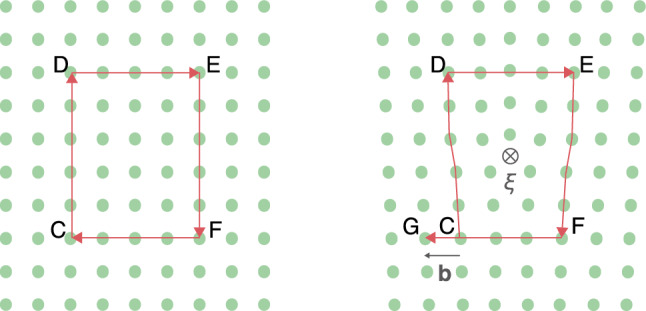 Figure 6
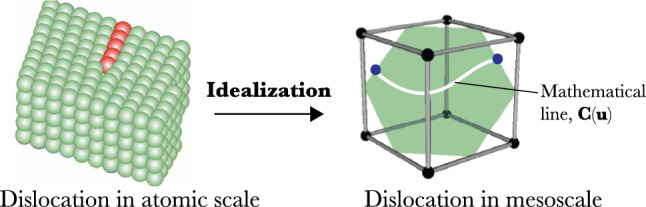 Figure 7
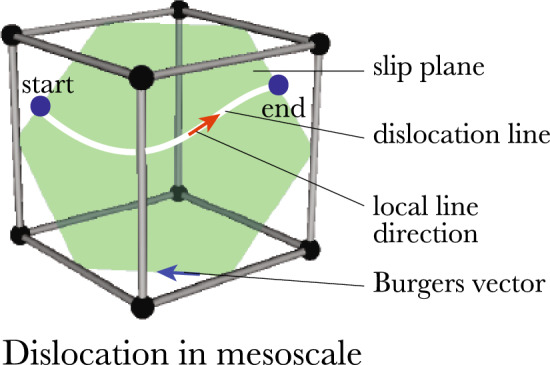 Figure 8
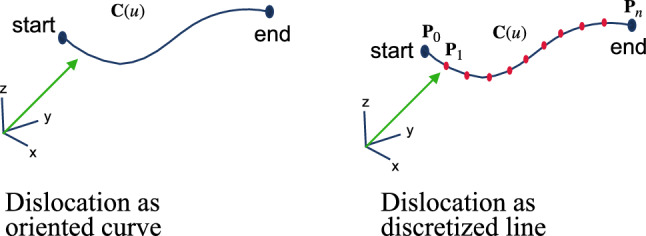 Figure 9
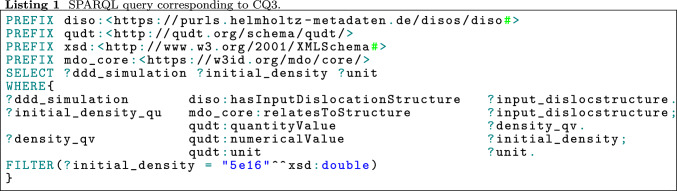 Figure 18
Peer Reviews
No public reviews on file for this paper yet. If you reviewed it on a platform where reviews are public (OpenReview, ICLR, NeurIPS, ICML), you can paste yours below so the community can read it here.
Videos
No videos yet. Explain this paper in a talk, walkthrough, or lecture? Add one.
Taxonomy
TopicsMachine Learning in Materials Science · Hydrogen embrittlement and corrosion behaviors in metals · Advanced Materials Characterization Techniques