Physiological bio-distribution of 68Ga-DOTA-TATE in pediatric patients
Nuh Filizoglu, Salih Ozguven, Selin Kesim, Kevser Oksuzoglu, Feyza Caglıyan, Tunc Ones, Fuat Dede, Halil Turgut Turoglu, Tanju Yusuf Erdil

TL;DR
This study examines how a radioactive tracer called 68Ga-DOTA-TATE distributes in the bodies of children of different ages, helping improve diagnosis of certain cancers.
Contribution
The study provides a detailed analysis of 68Ga-DOTA-TATE bio-distribution in pediatric patients, highlighting age-related differences in tracer uptake.
Findings
The spleen showed the highest physiological uptake in most age groups, while infants showed highest uptake in the kidneys.
Adolescents exhibited significantly higher tracer uptake in multiple organs compared to younger age groups.
Growth plates in adolescents showed the lowest SUV max values compared to internal organs.
Abstract
Somatostatin receptors (SSTRs) are G protein-coupled transmembrane receptors that serve as a specific molecular target for a number of radiopharmaceuticals utilized for the imaging of neuroendocrine tumors (NETs). 68Ga-DOTA-TATE is a somatostatin analog that demonstrates a high affinity for SSTR2. Pediatric malignancies, such as neuroblastoma, pheochromocytoma, and paraganglioma, have been shown to express SSTR2, and 68Ga-DOTA-TATE is currently being used to evaluate these pediatric neoplasms. We aimed to analyze the distribution pattern of 68Ga-DOTA-TATE based on age and location in pediatric patients. We retrospectively analyzed 247 consecutive 68Ga-DOTA-TATE whole-body PET/CT scans performed in our department from May 2015 to April 2024 in pediatric patients with known or suspected neuroblastoma, neuroendocrine malignancy, pheochromocytoma, and paraganglioma. 93 subjects were…
Genes, proteins, chemicals, diseases, species, mutations and cell lines named across the full text — each resolved to its canonical identifier and authoritative record.
Click any figure to enlarge with its caption.
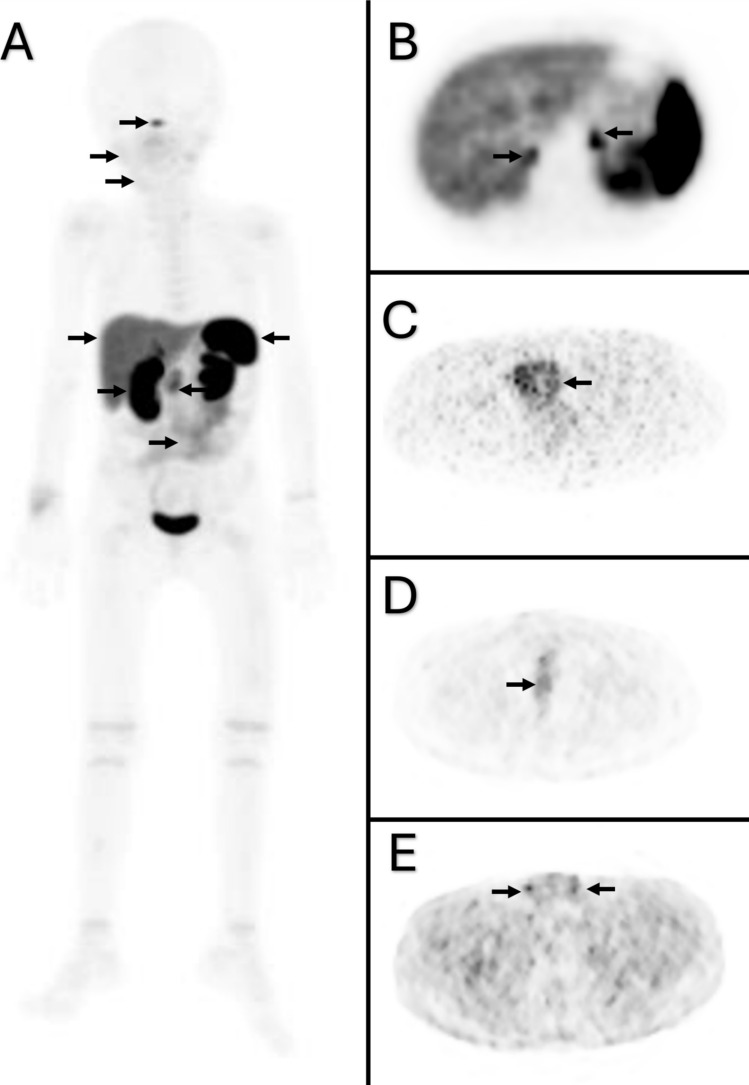 Figure 1
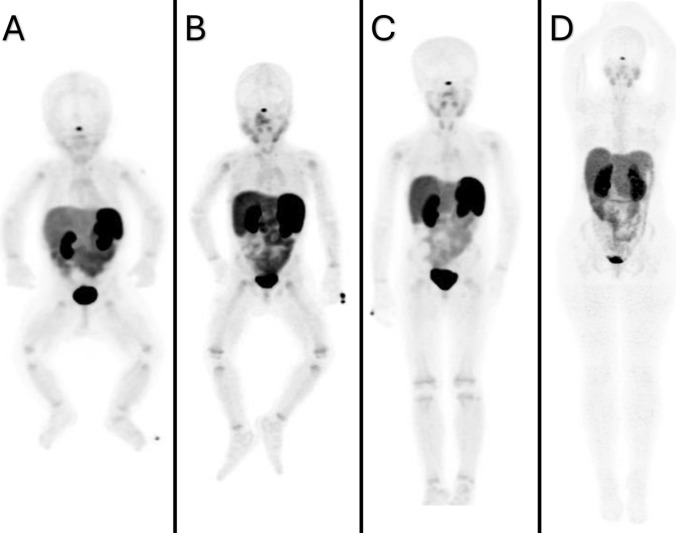 Figure 2
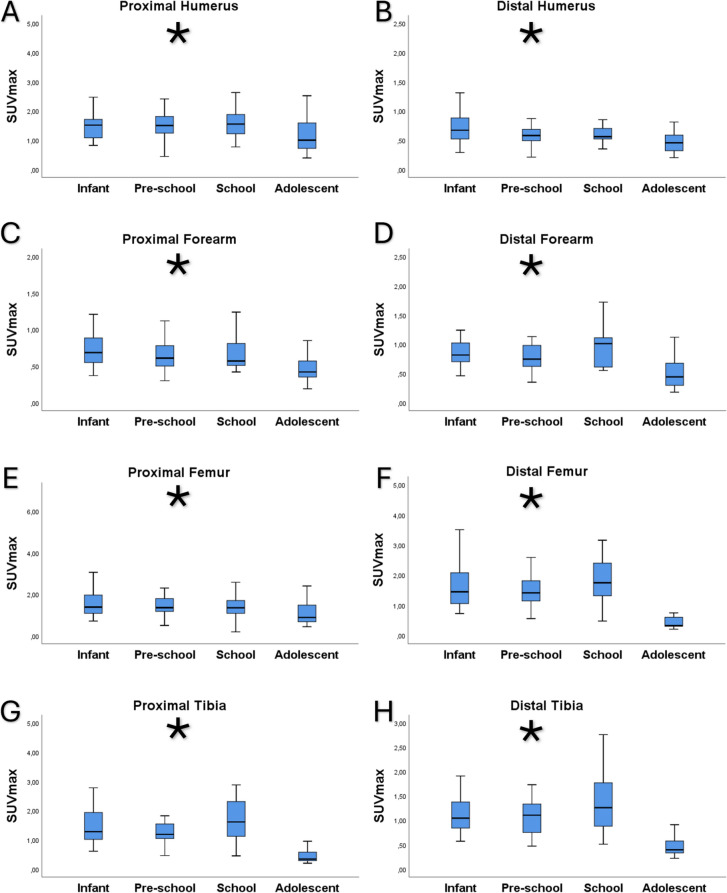 Figure 3
Peer Reviews
No public reviews on file for this paper yet. If you reviewed it on a platform where reviews are public (OpenReview, ICLR, NeurIPS, ICML), you can paste yours below so the community can read it here.
Videos
No videos yet. Explain this paper in a talk, walkthrough, or lecture? Add one.
Taxonomy
TopicsNeuroendocrine Tumor Research Advances · Neuroblastoma Research and Treatments · Lung Cancer Research Studies