Comparing endovascular techniques for left subclavian artery revascularization during zone 2 thoracic endovascular aortic repair for type B acute aortic syndromes: a retrospective cohort study
Zizhong Zhang, Guangkun Sun, Jiacheng Ye, Bin Liu, Yongzheng Wang, Yuliang Li, Haiyang Chang

TL;DR
This study compares three endovascular techniques for treating aortic issues and finds they are similarly effective but require monitoring for long-term risks.
Contribution
The study provides a comparative analysis of three endovascular techniques for left subclavian artery revascularization during zone 2 TEVAR in acute aortic syndromes.
Findings
All three techniques showed high technical success rates and similar perioperative complication rates.
No significant differences were observed in mortality, aortic remodeling, or reintervention rates among the groups.
LSA occlusion occurred in all groups, highlighting the need for long-term monitoring.
Abstract
Castor-branched stent-graft, chimney stent, and fenestration techniques have been employed for left subclavian artery (LSA) revascularization during zone 2 thoracic endovascular aortic repair (TEVAR), but not recommended routinely. This study aimed to compare the safety and efficacy of these techniques. From February 2017 to June 2020, 133 patients with type B acute aortic syndromes undergoing LSA revascularization during zone 2 TEVAR were retrospectively enrolled. The primary outcomes include technical success, mortality, stroke and spinal cord ischemia. The secondary outcomes include aortic remodeling, LSA patency, freedom from aorta-related reintervention. Fifty patients were treated with the Castor-branched stent-graft (Group A), 42 with the chimney technique (Group B), and 41 with the fenestration technique (Group C). The groups demonstrated a similar technical success rate, with…
Genes, proteins, chemicals, diseases, species, mutations and cell lines named across the full text — each resolved to its canonical identifier and authoritative record.
Click any figure to enlarge with its caption.
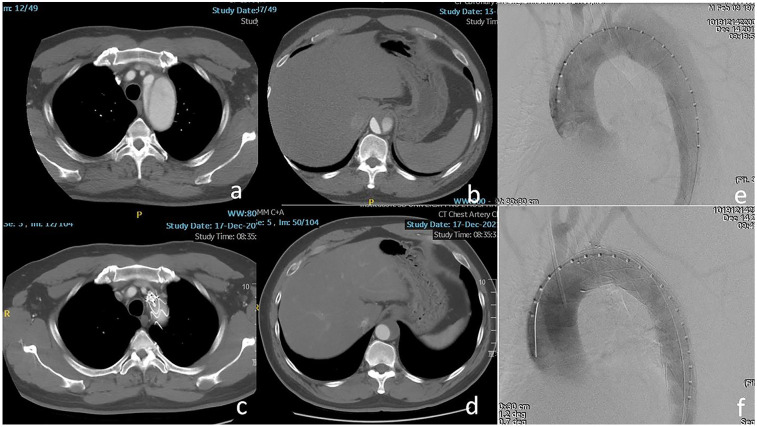 Figure 1
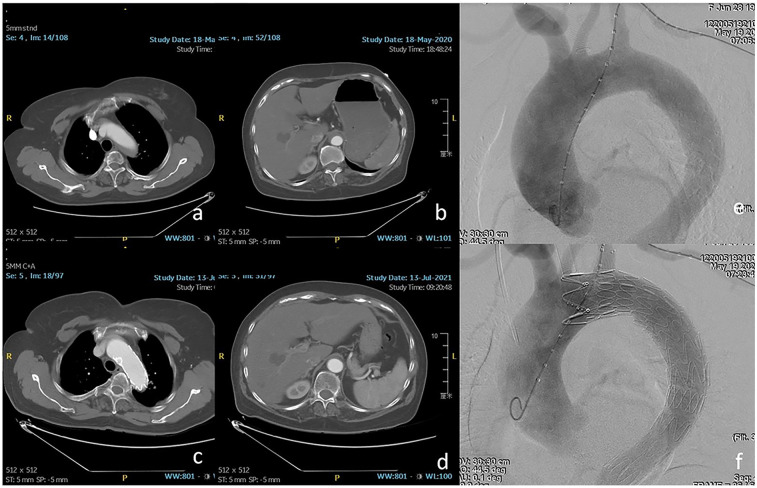 Figure 2
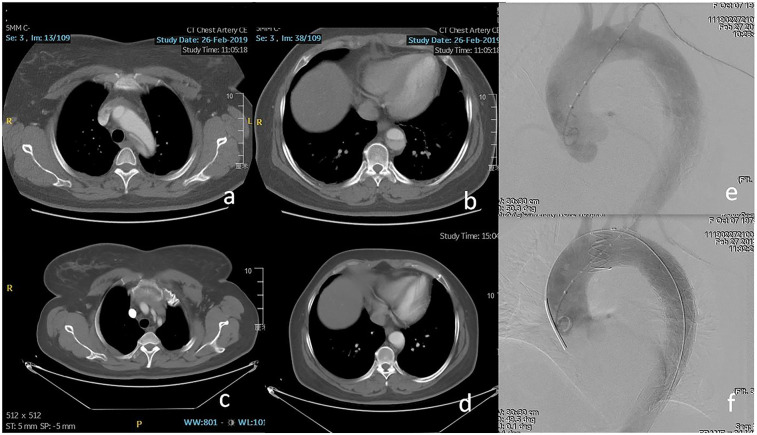 Figure 3
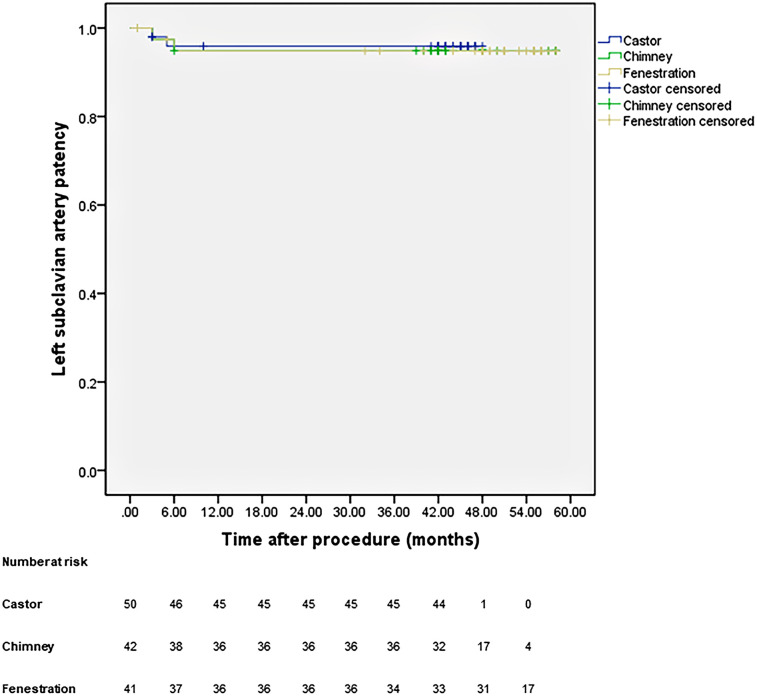 Figure 4
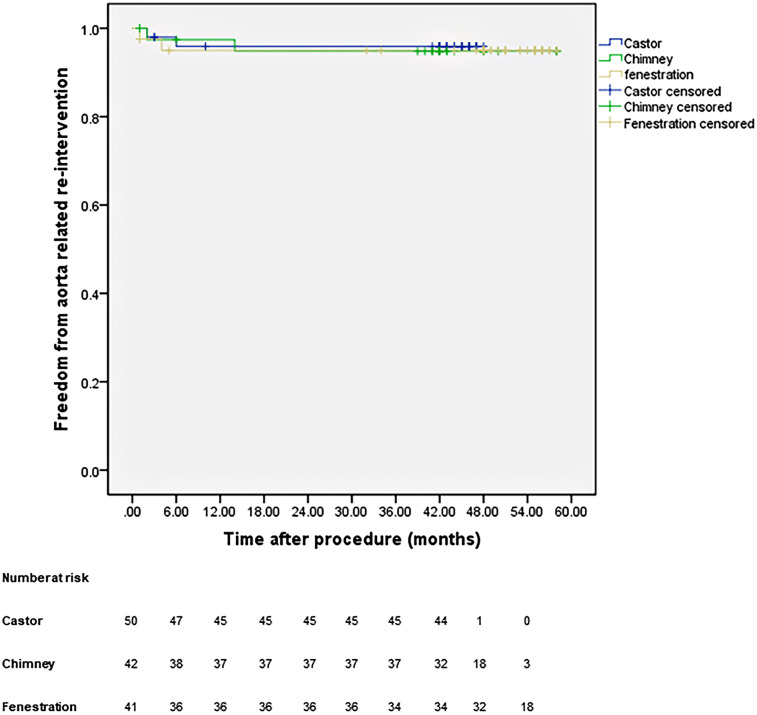 Figure 5
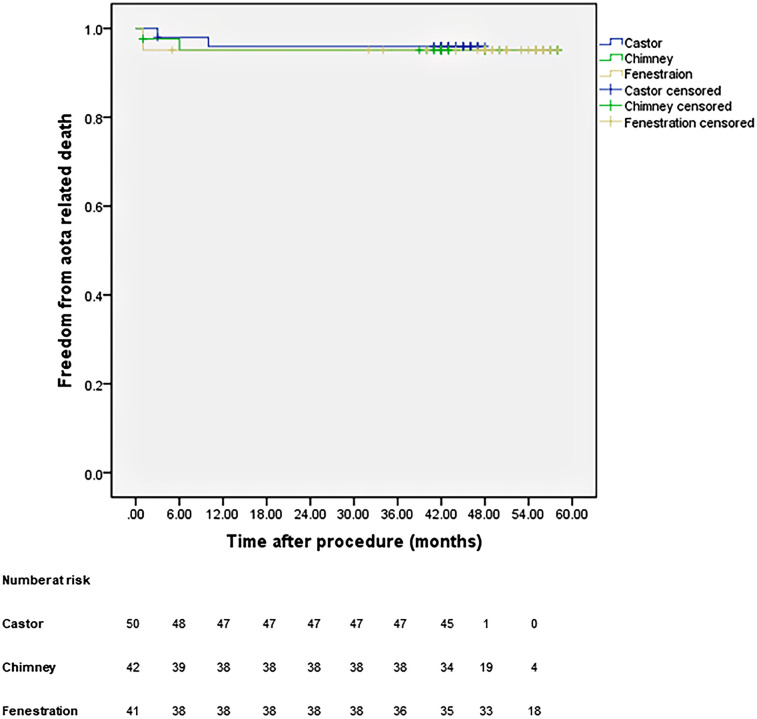 Figure 6
Peer Reviews
No public reviews on file for this paper yet. If you reviewed it on a platform where reviews are public (OpenReview, ICLR, NeurIPS, ICML), you can paste yours below so the community can read it here.
Videos
No videos yet. Explain this paper in a talk, walkthrough, or lecture? Add one.
Taxonomy
TopicsAortic Disease and Treatment Approaches · Aortic aneurysm repair treatments · Infectious Aortic and Vascular Conditions