Validating a T1-weighted cine MRI for a 1.5T MR-Linac with temporal resolution appropriate for respiratory motion
Nathan Shaffer, Alex Dresner, Qi Ying, Eveline Alberts, Marijn Kruiskamp, Joseph Caster, Daniel Hyer, Jeffrey Snyder, Joel St-Aubin

TL;DR
This paper validates a T1-weighted cine MRI sequence for the 1.5T MR-Linac system, showing it can effectively track tumor motion with high accuracy and better image quality than the current method.
Contribution
The study introduces and validates a T1-weighted cine MRI sequence as a superior alternative to the balanced contrast sequence for motion monitoring in MR-Linac systems.
Findings
The T1-weighted sequence maintained consistent CNR, SNR, and T1-weighting while capturing motion within 1 mm at 4 fps.
In-vivo analysis showed a 99.3% tracking success rate with the T1-weighted sequence, significantly higher than the 83.3% with the bTFE sequence.
The T1-weighted sequence provided better CNR for liver tumors compared to the bTFE sequence.
Abstract
High temporal resolution cine magnetic resonance imaging (MRI) for the 1.5T Elekta Unity MR-Linac system currently relies on a balanced contrast sequence for motion monitoring (MM) and tumor tracking. Despite its high signal-to-noise ratio (SNR), a balanced contrast sequence does not always provide the ideal contrast for tumor imaging in all situations. Thus, the investigation of other contrast high temporal resolution cine MRI sequences is needed. Experiments were conducted to validate the T1-weighting and SNR on a cine MRI sequence with a frame rate of 4 frames-per-second (fps) and sufficient image quality. A ModusQA Quasar MRI4D motion phantom and Alzheimer’s Disease Neuroimaging Initiative (ADNI) phantom were used to confirm adequate motion tracking, contrast-to-noise ratio (CNR), SNR, and T1 weighting of the new cine MRI sequence. Target tracking success using Elekta’s…
Genes, proteins, chemicals, diseases, species, mutations and cell lines named across the full text — each resolved to its canonical identifier and authoritative record.
Click any figure to enlarge with its caption.
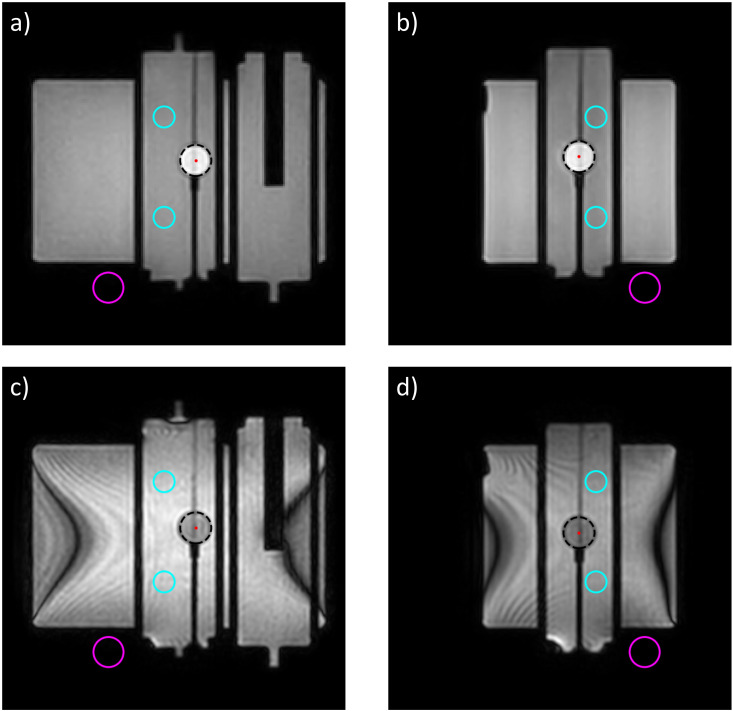 Figure 1
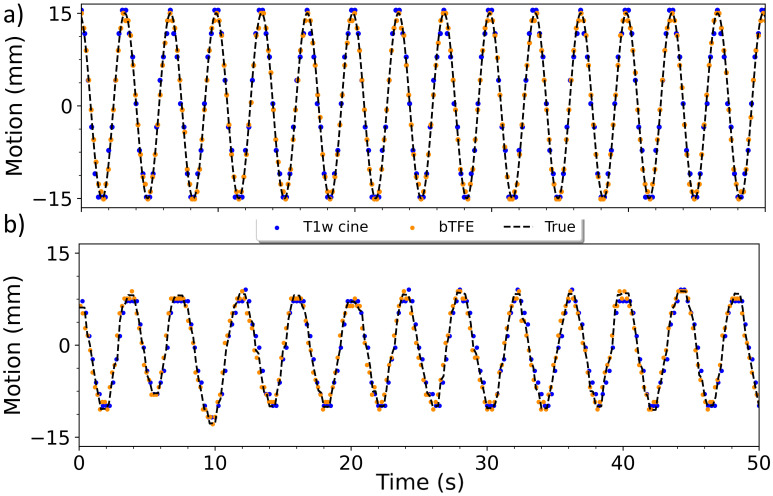 Figure 2
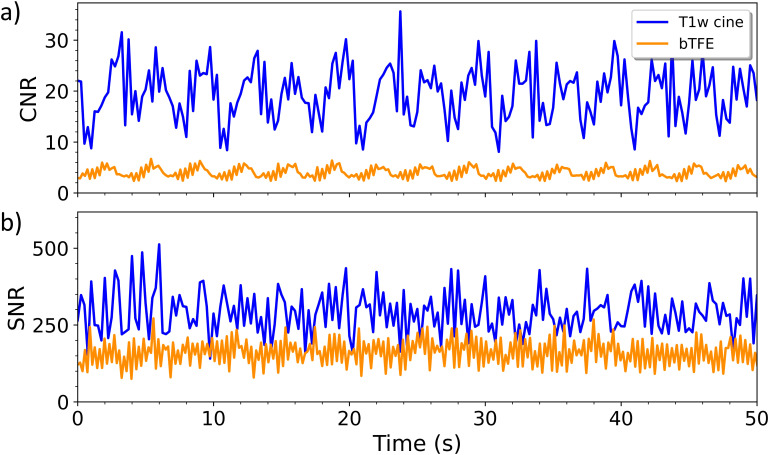 Figure 3
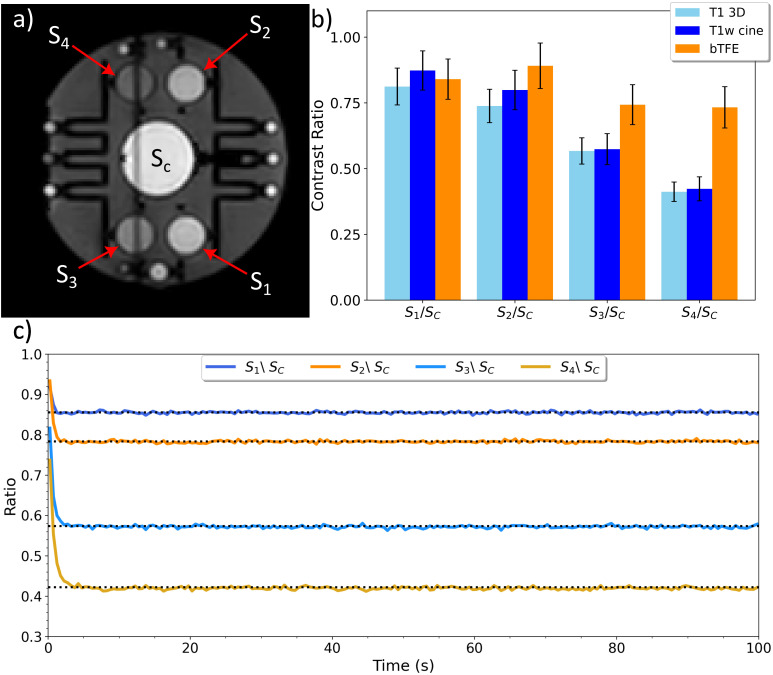 Figure 4
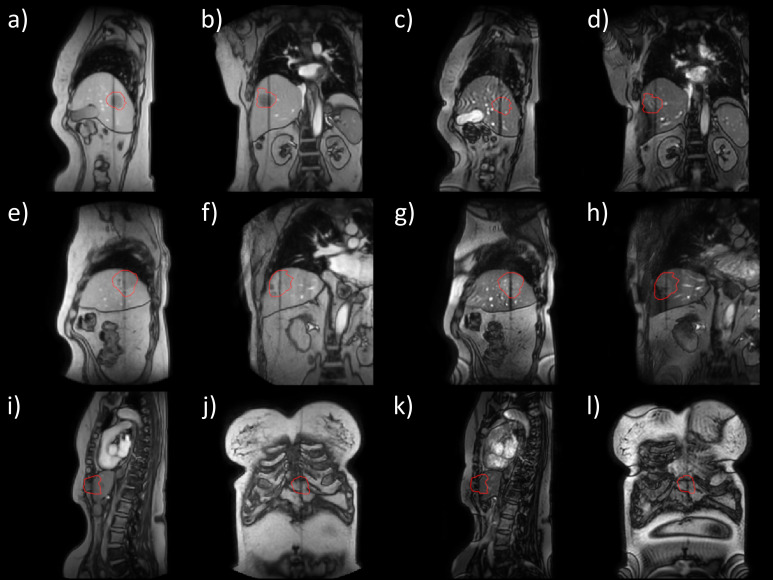 Figure 5
Peer Reviews
No public reviews on file for this paper yet. If you reviewed it on a platform where reviews are public (OpenReview, ICLR, NeurIPS, ICML), you can paste yours below so the community can read it here.
Videos
No videos yet. Explain this paper in a talk, walkthrough, or lecture? Add one.
Taxonomy
TopicsAdvanced Radiotherapy Techniques · Medical Imaging Techniques and Applications · Advanced MRI Techniques and Applications