Triple sheath neuroendoscopic combination technique for managing complete intraventricular hemorrhage casting in patients with cerebral hemorrhage
Zohaib Shafiq, Long Zhou, Xi Jiang, Zhiyang Li, Ping Song, Silei Zhang, Qiang Cai

TL;DR
A new neuroendoscopic technique called TSNCT was tested for removing complete intraventricular hemorrhage in patients with cerebral hemorrhage, showing better results than standard methods.
Contribution
The triple sheath neuroendoscopic combination technique (TSNCT) is introduced as a novel method for managing complete intraventricular hemorrhage.
Findings
TSNCT achieved a mean hematoma clearance rate of 93.5%, higher than standard endoscopic removal (91.7%) and EVD (27.2%).
TSNCT resulted in greater neurological improvement with a mean GCS increase of 7 points compared to 3 points for standard endoscopic removal and no improvement for EVD.
TSNCT showed fewer complications and potential for improved outcomes in severe hemorrhage cases involving all ventricular chambers.
Abstract
To evaluate the efficacy of the triple sheath neuroendoscopic combination technique (TSNCT) compared to standard endoscopic hematoma removal and external ventricular drainage (EVD) for managing complete intraventricular hemorrhage (IVH) casting in patients with cerebral hemorrhage. A retrospective analysis was conducted on five patients with complete IVH casting treated at our institution between 2023 and 2024, including two treated with TSNCT, two with standard endoscopic hematoma removal, and one with EVD. Preoperative and postoperative imaging, intraoperative neuroendoscopic video, and clinical data were reviewed. The TSNCT involves an outer sheath for ventricular access, a middle sheath for maneuverability, and a mini sheath designed to navigate the midbrain aqueduct. TSNCT enabled near-complete evacuation of hematomas, including in the midbrain aqueduct, achieving a mean hematoma…
Genes, proteins, chemicals, diseases, species, mutations and cell lines named across the full text — each resolved to its canonical identifier and authoritative record.
Click any figure to enlarge with its caption.
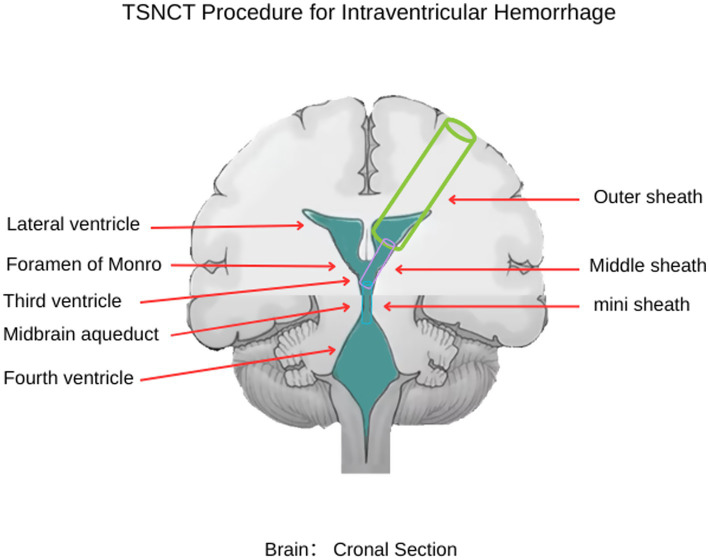 Figure 1
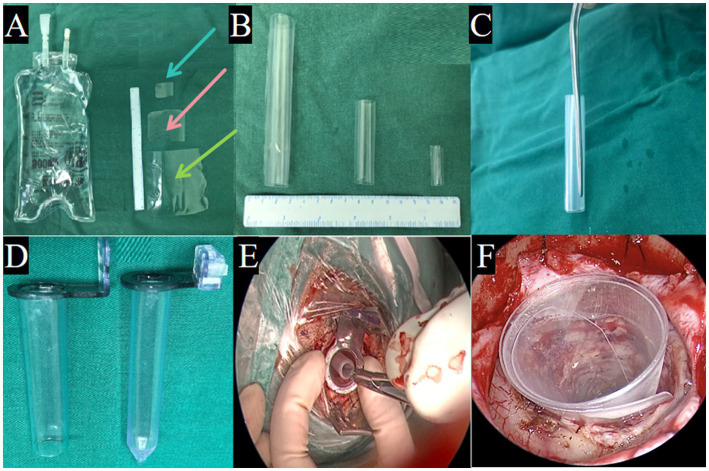 Figure 2
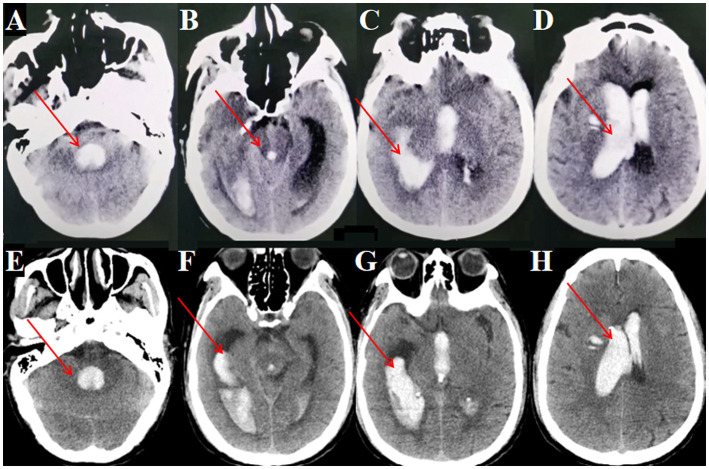 Figure 3
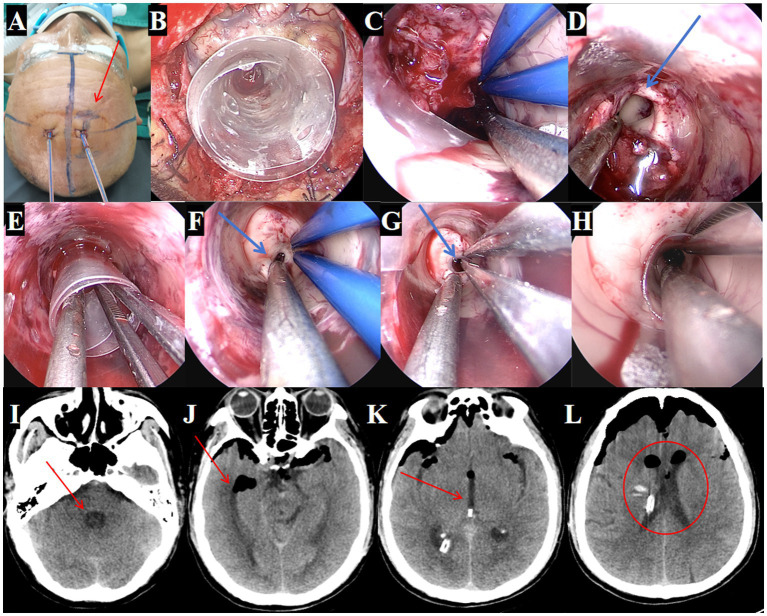 Figure 4
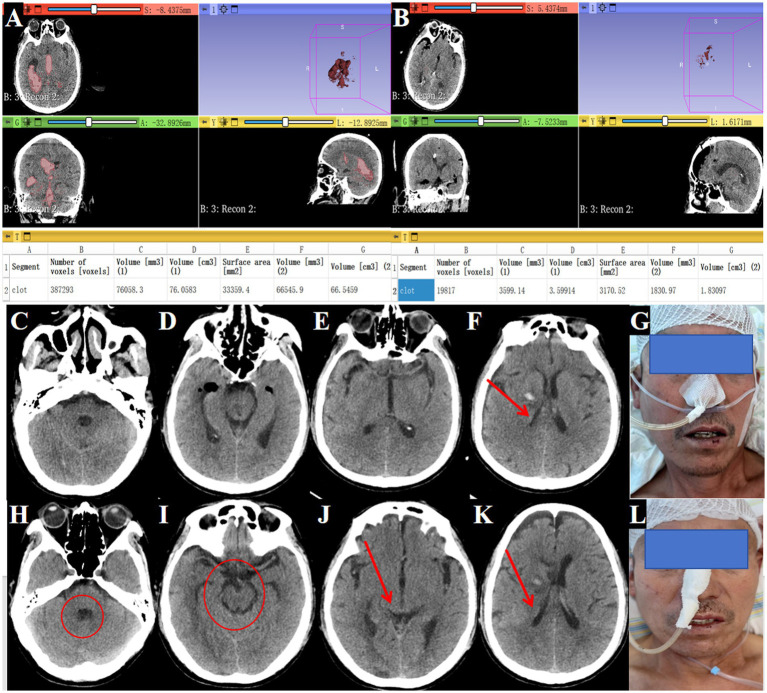 Figure 5
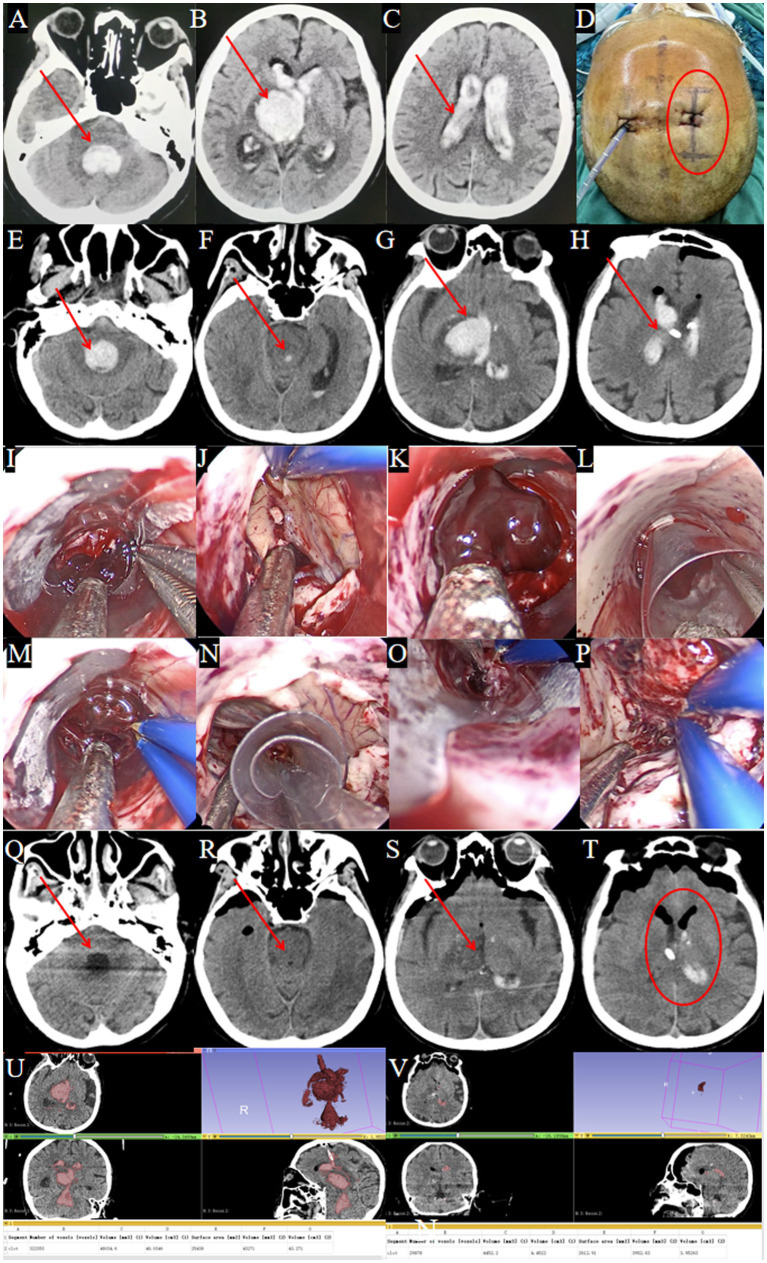 Figure 6
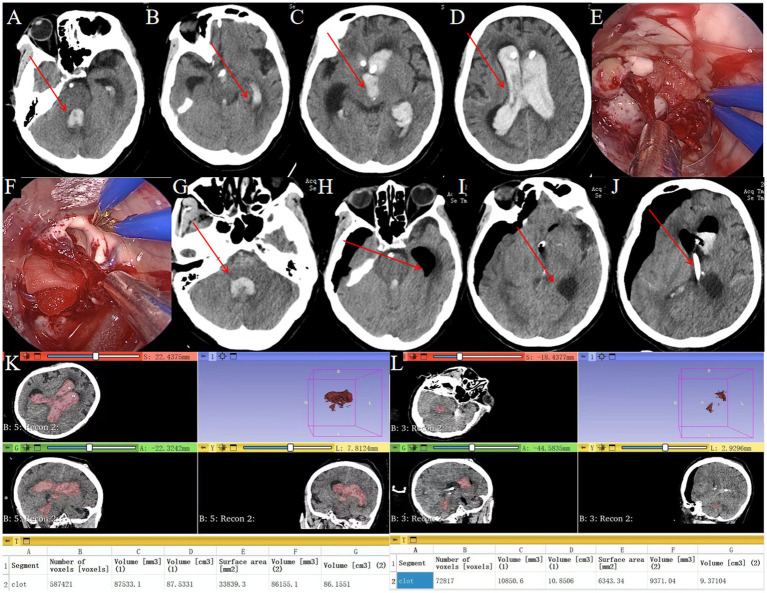 Figure 7
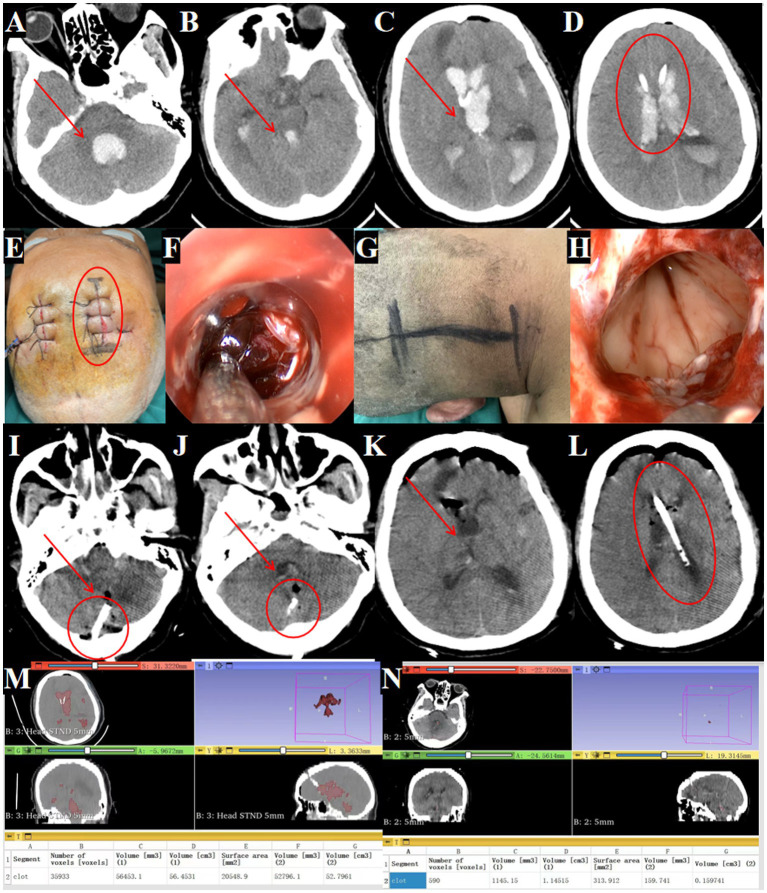 Figure 8
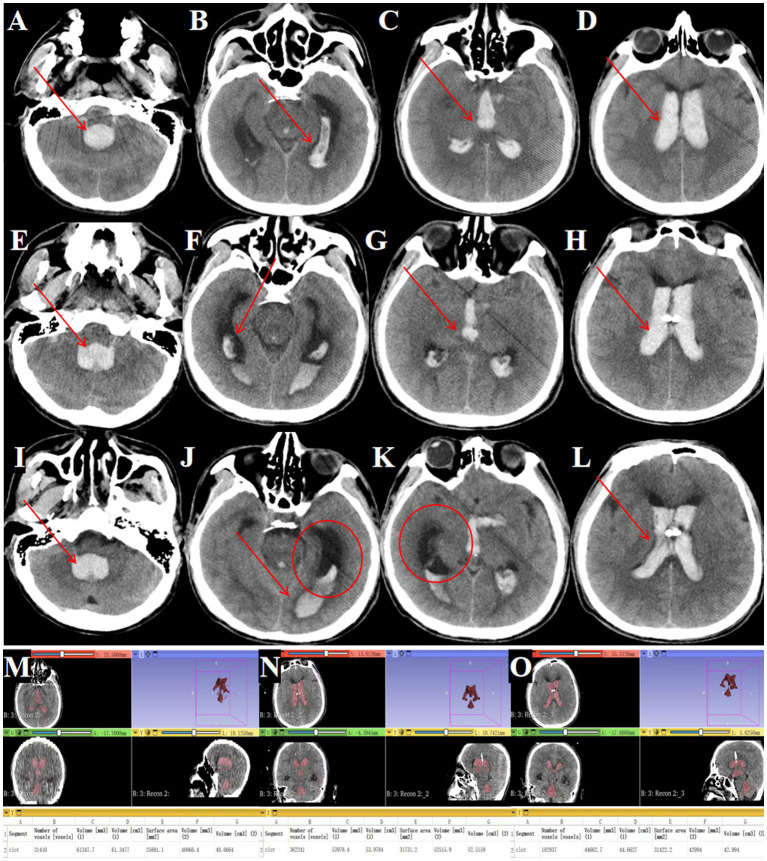 Figure 9
Peer Reviews
No public reviews on file for this paper yet. If you reviewed it on a platform where reviews are public (OpenReview, ICLR, NeurIPS, ICML), you can paste yours below so the community can read it here.
Videos
No videos yet. Explain this paper in a talk, walkthrough, or lecture? Add one.
Taxonomy
TopicsIntracerebral and Subarachnoid Hemorrhage Research · Cerebrospinal fluid and hydrocephalus · Neurosurgical Procedures and Complications