Assessment of hypothalamic-pituitary-adrenal axis impairment and effects of hydrocortisone treatment in adults with Prader-Willi syndrome
Magdalena Góralska, Agata Pokrzywa, Agnieszka Stańczyk, Maria Libura, Tomasz Bednarczuk

TL;DR
This study finds that nearly half of adults with Prader-Willi syndrome have impaired adrenal function, and hydrocortisone treatment can alleviate symptoms like fatigue and muscle weakness.
Contribution
The study is the first to systematically assess HPA axis impairment in adults with PWS and evaluate the effects of hydrocortisone treatment in this population.
Findings
46.7% of adult PWS patients showed hypothalamic-pituitary-adrenal axis impairment based on cortisol levels.
Hydrocortisone treatment significantly improved symptoms like fatigue, myalgia, and muscle weakness after 12 months.
No adverse effects of hydrocortisone were observed, including no weight gain or metabolic issues.
Abstract
The prevalence of hypothalamic-pituitary-adrenal impairment (HPAI) in adults with Prader Willi Syndrome (PWS) remains unclear despite its clinical relevance. The aim of our study was to assess the prevalence of HPA axis impairment in adults with PWS based on the results of the high dose short synacthen test (HDSST), as well as to analyze the effects of hydrocortisone (HCT) therapy in this population. Retrospective analysis. Thirty adult patients (14 men, 16 women, aged 18–28 years) with genetically confirmed PWS. Twenty-two patients (73.3%) had been adequately treated with human recombinant growth hormone (rhGH). Due to hypogonadotropic hypogonadism, all patients received hormone replacement therapy Physical examination included measuring height, weight and body fat percentage (using the electrical bioimpedance method). Based on HDSST results, patients were divided into two groups:…
Genes, proteins, chemicals, diseases, species, mutations and cell lines named across the full text — each resolved to its canonical identifier and authoritative record.
Click any figure to enlarge with its caption.
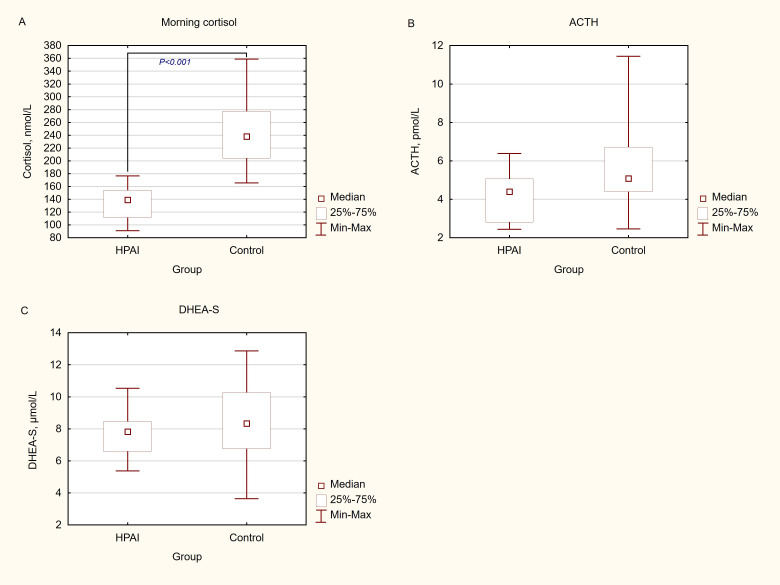 Figure 1
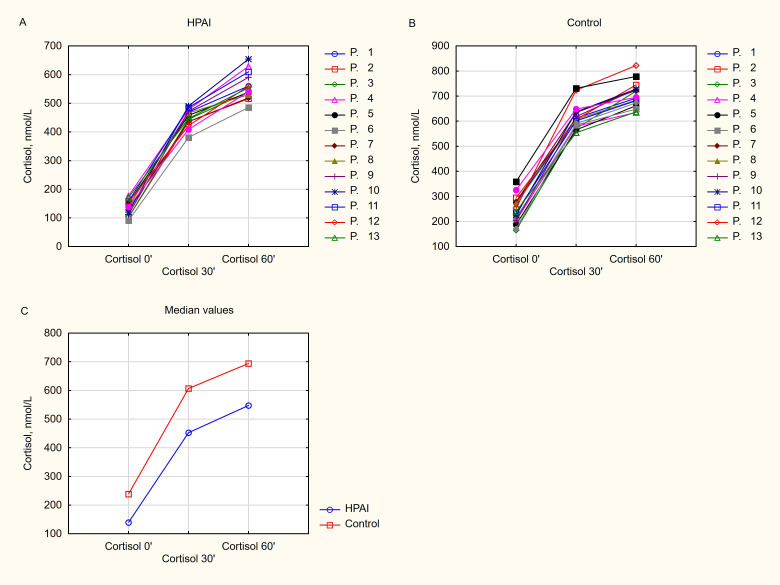 Figure 2
Peer Reviews
No public reviews on file for this paper yet. If you reviewed it on a platform where reviews are public (OpenReview, ICLR, NeurIPS, ICML), you can paste yours below so the community can read it here.
Videos
No videos yet. Explain this paper in a talk, walkthrough, or lecture? Add one.
Taxonomy
TopicsGenetic Syndromes and Imprinting · Genetics and Neurodevelopmental Disorders · Prenatal Screening and Diagnostics