Protocol for using MYOD1-transduced human urine-derived cells as a predictive platform for exon skipping therapy in Duchenne muscular dystrophy
Katsuhiko Kunitake, Takami Ishizuka, Eri Takeshita, Hirofumi Komaki, Yoshitsugu Aoki

TL;DR
This paper introduces a protocol using patient-derived urine cells to test exon skipping therapies for Duchenne muscular dystrophy, improving drug screening predictability.
Contribution
A novel platform using MYOD1-transduced urine-derived cells for evaluating exon skipping therapy in Duchenne muscular dystrophy.
Findings
MYOD1-transduced urine-derived cells can be used to assess exon skipping efficacy in DMD.
CD90-positive cells show high myogenic potency and are suitable for drug screening.
The platform improves predictability for antisense oligonucleotide screening in DMD.
Abstract
Antisense oligonucleotide (ASO)-based exon skipping is a splice-modulating therapy effective for Duchenne muscular dystrophy (DMD) caused by dystrophin deficiency. Here, we present a protocol for evaluating exon skipping efficacy in MYOD1-transduced human urine-derived cells (MYOD1-UDCs) from patients. We describe steps for isolating UDCs, selecting CD90-positive cells, inducing myogenic differentiation, and assessing the restoration of DMD mRNA and proteins after exon skipping. This platform enhances the predictability of ASO screening, promoting early-stage drug discovery and translational research in DMD. For complete details on the use and execution of this protocol, please refer to Komaki et al.1 •Protocol to isolate UDCs from DMD patient-derived urine•Instructions for FACS of CD90-positive UDCs, which possess high myogenic potency•Steps for evaluating ASO efficacy in…
Genes, proteins, chemicals, diseases, species, mutations and cell lines named across the full text — each resolved to its canonical identifier and authoritative record.
Click any figure to enlarge with its caption.
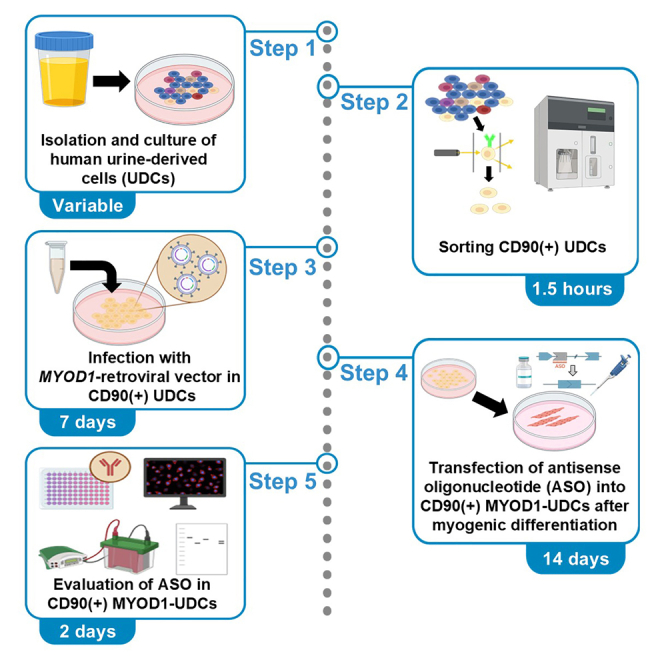 Figure 1
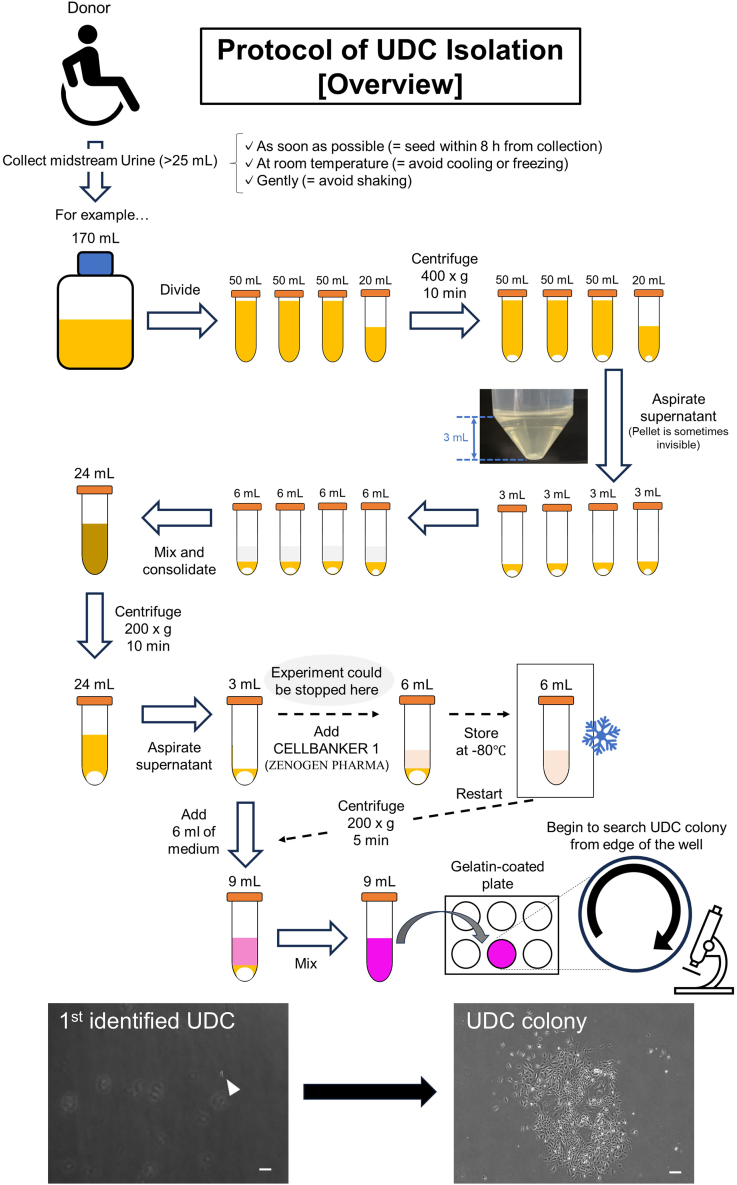 Figure 2
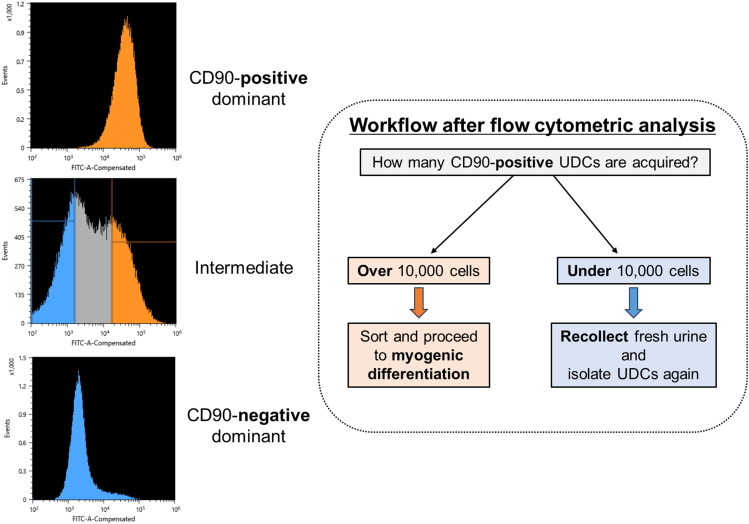 Figure 3
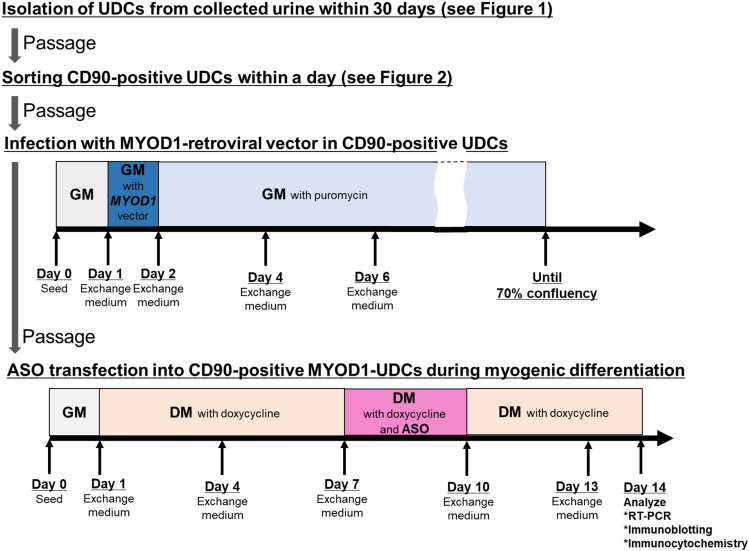 Figure 4
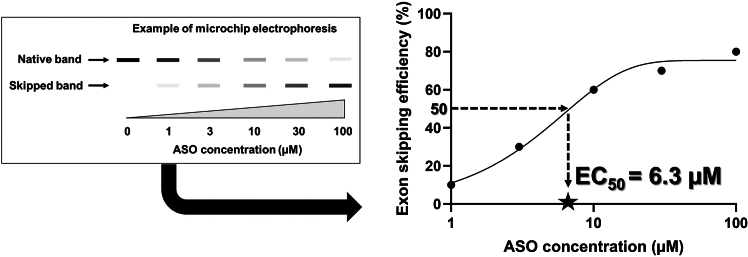 Figure 5
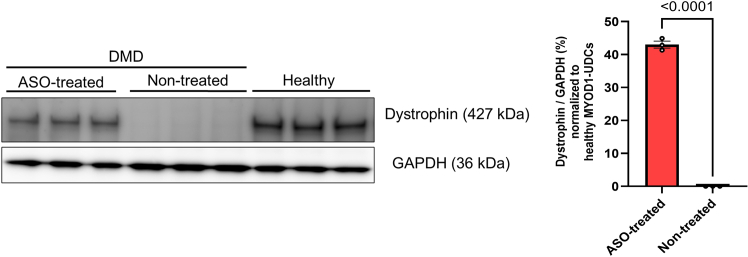 Figure 6
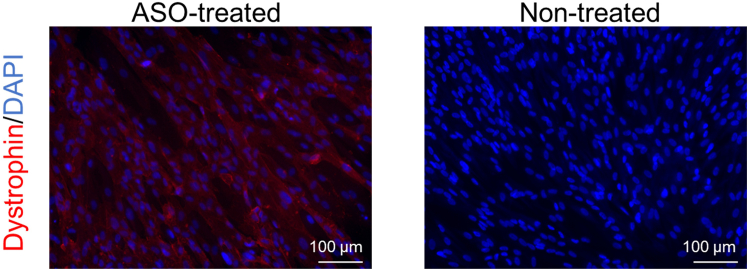 Figure 7
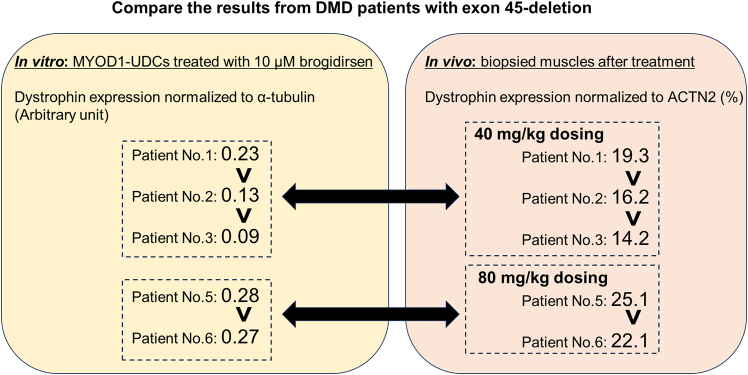 Figure 8
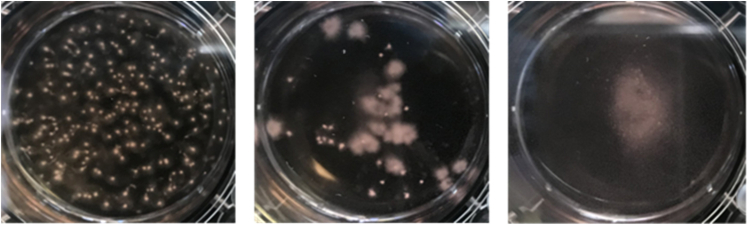 Figure 9
Peer Reviews
No public reviews on file for this paper yet. If you reviewed it on a platform where reviews are public (OpenReview, ICLR, NeurIPS, ICML), you can paste yours below so the community can read it here.
Videos
No videos yet. Explain this paper in a talk, walkthrough, or lecture? Add one.
Taxonomy
TopicsMuscle Physiology and Disorders · Tissue Engineering and Regenerative Medicine · Prosthetics and Rehabilitation Robotics