Innsbruck REM Sleep Behavior Disorder Inventory may distinguish abnormal nocturnal movements related to obstructive sleep apnea
Gülçin Benbir Şenel, Ayşın Kısabay Ak, Ayşegül Şeyma Sarıtaş, Hikmet Yılmaz, Kübra Mehel Metin, Burcu Gökçe Çokal, Kadriye Ağan, Murat Aksu, Utku Oğan Akyıldız, Aylin Bican Demir, Betül Çevik, Ahmet Yusuf Ertürk, Derya Karadeniz, İbrahim Öztura, Gülin Sünter, Selma Tekin

TL;DR
A Turkish version of a sleep disorder inventory can help distinguish abnormal nighttime movements in sleep apnea patients from those with a specific sleep behavior disorder.
Contribution
The study shows the IRBD-9-Turkish can differentiate iRBD from OSA-related abnormal nocturnal behaviors with high accuracy.
Findings
The IRBD-9-Turkish has a sensitivity of 0.765 and specificity of 0.667 for diagnosing abnormal nocturnal behaviors in OSA patients.
Factor I of the IRBD-9-Turkish distinguishes iRBD from OSA-related abnormal behaviors more effectively than Factor II.
Abstract
Rapid eye movement (REM) sleep behavior disorder (RBD) is characterized by recurrent dream enactment behaviors like sleep-related vocalization and/or complex motor behaviors. To investigate the discriminative role of the validated Turkish version of the 9-Item Innsbruck REM Sleep Behavior Disorder Inventory (IRBD-9-Turkish) for idiopathic RBD (iRBD) in patients with obstructive sleep apnea (OSA). The current multicenter study was prospectively conducted in 13 accredited sleep centers in 10 different cities in Türkiye. Clinical data was obtained through a preformed questionnaire, and all participants were submitted to a full-night video-polysomnography (video-PSG) session in a sleep laboratory. A total of 105 patients (mean age: 58.3 ± 11.6 years; 68.6% of male subjects) were prospectively and consecutively enrolled in the study; 51 patients (48.6%) presented iRBD, and 54 (51.4%),…
Genes, proteins, chemicals, diseases, species, mutations and cell lines named across the full text — each resolved to its canonical identifier and authoritative record.
Click any figure to enlarge with its caption.
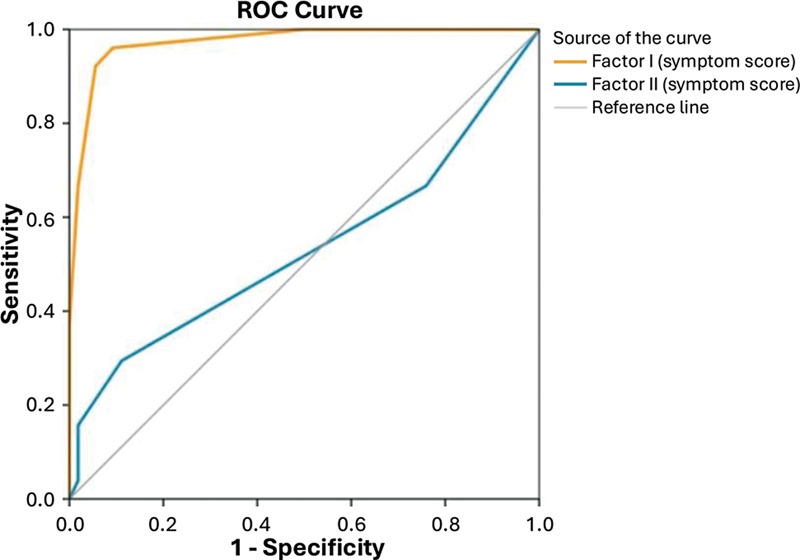 Figure 1
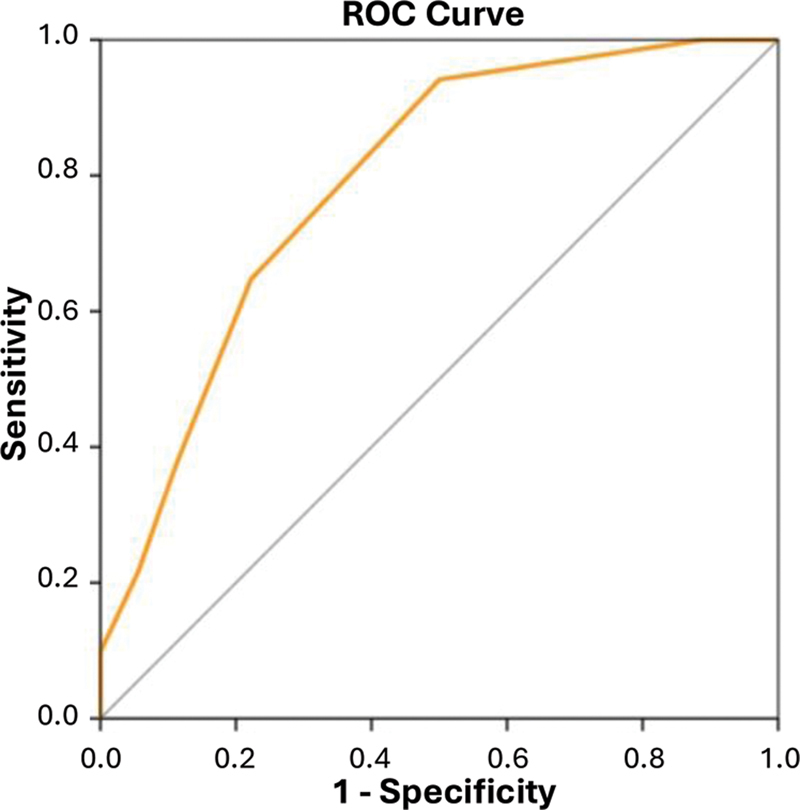 Figure 2
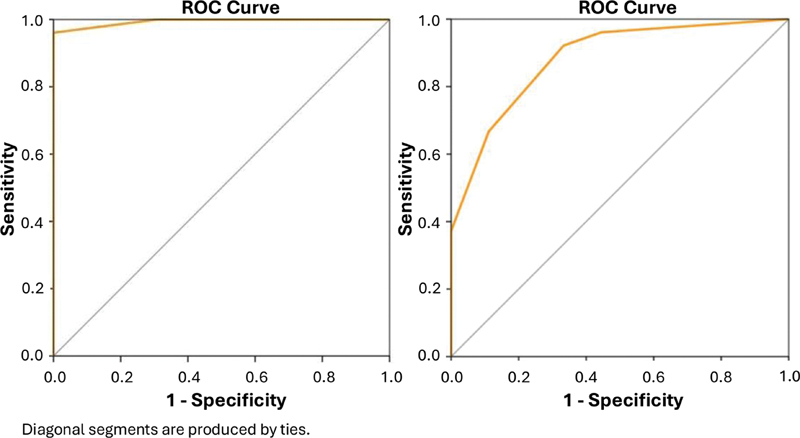 Figure 3
Peer Reviews
No public reviews on file for this paper yet. If you reviewed it on a platform where reviews are public (OpenReview, ICLR, NeurIPS, ICML), you can paste yours below so the community can read it here.
Videos
No videos yet. Explain this paper in a talk, walkthrough, or lecture? Add one.
Taxonomy
TopicsSleep and Wakefulness Research · Sleep and related disorders · Restless Legs Syndrome Research