Unpredictable warm spells in winter increase blood cortisol level but lengthen telomeres in a seasonal rodent Phodopus sungorus
Hanna Kletkiewicz, Krzysztof Kowalski, Jacek Kęsy, Paulina Trzeciak, Anna Nowak, Małgorzata Jefimow, Anna Przybylska-Piech

TL;DR
Unpredictable winter warmth increases stress hormones in a rodent species but surprisingly lengthens telomeres, suggesting a potential to cope with climate change.
Contribution
The study reveals that warm spells in winter elevate cortisol but lengthen telomeres in a seasonal rodent, indicating a novel stress response mechanism.
Findings
Both winter phenotypes of Phodopus sungorus increased cortisol levels during warm spells.
Telomere length increased under warm spells, suggesting a potential to prevent telomere shortening.
Responding individuals showed higher torpor incidence, which may prevent telomere shortening.
Abstract
Global warming and the increased frequency of unpredictable weather events may disrupt the proper timing of seasonal adjustments of a phenotype. This may lead to the deterioration of the animal’s condition and shorten its lifespan. We tested whether warm spells in winter affect the baseline and stress-induced cortisol level and leukocyte relative telomere length in two winter phenotypes of Siberian hamster, Phodopus sungorus, responding and non-responding to short photoperiod. We found that both phenotypes increased cortisol levels in winter and that warm spells augmented this response. Under stable cold conditions, non-responding individuals were more vulnerable to short-term stress than responding ones. However, telomere length increased, suggesting that animals have a high potential to cope with stress and prevent telomere shortening or that these two variables are not directly…
Genes, proteins, chemicals, diseases, species, mutations and cell lines named across the full text — each resolved to its canonical identifier and authoritative record.
Click any figure to enlarge with its caption.
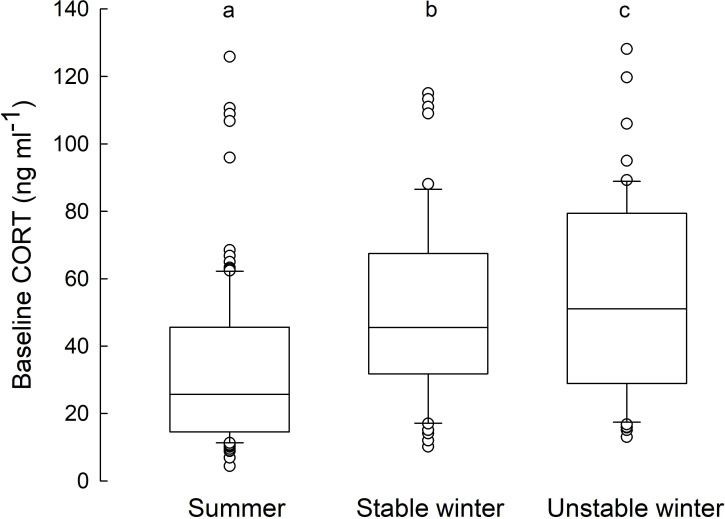 Figure 1
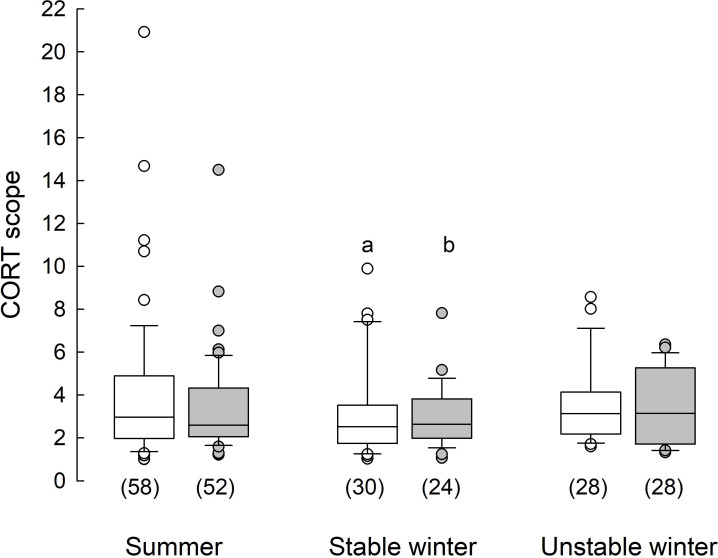 Figure 2
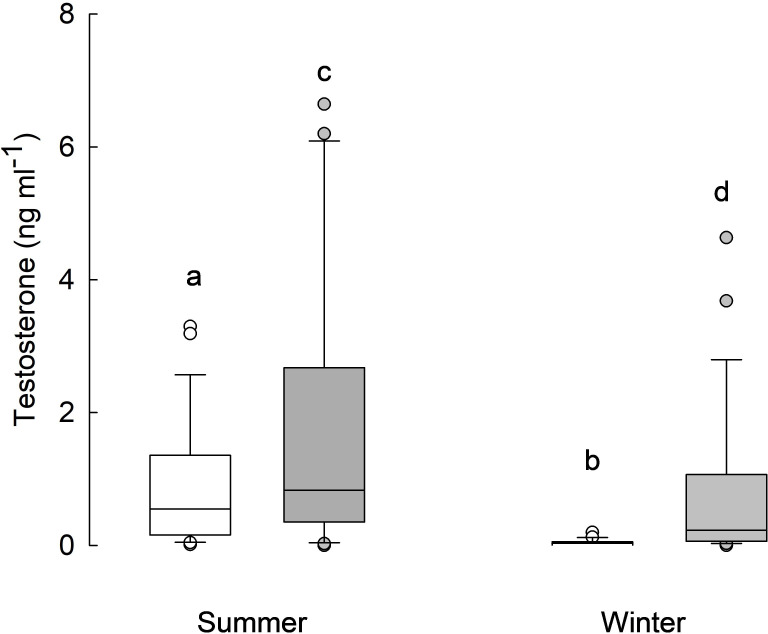 Figure 3
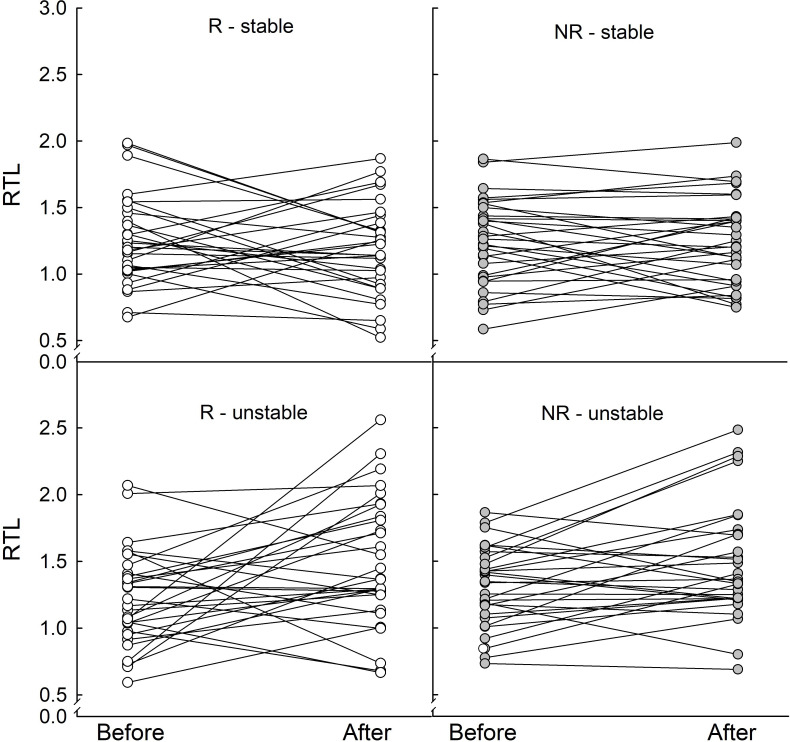 Figure 4
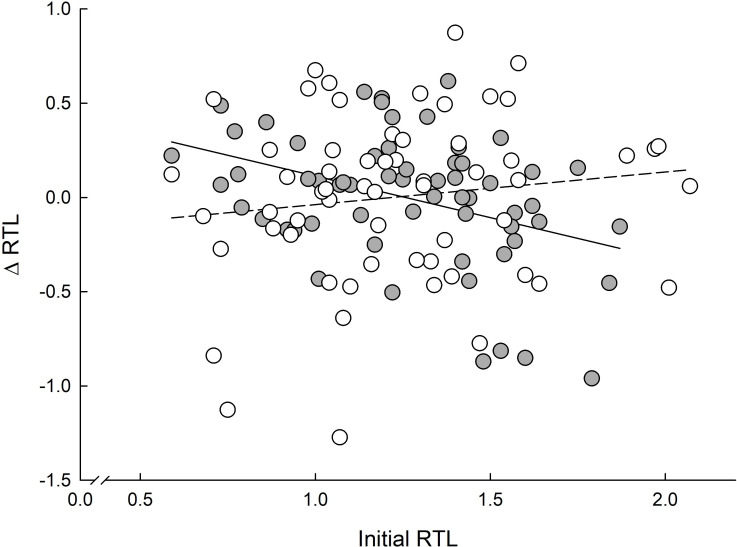 Figure 5
Peer Reviews
No public reviews on file for this paper yet. If you reviewed it on a platform where reviews are public (OpenReview, ICLR, NeurIPS, ICML), you can paste yours below so the community can read it here.
Videos
No videos yet. Explain this paper in a talk, walkthrough, or lecture? Add one.
Taxonomy
TopicsGenetics, Aging, and Longevity in Model Organisms · Bat Biology and Ecology Studies · Circadian rhythm and melatonin