Enterohaemorrhagic Escherichia coli AdhE spirosome length correlates with enzymatic directionality and is perturbed by salicylidene acylhydrazides
Ester Serrano, Tianxiao Zhao, David R. Mark, Mostafa Soroor, Iris Floria, Nicholas J. Terrill, Nikil Kapur, Arwen I. I. Tyler, Mathew H. Horrocks, Andrew J. Roe, Olwyn Byron

TL;DR
This study explores how a compound called ME0054 affects the structure and function of the AdhE enzyme in harmful E. coli, potentially leading to new treatments.
Contribution
The study reveals that ME0054 perturbs AdhE spirosomes and alters enzymatic directionality, offering new insights into anti-virulence therapy.
Findings
AdhE spirosomes form helicoidal filaments that regulate enzymatic reaction direction.
ME0054 binds to and perturbs AdhE spirosomes, enhancing ethanol to acetyl-CoA conversion.
Understanding ME0054's mechanism could aid in developing anti-virulence inhibitors.
Abstract
Enterohaemorrhagic Escherichia coli causes sporadic, and sometimes large-scale, food poisoning outbreaks, for which antibiotic treatment in humans is contraindicated. As an alternative form of therapy, previous studies developed the family of salicylidene acylhydrazide (SA) anti-virulence compounds. One target of the SA compounds is AdhE, an enzyme that converts acetyl-CoA to ethanol and vice versa. AdhE oligomerizes, forming helicoidal filaments, heterogeneous in length, called spirosomes. We show it is possible to only partially fractionate AdhE spirosomes because in vitro they oligomerize in the absence of stimuli, and that spirosome formation is necessary to regulate the direction of AdhE enzymatic reactions. We also show that the SA compound ME0054 binds and perturbs AdhE spirosomes, enhancing the conversion of ethanol to acetyl-CoA. This mechanistic understanding of how ME0054…
Genes, proteins, chemicals, diseases, species, mutations and cell lines named across the full text — each resolved to its canonical identifier and authoritative record.
Click any figure to enlarge with its caption.
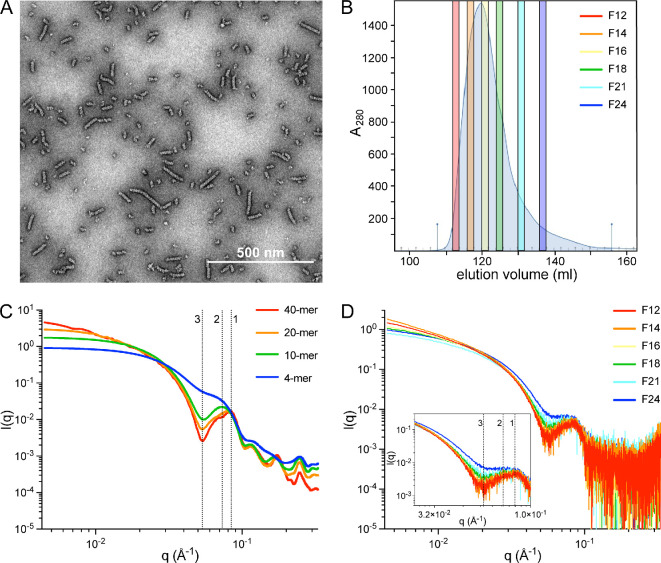 Figure 1
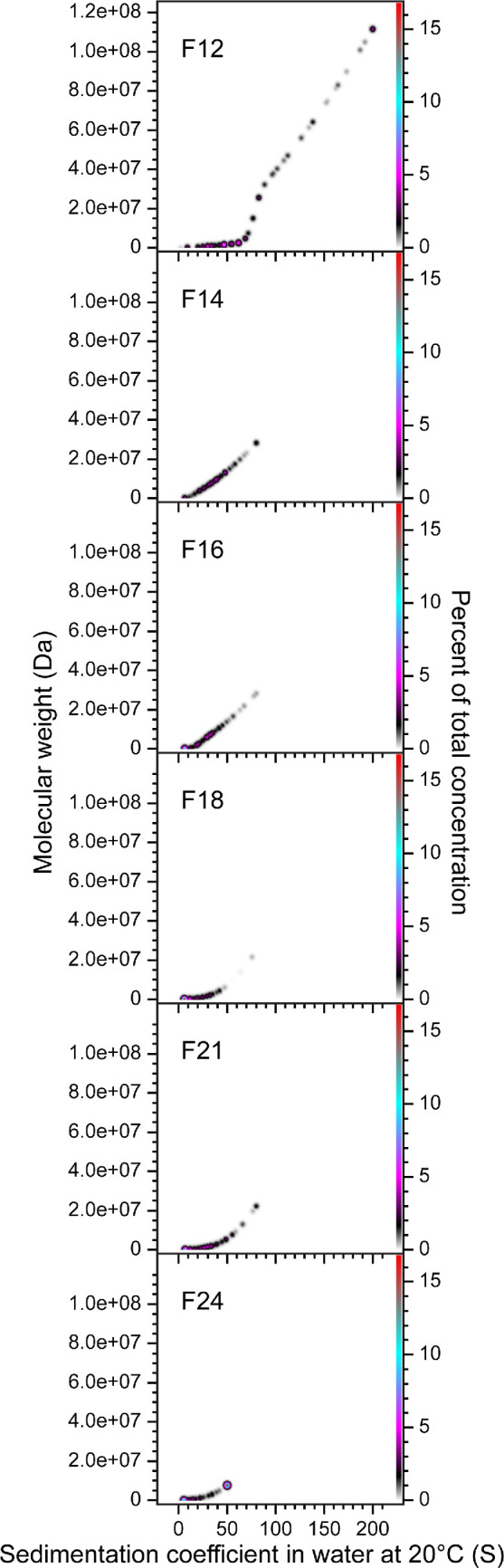 Figure 2
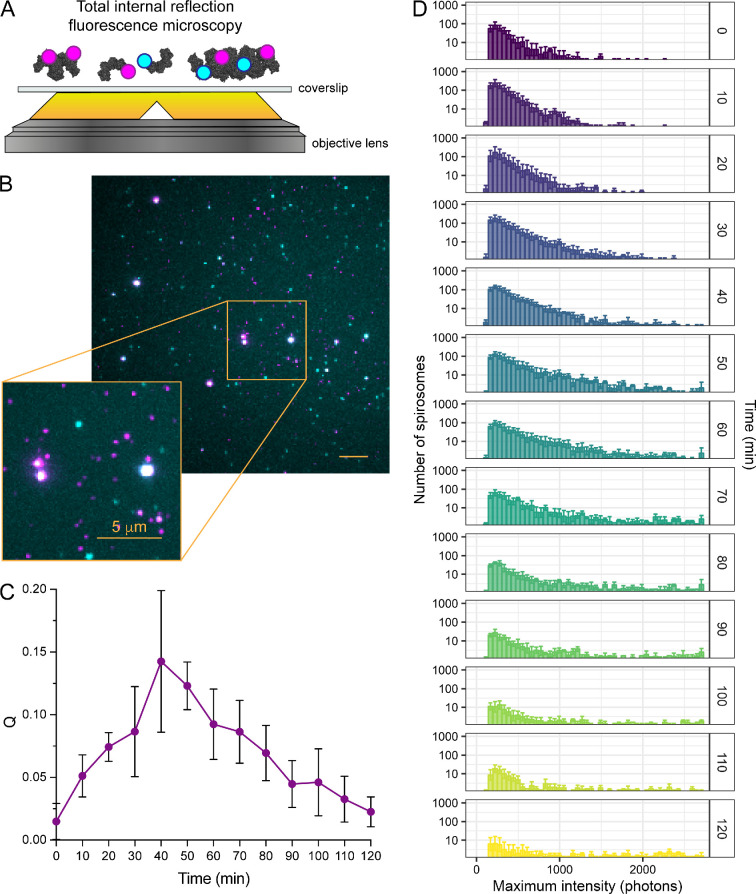 Figure 3
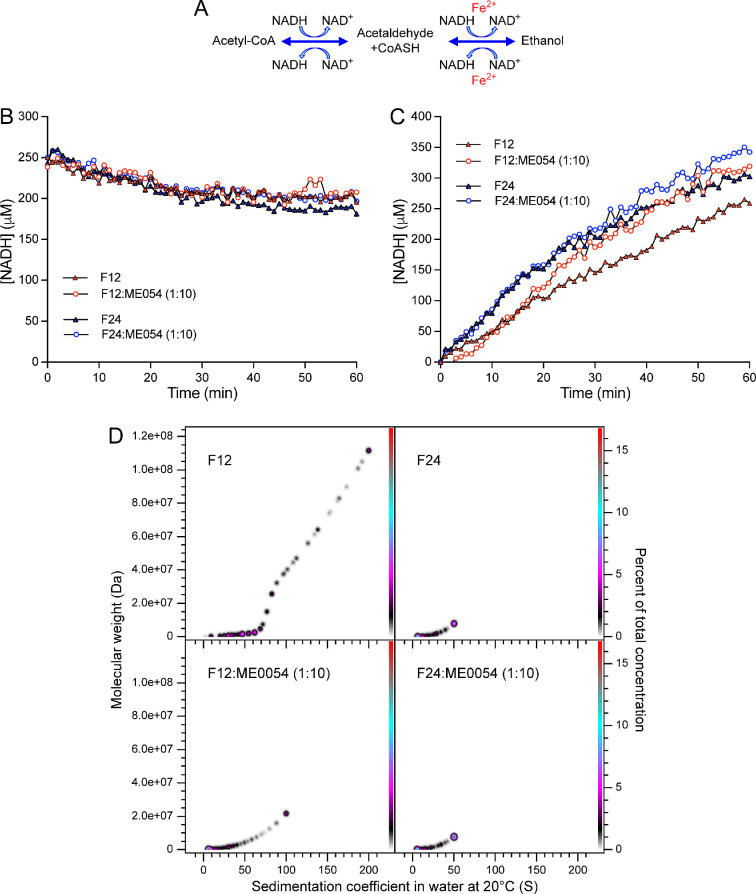 Figure 4
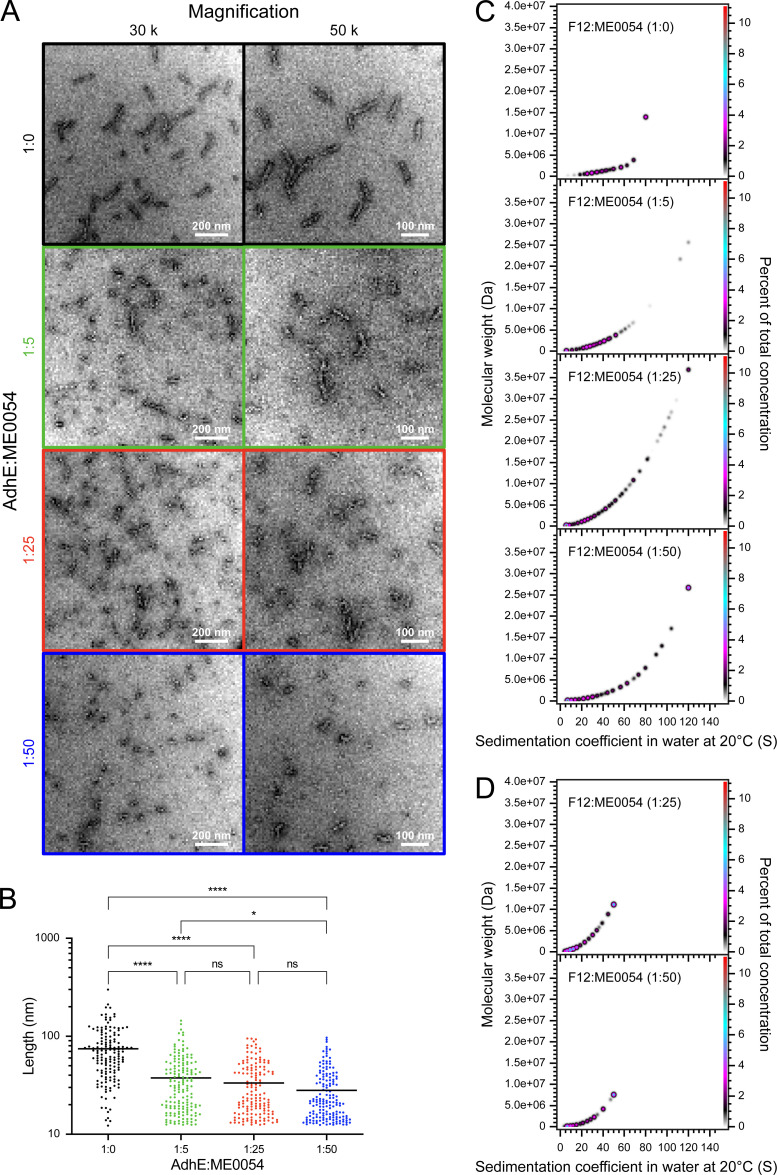 Figure 5
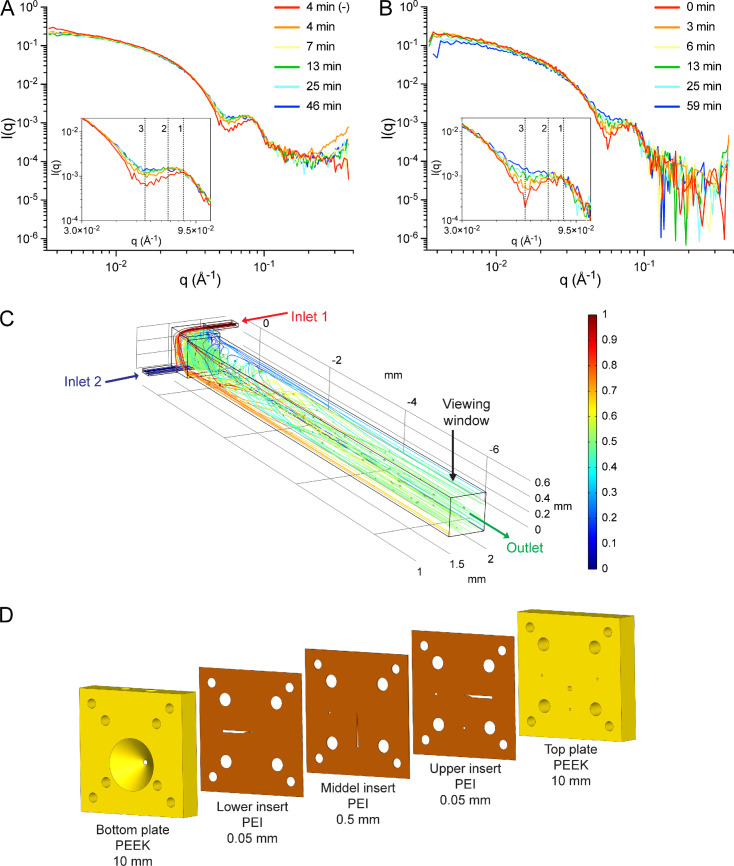 Figure 6
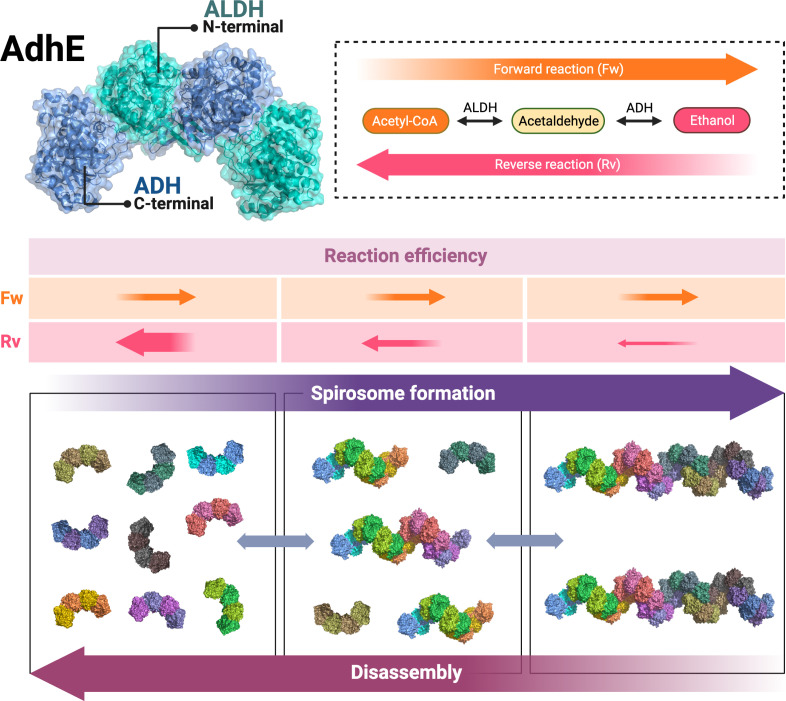 Figure 7
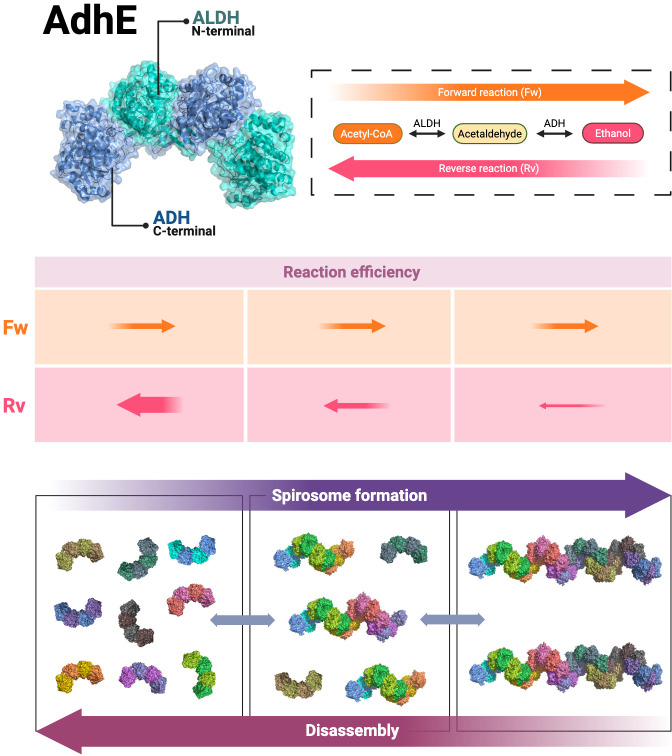 Figure 8
Peer Reviews
No public reviews on file for this paper yet. If you reviewed it on a platform where reviews are public (OpenReview, ICLR, NeurIPS, ICML), you can paste yours below so the community can read it here.
Videos
No videos yet. Explain this paper in a talk, walkthrough, or lecture? Add one.
Taxonomy
TopicsBacteriophages and microbial interactions · Escherichia coli research studies · Antibiotic Resistance in Bacteria