Abies sachalinensis naturally growing at a sedimentary site acquires iron tolerance via detoxicants production, elemental transfer adjustment, and root endophytic Phialocephala bamuru producing siderophores
Toshikatsu Haruma, Hayato Masuya, Keiko Yamaji, Yosuke Yamamoto, Naoto Nishimoto, Takahiko Arima, Shingo Tomiyama

TL;DR
Abies sachalinensis trees tolerate high iron in soil through detoxicants, element regulation, and symbiosis with a root fungus that produces iron-chelating compounds.
Contribution
This study reveals a novel mechanism of iron tolerance in conifers involving root endophytes like Phialocephala bamuru and their siderophore production.
Findings
Abies sachalinensis accumulates iron in fine roots and uses malic acid, catechin, and condensed tannins for detoxification.
The root endophyte Phialocephala bamuru produces high levels of siderophores that help detoxify iron in the tree.
A lower Fe/Mn ratio in leaves suggests regulation of elemental transfer to mitigate iron toxicity.
Abstract
Abies sachalinensis naturally growing in heavy metal-rich sedimentary sites exhibits heavy metal tolerance. Although root endophytes increase heavy metal tolerance in various plants, their effects on the tolerance in conifers are not focused on. The objective of our study was to clarify the heavy metal tolerance, considering root endophytes. We measured the heavy metal concentrations in root-zone soil, leaves, stems, fine roots along with heavy metal detoxicants. We also isolated root endophytes and identified the endophyte with the highest siderophore production activity for chelating heavy metals. Results showed high Fe accumulation in fine roots, where malic acid, catechin, and condensed tannins detoxify Fe. A lower Fe/Mn ratio in leaves than roots suggests that A. sachalinensis could regulate Fe and Mn transfer to mitigate Fe phytotoxicity in leaves. Among the isolated root…
Genes, proteins, chemicals, diseases, species, mutations and cell lines named across the full text — each resolved to its canonical identifier and authoritative record.
Click any figure to enlarge with its caption.
 Figure 1
 Figure 2
 Figure 3
 Figure 4
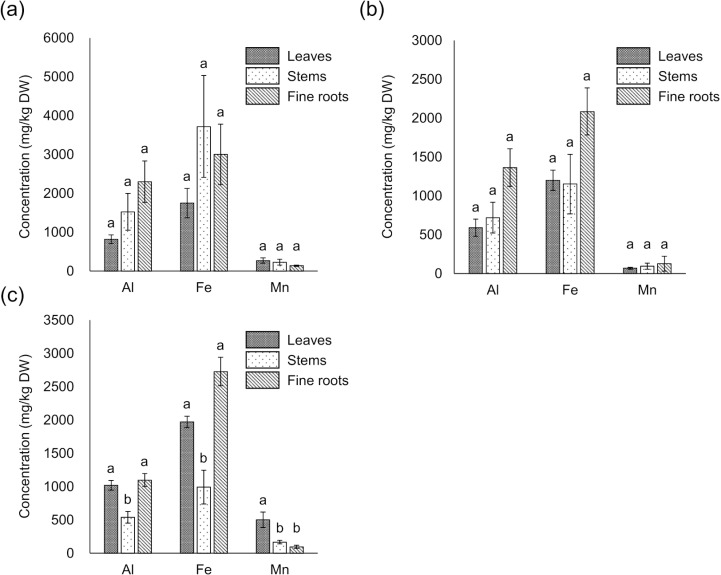 Figure 5
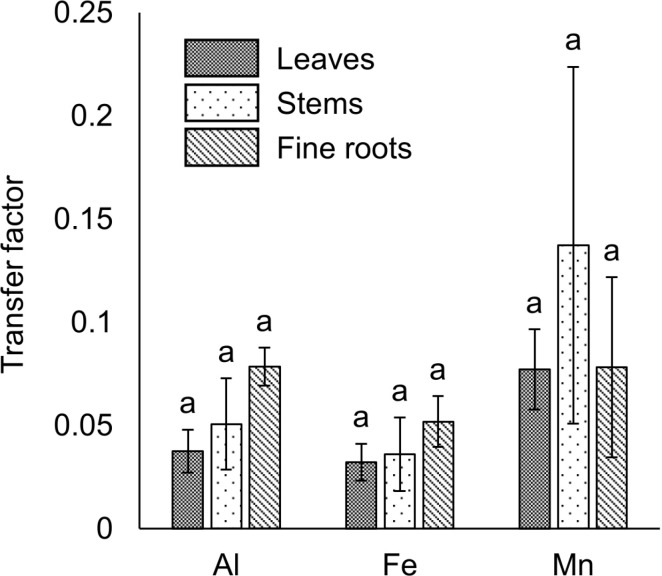 Figure 6
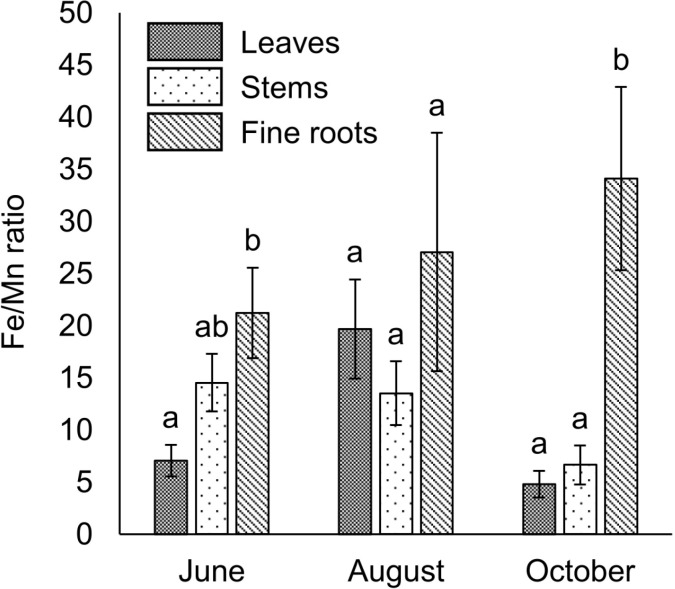 Figure 7
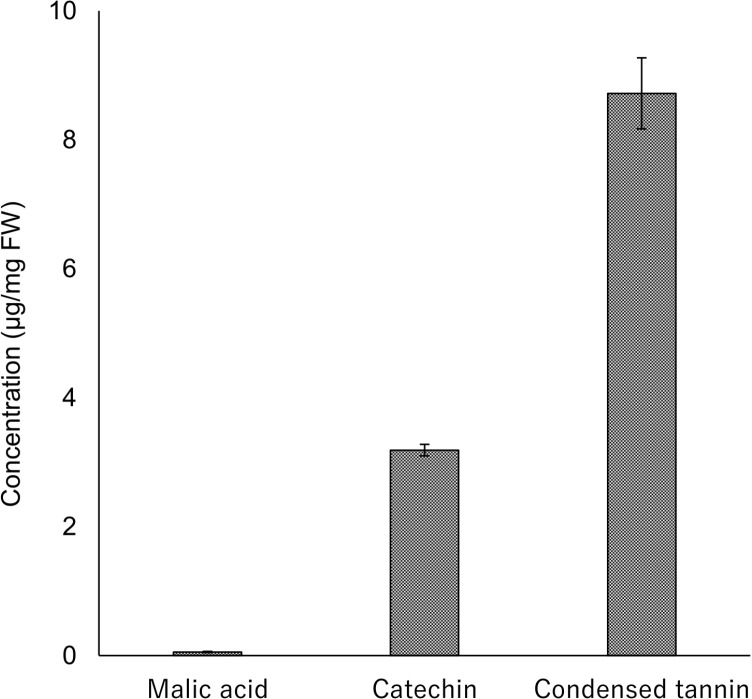 Figure 8
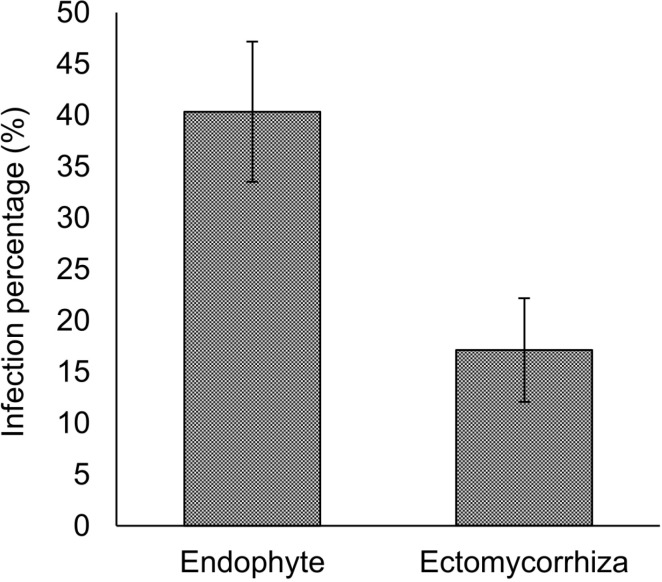 Figure 9
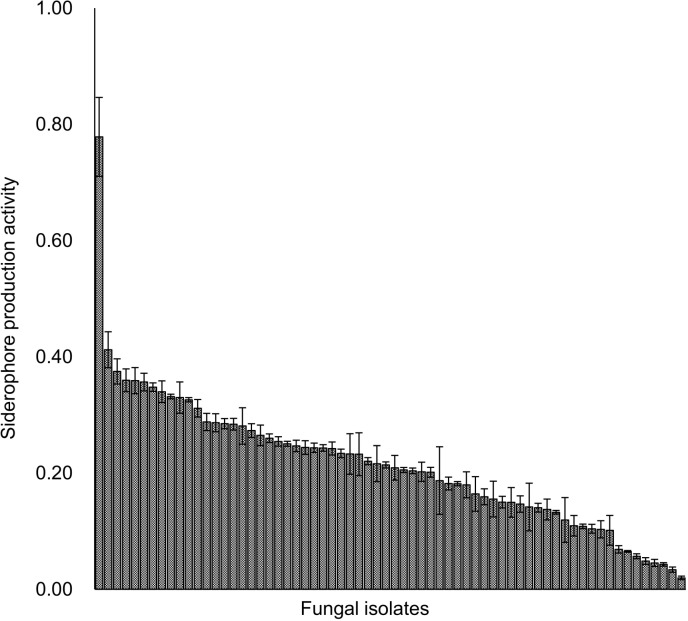 Figure 10
 Figure 11
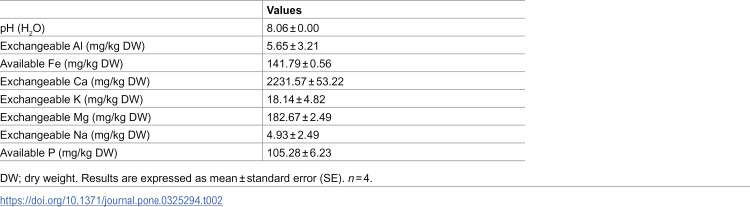 Figure 12
Peer Reviews
No public reviews on file for this paper yet. If you reviewed it on a platform where reviews are public (OpenReview, ICLR, NeurIPS, ICML), you can paste yours below so the community can read it here.
Videos
No videos yet. Explain this paper in a talk, walkthrough, or lecture? Add one.
Taxonomy
TopicsLegume Nitrogen Fixing Symbiosis · Plant Stress Responses and Tolerance · Plant Micronutrient Interactions and Effects