Tire Deformation-Based Regulation of Braking Torque in Manual Wheelchairs Equipped with Reverse Locking Modules
Bartosz Wieczorek, Łukasz Warguła, Marcin Giedrowicz

TL;DR
This paper introduces a new method to regulate braking torque in wheelchairs using tire deformation instead of contact force, improving stability and reducing user strain.
Contribution
A novel regulation method for braking torque based on tire deformation measurements is proposed and validated experimentally.
Findings
Braking torque can be regulated using tire deformation with an error range of 3% to 7%.
Roller diameter and nominal contact force significantly impact braking torque.
User mass affects sliding force, increasing by 57% from 50 kg to 90 kg.
Abstract
Moving in a manual wheelchair involves overcoming various architectural and terrain barriers. One of the obstacles that most burdens the muscular system and generates a high risk of instability is the climb up a slope. This article presents a comprehensive regulation method that allows for achieving the desired braking torque of the locking module based solely on tire deformation measurements, rather than the previously used contact force. To address the research problem, a research method was developed, consisting of three experimental tests and one mathematical analysis. The experiments included the measurement of the sliding force moment (E1), braking torque (E2), and tire deformation (E3). Using these methods, a measurement procedure was formulated to allow the measurement of the braking torque generated by the reverse locking module through tire deformation. Research on braking…
Genes, proteins, chemicals, diseases, species, mutations and cell lines named across the full text — each resolved to its canonical identifier and authoritative record.
Click any figure to enlarge with its caption.
 Figure 1
 Figure 2
 Figure 3
 Figure 4
 Figure 5
 Figure 6
 Figure 7
 Figure 8
 Figure 9
 Figure 10
 Figure 11
 Figure 12
 Figure 13
 Figure 14
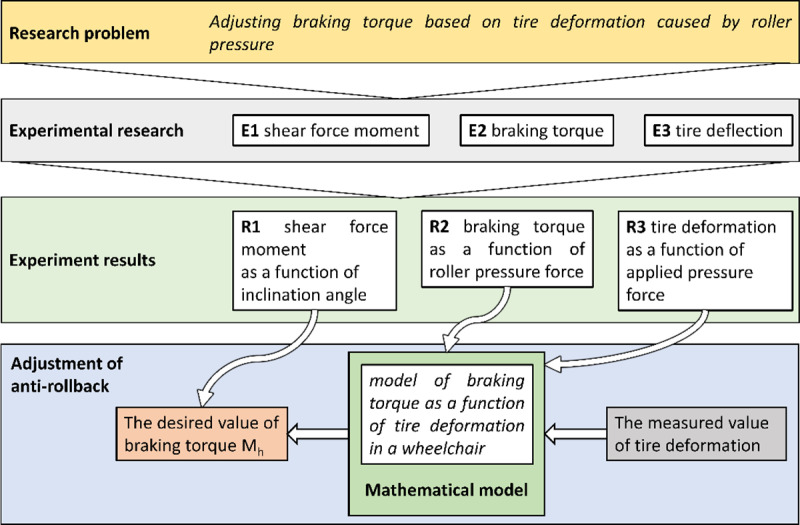 Figure 15
 Figure 16
 Figure 17
 Figure 18
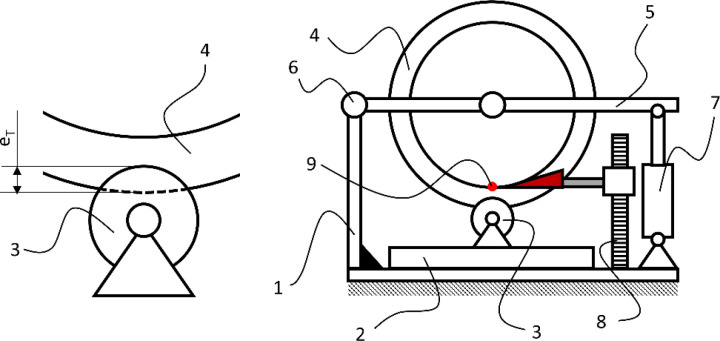 Figure 19
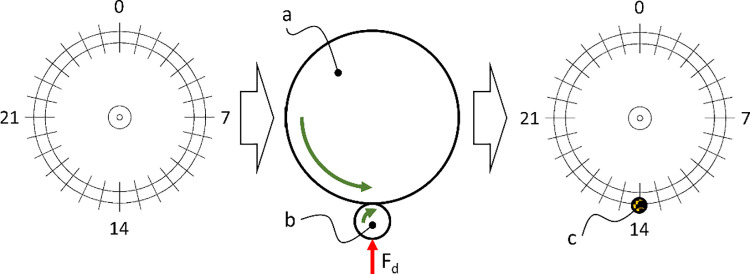 Figure 20
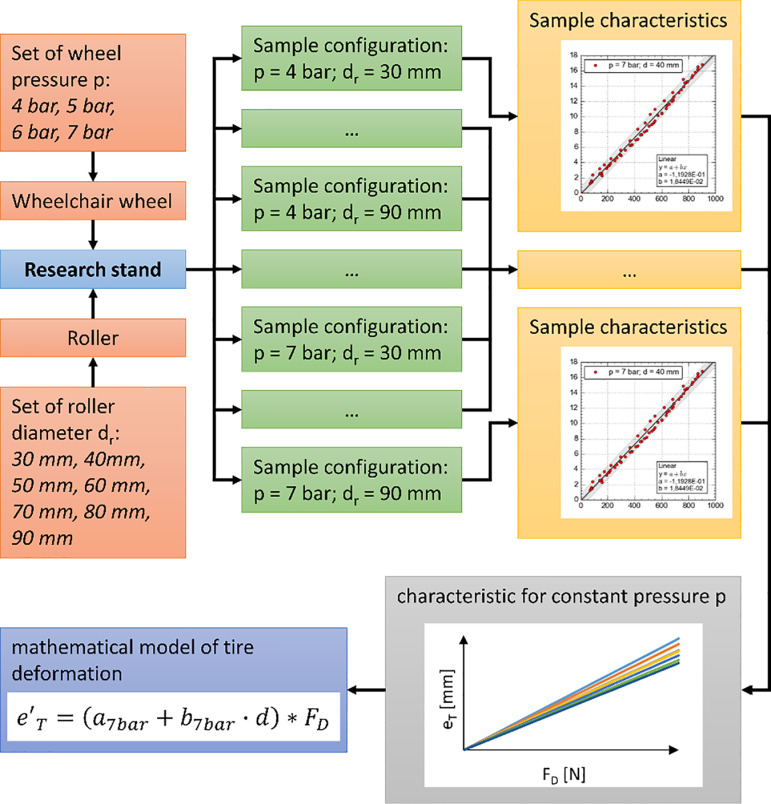 Figure 21
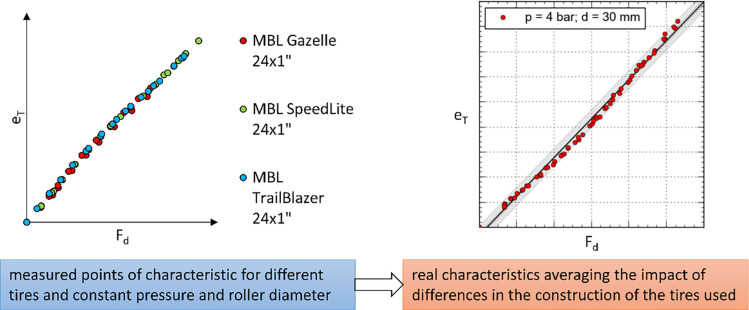 Figure 22
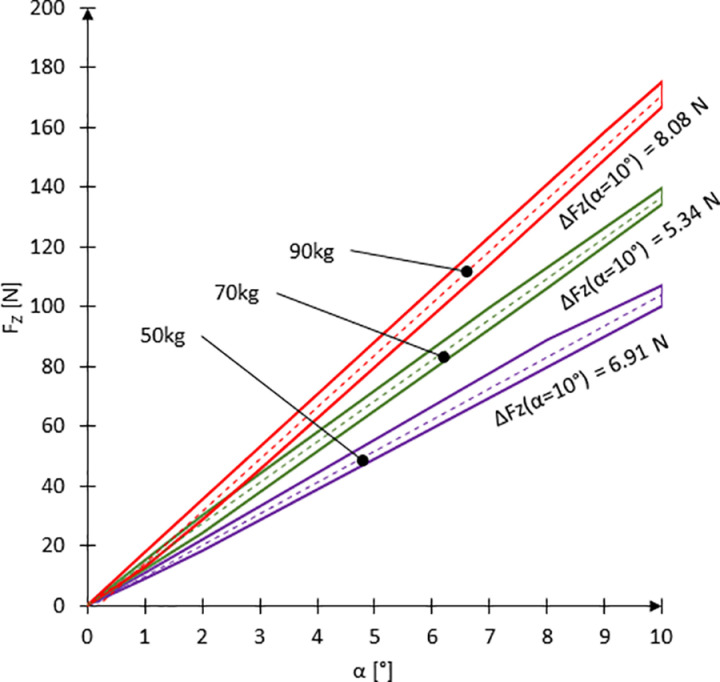 Figure 23
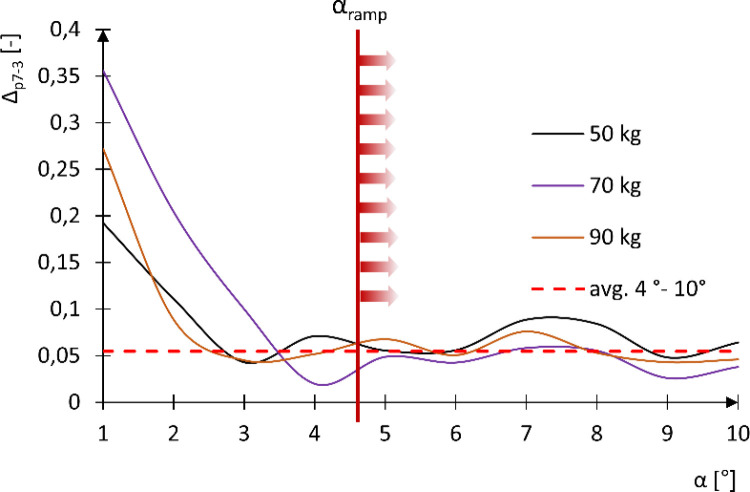 Figure 24
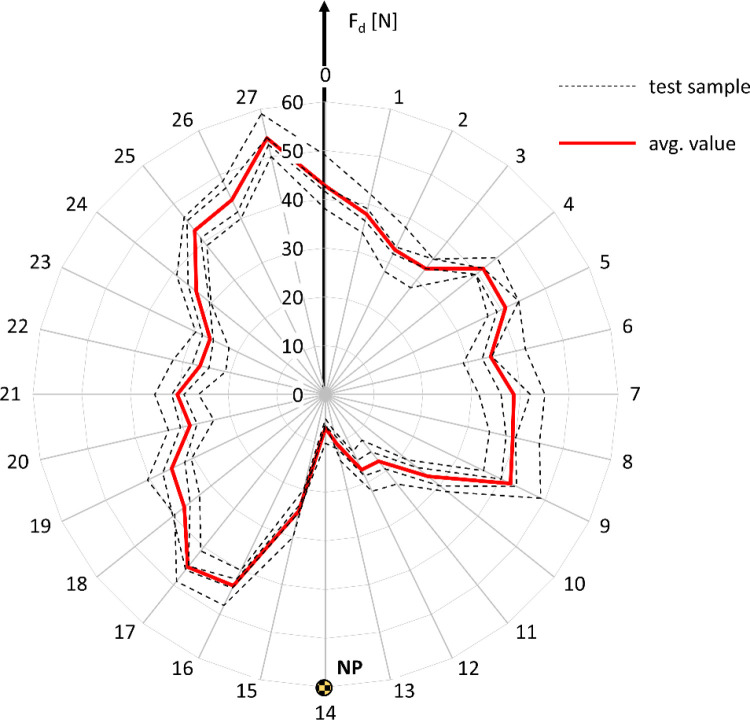 Figure 25
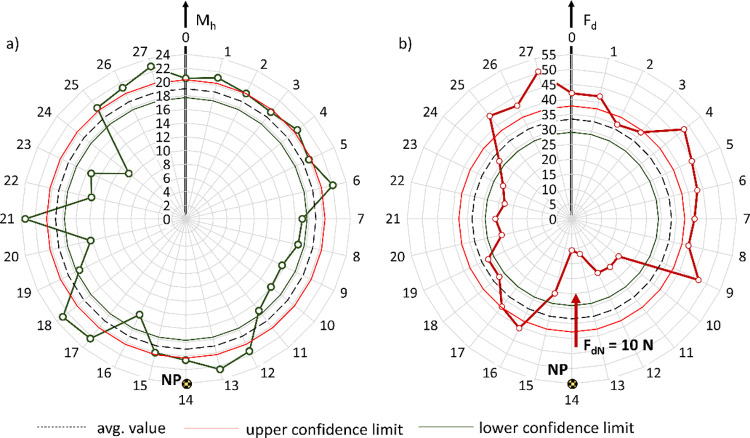 Figure 26
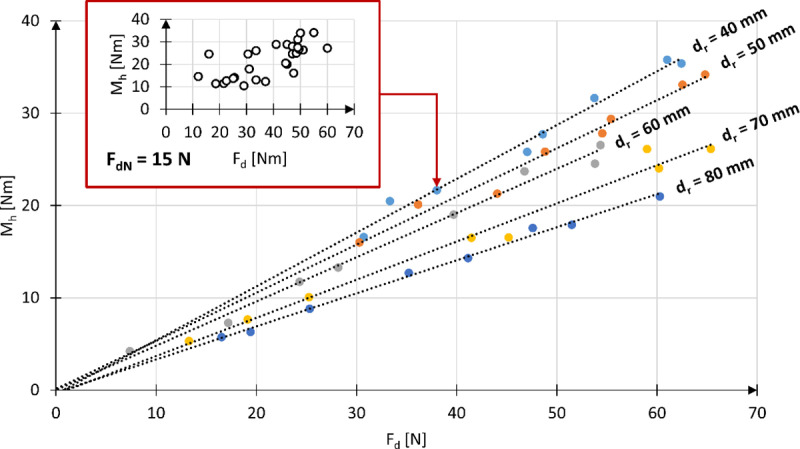 Figure 27
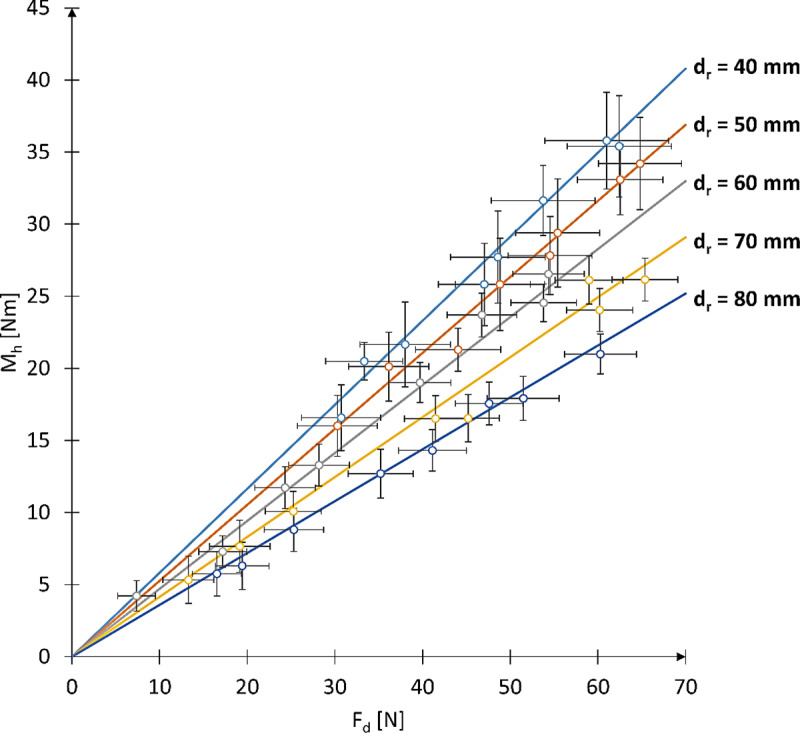 Figure 28
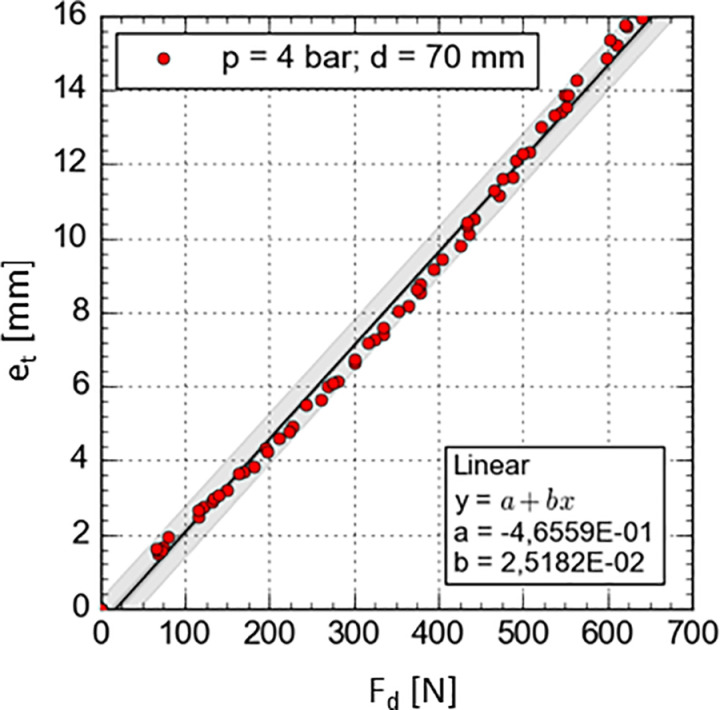 Figure 29
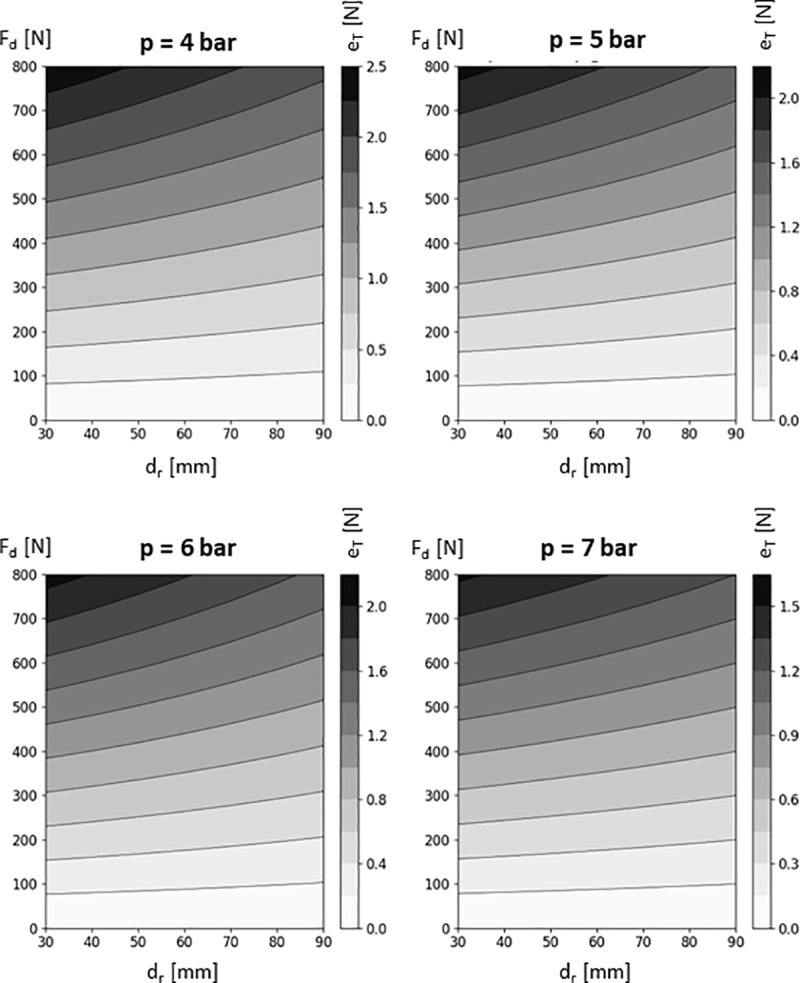 Figure 30
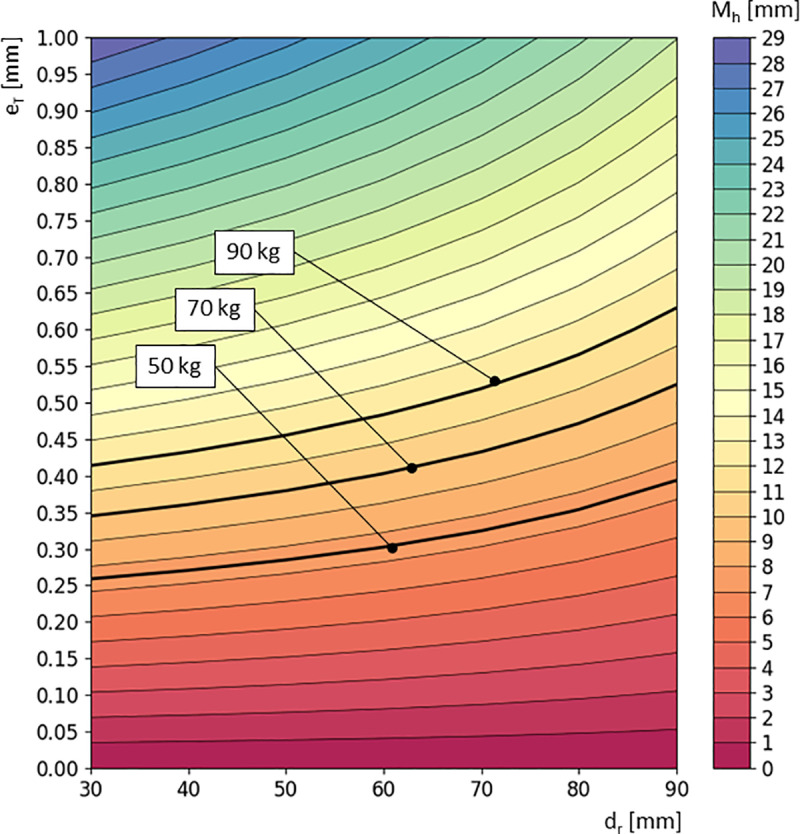 Figure 31
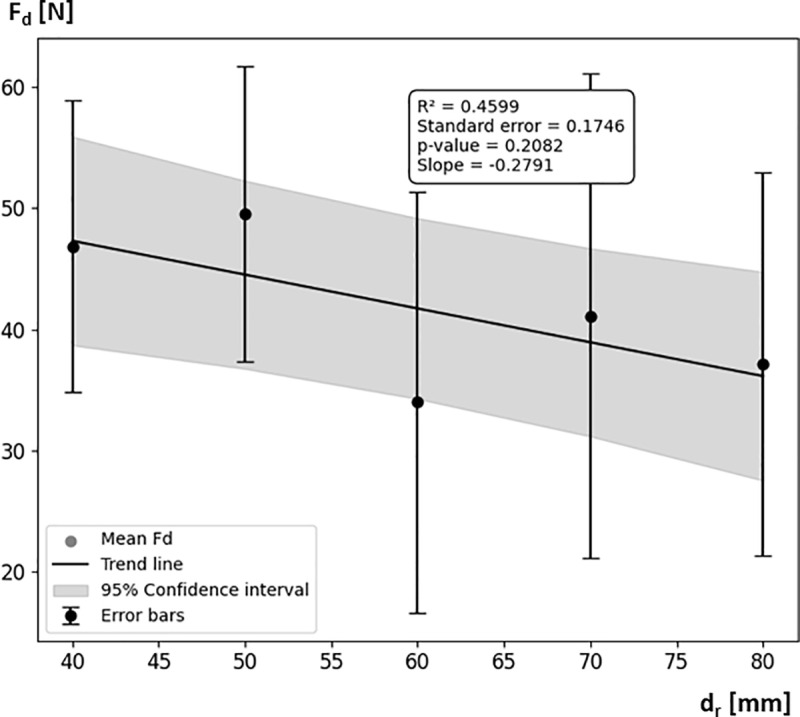 Figure 32
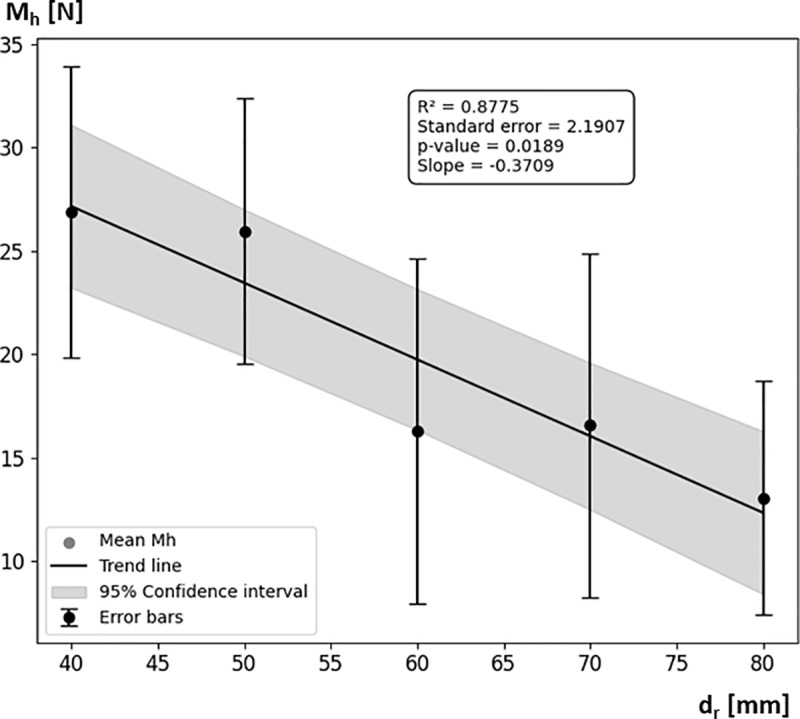 Figure 33
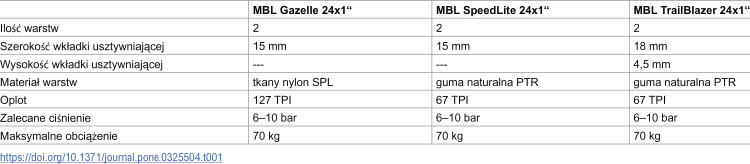 Figure 34
 Figure 35
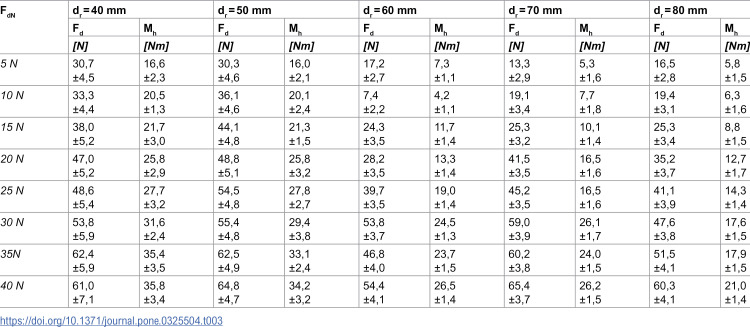 Figure 36
 Figure 37
 Figure 38
 Figure 39
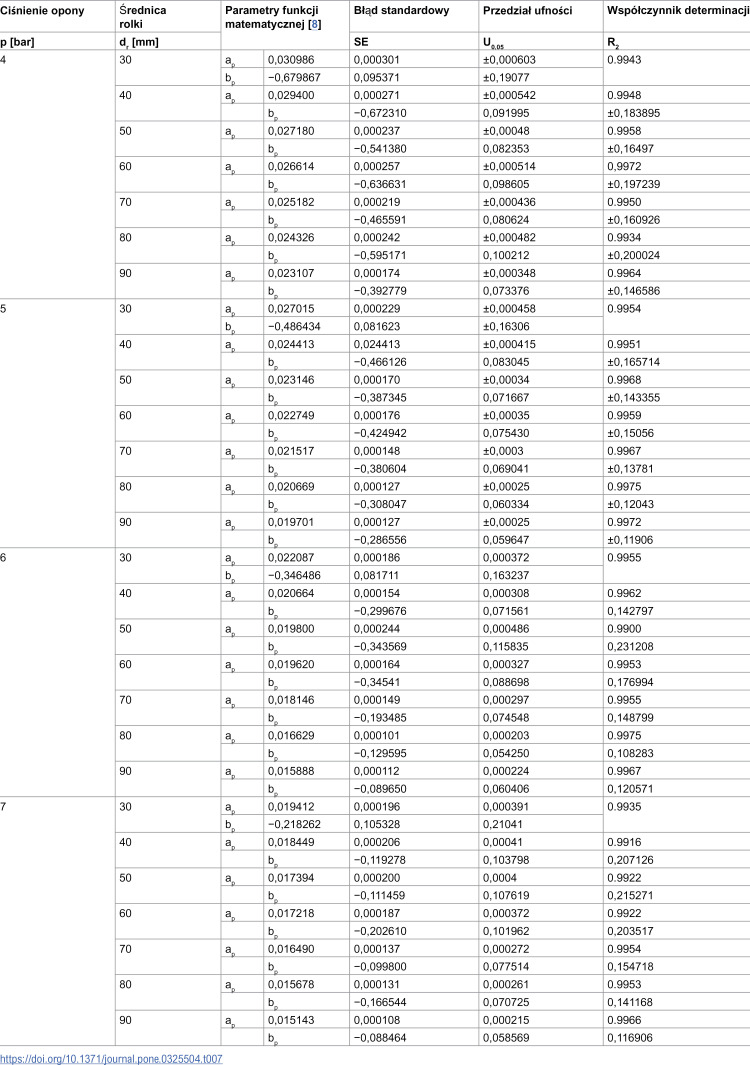 Figure 40
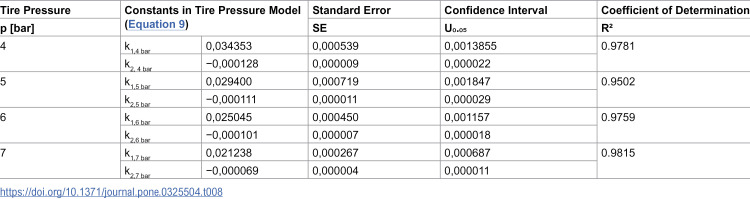 Figure 41
 Figure 42
Peer Reviews
No public reviews on file for this paper yet. If you reviewed it on a platform where reviews are public (OpenReview, ICLR, NeurIPS, ICML), you can paste yours below so the community can read it here.
Videos
No videos yet. Explain this paper in a talk, walkthrough, or lecture? Add one.
Taxonomy
TopicsSpinal Cord Injury Research · Cerebral Palsy and Movement Disorders · Prosthetics and Rehabilitation Robotics