Parent-adolescent closeness predicts neurophysiological reward responsiveness in adolescent girls at varying risk for depression
Julianne M. Griffith, Anna Wears, Nastasia O. McDonald, Jennifer S. Silk, Rebecca B. Price, Mary L. Woody

TL;DR
The study finds that closer relationships between mothers and adolescent daughters are linked to better reward processing in the brain, which may protect against depression risk.
Contribution
The study identifies parent-adolescent closeness as a novel protective factor for neurophysiological reward responsiveness in at-risk adolescent girls.
Findings
Parent-adolescent closeness is positively associated with youth reward positivity (RewP) at baseline and one-year follow-up.
RewP is not significantly linked to parental anhedonia or parent-adolescent discord.
Enhanced reward responsiveness in adolescents is observed with greater maternal closeness, even after accounting for depression risk factors.
Abstract
Risk for depression rises during adolescence, particularly among children of depressed mothers. Altered neurophysiological reward processing, measured using event-related potentials (ERPs), is related to depression vulnerability. However, it is unclear whether disruptions in youth reward responsiveness are driven by parental reward dysfunction (e.g., anhedonia) versus parent-child relationship factors (e.g., closeness). This work examined concurrent and prospective associations between youth neurophysiological reward responsiveness and parental anhedonia, parent-adolescent discord, and parent-adolescent closeness. Participants included 93 youth assigned female at birth (ages 13–15) and their mothers (n = 62 with a depression history). Youth reward responsiveness was assessed at baseline and one-year follow-up using the reward positivity (RewP) ERP component. Parental anhedonia,…
Genes, proteins, chemicals, diseases, species, mutations and cell lines named across the full text — each resolved to its canonical identifier and authoritative record.
Click any figure to enlarge with its caption.
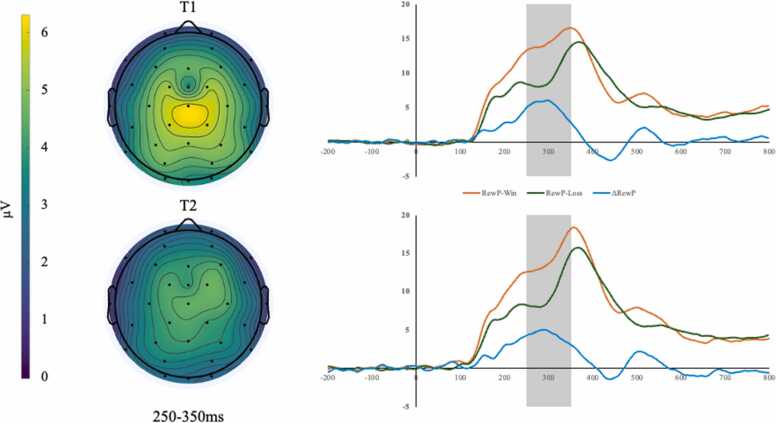 Figure 1
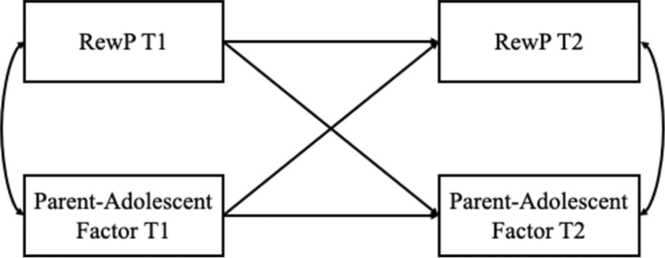 Figure 2
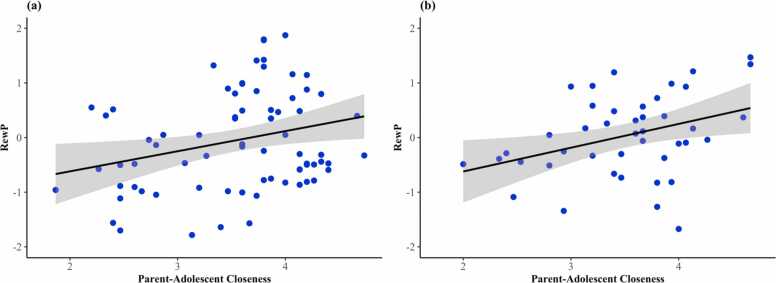 Figure 3
Peer Reviews
No public reviews on file for this paper yet. If you reviewed it on a platform where reviews are public (OpenReview, ICLR, NeurIPS, ICML), you can paste yours below so the community can read it here.
Videos
No videos yet. Explain this paper in a talk, walkthrough, or lecture? Add one.
Taxonomy
TopicsChild and Adolescent Psychosocial and Emotional Development · Anxiety, Depression, Psychometrics, Treatment, Cognitive Processes · Attention Deficit Hyperactivity Disorder