Measuring spatial and temporal properties of visual crowding using continuous psychophysics
Dilce Tanriverdi, Frans W. Cornelissen

TL;DR
This study introduces a new method to measure how clutter affects peripheral vision by tracking both spatial and temporal aspects of visual crowding.
Contribution
The novel contribution is a continuous psychophysics paradigm that captures both spatial and temporal dynamics of visual crowding.
Findings
The continuous paradigm produced crowding extent measurements consistent with traditional trial-based methods.
Flankers reduced tracking accuracy and slowed recovery rate after sudden orientation changes.
Results align with Bouma's rule and demonstrate the paradigm's effectiveness in measuring spatiotemporal aspects of crowding.
Abstract
Visual crowding refers to the difficulty in recognizing objects in the periphery when surrounded by clutter. Traditional trial-based paradigms, while effective in measuring spatial aspects of crowding, do not capture the temporal dynamics involved. In this study, we assessed the feasibility of a continuous psychophysics paradigm that measures both the spatial extent and temporal processes of visual crowding. Eight participants continuously tracked the orientation of a rotating Landolt C while the distance between the target and a ring-shaped flanker varied systematically over time. Participants set a reference stimulus to match the orientation of the target. The paradigm included “jump-points,” where the orientation of the target suddenly shifted, allowing us to measure the recovery rate of participants’ tracking errors following these disruptions. Tracking accuracy was compared between…
Genes, proteins, chemicals, diseases, species, mutations and cell lines named across the full text — each resolved to its canonical identifier and authoritative record.
Click any figure to enlarge with its caption.
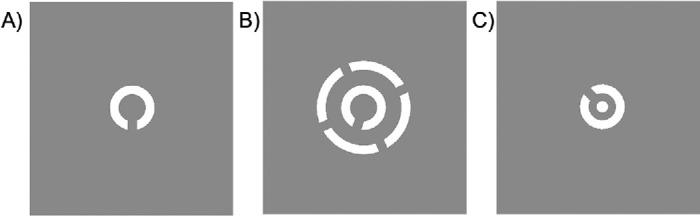 Figure 1
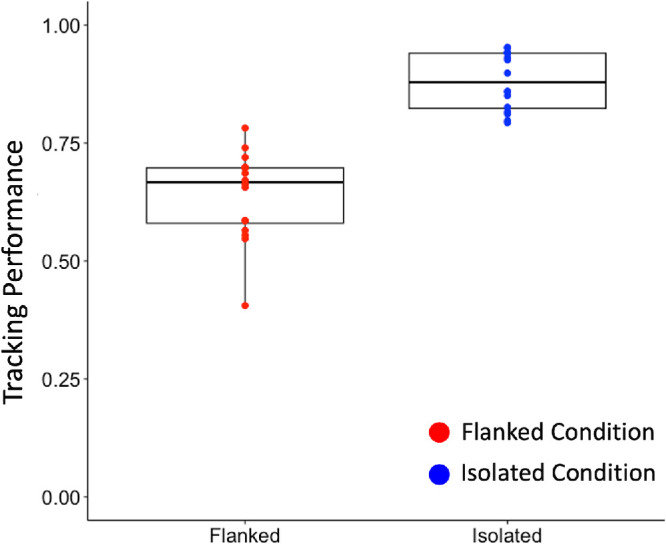 Figure 2
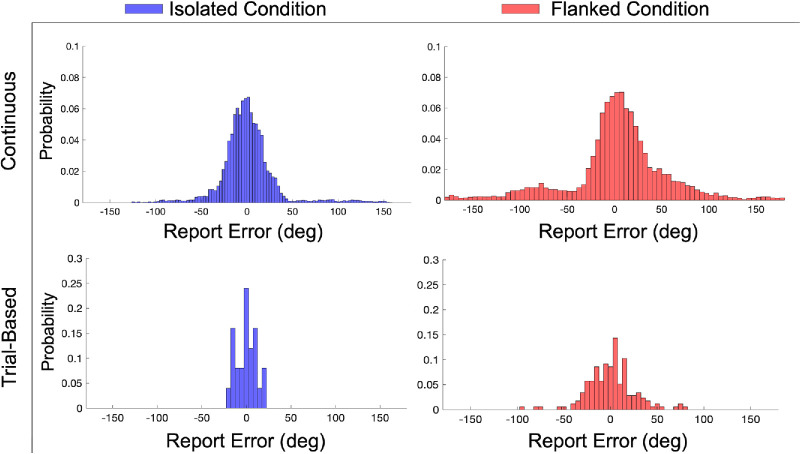 Figure 3
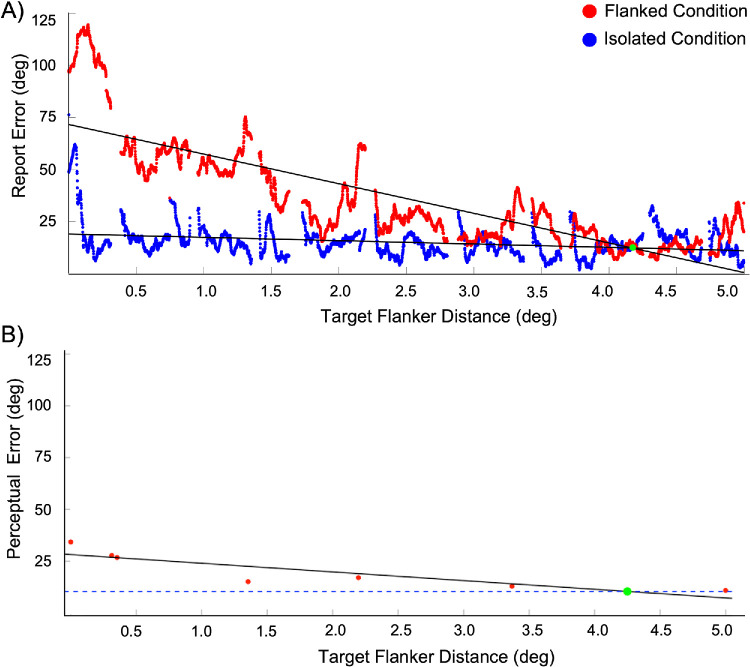 Figure 4
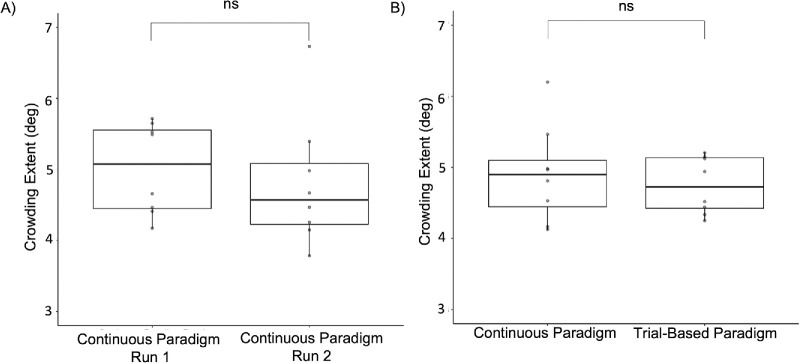 Figure 5
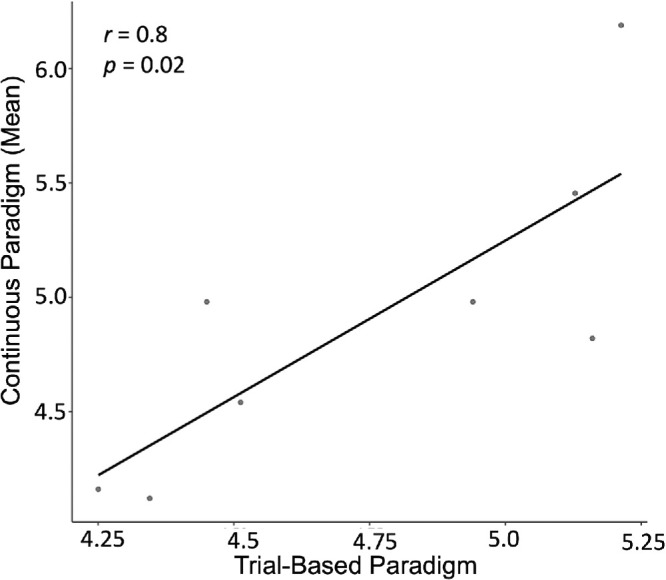 Figure 6
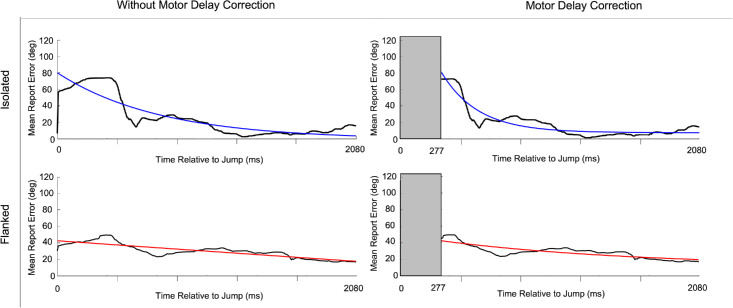 Figure 7
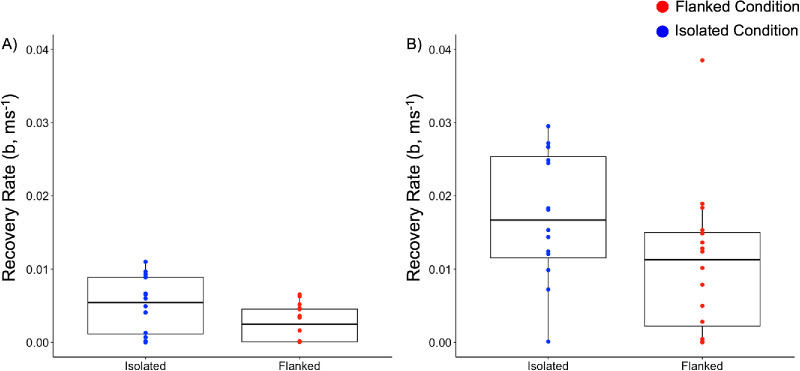 Figure 8
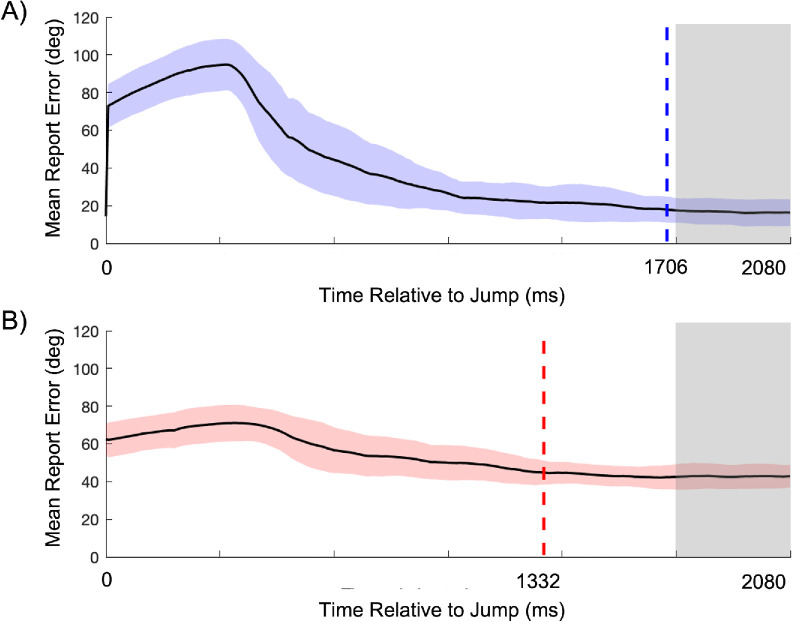 Figure 9
Peer Reviews
No public reviews on file for this paper yet. If you reviewed it on a platform where reviews are public (OpenReview, ICLR, NeurIPS, ICML), you can paste yours below so the community can read it here.
Videos
No videos yet. Explain this paper in a talk, walkthrough, or lecture? Add one.
Taxonomy
TopicsVisual perception and processing mechanisms · Neural dynamics and brain function · Visual Attention and Saliency Detection