The nucleocapsid protein of Crimean–Congo hemorrhagic fever virus interacts with eIF4A to promote the translation of viral mRNA in cells
Saima Ali, Songyang Ren, Alexis Agsaoa, Sheema Mir, Mohammad A. Mir

TL;DR
This study shows how the CCHFV virus uses its nucleocapsid protein to hijack the cell's translation machinery and prioritize its own mRNA over host mRNA.
Contribution
The study reveals a novel mechanism by which CCHFV's N protein interacts with eIF4A and eIF4G to selectively enhance viral mRNA translation.
Findings
The CCHFV N protein enhances reporter mRNA translation using the viral 5′ UTR and requires eIF4A and eIF4G.
Randomizing the viral 5′ UTR reduces translation efficiency and ribosome engagement of S-segment mRNA.
N protein likely binds eIF4A to reserve eIF4A–eIF4G complexes for selective viral mRNA translation.
Abstract
Crimean–Congo hemorrhagic fever virus (CCHFV) is a tick-borne nairovirus in the Bunyavirales order. Unlike many viral infections, CCHFV does not induce a host translation shutdown, posing the question of how its mRNAs are efficiently translated amidst competing host transcripts. Here, we show that the CCHFV nucleocapsid protein (N protein) enhances the translation of luciferase reporter mRNA with the help of the viral S-segment mRNA-derived 5′ UTR. Chemical inhibition of eIF4E did not affect the N protein–mediated preferential translation of the reporter mRNA. However, translation shutdowns caused by either proteolytic cleavage of eIF4G or chemical inhibition of eIF4A abolished the N protein–mediated preferential translation of the reporter mRNA. These findings demonstrate that the CCHFV N protein requires both eIF4A and eIF4G to facilitate mRNA translation with the assistance of the…
Genes, proteins, chemicals, diseases, species, mutations and cell lines named across the full text — each resolved to its canonical identifier and authoritative record.
Click any figure to enlarge with its caption.
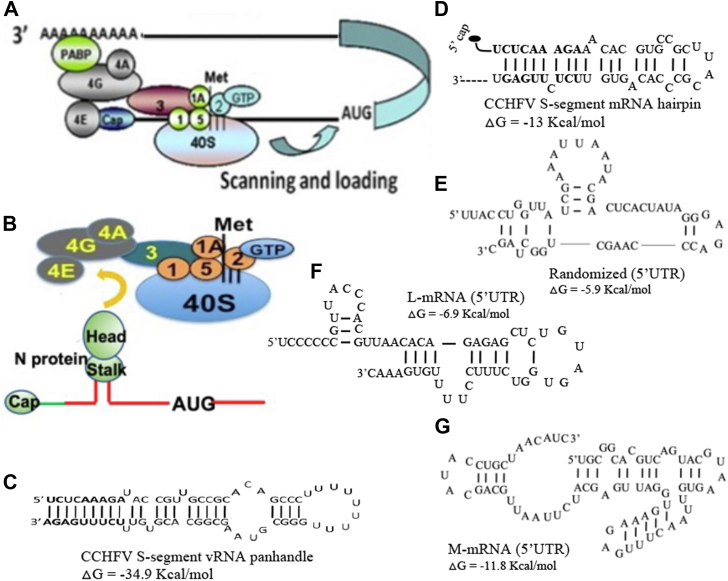 Figure 1
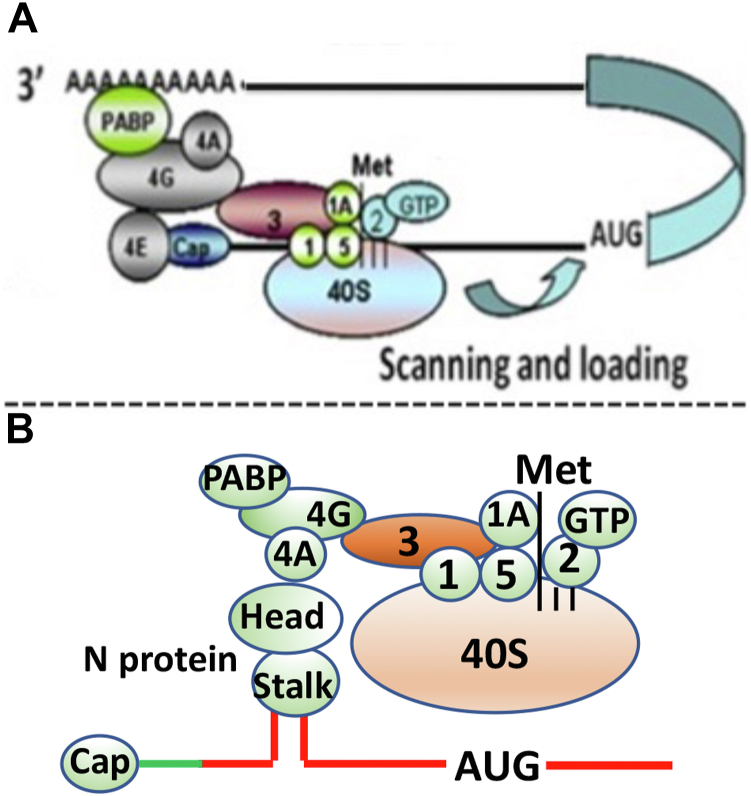 Figure 2
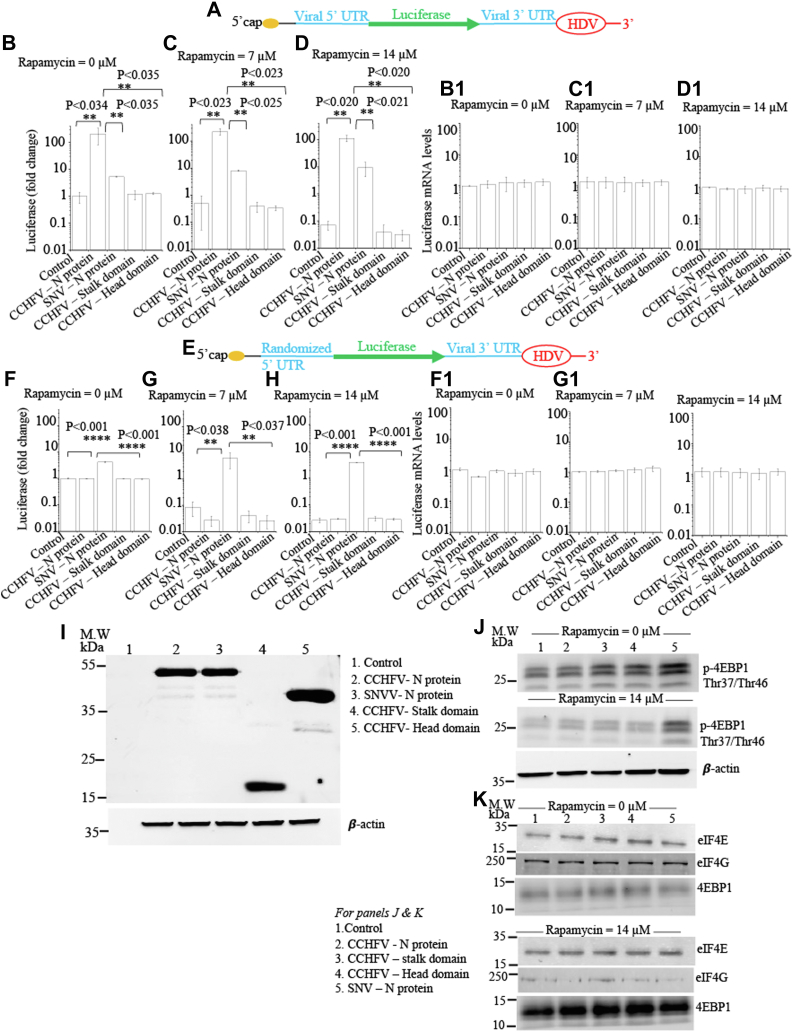 Figure 3
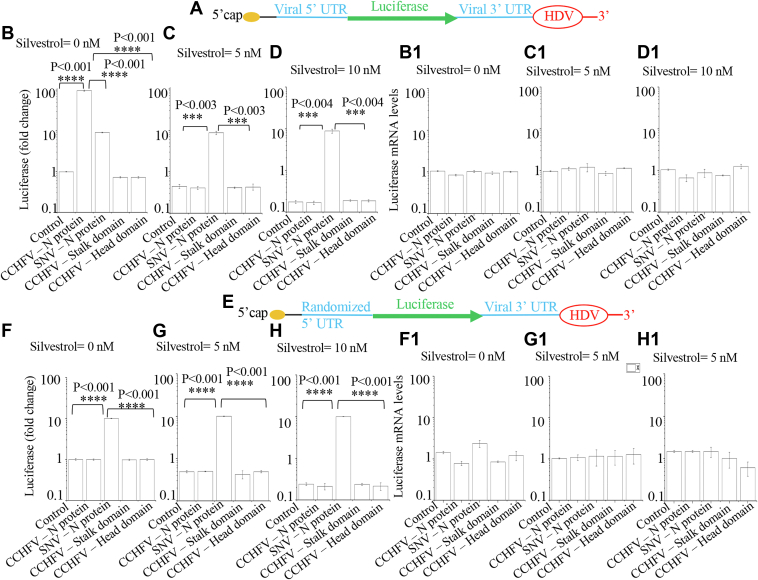 Figure 4
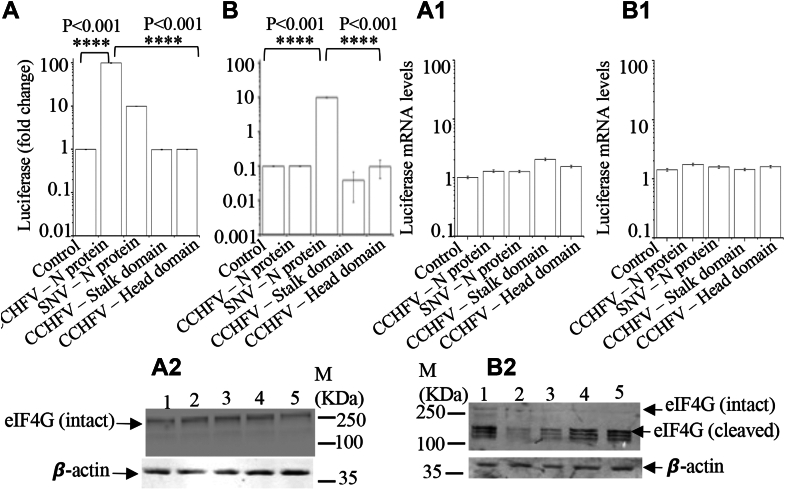 Figure 5
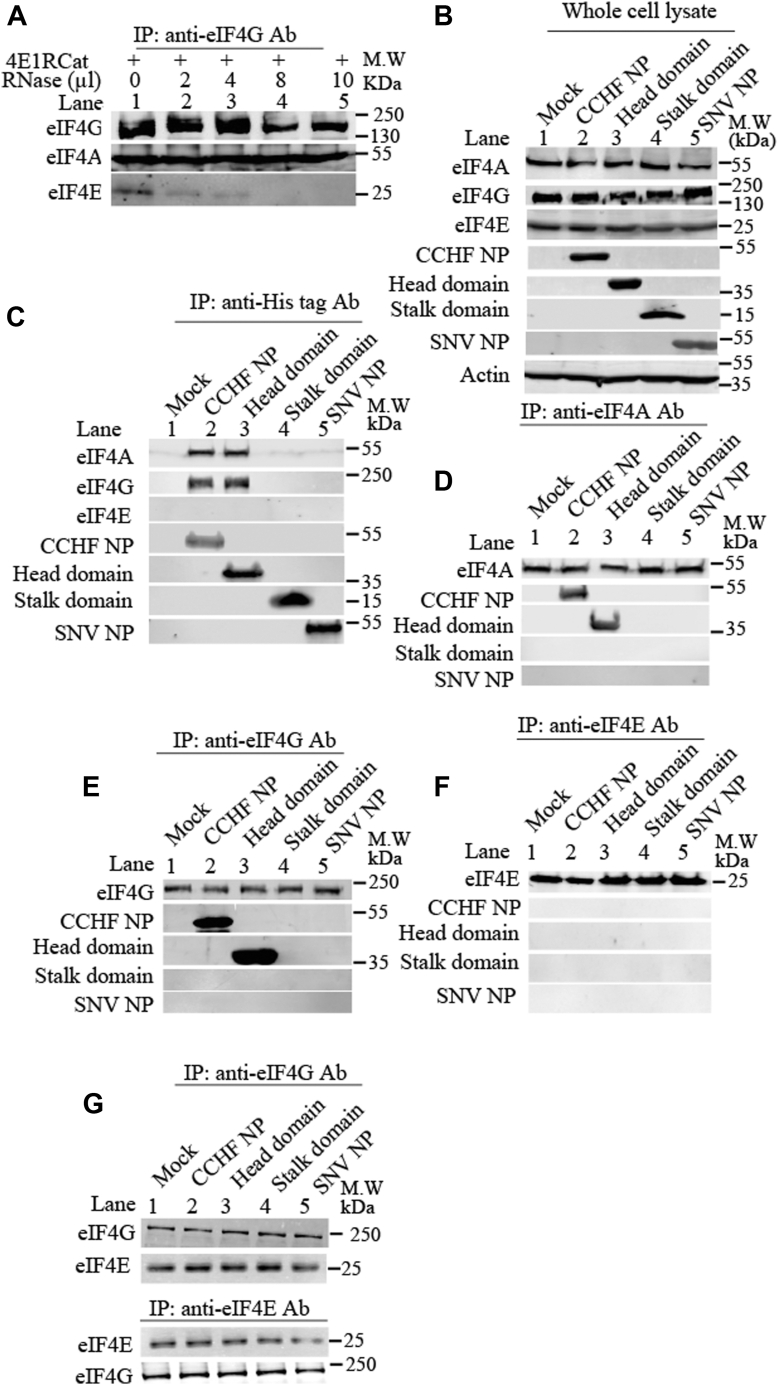 Figure 6
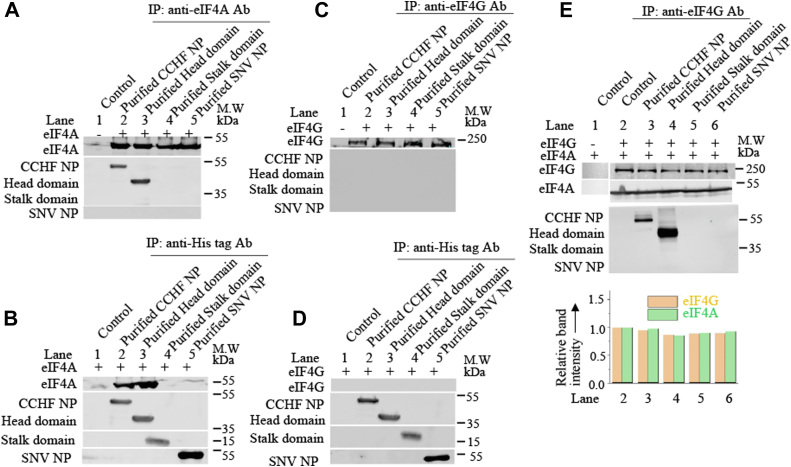 Figure 7
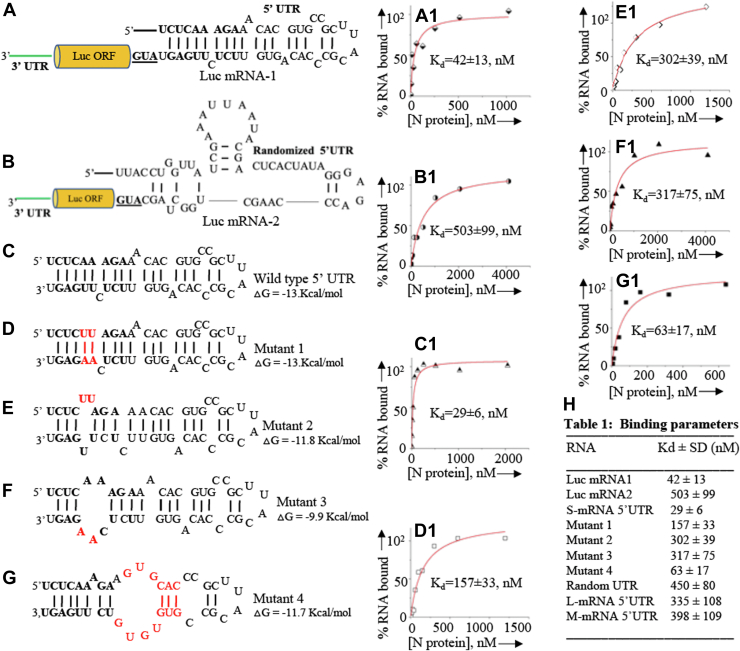 Figure 8
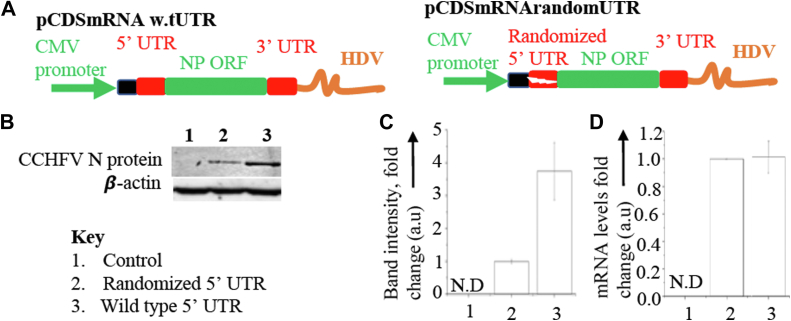 Figure 9
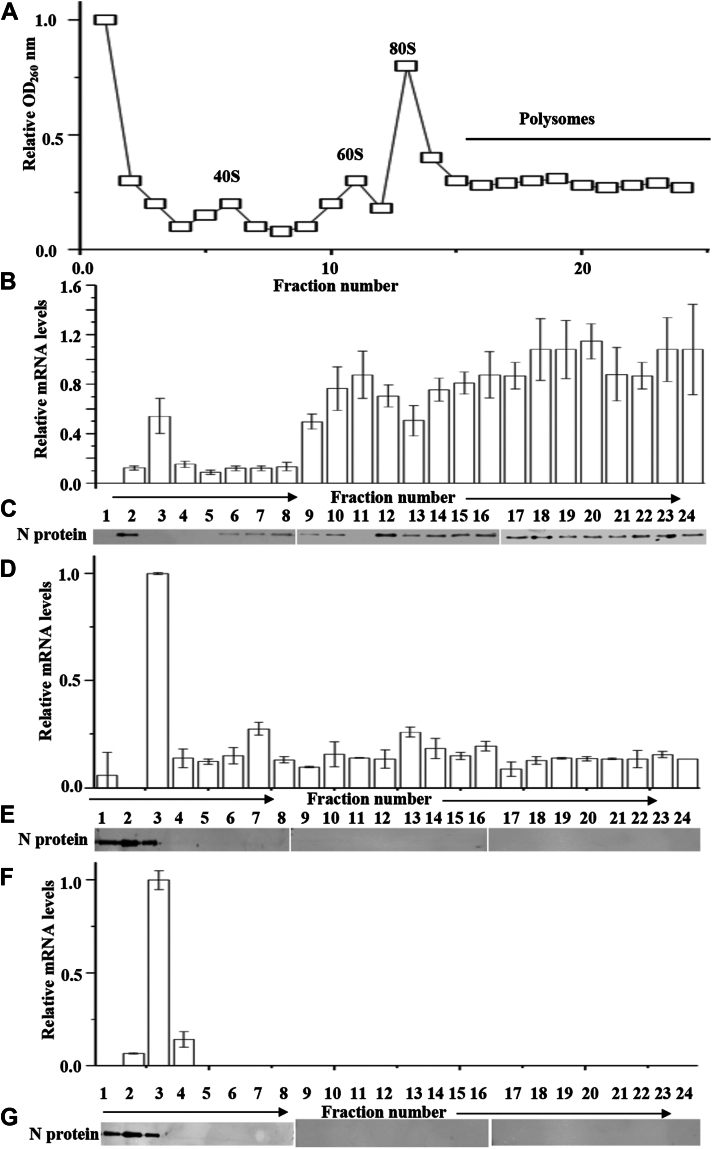 Figure 10
Peer Reviews
No public reviews on file for this paper yet. If you reviewed it on a platform where reviews are public (OpenReview, ICLR, NeurIPS, ICML), you can paste yours below so the community can read it here.
Videos
No videos yet. Explain this paper in a talk, walkthrough, or lecture? Add one.
Taxonomy
TopicsViral Infections and Vectors · Vector-Borne Animal Diseases · Plant Virus Research Studies