Cis‐Chelating Diphosphanes for Intracavity Nickel(II)‐Catalyzed Ethylene Oligomerization
Yang Li, Sara Figueirêdo de Alcântara Morais, Mingyang Han, Tuan‐Anh Phan, Geordie Creste, Matthieu Jouffroy, Dominique Matt, Jean‐Pierre Djukic, Yann Cornaton, Pierre Braunstein, Katrin Pelzer, Dominique Armspach

TL;DR
This paper describes the design of cavity-shaped diphosphanes that confine nickel catalysts to improve ethylene oligomerization, producing mostly 1-butene.
Contribution
The novelty lies in using cyclodextrin-derived diphosphanes to control nickel catalysts' environment for selective ethylene oligomerization.
Findings
Nickel complexes of the diphosphanes catalyze ethylene oligomerization with high selectivity for 1-butene.
The cavity size and ligand structure influence the activity and selectivity of the reaction.
Theoretical studies show the cyclodextrin cavity restricts olefin isomerization, enhancing α-olefin formation.
Abstract
Four cis‐chelating diphosphanes derived from cyclodextrins (CDs), each featuring a distinct intracavity environment, compel NiII or PdII metal centers to reside within α‐ or β‐CD cavities. Nickel(II) complexes of these metal‐confining ligands act as active catalysts in ethylene oligomerization upon activation with modified methylaluminoxane (MMAO). The size of the cavity and the position of the P2Ni fragment relative to the cavity affect both the activity and selectivity of the reaction. In all instances, 1‐butene is the major product (up to 98% C4 products and 90% 1‐butene within the C4 fraction). Extensive theoretical studies with state‐of‐the‐art methods carried out on the most selective system suggest that the CD cavity restricts isomerization pathways by limiting the mobility of the coordinated olefin in this constrained supramolecular environment, thereby enhancing α‐olefin…
Genes, proteins, chemicals, diseases, species, mutations and cell lines named across the full text — each resolved to its canonical identifier and authoritative record.
Click any figure to enlarge with its caption.
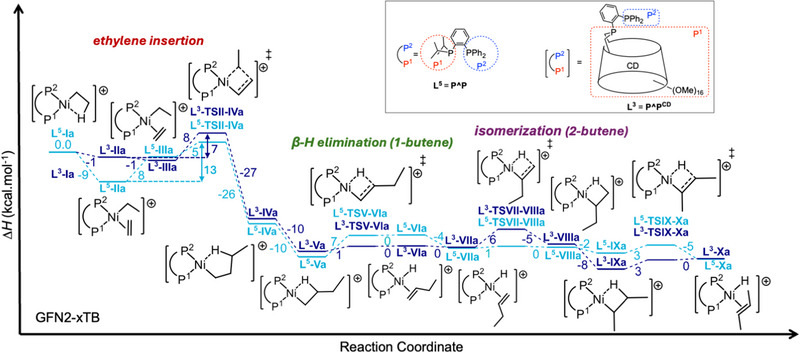 Figure 1
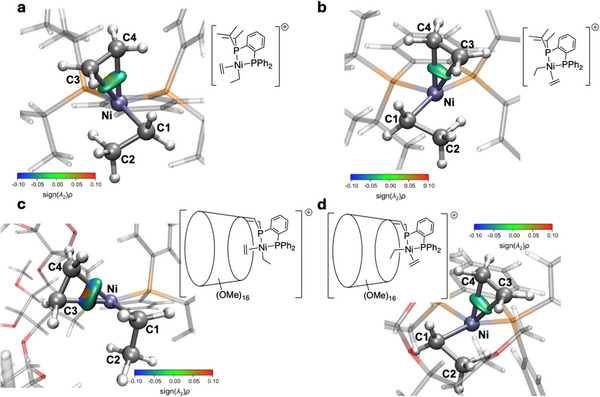 Figure 2
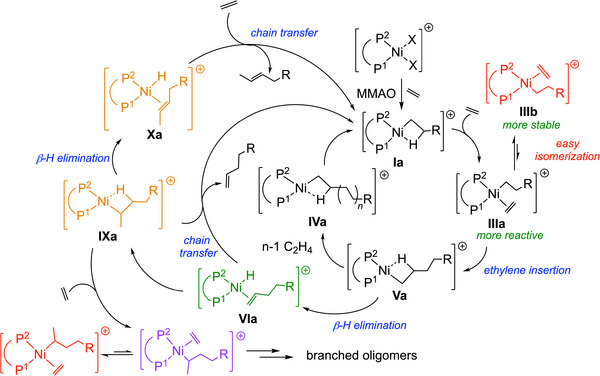 Figure 3
 Figure 4
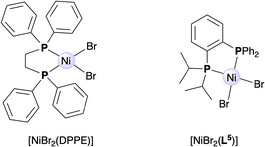 Figure 5
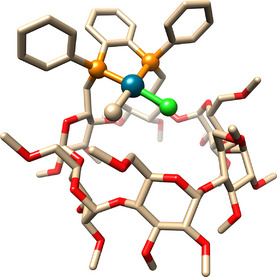 Figure 6
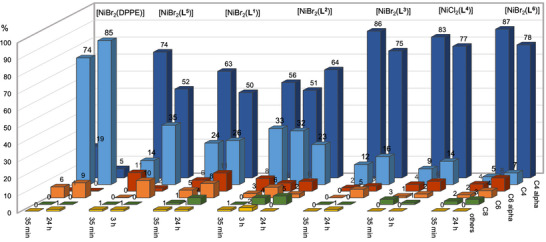 Figure 7
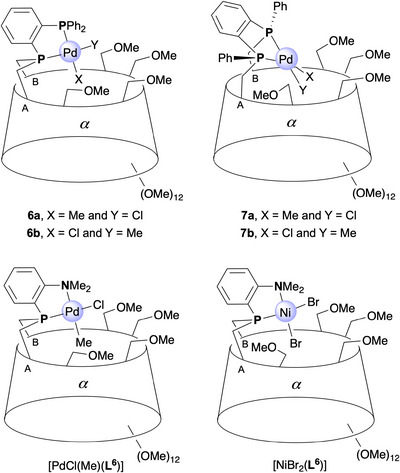 Figure 8
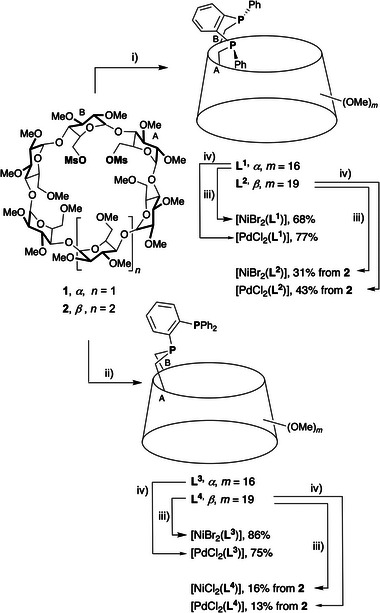 Figure 9
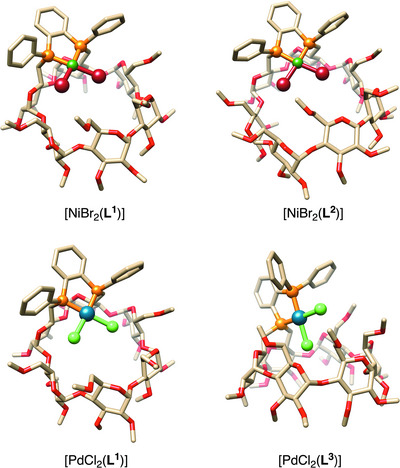 Figure 10
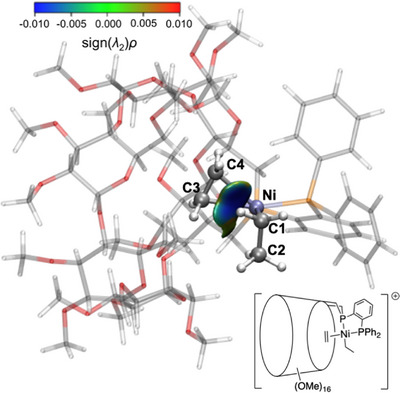 Figure 11
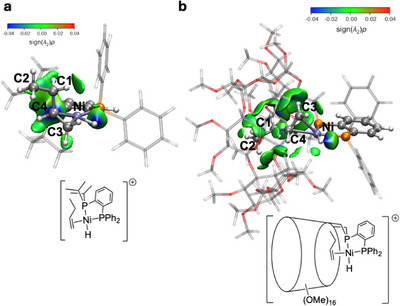 Figure 12
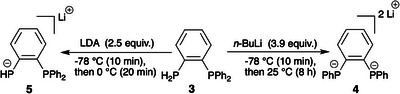 Figure 13
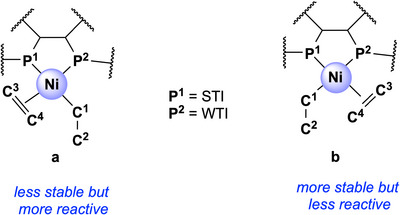 Figure 14
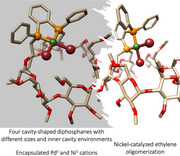 Figure 15
Peer Reviews
No public reviews on file for this paper yet. If you reviewed it on a platform where reviews are public (OpenReview, ICLR, NeurIPS, ICML), you can paste yours below so the community can read it here.
Videos
No videos yet. Explain this paper in a talk, walkthrough, or lecture? Add one.
Taxonomy
TopicsMolecular Junctions and Nanostructures · Organometallic Complex Synthesis and Catalysis · Metal complexes synthesis and properties