Cutaneous Cysticercosis Mimicking an Epidermal Inclusion Cyst: A Rare Case
Sunidhi Rajput, V Ramalakshmi, Anjali Rajpoot

TL;DR
A rare case of cutaneous cysticercosis was mistaken for a benign skin cyst, highlighting the need for thorough diagnosis in endemic areas.
Contribution
This case adds to the limited literature on isolated cutaneous cysticercosis and emphasizes the importance of histopathology in diagnosis.
Findings
Cutaneous cysticercosis can mimic benign skin lesions like epidermal inclusion cysts.
Histopathological evaluation is crucial for accurate diagnosis of subcutaneous swellings in endemic regions.
The case involved a 23-year-old male with no systemic disease after surgical excision of the lesion.
Abstract
Cutaneous cysticercosis is a rare clinical manifestation of the larval stage of Taenia solium infection. While neurocysticercosis is the most commonly reported form, subcutaneous presentations are often overlooked or misdiagnosed due to their asymptomatic, benign, and cyst-like appearance. The parasite’s ability to mimic common dermatologic lesions, including lipomas or epidermal inclusion cysts, complicates timely diagnosis. This underscores the importance of thorough evaluation, especially in endemic regions, and highlights the utility of histopathological and imaging studies. A 23-year-old immunocompetent male presented with a two-week history of a painless, cystic swelling over the right subcostal region, without signs of inflammation or discharge. Ultrasound of the superficial soft tissue revealed a well-circumscribed cystic lesion suggestive of an epidermal inclusion cyst.…
Genes, proteins, chemicals, diseases, species, mutations and cell lines named across the full text — each resolved to its canonical identifier and authoritative record.
Click any figure to enlarge with its caption.
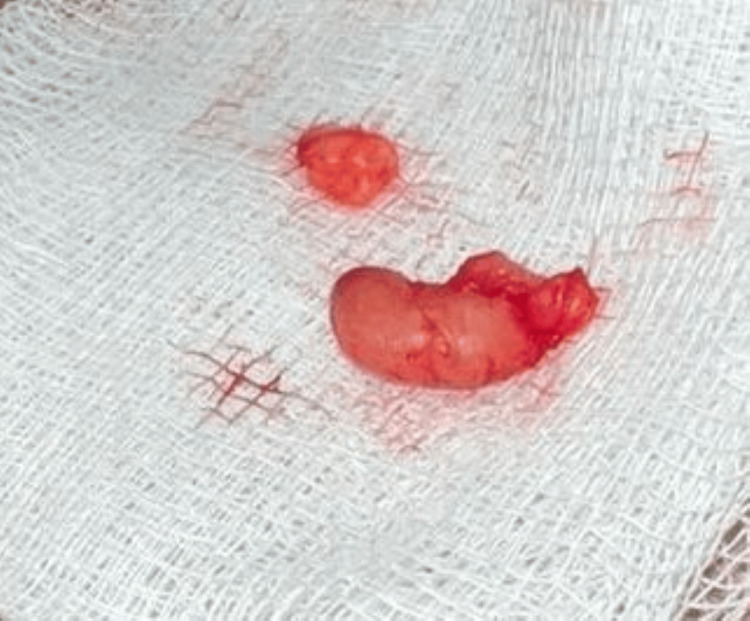 Figure 1
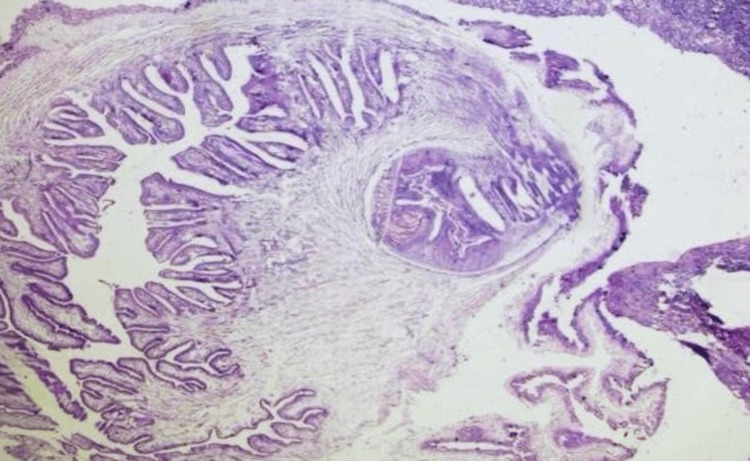 Figure 2
Peer Reviews
No public reviews on file for this paper yet. If you reviewed it on a platform where reviews are public (OpenReview, ICLR, NeurIPS, ICML), you can paste yours below so the community can read it here.
Videos
No videos yet. Explain this paper in a talk, walkthrough, or lecture? Add one.
Taxonomy
TopicsParasitic infections in humans and animals