The role of transient receptor potential melastatin channels in compressive force‐induced contraction of primary cardiac pericytes
Carmen Methner, Eugene Cilento, Zhiping Cao, Jeffrey Iliff, Anusha Mishra, Sanjiv Kaul

TL;DR
This study shows that TRPM channels in cardiac pericytes detect pressure during heart attacks, leading to capillary constriction and larger infarcts, suggesting TRPM inhibition could be a treatment.
Contribution
The study identifies TRPM4 and TRPM7 channels as mechanosensors in cardiac pericytes during AMI and demonstrates that TRPM4 inhibition reduces infarct size in a rodent model.
Findings
Cardiac pericytes express TRPM4 and TRPM7 channels, which are activated by pressure and agonists.
TRPM4 inhibition in vivo reduces infarct size by 3.5-fold in a rodent AMI model.
Increased compressive forces trigger cytosolic Ca2+ mobilization in pericytes via TRPM channels.
Abstract
Pericytes contract during acute myocardial infarction (AMI) resulting in capillary constriction, which further contributes to the ischemic damage and enlargement of infarct size. We hypothesized that increased intramyocardial pressure during ischemia can be sensed by mechanosensitive Transient Receptor Potential (TRP) channels in cardiac pericytes, resulting in their contraction and worsening of myocardial necrosis during AMI. Here, we show that cultured primary cardiac pericytes express several TRP channels. Live‐cell confocal imaging demonstrates that pharmacological stimulation with specific TRPM4 and TRPM7 agonists mobilizes cytosolic Ca2+ within pericytes. Pressure stimulation (increased compressive forces) also increases pericyte Ca2+, which is abolished by specific TRPM4 and TRPM7 inhibitors. Lastly, we demonstrate that TRPM4 inhibition in vivo reduces infarct size by 3.5‐fold in…
Genes, proteins, chemicals, diseases, species, mutations and cell lines named across the full text — each resolved to its canonical identifier and authoritative record.
Click any figure to enlarge with its caption.
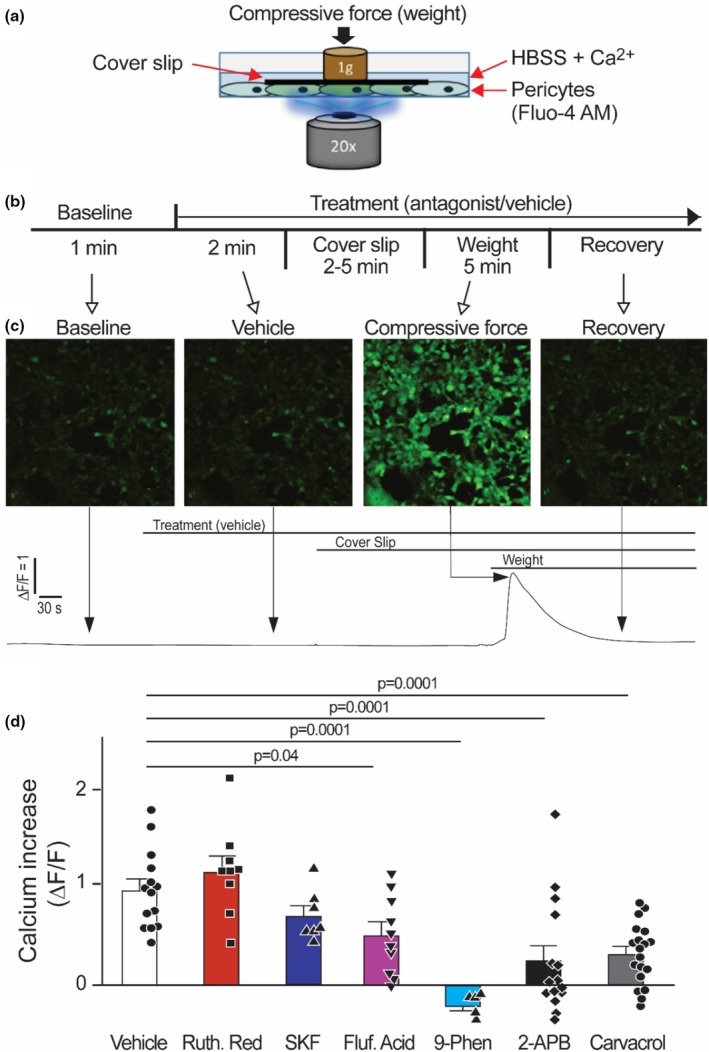 Figure 1
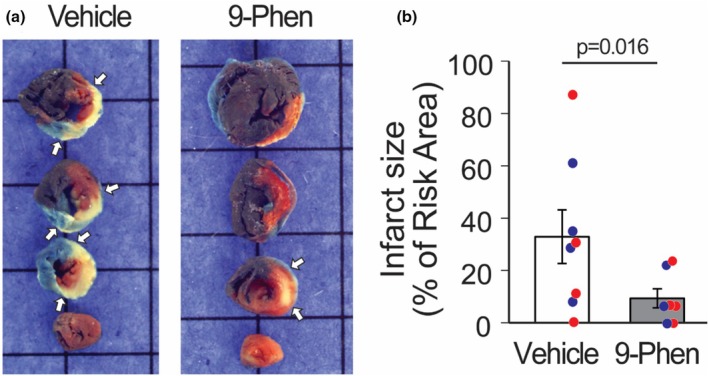 Figure 2
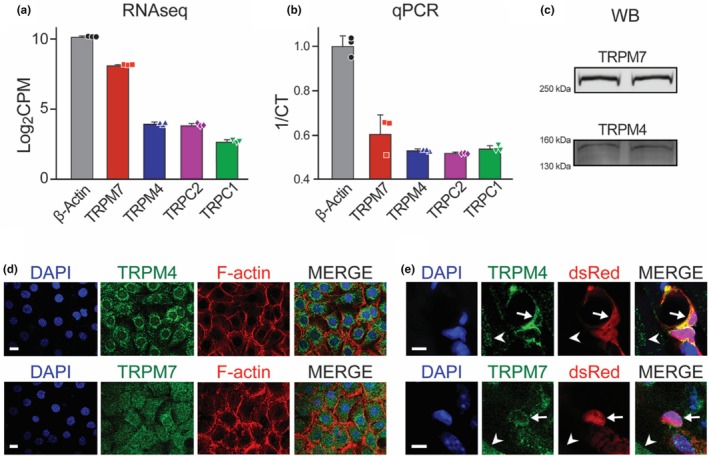 Figure 3
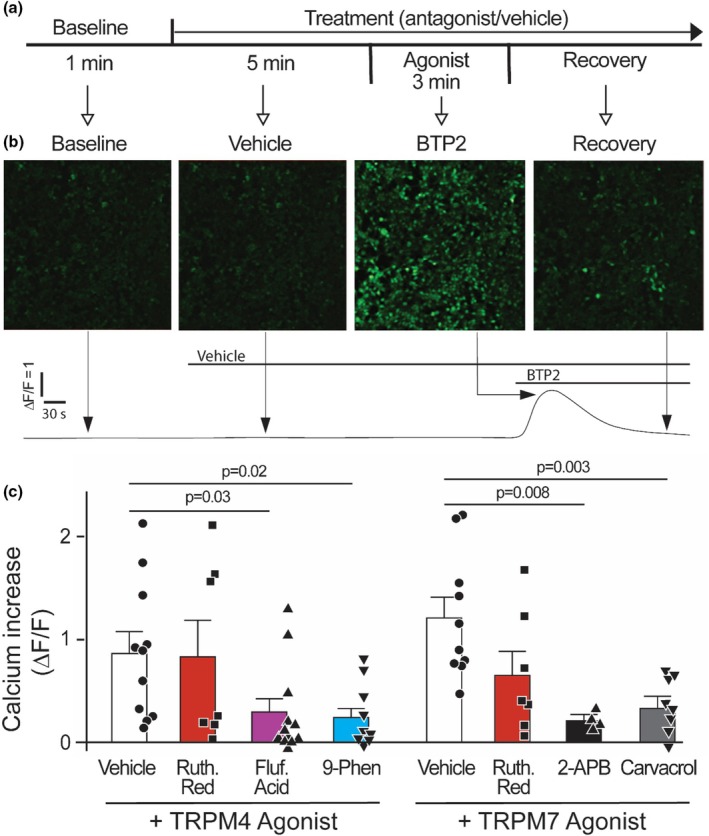 Figure 4
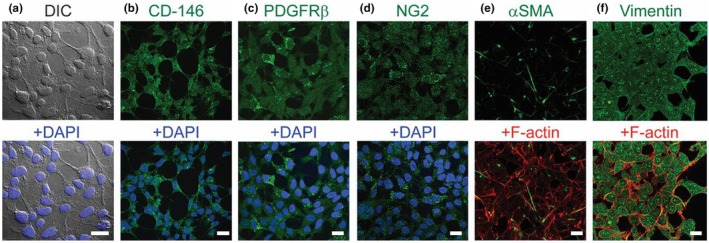 Figure 5
Peer Reviews
No public reviews on file for this paper yet. If you reviewed it on a platform where reviews are public (OpenReview, ICLR, NeurIPS, ICML), you can paste yours below so the community can read it here.
Videos
No videos yet. Explain this paper in a talk, walkthrough, or lecture? Add one.
Taxonomy
TopicsCardiac electrophysiology and arrhythmias · Cardiac Fibrosis and Remodeling · Ion channel regulation and function