Analysis and prevention of microbial degradation of shadow puppetry artifacts preserved in the National Shadow Puppetry Museum in Chengdu
Yu Wang, Yuanyuan Wang, Zhiqian Guan, Zeao Wang, Yangbo Duan, Chen Min, Yuhan Zhong, Lilong Hou, Jiao Pan

TL;DR
This study identifies microbes damaging shadow puppet artifacts in a museum and tests antimicrobial agents to prevent degradation.
Contribution
The study identifies key collagen-degrading microbes on shadow puppets and evaluates antimicrobial agents for their conservation.
Findings
A diverse range of microorganisms, including Aspergillus, Pseudomonas, and Streptomyces, were found on shadow puppet surfaces.
Four predominant microbial strains were identified, all capable of degrading collagen.
Antimicrobial agents BC01 and carvacrol showed effectiveness against the main microbial strains.
Abstract
Shadow puppetry, an integral and crucial component of China’s intangible cultural heritage, currently faces the significant threat of microbial degradation. This is primarily due to the organic materials used in its artifacts. This study centers on the shadow puppets housed in the National Shadow Puppetry Museum in Chengdu. By employing Scanning Electron Microscopy (SEM) and high-throughput sequencing techniques, it has revealed a diverse array of co-existing microorganisms on the surfaces of these puppets. These include species from genera such as Aspergillus, Streptomyces, Nocardiopsis, Pseudomonas, and Saccharopolyspora, among others. Eleven microbial species were successfully isolated, wherein four were identified as predominant: Pseudomonas sp. WH. S-B1, Streptomyces sp. WH. S-B2, Nocardiopsis sp. WH. S-B6, and Aspergillus fumigatus WH. S-F2. Notably, these four strains…
Genes, proteins, chemicals, diseases, species, mutations and cell lines named across the full text — each resolved to its canonical identifier and authoritative record.
Click any figure to enlarge with its caption.
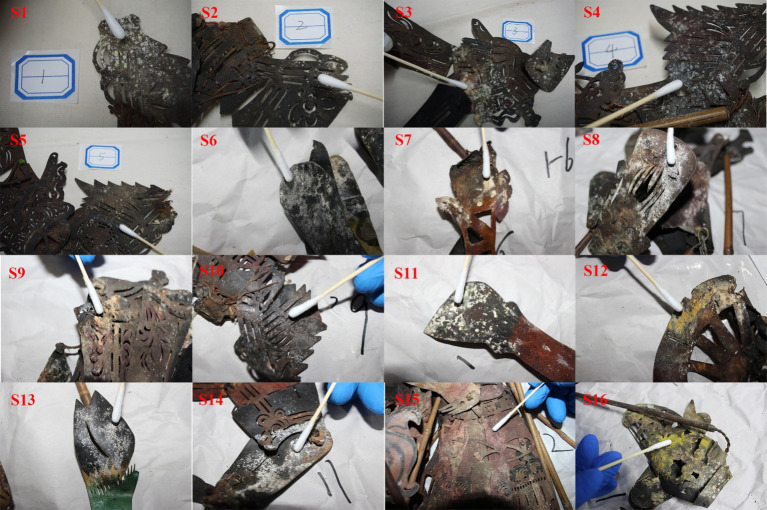 Figure 1
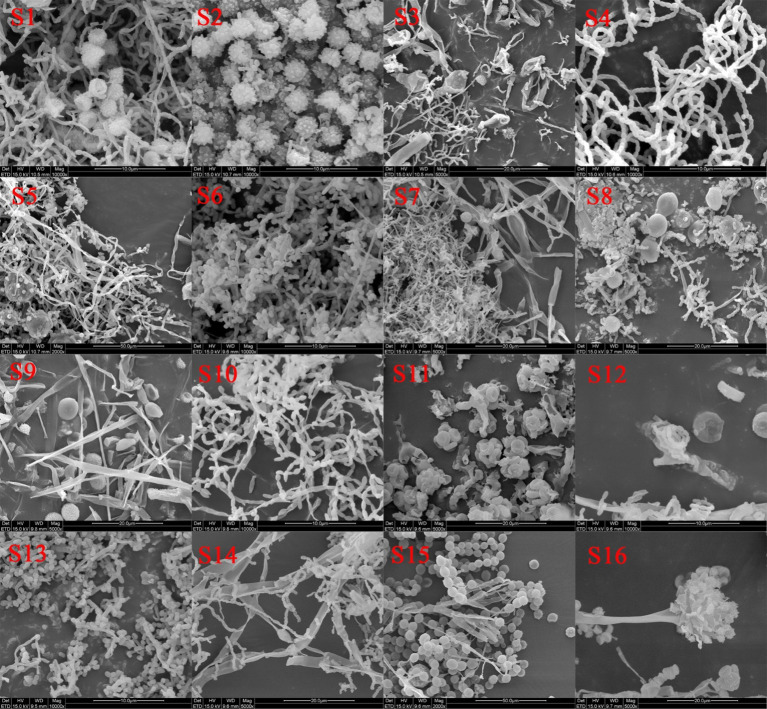 Figure 2
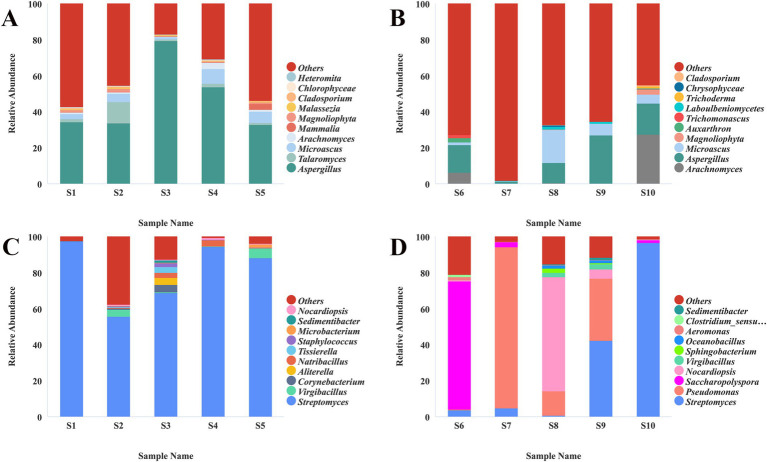 Figure 3
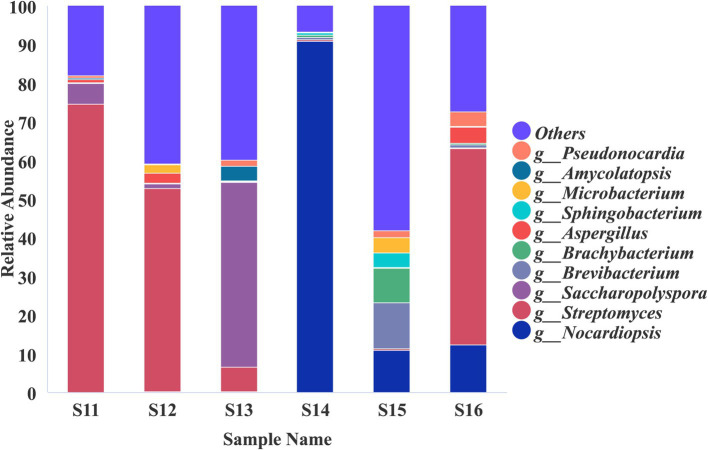 Figure 4
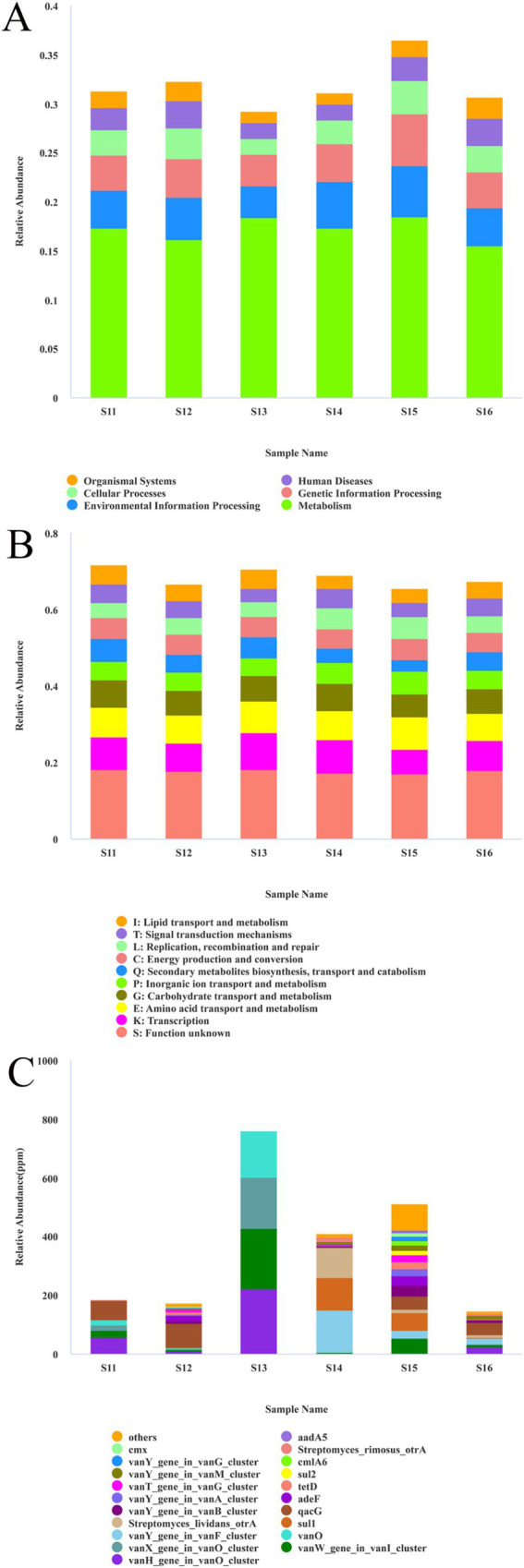 Figure 5
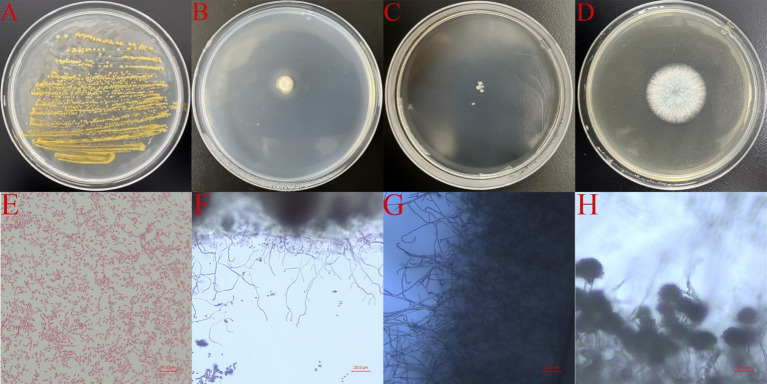 Figure 6
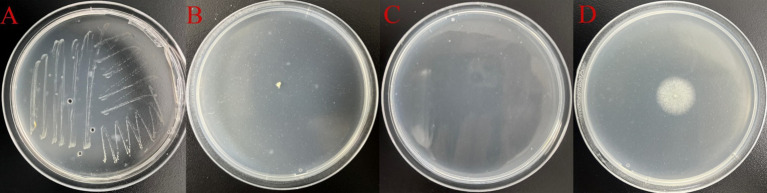 Figure 7
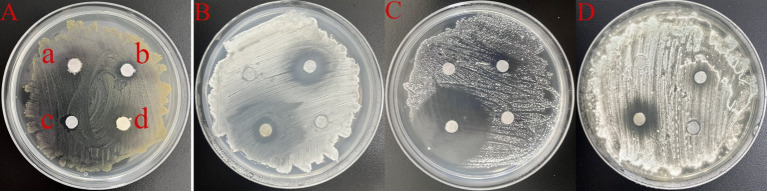 Figure 8
Peer Reviews
No public reviews on file for this paper yet. If you reviewed it on a platform where reviews are public (OpenReview, ICLR, NeurIPS, ICML), you can paste yours below so the community can read it here.
Videos
No videos yet. Explain this paper in a talk, walkthrough, or lecture? Add one.
Taxonomy
TopicsBuilding materials and conservation · Conservation Techniques and Studies · Cultural Heritage Materials Analysis