Successful pediatric heart transplantation with bivalirudin use in a cyanotic single ventricle patient with an intracorporeal continuous flow ventricular assist device and heparin-induced thrombocytopenia
Sandeep Sainathan, Leonardo Mulinari

TL;DR
A child with a heart condition successfully underwent heart transplant using bivalirudin, managed with special support due to blood clotting issues.
Contribution
Demonstrates successful management of bivalirudin-induced coagulopathy during pediatric heart transplant.
Findings
Bivalirudin was used safely in a patient with heparin-induced thrombocytopenia during heart transplant.
Coagulopathy was managed using extracorporeal membrane oxygenation and hemofiltration.
Successful outcome achieved despite complex coagulation challenges.
Abstract
We describe a case of profound coagulopathy during orthotopic heart transplantation in a cyanotic single ventricle pediatric patient with an intracorporeal continuous flow ventricular assist device performed on bivalirudin for heparin-induced thrombocytopenia. This was successfully managed with central veno-arterial extracorporeal membrane oxygenation and hemofiltration as an adjunct to treat bivalirudin-induced coagulopathy due to lack of a reversal agent for bivalirudin.
Genes, proteins, chemicals, diseases, species, mutations and cell lines named across the full text — each resolved to its canonical identifier and authoritative record.
Click any figure to enlarge with its caption.
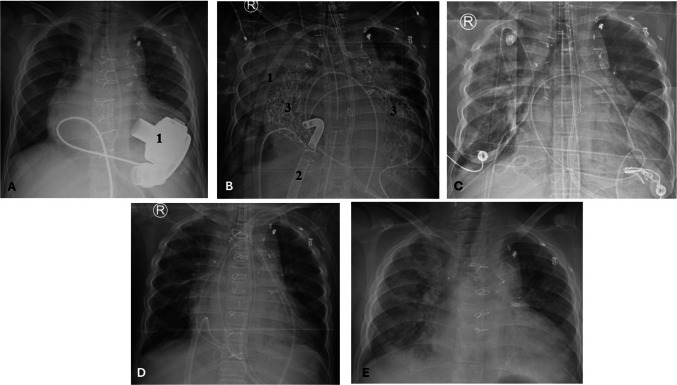 Figure 1
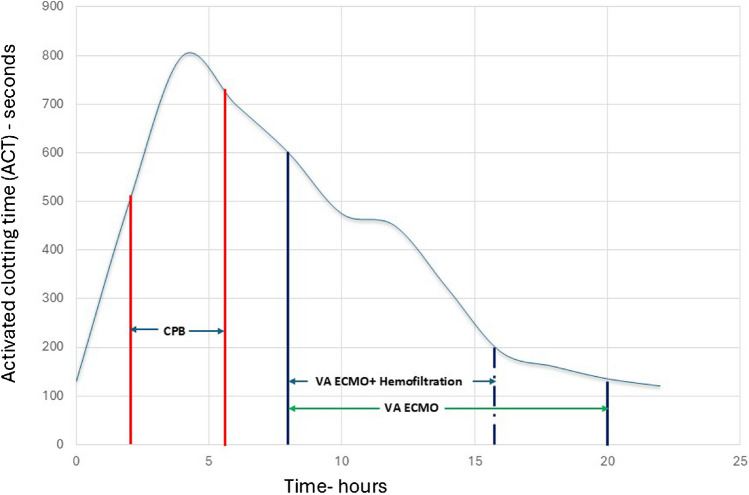 Figure 2
Peer Reviews
No public reviews on file for this paper yet. If you reviewed it on a platform where reviews are public (OpenReview, ICLR, NeurIPS, ICML), you can paste yours below so the community can read it here.
Videos
No videos yet. Explain this paper in a talk, walkthrough, or lecture? Add one.
Taxonomy
TopicsHeparin-Induced Thrombocytopenia and Thrombosis · Mechanical Circulatory Support Devices · Acute Myocardial Infarction Research