Er:YAG Laser Therapy for Xanthelasma Palpebrarum: A Retrospective Case Series Evaluating Clinical Efficacy, Safety, and Patient Outcomes in Periocular Lesion Management
Saman Al-Zahawi, Sara Masoomi, Ifa Etesami

TL;DR
This study shows that Er:YAG laser therapy is effective and safe for treating eyelid lesions called xanthelasma, with quick recovery and no side effects.
Contribution
The study demonstrates the efficacy and safety of Er:YAG laser for xanthelasma treatment with no recurrence or complications.
Findings
Three Er:YAG laser sessions effectively reduced xanthelasma lesions with patient satisfaction.
No recurrence or side effects were observed in 12 months post-treatment.
Er:YAG laser showed faster recovery and fewer complications compared to other laser types.
Abstract
Xanthelasma palpebrarum (XP) is a benign condition of the eyelid skin, characterized by the appearance of well-defined, bilateral, yellow-colored papules or plaques in the periorbital area. Although patients often seek dermatological consultation for cosmetic reasons, the associated medical implications, especially in younger individuals, hold significant medical importance. XP can be treated through various methods such as surgical removal, trichloroacetic acid (TCA) 70% application, cryotherapy, and laser procedures. Among the laser therapies (CO2, pulsed dye laser, and Er:YAG), which have proven effective due to their convenient application and fewer complications, the Er:YAG laser stands out for its potential to deliver faster recovery, fewer pigmentation changes, minimal scarring, and a shorter period of postlaser redness. This study evaluated Er:YAG laser for XP in four cases.…
Genes, proteins, chemicals, diseases, species, mutations and cell lines named across the full text — each resolved to its canonical identifier and authoritative record.
Click any figure to enlarge with its caption.
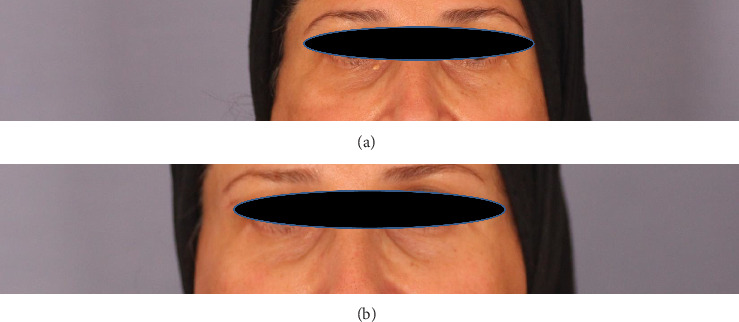 Figure 1
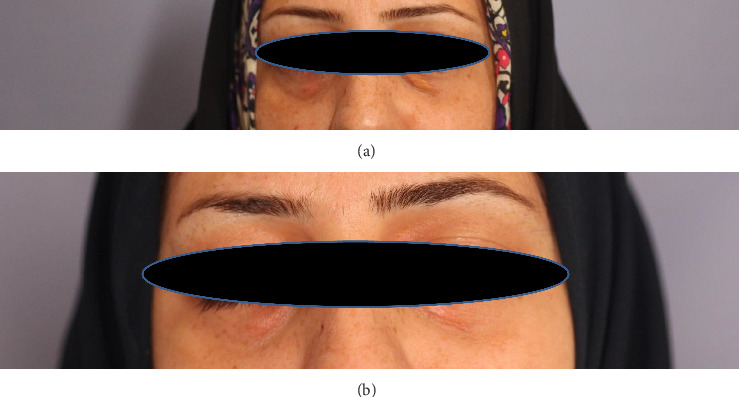 Figure 2
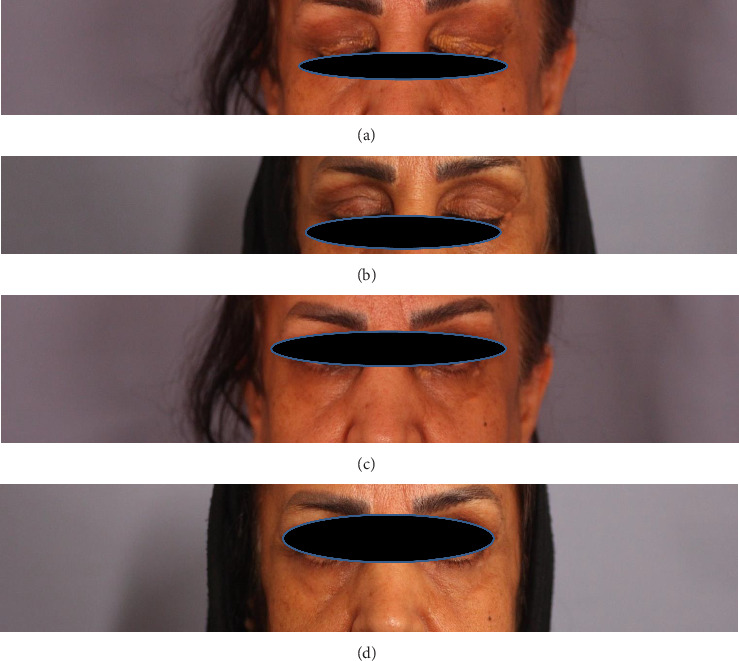 Figure 3
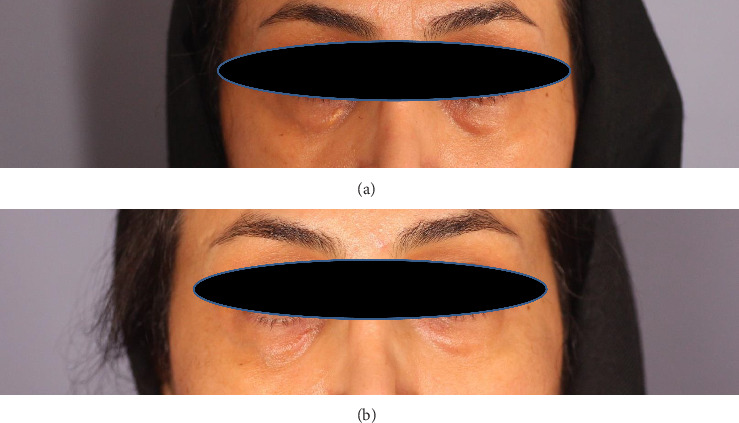 Figure 4
Peer Reviews
No public reviews on file for this paper yet. If you reviewed it on a platform where reviews are public (OpenReview, ICLR, NeurIPS, ICML), you can paste yours below so the community can read it here.
Videos
No videos yet. Explain this paper in a talk, walkthrough, or lecture? Add one.
Taxonomy
TopicsDermatologic Treatments and Research · Nail Diseases and Treatments · Cancer and Skin Lesions