Mass spectrometry-based discovery and diagnostic validation of T. cruzi antigens in the urine of congenitally infected Chagas Disease patients
Kathryn Cassels, Raghad Almofeez, Jessica Roman, Hannah Steinberg, Ahana Byne, Amanda Haymond, Freddy Tinajeros, María Del Carmen Menduiña, Edith Málaga Machaca, Manuela Verástegui, José Luis Ramírez, Lance Liotta, Robert H. Gilman, Alessandra Luchini

TL;DR
Researchers discovered T. cruzi antigens in the urine of infants with congenital Chagas disease, offering a non-invasive diagnostic method that could improve detection in low-resource areas.
Contribution
The study introduces a novel urinary diagnostic test using T. cruzi-specific peptides and antibodies, with one biomarker never used in Chagas disease diagnostics before.
Findings
198 T. cruzi-specific peptides were identified in infant urine samples.
Antibodies against trans-sialidase and mucin-associated surface proteins achieved 87.5% sensitivity and 94.7% specificity in diagnosing Chagas disease.
A lateral flow immunoassay was validated for potential use in low-resource settings.
Abstract
Caused by the parasite Trypanosoma cruzi, Chagas disease affects an estimated 7 million people globally. Diagnosis of Chagas disease in infants is urgently needed, as early detection allows for more effective treatment and reduced mortality. However, current diagnostics are inappropriate for effective detection in infants due to differences in the mechanism of disease in infants and the infant immune system, as well as lack of diagnostic sensitivity and loss to follow up. Studying peripheral biomarkers in urine can leverage physiological concentration in the bladder to increase yield of proteins secreted by pathogen, infected cells, or antigen processed by immune cells residing in different body sites. We analyzed the urine of a cohort of infants who were congenitally infected with Chagas disease, using a method including affinity enrichment, mass spectrometry, and bioinformatics…
Genes, proteins, chemicals, diseases, species, mutations and cell lines named across the full text — each resolved to its canonical identifier and authoritative record.
Click any figure to enlarge with its caption.
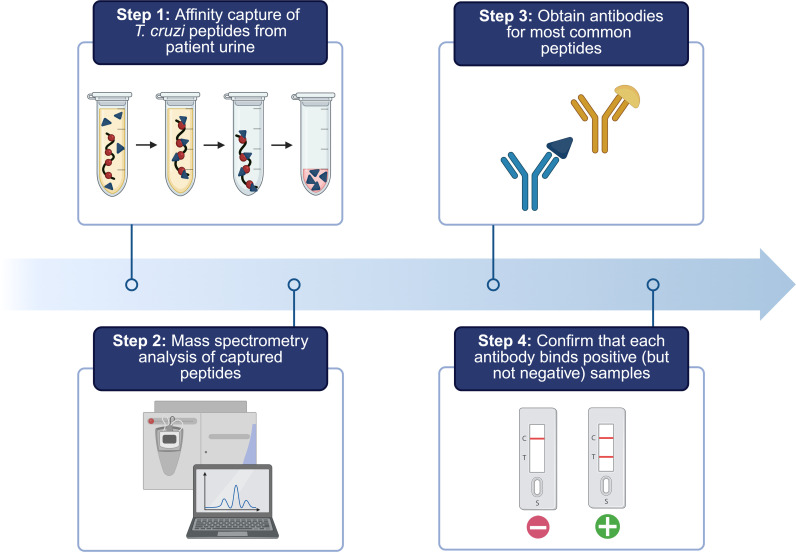 Figure 1
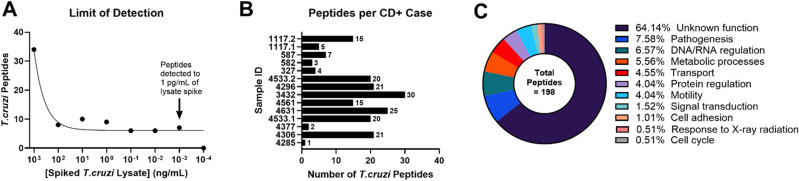 Figure 2
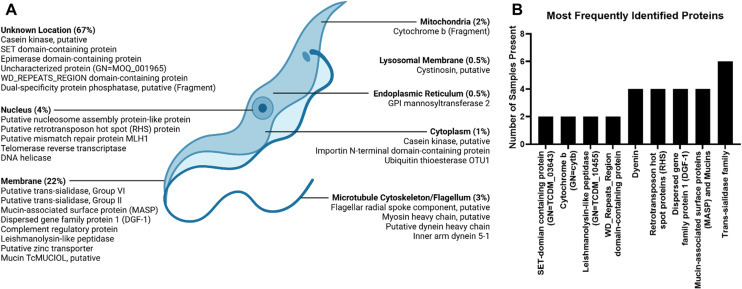 Figure 3
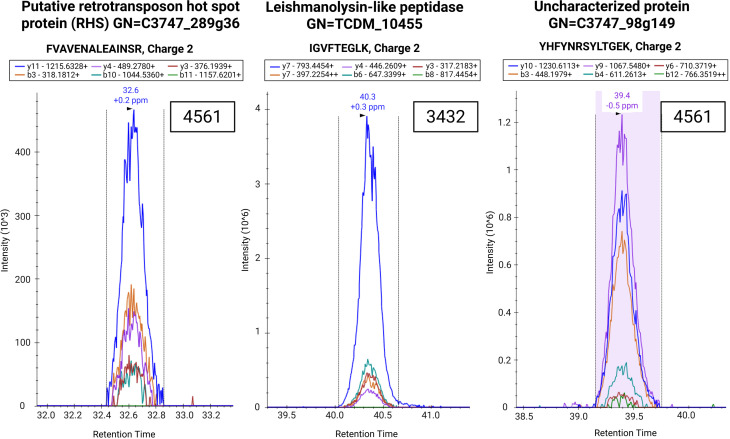 Figure 4
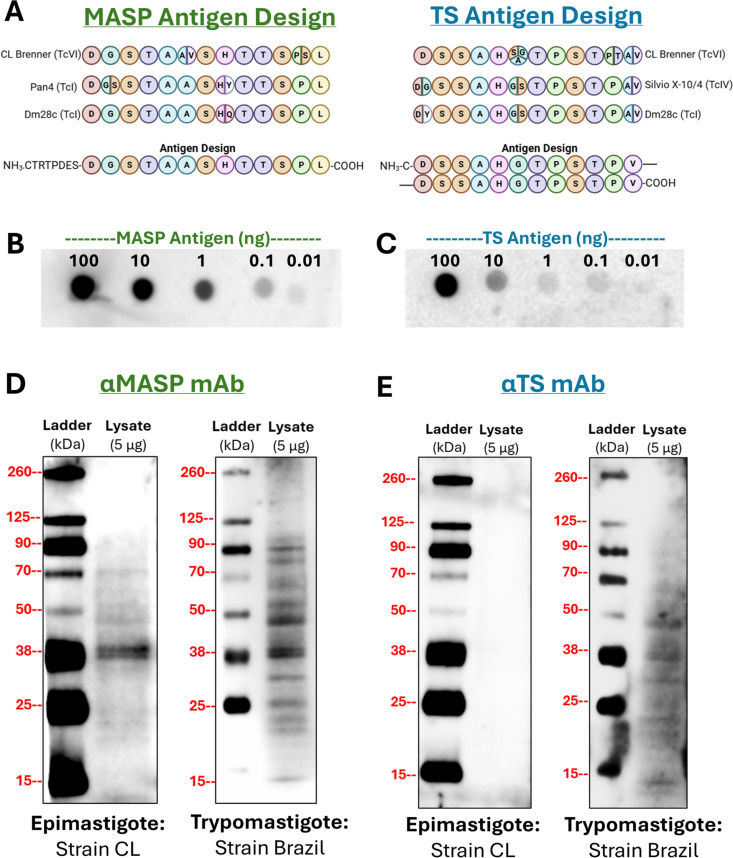 Figure 5
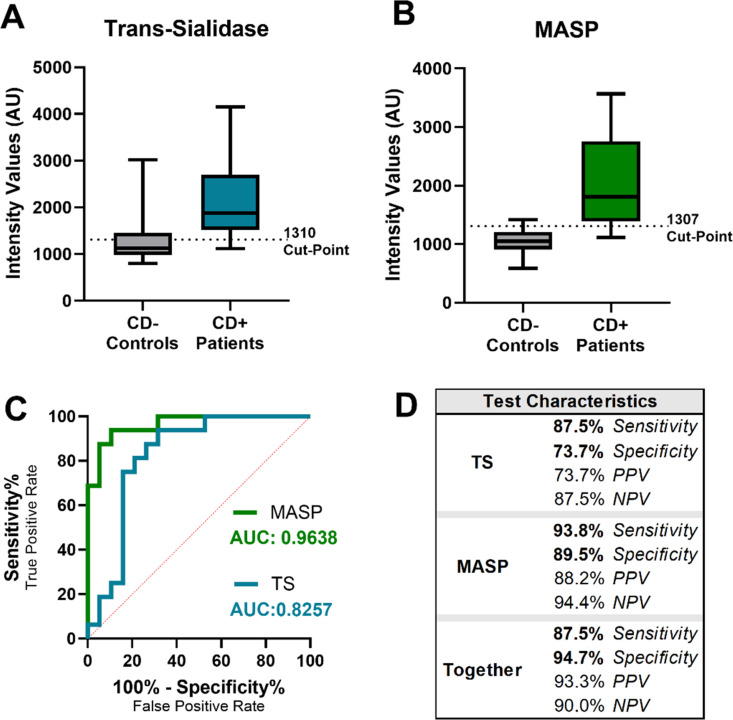 Figure 6
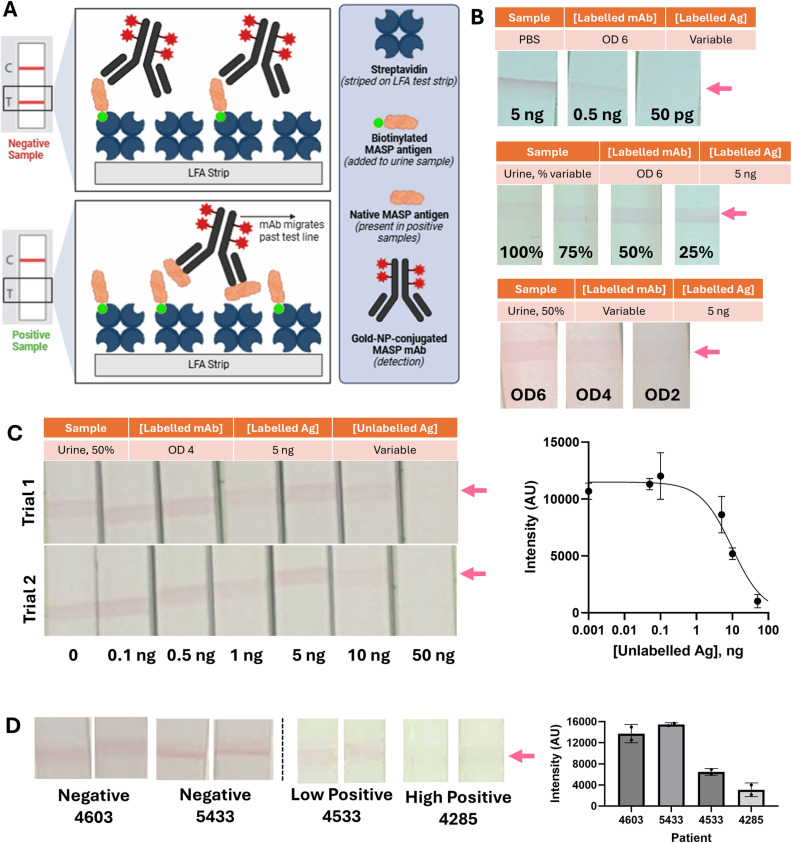 Figure 7
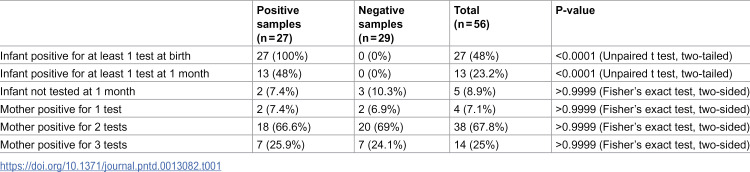 Figure 8
Peer Reviews
No public reviews on file for this paper yet. If you reviewed it on a platform where reviews are public (OpenReview, ICLR, NeurIPS, ICML), you can paste yours below so the community can read it here.
Videos
No videos yet. Explain this paper in a talk, walkthrough, or lecture? Add one.
Taxonomy
TopicsTrypanosoma species research and implications · Biochemical and Molecular Research · Research on Leishmaniasis Studies