Stakeholders perspective of integrating female genital schistosomiasis into HIV care: A qualitative study in Ghana
Emmanuel Asampong, Franklin N. Glozah, Adanna Nwameme, Ruby Hornuvo, Edward Mberu Kamau, Philip Teg-Nefaah Tabong, Hira L Nakhasi, Hira L Nakhasi, Hira L Nakhasi

TL;DR
This study explores challenges and opportunities for integrating FGS and HIV care in Ghana, highlighting knowledge gaps and barriers like stigma and resource shortages.
Contribution
The study provides stakeholder insights into integrating FGS and HIV services in Ghana, emphasizing the need for training and clinical protocols.
Findings
Community Health Officers and community members showed limited knowledge of FGS, often misclassifying it as an STI.
Barriers to integration included stigma, cultural beliefs, provider attitudes, and resource shortages.
Training health workers and developing standardized protocols are essential for effective FGS-HIV integration.
Abstract
In Sub-Saharan Africa (SSA), HIV remains the leading cause of adult premature death. The rising prevalence of Female Genital Schistosomiasis (FGS) in SSA, including Ghana, has led to a growing dual burden of HIV-FGS cases. This trend has prompted the WHO to advocate for integrated HIV and FGS services. This study examined stakeholder perspectives on integrating FGS prevention and control with HIV care in endemic areas of Ghana. The study took place in Ga South Municipality, Greater Accra Region, Ghana. A qualitative approach combining narrative and phenomenological designs was used. Data collection included Focus Group Discussions with Community Health Officers (CHOs) (n = 9), and Key Informant Interviews with healthcare providers at regional, district, and community levels (n = 13). In-depth interviews were also conducted with individuals affected by FGS and HIV (n = 13), female…
Genes, proteins, chemicals, diseases, species, mutations and cell lines named across the full text — each resolved to its canonical identifier and authoritative record.
Click any figure to enlarge with its caption.
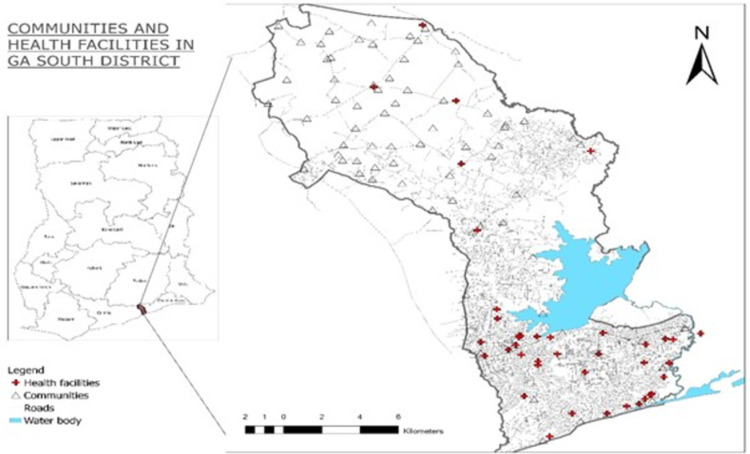 Figure 1
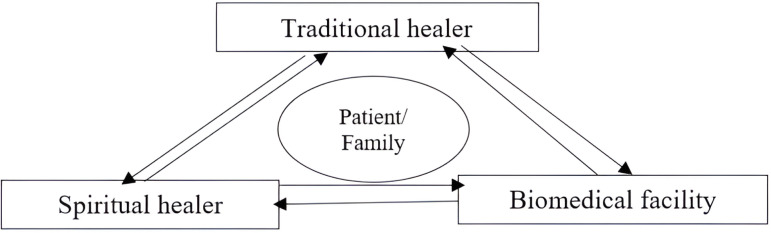 Figure 2
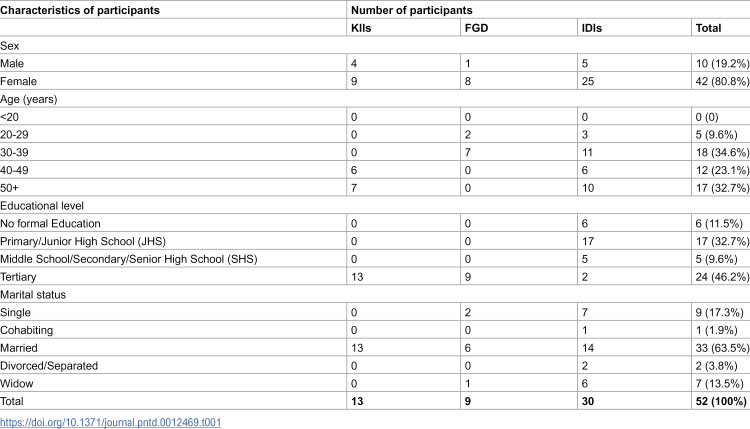 Figure 3
Peer Reviews
No public reviews on file for this paper yet. If you reviewed it on a platform where reviews are public (OpenReview, ICLR, NeurIPS, ICML), you can paste yours below so the community can read it here.
Videos
No videos yet. Explain this paper in a talk, walkthrough, or lecture? Add one.
Taxonomy
TopicsParasites and Host Interactions · Global Maternal and Child Health · Global Health and Surgery