An auditory cortical-striatal circuit supports sound-triggered timing to predict future events
Harini Suri, Karla Salgado-Puga, Yixuan Wang, Nayomie Allen, Kaitlynn Lane, Kyra Granroth, Alberto Olivei, Nathanial Nass, Gideon Rothschild, Christian Schnell, PhD, Christian Schnell, PhD

TL;DR
This study explores how sound cues help mice predict future events by identifying a brain circuit connecting the auditory cortex and striatum.
Contribution
The study identifies a causal auditory cortical-striatal circuit involved in sound-triggered timing prediction.
Findings
Mice trained on sound-triggered reward tasks reliably estimate time intervals based on sound cues.
Auditory cortex inactivation impairs sound-triggered timing prediction.
Neural coordination between auditory cortex and posterior striatum supports sound-triggered timing prediction.
Abstract
A crucial aspect of auditory perception is the ability to use sound cues to predict future events and to time actions accordingly. For example, the sound of an approaching vehicle signals when it is safe to cross the street; distinct smartphone notification sounds reflect a call that needs to be answered within a few seconds, or a text that can be read later. Other animals similarly use sounds to plan, time and execute behaviors such as hunting, evading predation and tending to offspring. However, the neural mechanisms that underlie sound-guided prediction of upcoming salient event timing are not well understood. To address this gap, we employed an appetitive sound-triggered reward time prediction behavior in head-fixed mice. We find that mice trained on this task reliably estimate the time from a sound cue to upcoming reward on the scale of a few seconds, as demonstrated by…
Genes, proteins, chemicals, diseases, species, mutations and cell lines named across the full text — each resolved to its canonical identifier and authoritative record.
Click any figure to enlarge with its caption.
 Figure 1
 Figure 2
 Figure 3
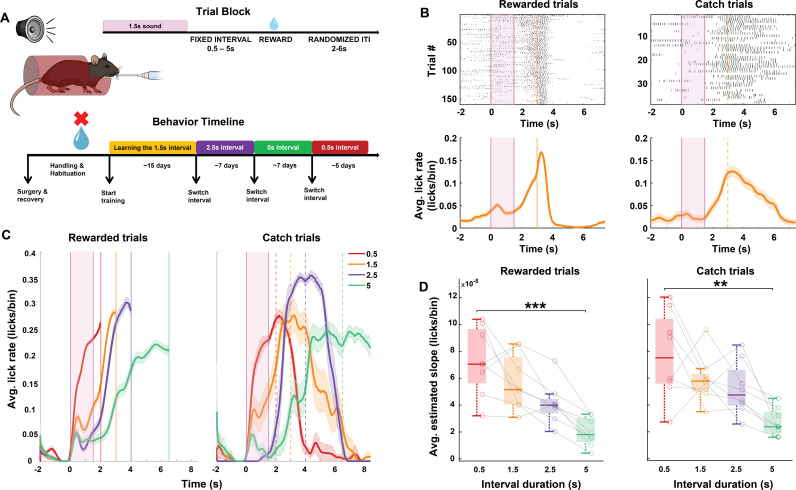 Figure 4
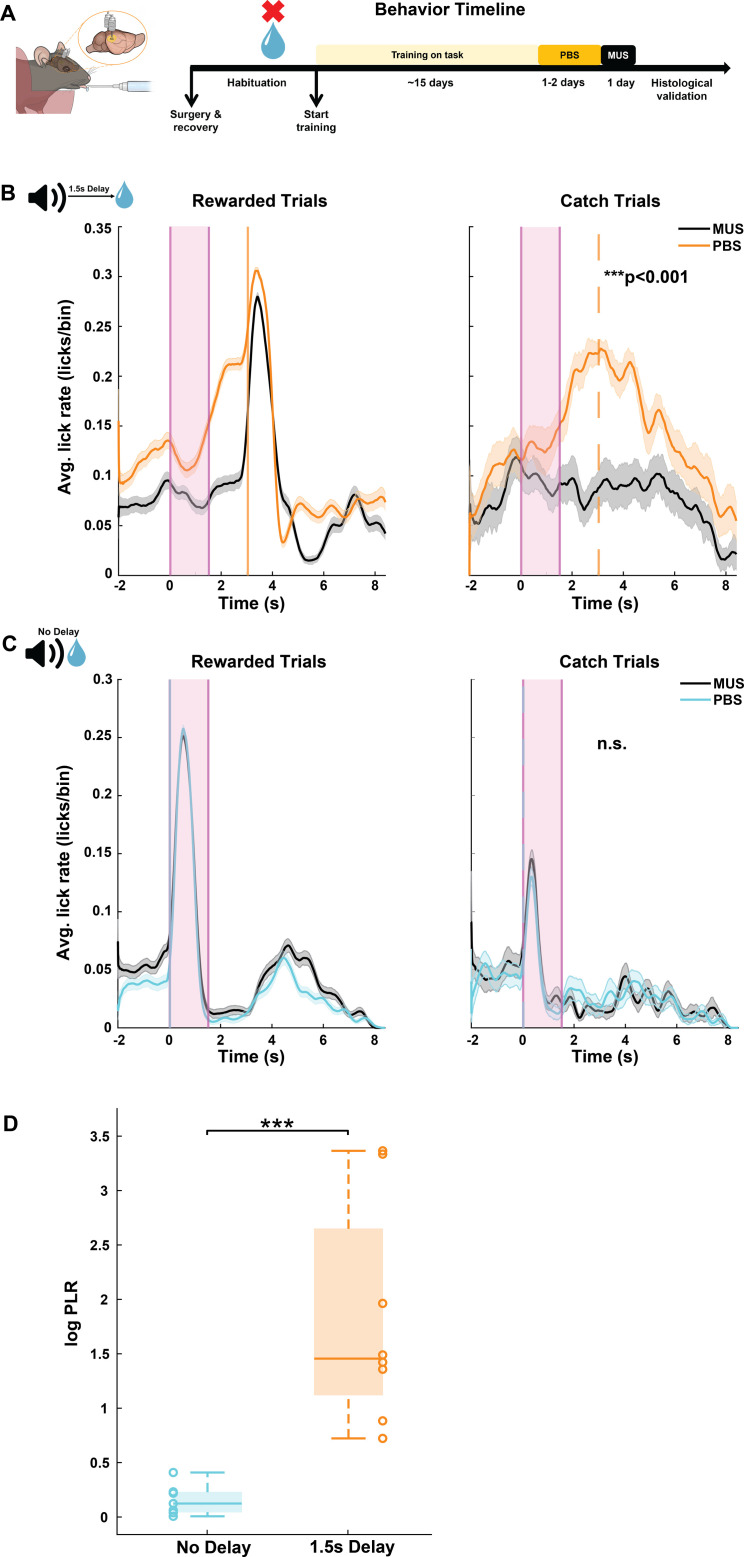 Figure 5
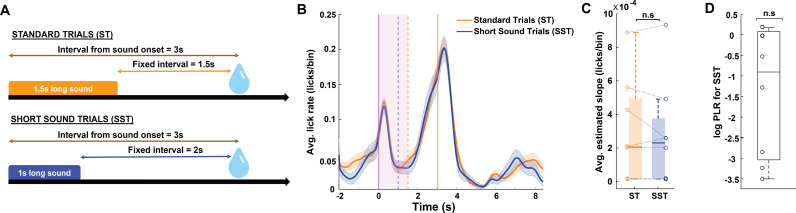 Figure 6
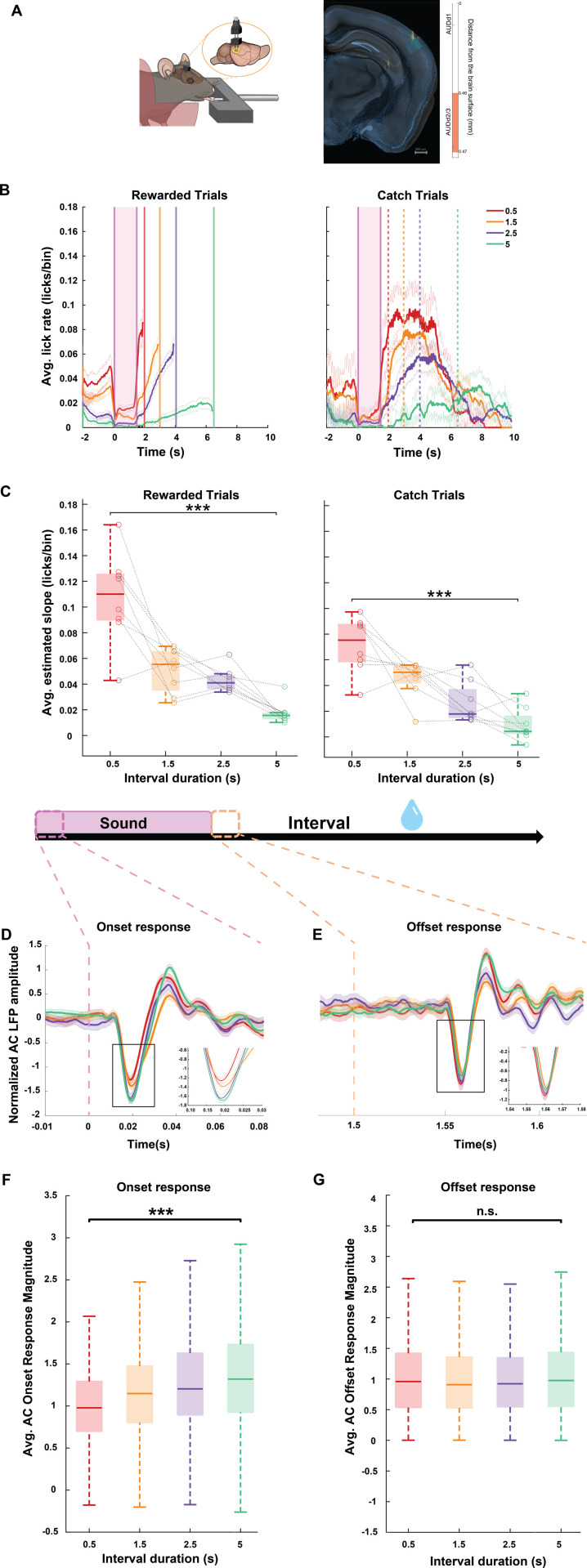 Figure 7
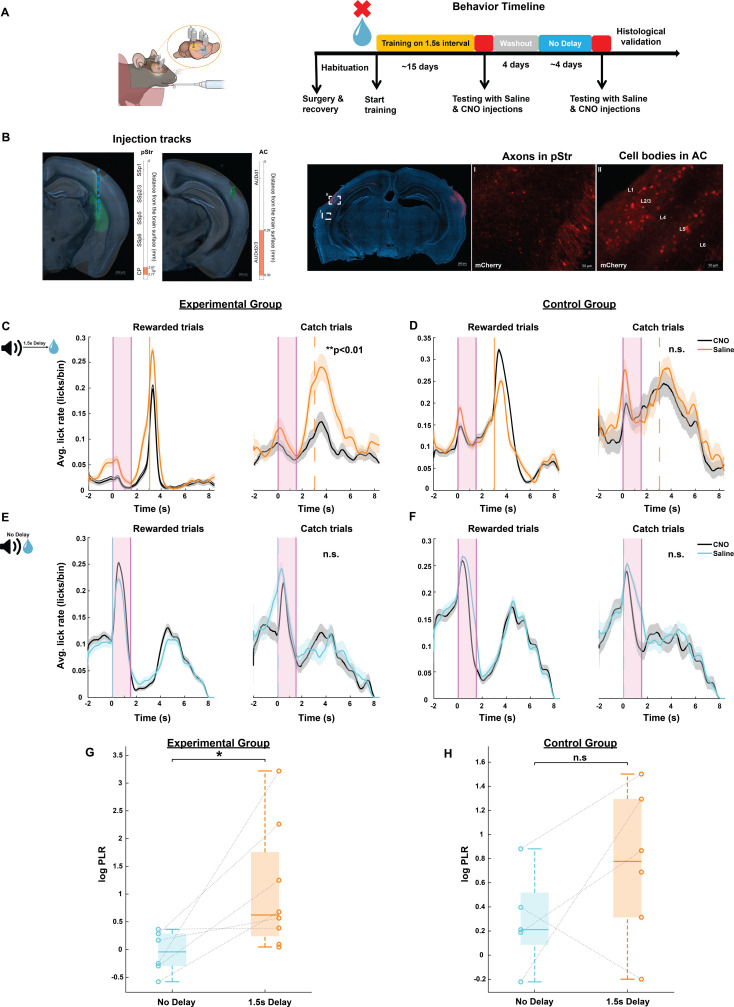 Figure 8
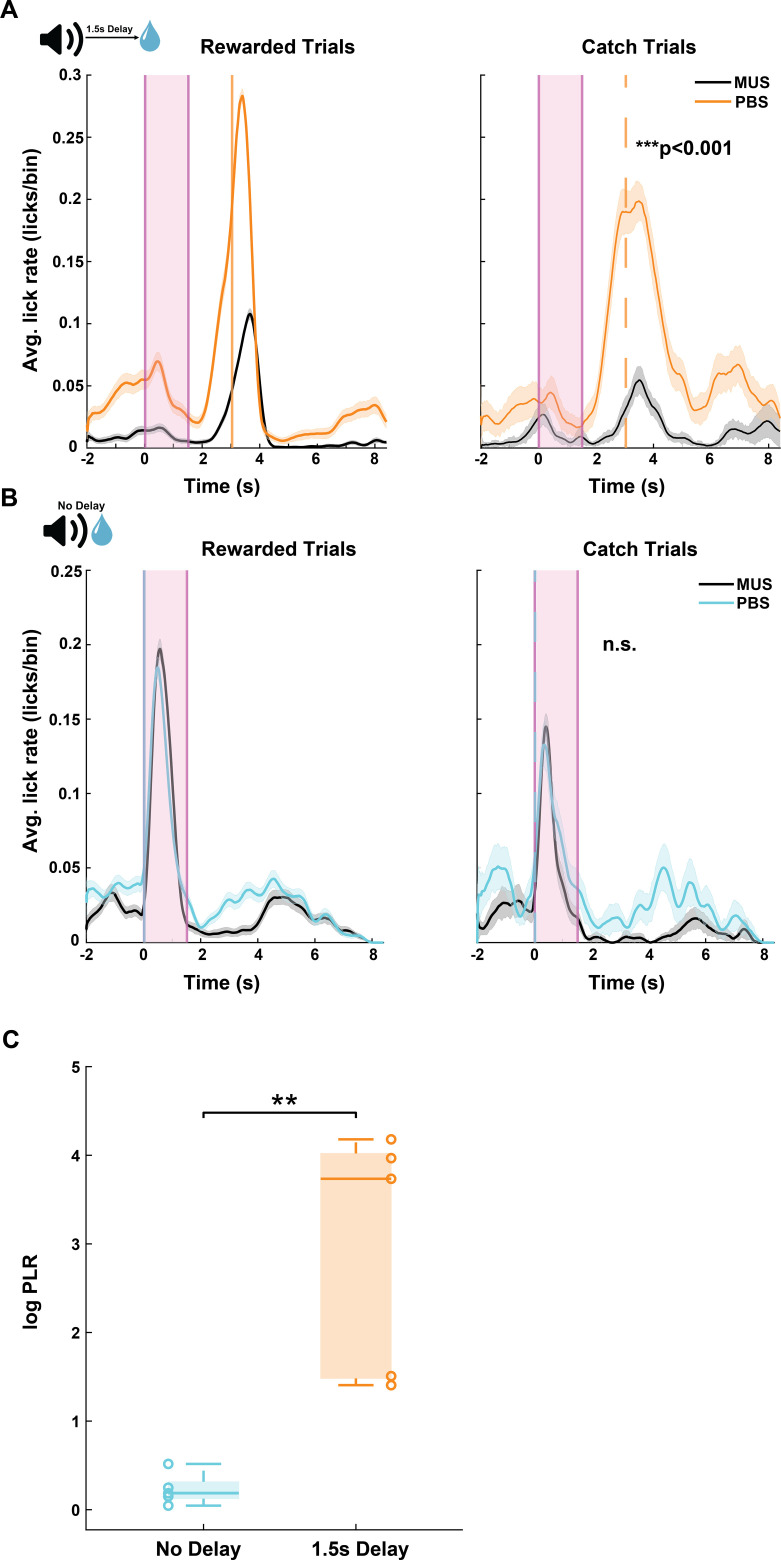 Figure 9
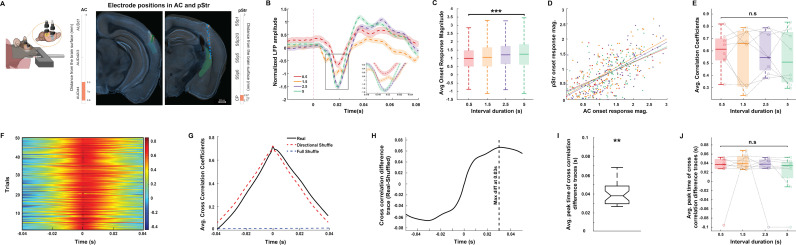 Figure 10
Peer Reviews
No public reviews on file for this paper yet. If you reviewed it on a platform where reviews are public (OpenReview, ICLR, NeurIPS, ICML), you can paste yours below so the community can read it here.
Videos
No videos yet. Explain this paper in a talk, walkthrough, or lecture? Add one.
Taxonomy
TopicsNeuroscience and Music Perception · Hearing Loss and Rehabilitation · Music and Audio Processing