Feasibility of a 12-Week, Therapist-Independent, Smartphone-Based Biofeedback Treatment for Episodic Migraine in Adults: Single-Center, Open-Label, 1-Armed Trial
Amalie Christine Poole, Ingunn Grøntveit Winnberg, Melanie Rae Simpson, Anker Stubberud, Kjersti Grøtta Vetvik, Marte-Helene Bjørk, Lise Rystad Øie, Petter Holmboe, Alexander Olsen, Erling Tronvik, Tore Wergeland

TL;DR
A new smartphone-based biofeedback device for migraine treatment showed high initial engagement but declining use over time due to technical issues.
Contribution
The study introduces a therapist-independent biofeedback device for migraine prevention and evaluates its feasibility and usability.
Findings
Initial adherence to the biofeedback system was high but dropped significantly by weeks 9-12.
eDiary adherence remained consistently high throughout the 12-week trial.
No safety concerns were reported, but software issues affected app usability.
Abstract
Biofeedback is an established treatment principle for migraine, but home-based therapy with proven efficacy is not available. This study aims to assess the feasibility, usability, and safety of 12 weeks of daily use of a novel medical device (Cerebri; Nordic Brain Tech AS) for therapist-independent multimodal biofeedback preventative treatment in adults with episodic migraine. In this open-label, one-armed trial, 20 adult participants with episodic migraine used Cerebri for 12 weeks. The primary outcome was the feasibility of the Cerebri system, measured by the level of adherence to daily biofeedback and electronic headache diary (eDiary) entries. Secondary outcomes were safety, usability, and efficacy. Initial adherence to biofeedback was high (16/20, 80% in weeks 1‐4), declining to 20% (4/20) by weeks 9‐12. eDiary adherence remained high (15/20, 75% in weeks 9‐12). Reduction in…
Genes, proteins, chemicals, diseases, species, mutations and cell lines named across the full text — each resolved to its canonical identifier and authoritative record.
Click any figure to enlarge with its caption.
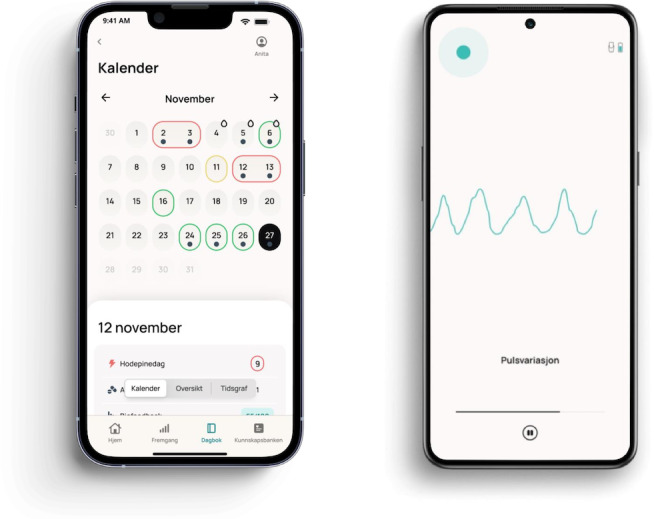 Figure 1
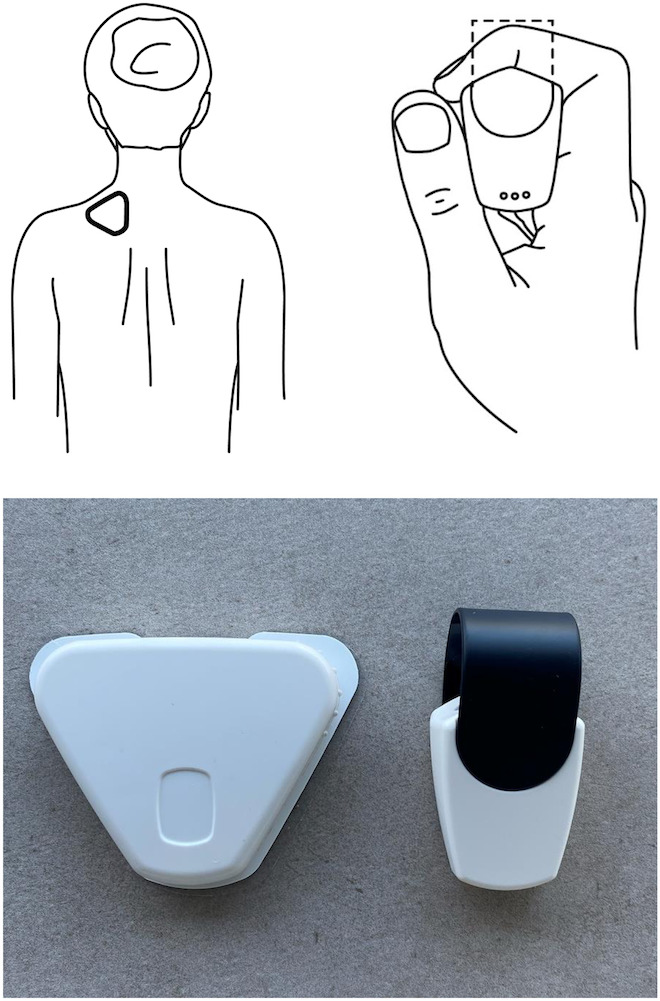 Figure 2
 Figure 3
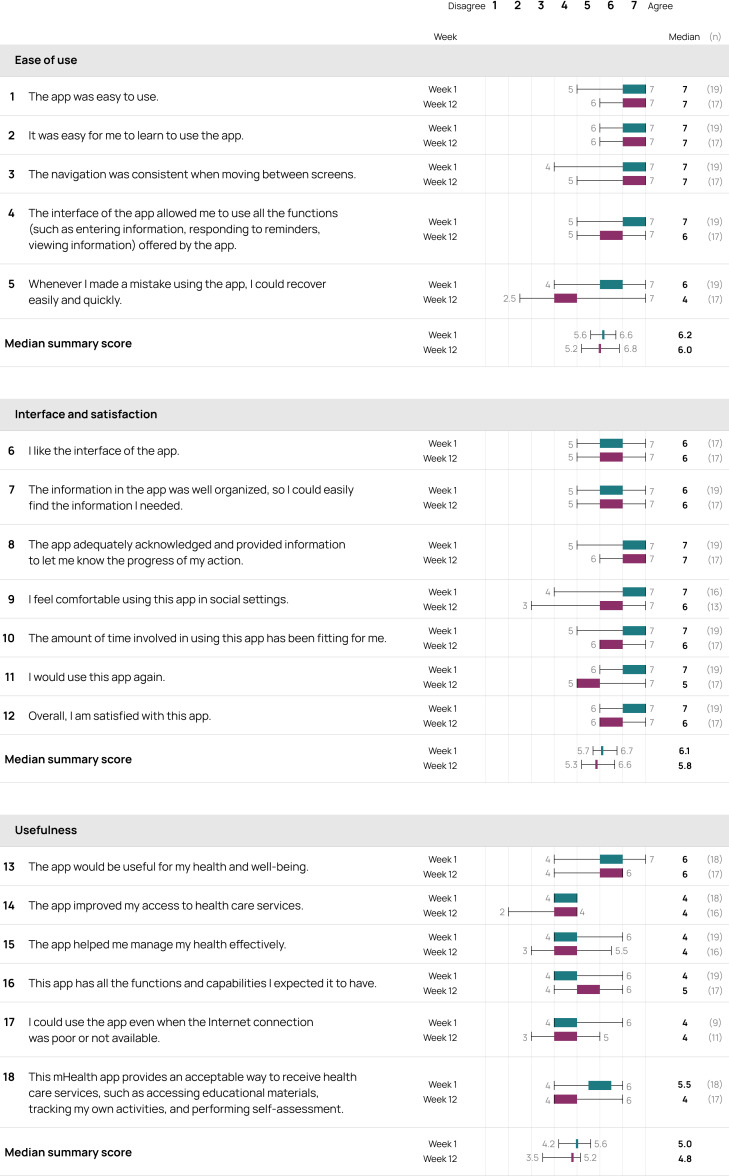 Figure 4
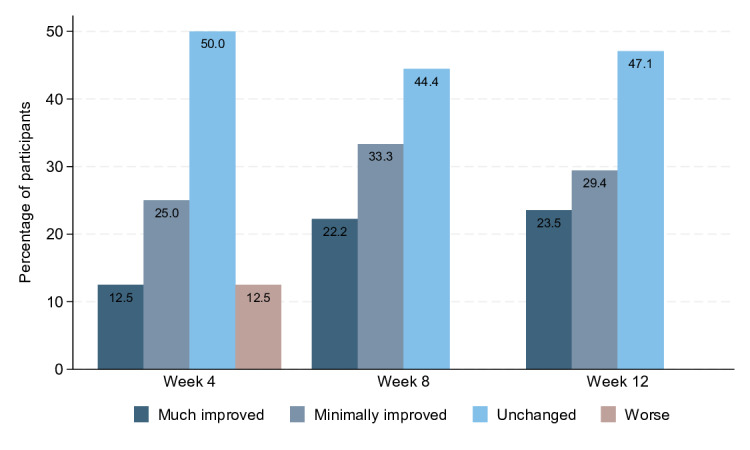 Figure 5
Peer Reviews
No public reviews on file for this paper yet. If you reviewed it on a platform where reviews are public (OpenReview, ICLR, NeurIPS, ICML), you can paste yours below so the community can read it here.
Videos
No videos yet. Explain this paper in a talk, walkthrough, or lecture? Add one.
Taxonomy
TopicsMigraine and Headache Studies · Olfactory and Sensory Function Studies