Dissecting Uricase Immunogenicity: Unveiling the Role of Quaternary Epitopes through In Silico Analysis: Quaternary Epitope Insights in Uricase Immunogenicity
Mohammad Reza Rahbar, Navid Nezafat, Mohammad Hossein Morowvat, Amir Savardashtaki, Mohammad Bagher Ghoshoon, Kamran Mehrabani-Zeinabad, Younes Ghasemi

TL;DR
This study explores how uricase, an enzyme used to treat high uric acid, triggers immune responses, focusing on new types of epitopes formed by protein chain interactions.
Contribution
The study introduces quaternary epitopes as a novel factor in uricase immunogenicity through in silico analysis.
Findings
Conserved structural motifs and similar localization of linear and conformational epitopes were identified across uricase variants.
Quaternary epitopes formed by inter-chain interactions were discovered and linked to immune responses.
The findings suggest new strategies for reducing uricase immunogenicity.
Abstract
Protein-based therapeutics offer remarkable precision and effectiveness, yet their immunogenic potential remains a significant challenge. Uricase, an enzyme used to treat hyperuricemia, is no exception, often eliciting immune responses due to its non-human origins and repeated administration requirements. Understanding the immunogenic mechanisms at play is crucial for enhancing therapeutic efficacy. This in silico study investigates the immunogenic landscape of uricase, focusing on the identification of linear, conformational, and the underexplored quaternary epitopes. Using a comprehensive approach, we analyzed multiple uricase variants through structural alignments, epitope prediction algorithms, and network-based residue interaction models. Predictive tools, including BepiPred, DiscoTope, and SEMA, were employed to identify epitope regions, with a novel focus on quaternary epitopes…
Genes, proteins, chemicals, diseases, species, mutations and cell lines named across the full text — each resolved to its canonical identifier and authoritative record.
Click any figure to enlarge with its caption.
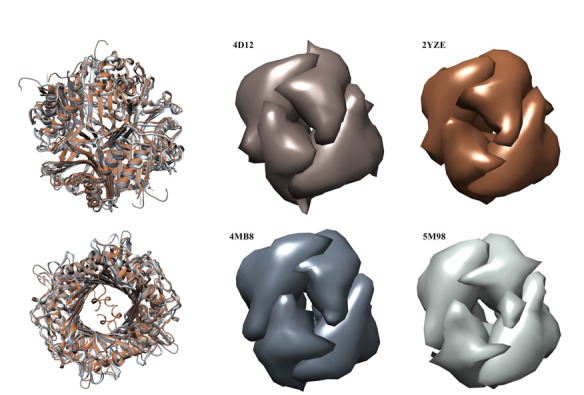 Figure 1
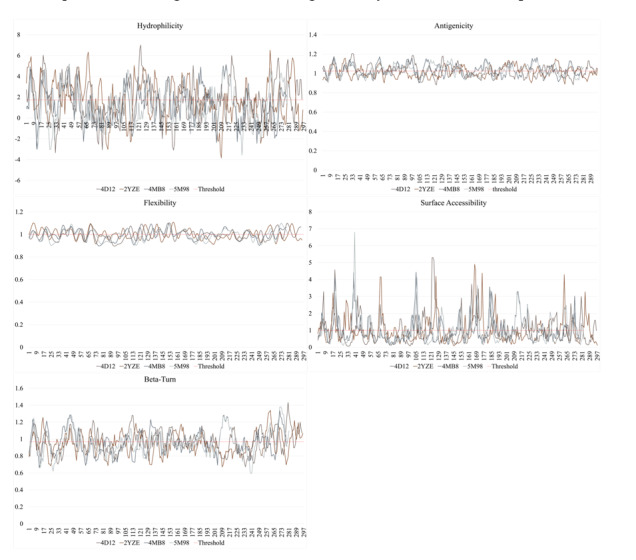 Figure 2
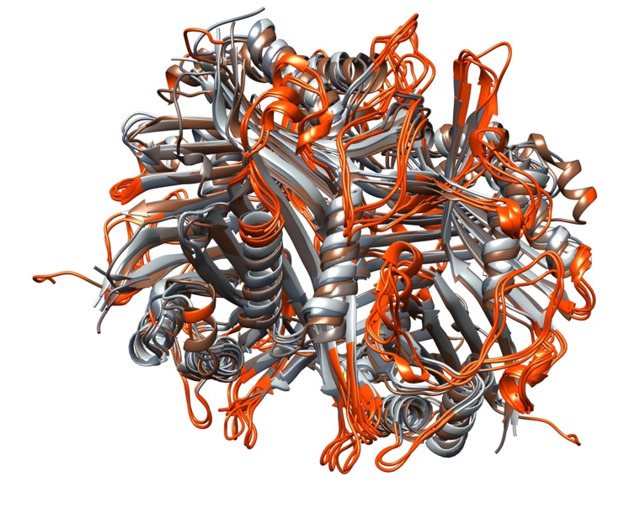 Figure 3
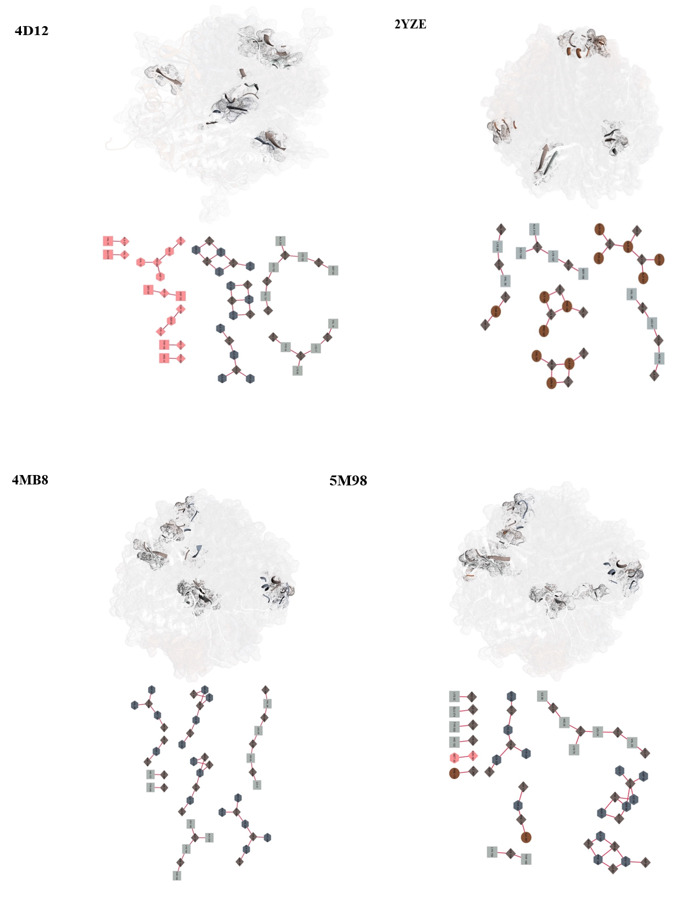 Figure 4
Peer Reviews
No public reviews on file for this paper yet. If you reviewed it on a platform where reviews are public (OpenReview, ICLR, NeurIPS, ICML), you can paste yours below so the community can read it here.
Videos
No videos yet. Explain this paper in a talk, walkthrough, or lecture? Add one.
Taxonomy
TopicsBlood groups and transfusion · Immunodeficiency and Autoimmune Disorders · Reproductive tract infections research