The Dental and Oral Significance of Hutchinson-Gilford Prfogeria Syndrome: The Dental and Oral Significance of Hutchinson-Gilford Prfogeria Syndrome
Safa Saeed, Jawaher Abdulaziz Alhababi, Fatimah Alanazi, Amal Albarrak, Halh Alabdulmonem, Alanoud Inad Alenazi, Maha Alsane, Myle Akshay Kiran

TL;DR
This paper reviews the dental and oral issues in Hutchinson-Gilford Progeria Syndrome, highlighting their importance for diagnosis and treatment.
Contribution
The paper provides a comprehensive overview of oral manifestations in HGPS and emphasizes the need for multidisciplinary care.
Findings
HGPS patients show dental issues like delayed eruption, microdontia, and tooth loss.
A multidisciplinary approach is needed for managing HGPS-related oral complications.
Advances in genetic research may lead to targeted therapies for HGPS dental problems.
Abstract
Hutchinson-Gilford Progeria Syndrome (HGPS) is a rare genetic disorder caused by a point mutation in the LMNA gene that encodes lamin A. This mutation results in the production of progerin, a defective protein that accelerates cellular aging. This review explores the oral and dental manifestations of HGPS, emphasizing their role in early diagnosis, management strategies, and the potential for targeted therapies. A thorough review of existing literature was conducted to summarize the phenotypic characteristics, oral health implications, and current approaches for the management of HGPS-related complications. Individuals with HGPS exhibit age-associated complications starting in early childhood, including distinct craniofacial abnormalities and severe oral health challenges. Common oral manifestations include delayed tooth eruption, microdontia, malocclusion, dental caries, tooth loss,…
Genes, proteins, chemicals, diseases, species, mutations and cell lines named across the full text — each resolved to its canonical identifier and authoritative record.
Click any figure to enlarge with its caption.
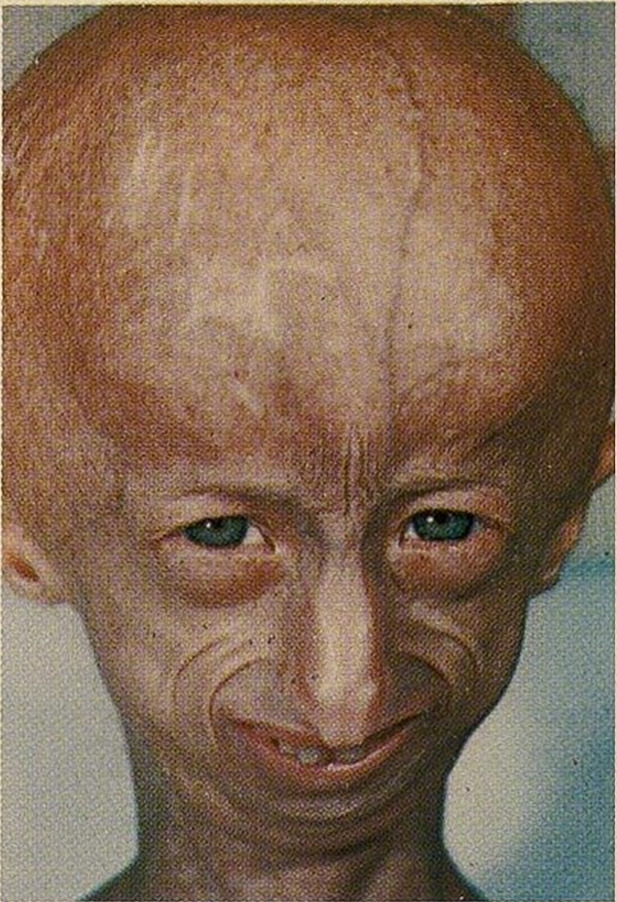 Figure 1
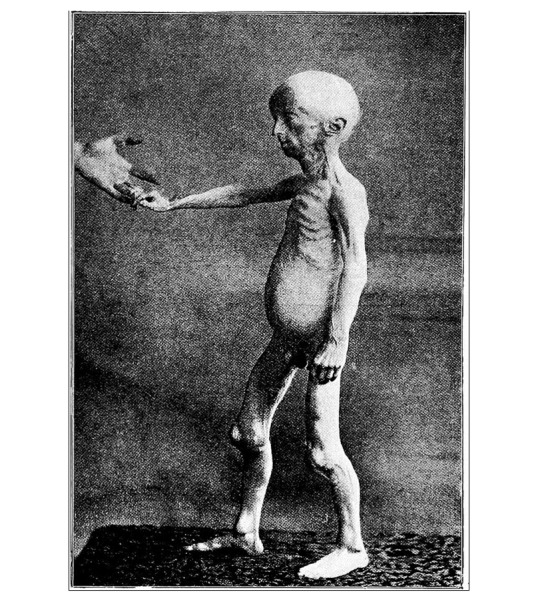 Figure 2
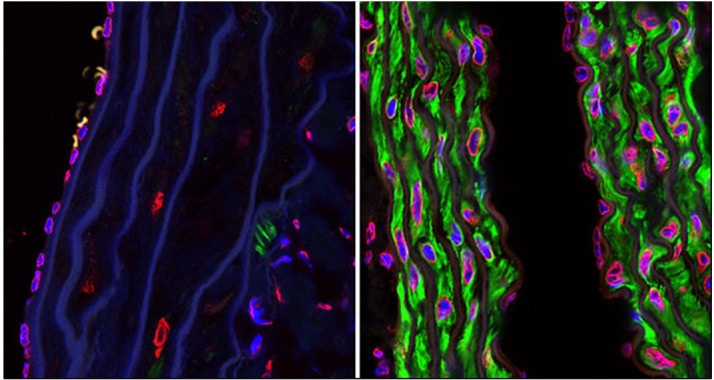 Figure 3
Peer Reviews
No public reviews on file for this paper yet. If you reviewed it on a platform where reviews are public (OpenReview, ICLR, NeurIPS, ICML), you can paste yours below so the community can read it here.
Videos
No videos yet. Explain this paper in a talk, walkthrough, or lecture? Add one.
Taxonomy
TopicsNuclear Structure and Function · Sexual Differentiation and Disorders · Genital Health and Disease