A Case Report on Ventriculoperitoneal Shunt Insertion Using a Novel Modification: The Receded Shunt Technique
Candice Marie Elizabeth D Tiongson, Joseph Erroll V Navarro, Oliver Ryan M Malilay

TL;DR
A new technique for placing a brain shunt improves patient comfort and appearance by reducing skin tension and valve prominence.
Contribution
The paper introduces a novel 'receded shunt technique' to enhance cosmesis and comfort in ventriculoperitoneal shunt insertion.
Findings
The receded shunt technique involves creating a depression in the skull for the shunt valve.
This modification reduces skin tension and improves patient comfort.
The technique offers better cosmesis compared to traditional methods.
Abstract
A 36-year-old female with obstructive hydrocephalus secondary to adult-onset aqueductal stenosis and a right posterior parietal ventriculoperitoneal shunt presented with headaches and discomfort whenever the skin overlying her current valve was touched during hygiene and hair combing. She was diagnosed with a shunt malfunction and underwent removal of the previous shunt and insertion of a new shunt at the left frontal region using a novel method - the receded shunt technique. This involves creating a depression in the outer table where the shunt valve will be set to eliminate the apparent prominence of the valve. The advantages of this approach include better cosmesis, decreased skin tension, and increased patient comfort. Indeed, a simple modification such as this can provide a significant improvement to this age-old neurosurgical procedure.
Genes, proteins, chemicals, diseases, species, mutations and cell lines named across the full text — each resolved to its canonical identifier and authoritative record.
Click any figure to enlarge with its caption.
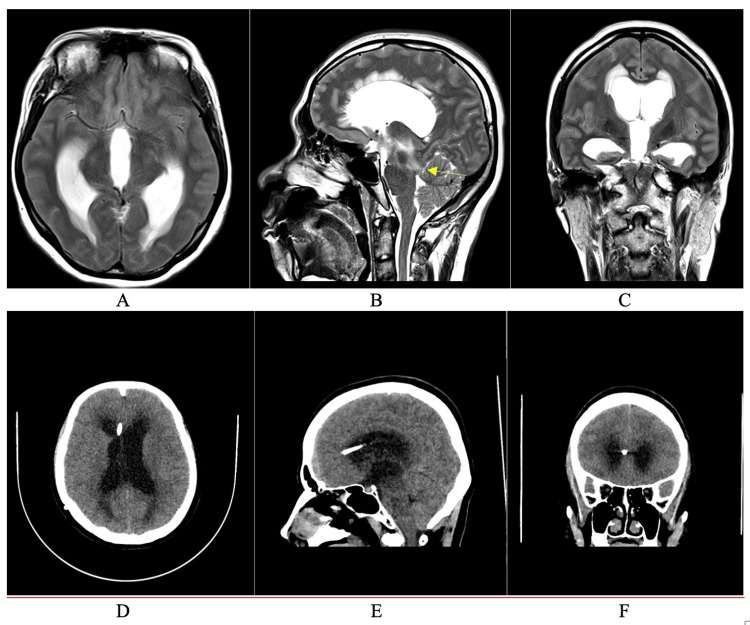 Figure 1
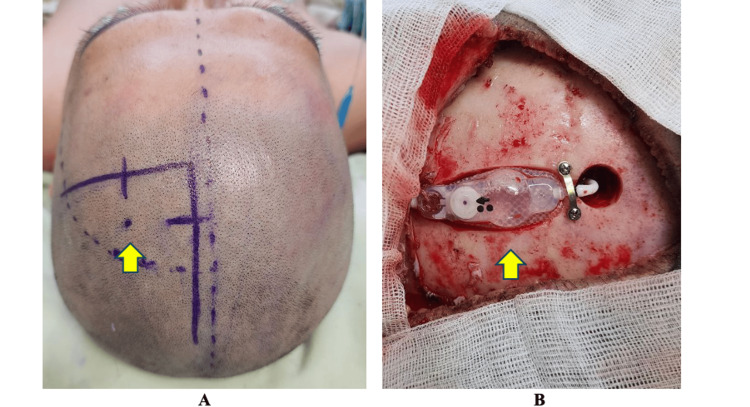 Figure 2
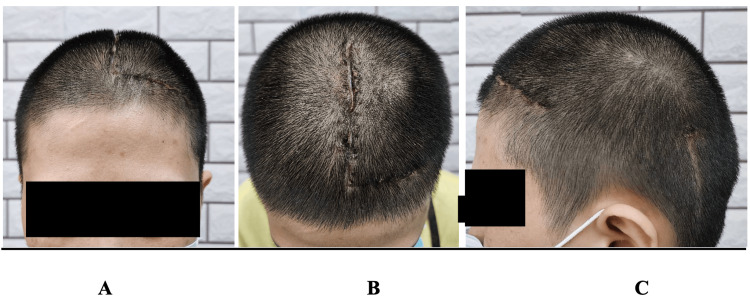 Figure 3
Peer Reviews
No public reviews on file for this paper yet. If you reviewed it on a platform where reviews are public (OpenReview, ICLR, NeurIPS, ICML), you can paste yours below so the community can read it here.
Videos
No videos yet. Explain this paper in a talk, walkthrough, or lecture? Add one.
Taxonomy
TopicsCerebrospinal fluid and hydrocephalus · Traumatic Brain Injury and Neurovascular Disturbances · Fetal and Pediatric Neurological Disorders