Renal MRI radiomics in Beckwith–Wiedemann syndrome: a novel imaging approach for genotype identification
Mei Bai, Xiansheng Wu, Jinghui Wang, Miaoying Zhang, Zhongwei Qiao, Lin Zhang, Jungang Liu

TL;DR
This study explores how MRI radiomics can help identify genetic subtypes of Beckwith–Wiedemann syndrome by analyzing kidney features.
Contribution
The paper introduces a novel MRI-based radiomics approach for genotype identification in Beckwith–Wiedemann syndrome.
Findings
The BWSUPD+IC1 subtype showed larger total renal volume and weaker age-volume correlation compared to BWSIC2.
Radiomics models using T2WI, ADC, and combined data achieved high accuracy in distinguishing BWS subtypes.
91.84% of BWS patients had renal volumes exceeding the normal population's upper limit.
Abstract
To valuate the role of nonmalignant nephrological findings and renal MRI radiomics in differentiating molecular subtypes of Beckwith–Wiedemann syndrome (BWS). Clinical data and abdominal MRI scans of 49 patients who underwent partial glossectomy between July 2019 and March 2024 were retrospectively analysed. Patients were categorized into two subtypes: BWSUPD+IC1 (24 cases, with a predisposition to renal involvement) and BWSIC2 (25 cases, with a lower risk of renal involvement), based on genetic testing. Pearson correlation analysis was conducted to evaluate the relationship between patients’ age and renal volume. Radiomic features derived from the T2WI sequence and the ADC map were selected to construct single-sequence and combined models. Delong test was used to compare the performance of the models. Clinically, the BWSUPD+IC1 subtype exhibited a lower incidence of ear creases/pits…
Genes, proteins, chemicals, diseases, species, mutations and cell lines named across the full text — each resolved to its canonical identifier and authoritative record.
Click any figure to enlarge with its caption.
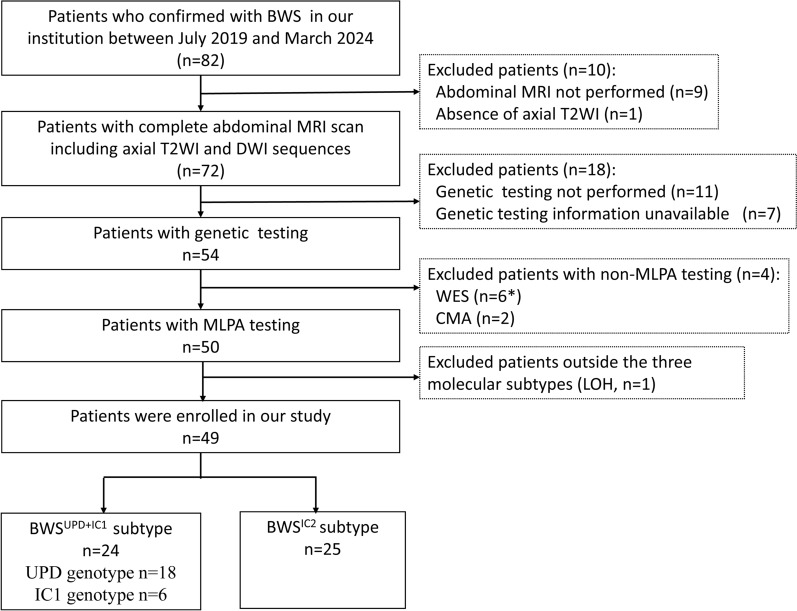 Figure 1
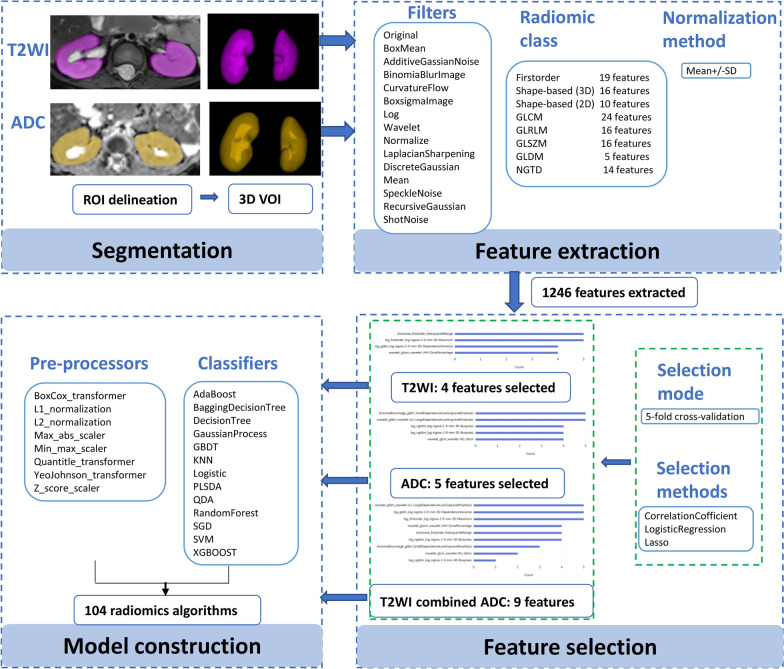 Figure 2
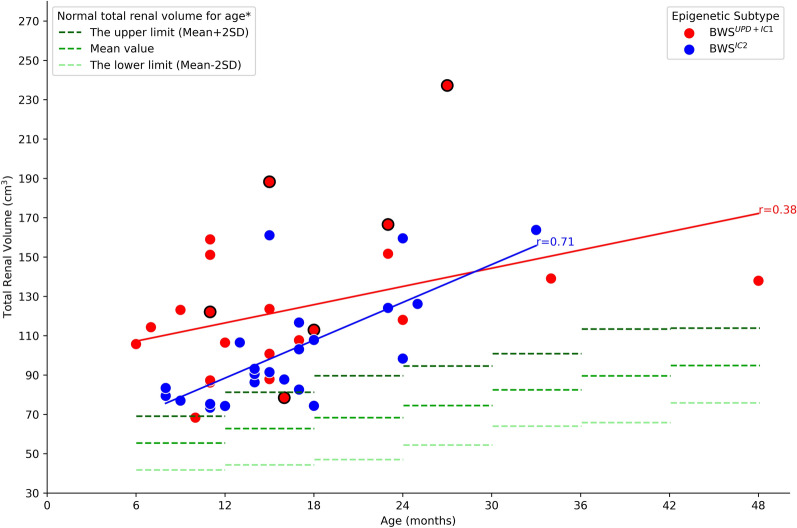 Figure 3
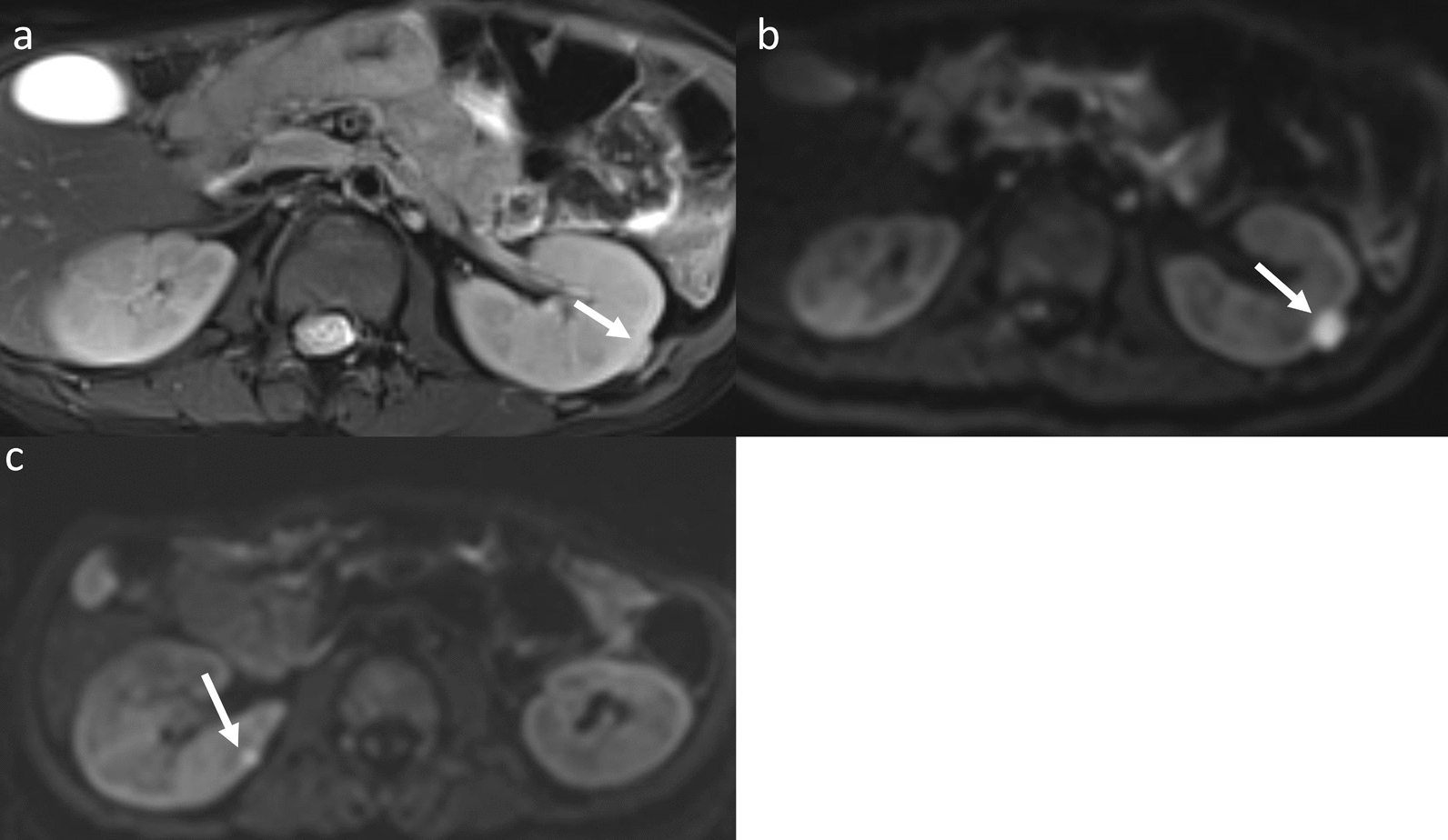 Figure 4
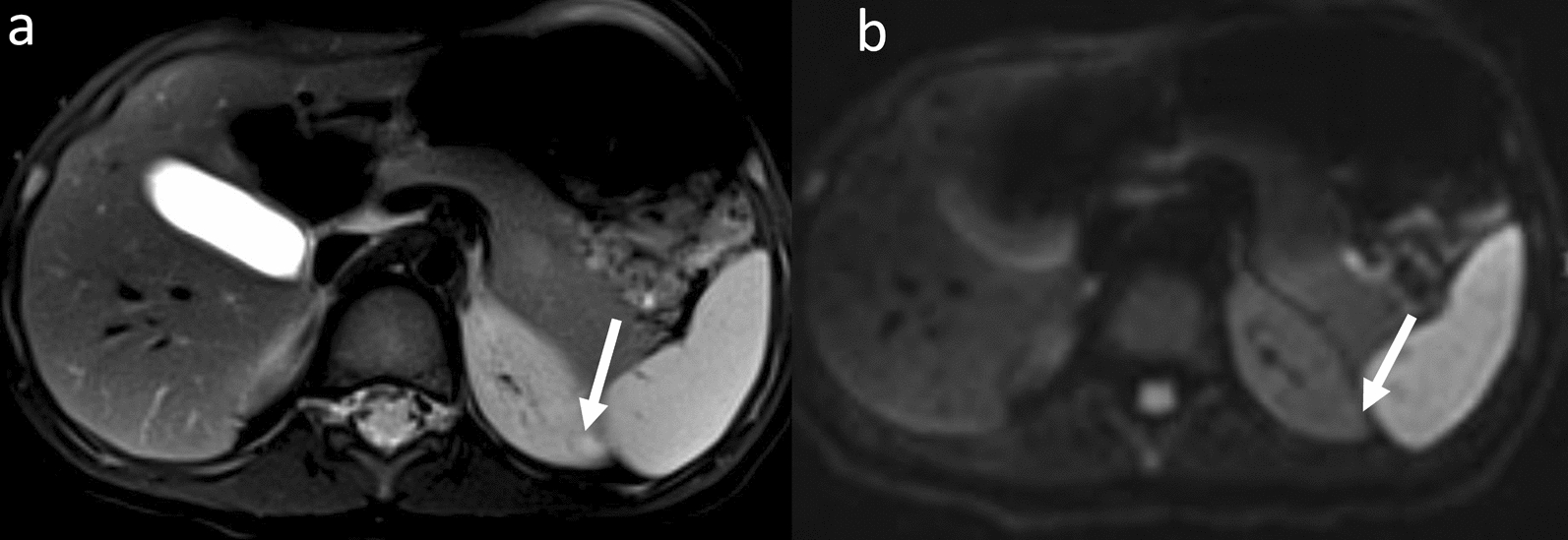 Figure 5
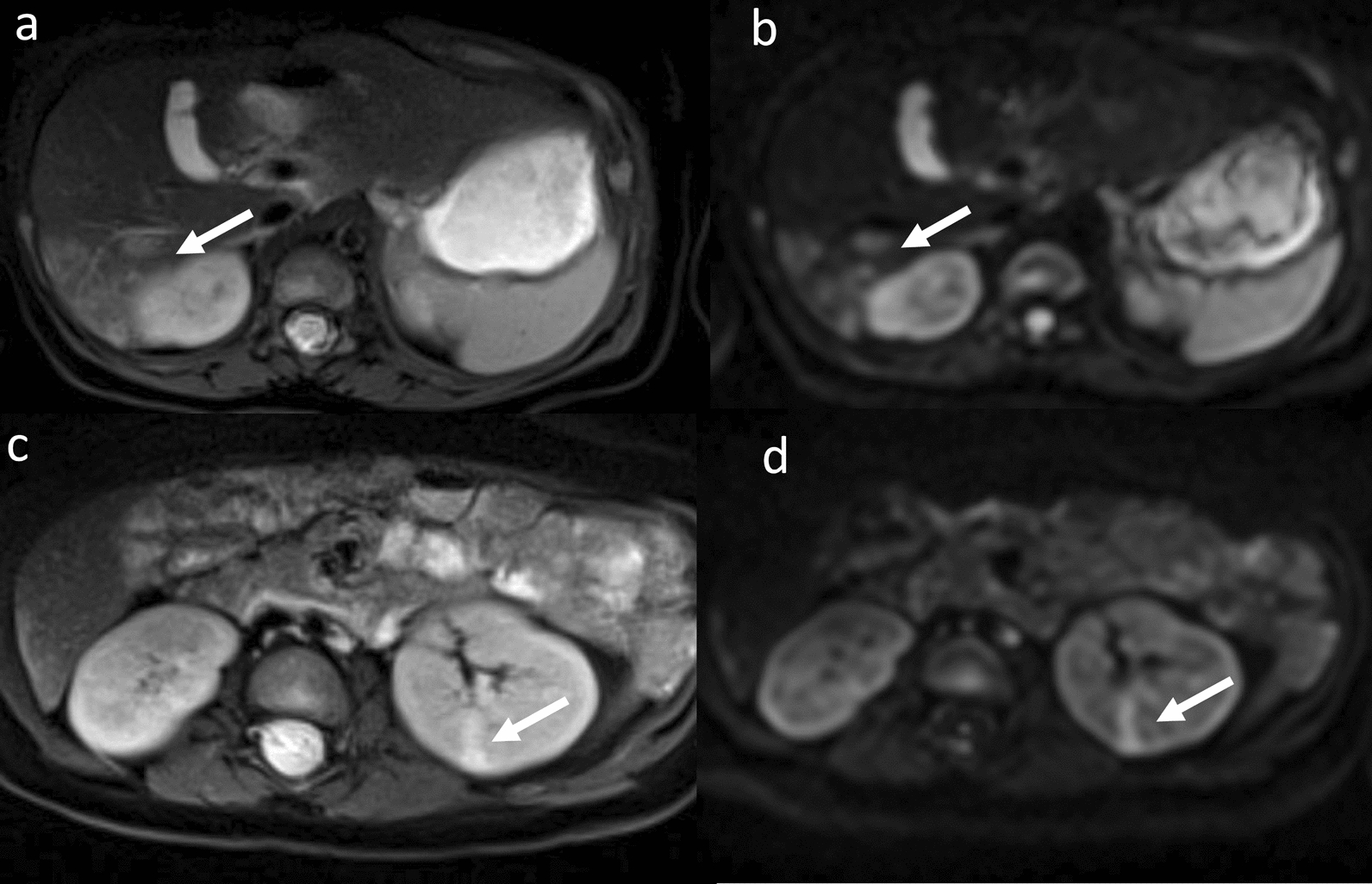 Figure 6
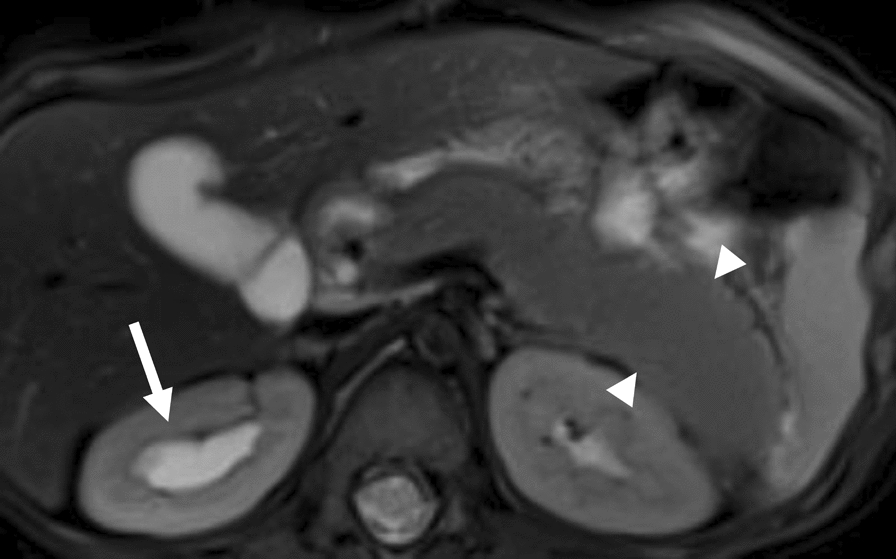 Figure 7
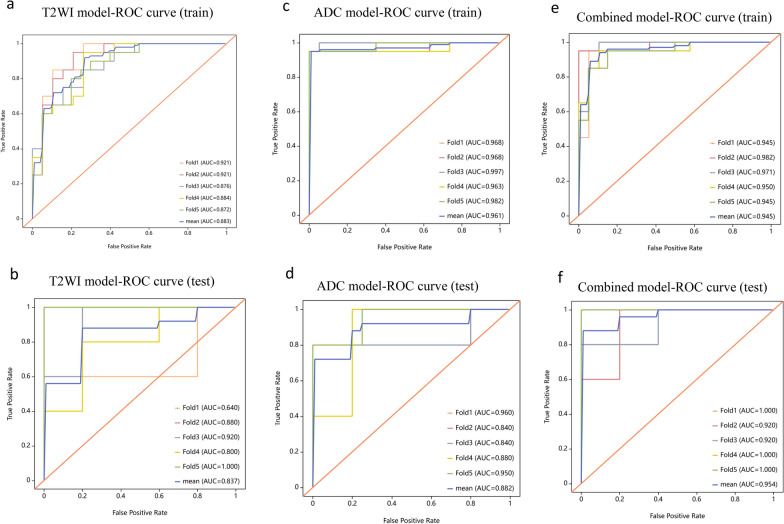 Figure 8
Peer Reviews
No public reviews on file for this paper yet. If you reviewed it on a platform where reviews are public (OpenReview, ICLR, NeurIPS, ICML), you can paste yours below so the community can read it here.
Videos
No videos yet. Explain this paper in a talk, walkthrough, or lecture? Add one.
Taxonomy
TopicsGenetic Syndromes and Imprinting · Renal cell carcinoma treatment · Fetal and Pediatric Neurological Disorders