From inserts to chips: microfluidic culture and 3D astrocyte co-culture drive functional and transcriptomic changes in hiPSC-derived endothelial cells
Tuuli-Maria Sonninen, Sanni Peltonen, Sara Kälvälä, Hoang-Tuan Nguyen, Marika Ruponen, Prateek Singh, Šárka Lehtonen

TL;DR
This study compares different culture systems to see how they affect the function and gene expression of human stem cell-derived blood-brain barrier cells.
Contribution
The study demonstrates that microfluidic culture and 3D astrocyte co-culture significantly alter endothelial cell function and gene expression.
Findings
ECs cultured on AKITA plates showed improved barrier function and reduced migration compared to insert cultures.
Single-cell RNA sequencing revealed activation of cholesterol metabolism pathways in ECs under flow conditions.
3D astrocyte culture is necessary to sustain EC monolayers and influences EC gene expression.
Abstract
The blood-brain barrier (BBB) exhibits a hurdle for drug delivery and development. In addition, the dysfunction of the BBB has been seen in several neurodegenerative diseases, although the mechanisms remain poorly understood. Thus, improved models are needed for the purposes of disease modelling and drug development. To overcome the constraints of conventional in vitro models, there has been a growing use of human induced pluripotent stem cells (hiPSCs) and organ-on-chip systems. However, the detailed characterization of these models is still mainly missing. We aimed to investigate how different culture platforms alter the functionality and, consequently, the transcriptomic phenotype of hiPSC-derived endothelial cells (ECs). ECs were cultured on a microfluidic BBB chip platform (AKITA plate) or a standard cell culture insert model. Furthermore, we used hiPSC-derived astrocytes in the…
Genes, proteins, chemicals, diseases, species, mutations and cell lines named across the full text — each resolved to its canonical identifier and authoritative record.
Click any figure to enlarge with its caption.
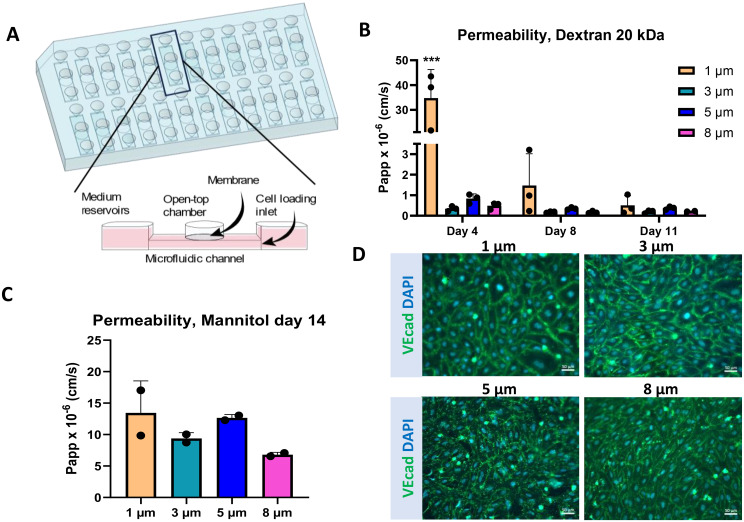 Figure 1
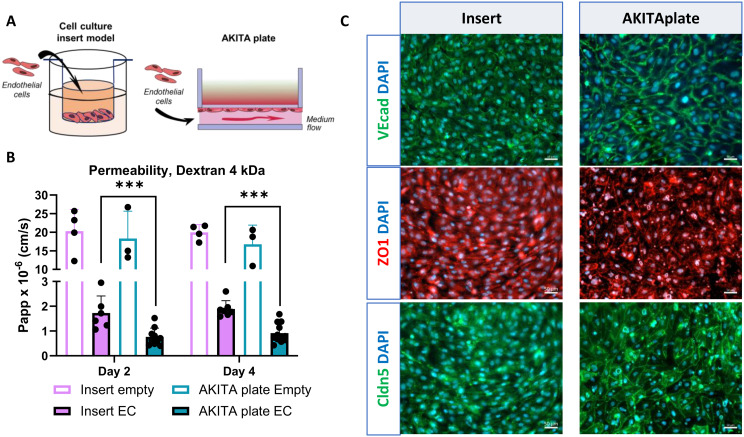 Figure 2
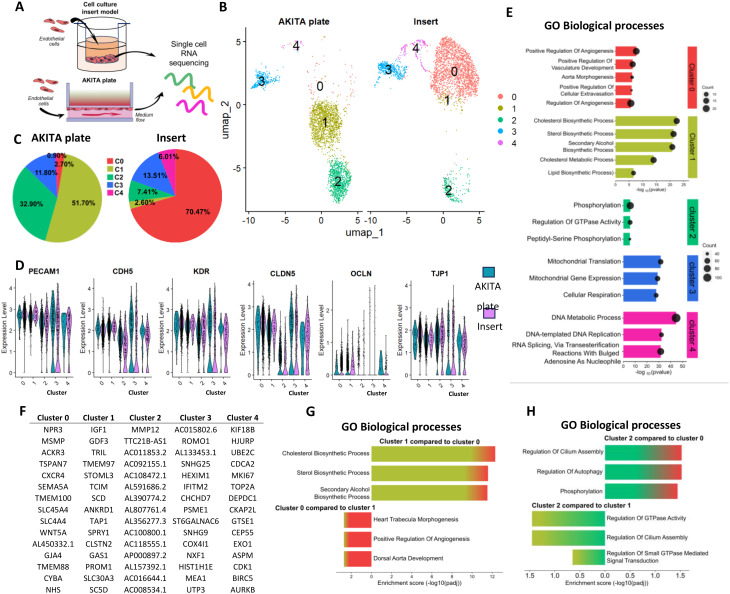 Figure 3
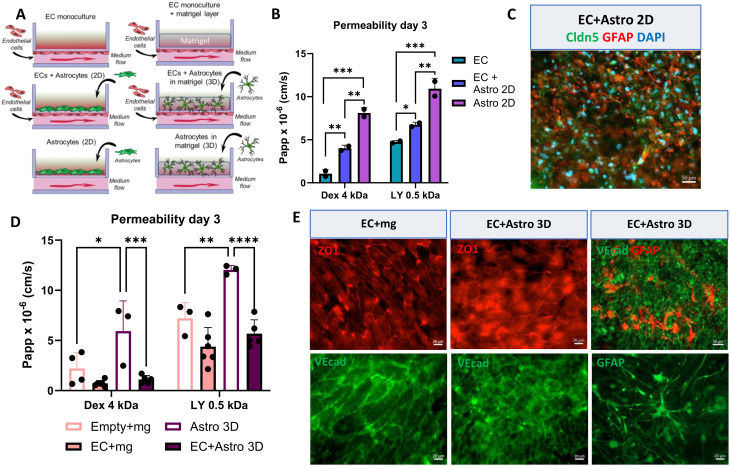 Figure 4
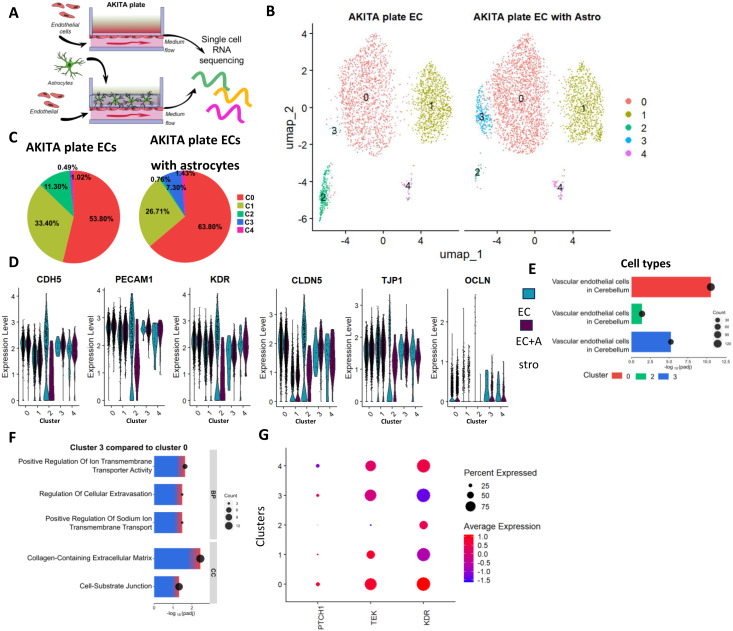 Figure 5
Peer Reviews
No public reviews on file for this paper yet. If you reviewed it on a platform where reviews are public (OpenReview, ICLR, NeurIPS, ICML), you can paste yours below so the community can read it here.
Videos
No videos yet. Explain this paper in a talk, walkthrough, or lecture? Add one.
Taxonomy
TopicsBarrier Structure and Function Studies · 3D Printing in Biomedical Research · Single-cell and spatial transcriptomics