HIV infection and exposure is associated with increased cariogenic taxa, reduced taxonomic turnover, and homogenized spatial differentiation for the supragingival microbiome
Allison E. Mann, Ciara Aumend, Suzanne Crull, Lauren M. O’Connell, Esosa Osagie, Paul Akhigbe, Ozoemene Obuekwe, Augustine Omoigberale, Matthew Rowe, Thomas Blouin, Ashlyn Soule, Colton Kelly, Oghenenero Igedegbe, Oghenenero Igedegbe, Ruxton Adebiyi, Matron Christy Ndekwu

TL;DR
Children with HIV or HIV exposure show less change in their oral bacteria over time, which may increase their risk of tooth decay.
Contribution
This study reveals how HIV status affects the stability and composition of the oral microbiome in children.
Findings
HIV-exposed and infected children show reduced taxonomic turnover in their oral microbiome.
HIV infection is linked to a more homogenized oral community across different teeth.
Children with HIV have higher levels of cariogenic bacteria like Streptococcus mutans.
Abstract
The oral microbiome consists of distinct microbial communities that colonize various ecological niches within the oral cavity, the composition of which are influenced by nutrient and substrate availability, host genetics, diet, behavior, age, and other diverse host and environmental factors. Unlike other densely populated human-associated microbial ecosystems (e.g., gut, urogenital), the oral microbiome is directly and frequently exposed to external influences, contributing to its relatively lower stability over time. In individuals with compromised immunity, such as those living with HIV, the composition and stability of the oral microbiome may be especially vulnerable to disruption. Cross-sectional studies of the oral microbiome in children living with HIV capture a glimpse of this temporal dynamism, yet a full appreciation of the relative stability, robusticity, and spatial structure…
Genes, proteins, chemicals, diseases, species, mutations and cell lines named across the full text — each resolved to its canonical identifier and authoritative record.
Click any figure to enlarge with its caption.
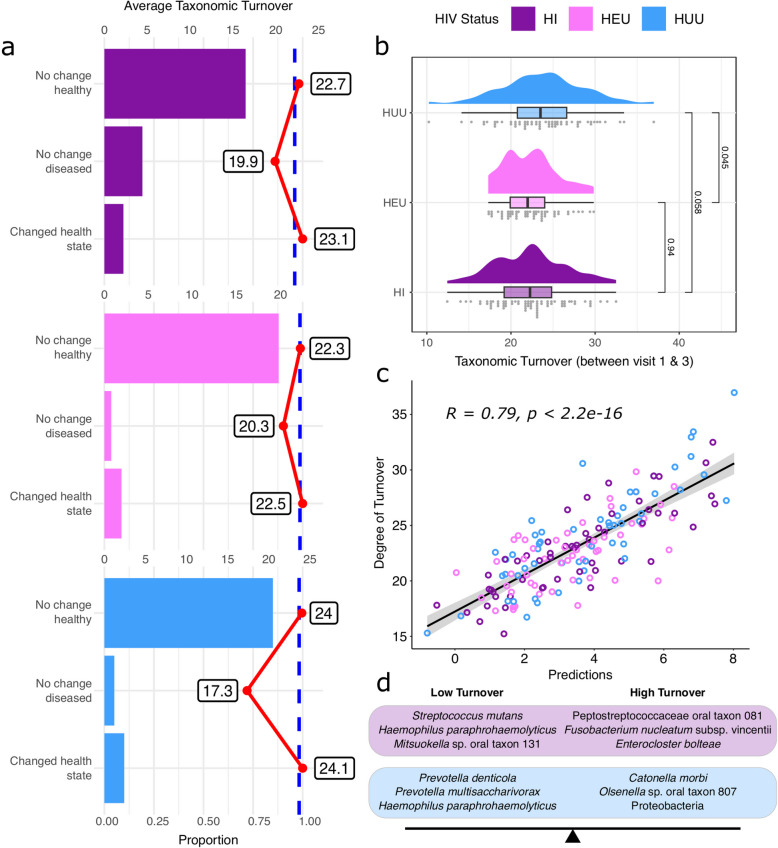 Figure 1
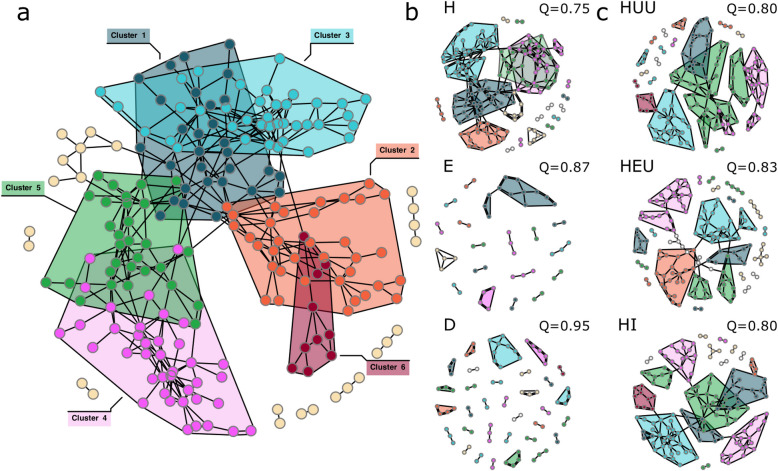 Figure 2
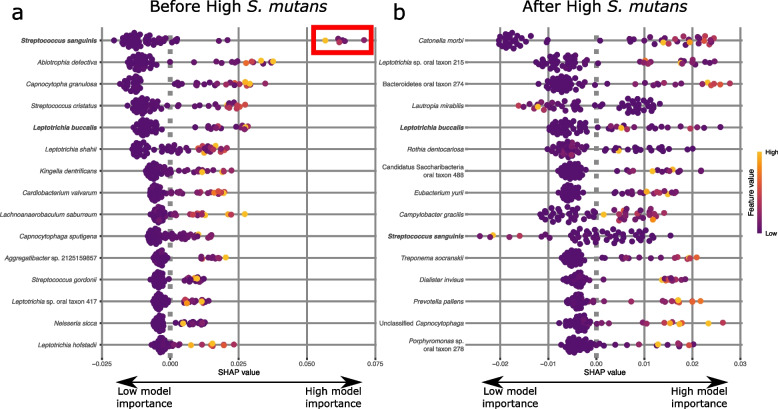 Figure 3
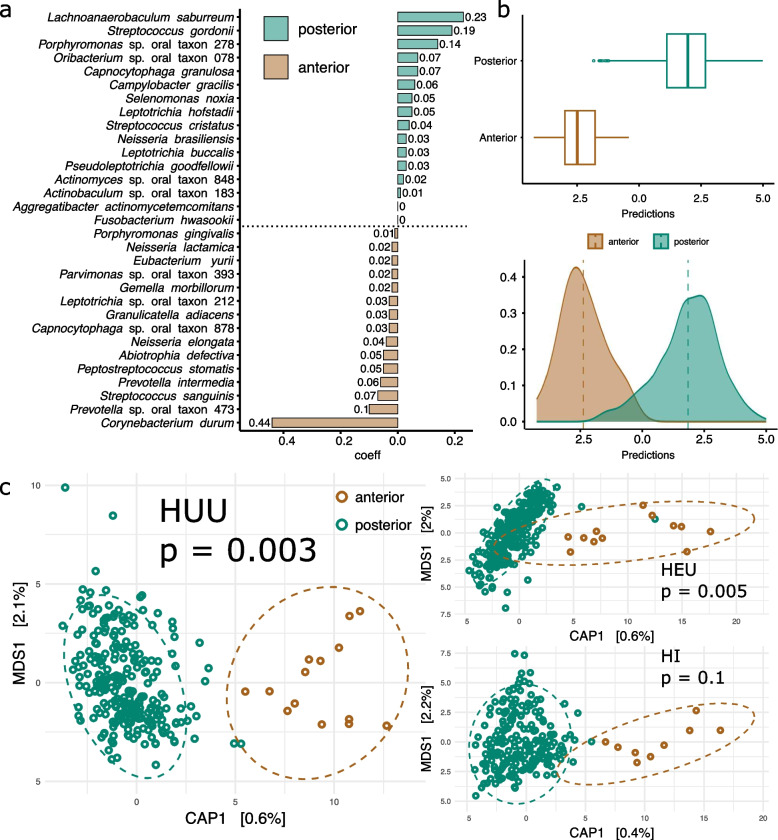 Figure 4
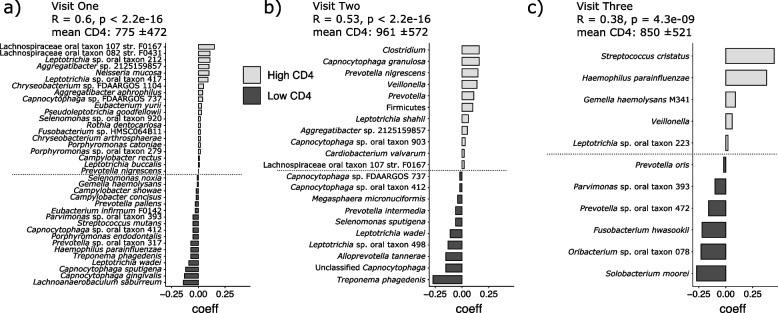 Figure 5
Peer Reviews
No public reviews on file for this paper yet. If you reviewed it on a platform where reviews are public (OpenReview, ICLR, NeurIPS, ICML), you can paste yours below so the community can read it here.
Videos
No videos yet. Explain this paper in a talk, walkthrough, or lecture? Add one.
Taxonomy
TopicsHIV/AIDS oral health manifestations · Oral microbiology and periodontitis research · Oral Health Pathology and Treatment