Validation of PREdiction of DELIRium in ICu patients (PRE-DELIRIC) model for ICU delirium in general ICU and patients with liver disease: a retrospective cohort study
Areti Papadopoulou, Sarah L. Cowan, Jacobus Preller, Robert J. B. Goudie

TL;DR
This study validated a model for predicting ICU delirium in over 3,000 patients, finding it moderately accurate overall but less reliable for patients with liver disease.
Contribution
The study is the largest validation of the PRE-DELIRIC model to date and the first to specifically assess its performance in patients with liver disease.
Findings
The PRE-DELIRIC model showed moderate-to-good discrimination (AUROC 0.74) in predicting ICU delirium.
Calibration was poor, with underprediction in moderate-to-high-risk patients and overprediction in very high-risk patients.
In patients with liver disease, the model had similar discrimination (AUROC 0.73) but significant underprediction of delirium risk.
Abstract
Delirium, a neuropsychiatric disorder characterized by disturbances in attention, cognition, and awareness, is a common complication among intensive care unit (ICU) patients. Several predictive models have been developed that aim to identify patients at high risk of delirium. PRE-DELIRIC (PREdiction of DELIRium in ICu) and its recalibrated version, have been externally validated in several studies, but modest sample sizes have meant uncertainty remains, particularly in patient subgroups. Of particular relevance to our population (as a tertiary liver disease centre), performance in patients with liver disease has not been specifically assessed. This retrospective cohort study evaluated the PRE-DELIRIC model using data from 3312 adult ICU patients at Cambridge University Hospital, between February 2017 and September 2021. Delirium was primarily defined as either a positive Confusion…
Genes, proteins, chemicals, diseases, species, mutations and cell lines named across the full text — each resolved to its canonical identifier and authoritative record.
Click any figure to enlarge with its caption.
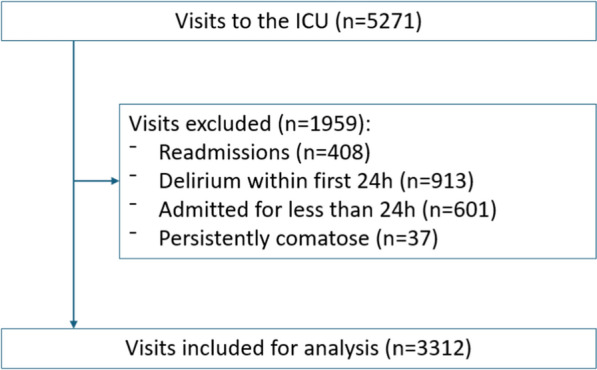 Figure 1
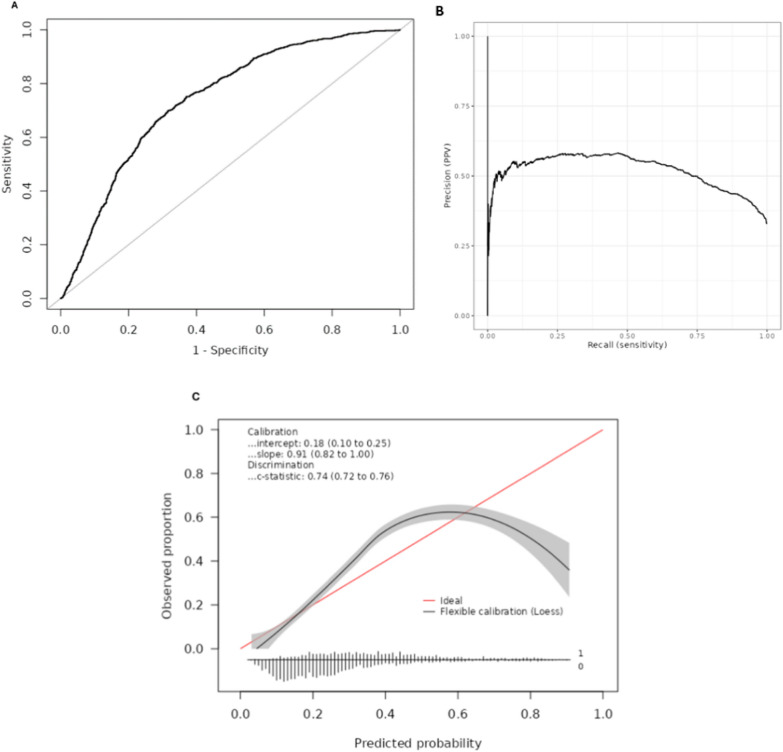 Figure 2
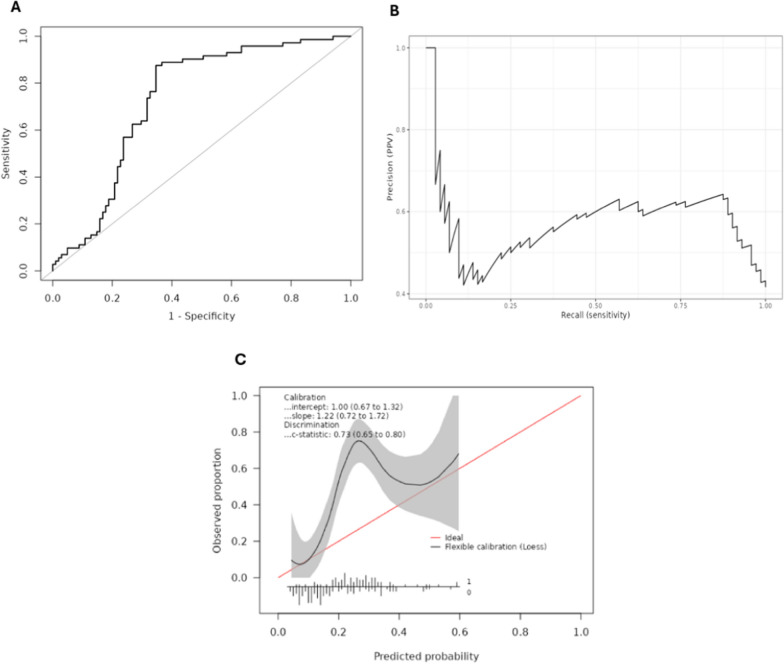 Figure 3
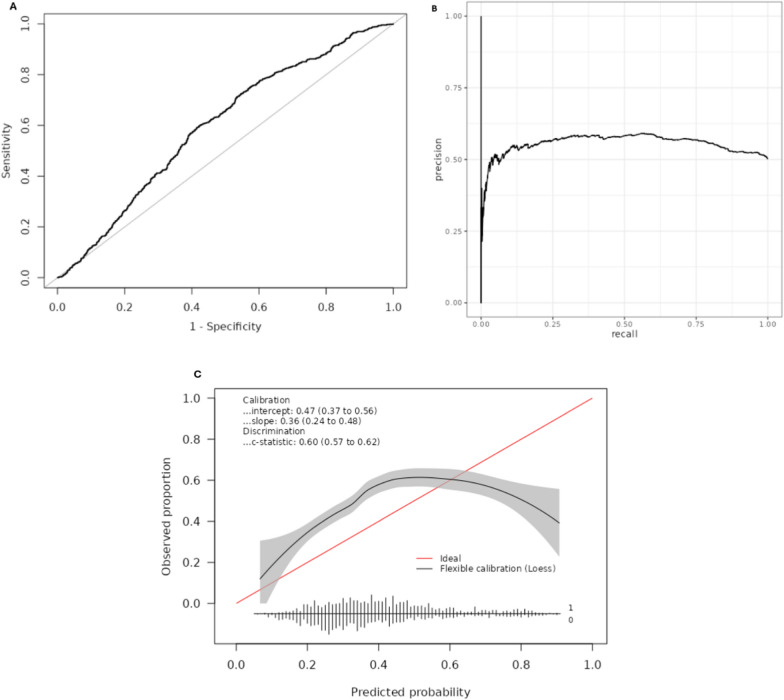 Figure 4
Peer Reviews
No public reviews on file for this paper yet. If you reviewed it on a platform where reviews are public (OpenReview, ICLR, NeurIPS, ICML), you can paste yours below so the community can read it here.
Videos
No videos yet. Explain this paper in a talk, walkthrough, or lecture? Add one.
Taxonomy
TopicsIntensive Care Unit Cognitive Disorders · Anesthesia and Sedative Agents · Healthcare Decision-Making and Restraints