Feasibility of party balloon inflation manoeuvre for haemodynamic provocation: a pilot study in healthy volunteers
Kento Kito, Akihisa Kataoka, Maki Okamoto, Satoshi Nakada, Kazuyo Shirakura, Hanako Kobayashi, Ikumi Chikuda, Junichi Nishikawa, Yosei Iseki, Taiga Katayama, Hideyuki Kawashima, Takeyuki Sajima, Hirosada Yamamoto, Yusuke Watanabe, Naoyuki Yokoyama, Ken Kozuma

TL;DR
A new maneuver using a party balloon is tested as a better alternative to the Valsalva maneuver for diagnosing heart conditions.
Contribution
The party balloon inflation maneuver is proposed as a more effective diagnostic tool for HOCM and PFO compared to the Valsalva maneuver.
Findings
PBIM significantly reduced left ventricular diastolic dimension compared to VM, indicating greater LVOT obstruction provocation.
PBIM increased right ventricular inflow velocity-time integral, suggesting enhanced right-to-left shunting.
Abstract
Left ventricular outflow tract (LVOT) obstruction is a key feature of hypertrophic obstructive cardiomyopathy (HOCM), whereas patent foramen ovale (PFO) obstruction is associated with cryptogenic stroke and other conditions. The Valsalva manoeuvre (VM) is a standard technique for diagnosing these conditions; however, its inconsistent execution can limit diagnostic accuracy. We aimed to evaluate the party balloon inflation manoeuvre (PBIM) as an alternative to VM for diagnosing HOCM and PFO by comparing their haemodynamic effects. In this single-centre pilot study, we conducted in vitro and in vivo experiments. The pressure characteristics of the two balloon sizes were measured in the in vitro experiment. In the in vivo study, we assessed haemodynamic changes in 25 healthy volunteers using transthoracic echocardiography. The endpoints included the left ventricular diastolic dimension…
Genes, proteins, chemicals, diseases, species, mutations and cell lines named across the full text — each resolved to its canonical identifier and authoritative record.
Click any figure to enlarge with its caption.
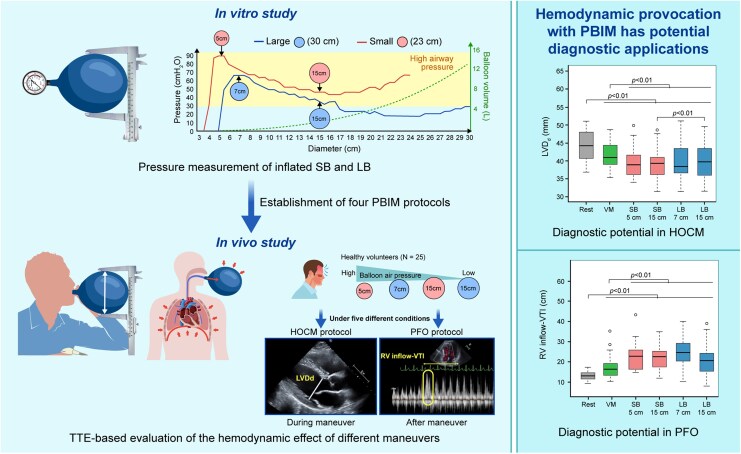 Figure 1
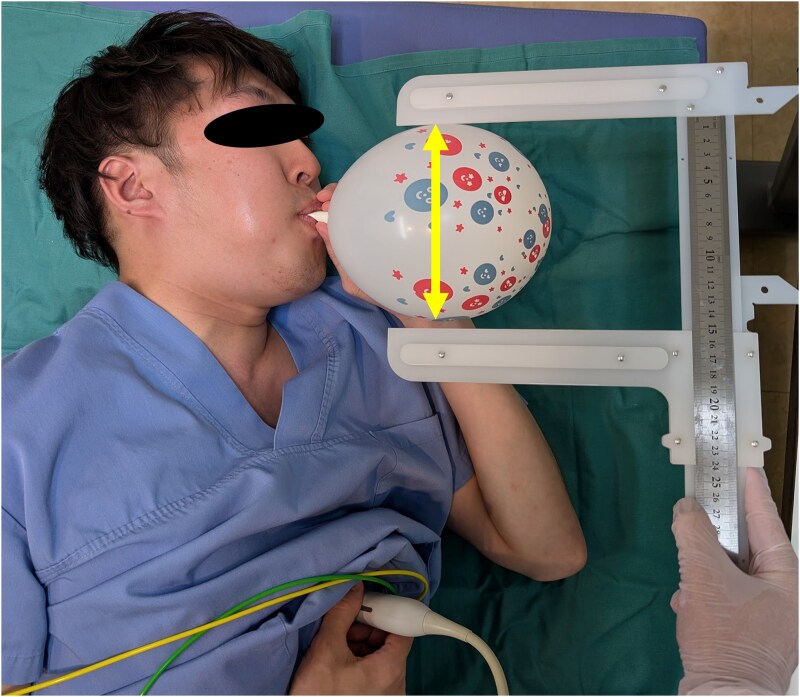 Figure 2
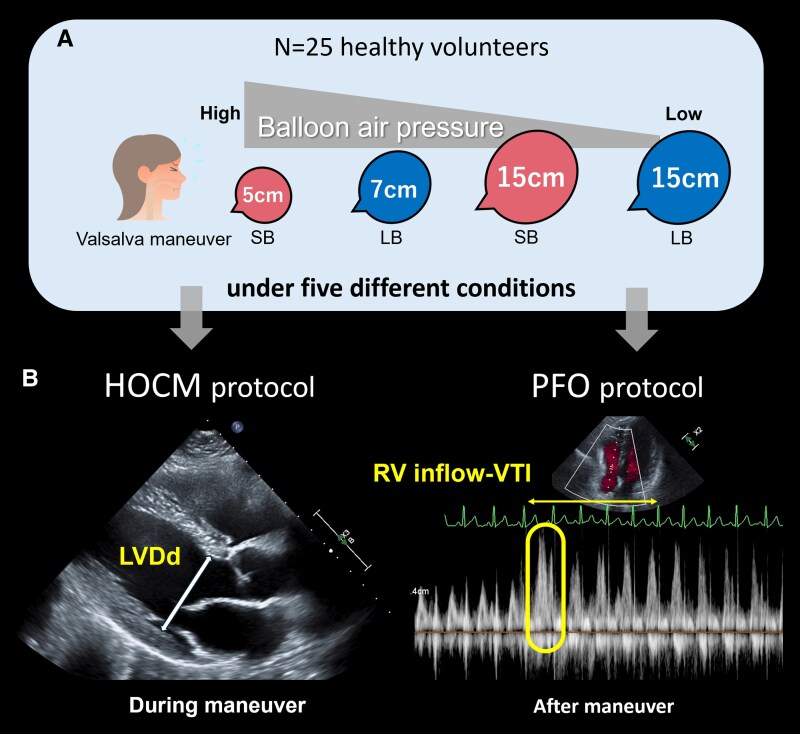 Figure 3
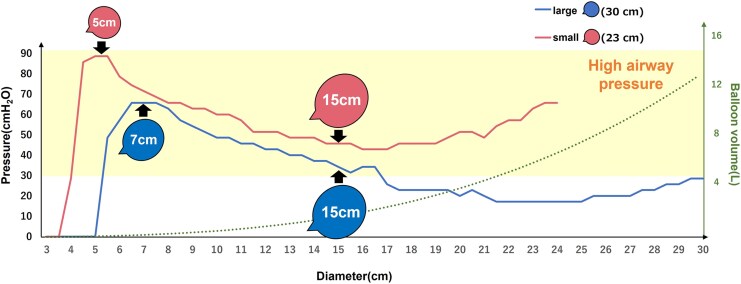 Figure 4
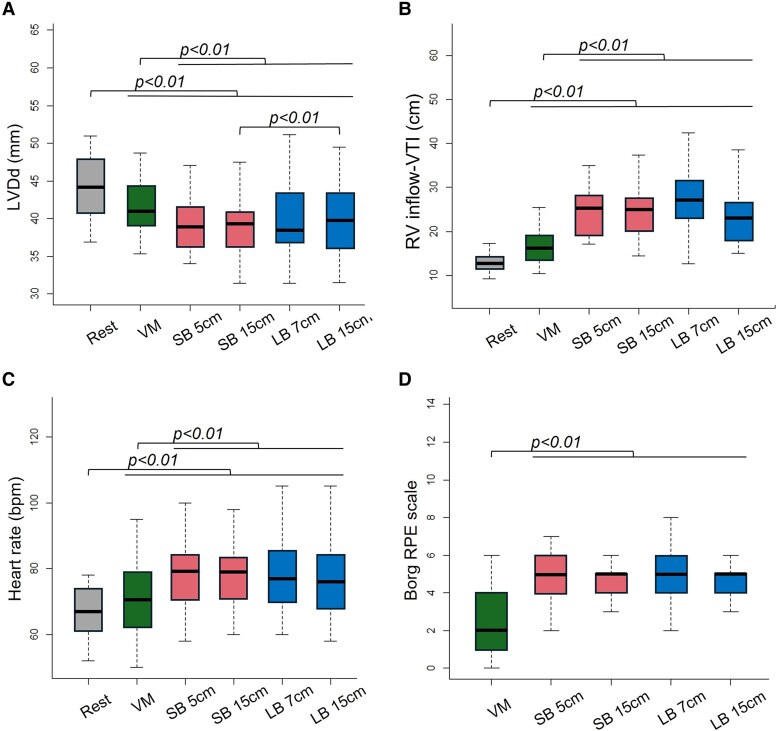 Figure 5
 Figure 6
Peer Reviews
No public reviews on file for this paper yet. If you reviewed it on a platform where reviews are public (OpenReview, ICLR, NeurIPS, ICML), you can paste yours below so the community can read it here.
Videos
No videos yet. Explain this paper in a talk, walkthrough, or lecture? Add one.
Taxonomy
TopicsCardiovascular and Diving-Related Complications · Cardiovascular Effects of Exercise · Congenital Heart Disease Studies