Reinforcement generates systematic differences without heterogeneity
Alexandros Gelastopoulos, Lucas Sage, Arnout van de Rijt

TL;DR
This paper shows that differences in outcomes over time might be due to reinforcement processes rather than unobserved individual differences.
Contribution
It introduces a new explanation for systematic differences in longitudinal data using reinforcement mechanisms.
Findings
Systematic differences in longitudinal data can be generated by reinforcement processes.
Reinforcement can explain findings in science of science, personal culture, and sexual networks.
Future studies can better understand heterogeneity by measuring fixed traits and random events.
Abstract
In analyses of longitudinal records, it is standard practice to attribute systematic differences across units to heterogeneity in unobserved characteristics. In this paper, we show that such systematic differences might instead be the result of a reinforcement mechanism, where present outcomes are driven by past outcomes. Because reinforcement is not a mere mechanical possibility but also a strong theoretical prior in many research areas, our results suggest that heterogeneity might have been overestimated in previous studies. An explanation that bases interpersonal differences on reinforcement instead of heterogeneity not only changes our understanding of social processes but it can also suggest different targeted interventions for achieving a given policy goal. Inequality in outcomes may emerge through a reinforcement process in which stochastic variation in values is determined by…
Genes, proteins, chemicals, diseases, species, mutations and cell lines named across the full text — each resolved to its canonical identifier and authoritative record.
Click any figure to enlarge with its caption.
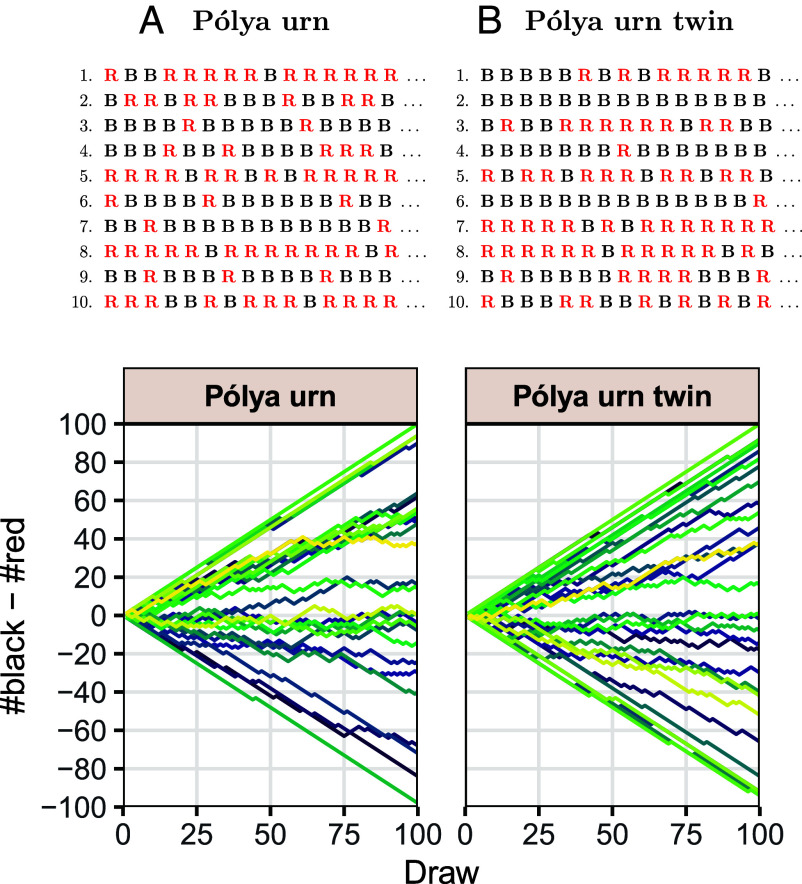 Figure 1
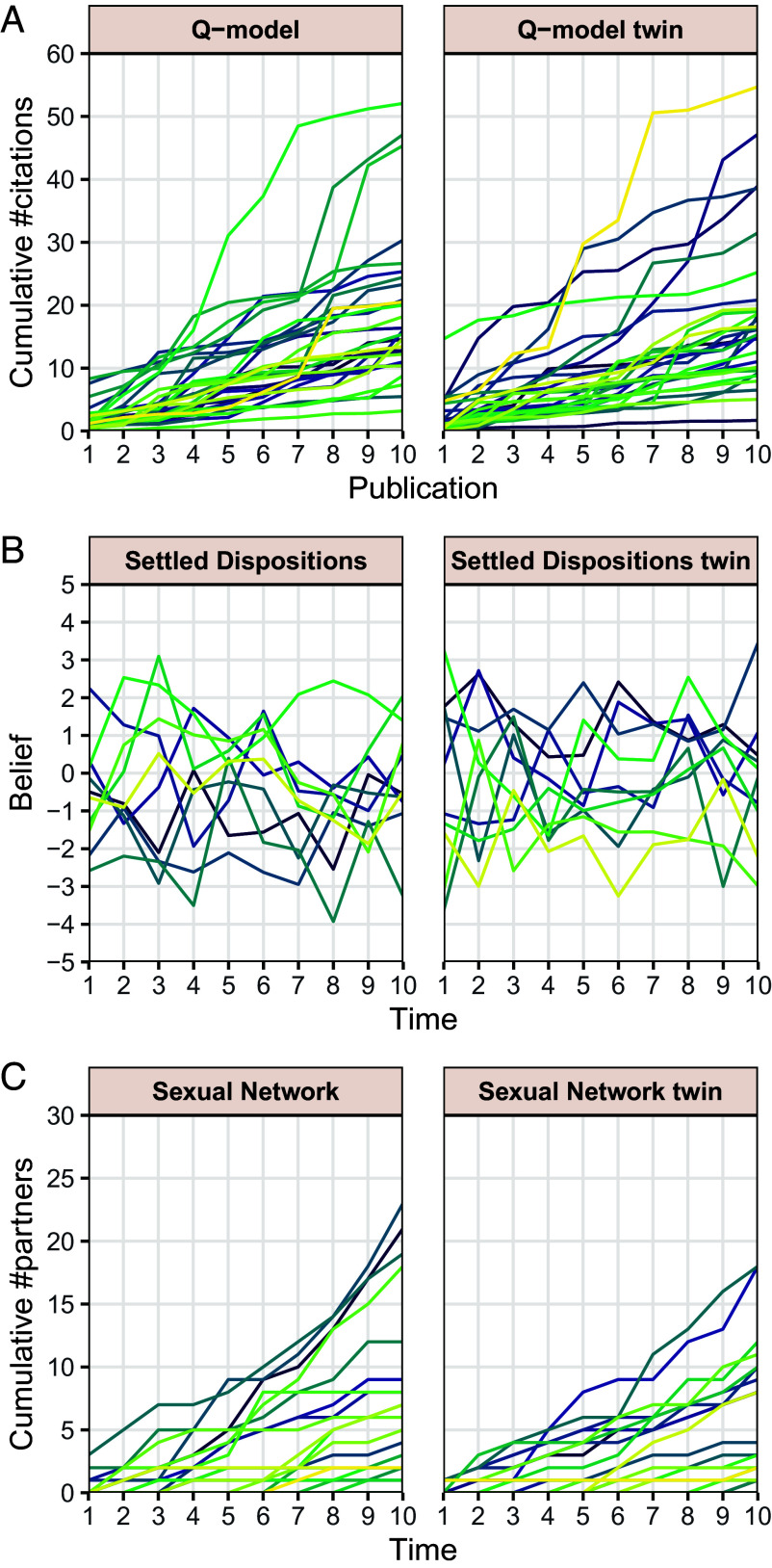 Figure 2
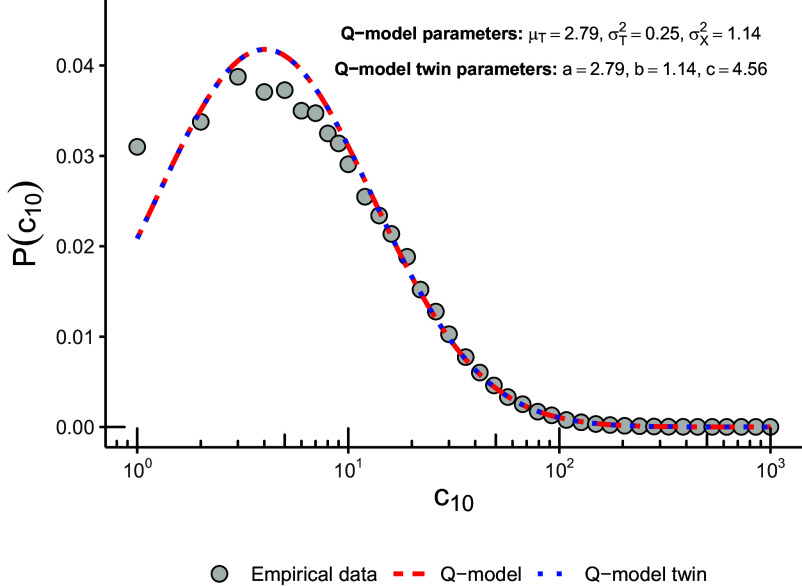 Figure 3
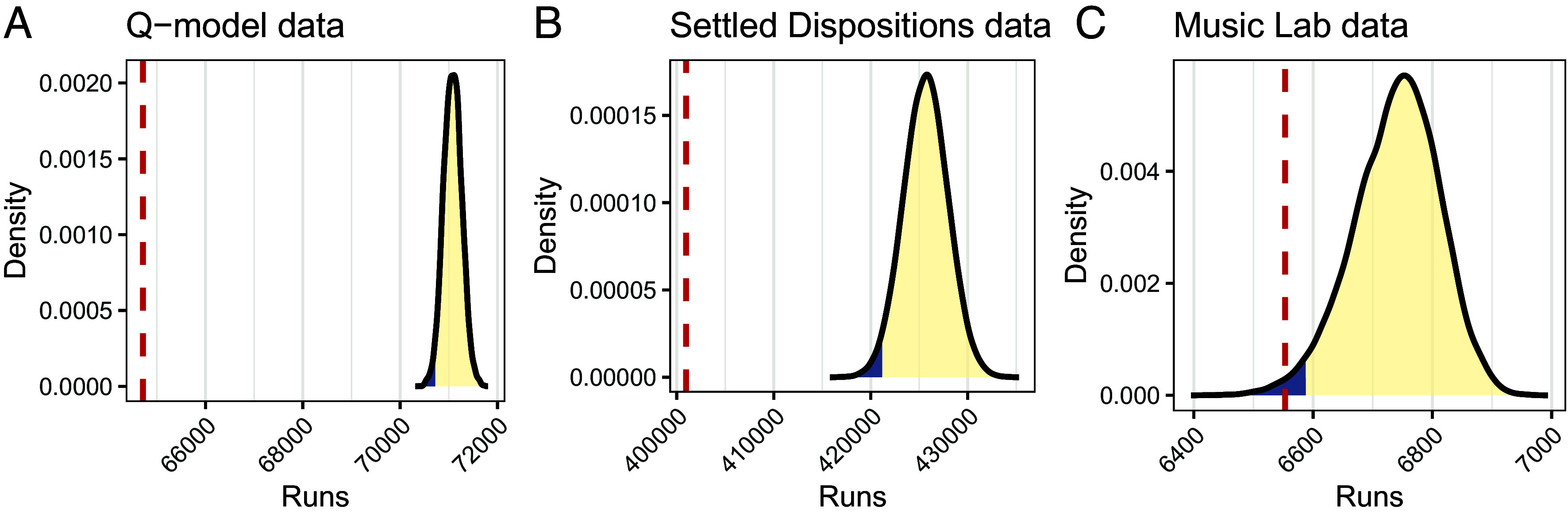 Figure 4
 Figure 1
Peer Reviews
No public reviews on file for this paper yet. If you reviewed it on a platform where reviews are public (OpenReview, ICLR, NeurIPS, ICML), you can paste yours below so the community can read it here.
Videos
No videos yet. Explain this paper in a talk, walkthrough, or lecture? Add one.
Taxonomy
TopicsEvolutionary Psychology and Human Behavior · Experimental Behavioral Economics Studies · Social and Intergroup Psychology