Increased excitatory synapse size in hippocampal place cells compared to silent cells
Judit Heredi, Gaspar Olah, Mate Sumegi, Istvan Paul Lukacs, Mohammad Aldahabi, Balázs B. Újfalussy, Judit K. Makara, Zoltan Nusser

TL;DR
Hippocampal place cells have larger excitatory synapses than silent cells, suggesting synaptic plasticity supports spatial navigation.
Contribution
The study reveals that spine size differences, not overall spine density, correlate with place cell activity in hippocampal networks.
Findings
Place cells have significantly larger spine sizes compared to silent cells.
Excitatory synaptic plasticity may underlie the spatially tuned activity of hippocampal place cells.
Electrical and inhibitory synapse properties are similar across active and silent cells.
Abstract
Environment-specific neuronal activity in the hippocampus supports spatial navigation. A substantial fraction of pyramidal cells (PCs) is active whereas other neurons remain silent in a given environment across multiple days, suggesting that the allocation of neurons to a representation is a nonrandom process. Here, we report that PCs with different in vivo activities have similar electrical properties, inhibitory and excitatory synapse densities. However, our data revealed that the size of spines is significantly larger in place cells compared to silent cells. Our results are consistent with excitatory synaptic plasticity as a major mechanism underlying the different activities of hippocampal PCs in vivo. Neuronal activity in the hippocampus creates a cognitive map of space that is essential for navigation. In any given environment, a fraction of hippocampal pyramidal cells (PCs) is…
Genes, proteins, chemicals, diseases, species, mutations and cell lines named across the full text — each resolved to its canonical identifier and authoritative record.
Click any figure to enlarge with its caption.
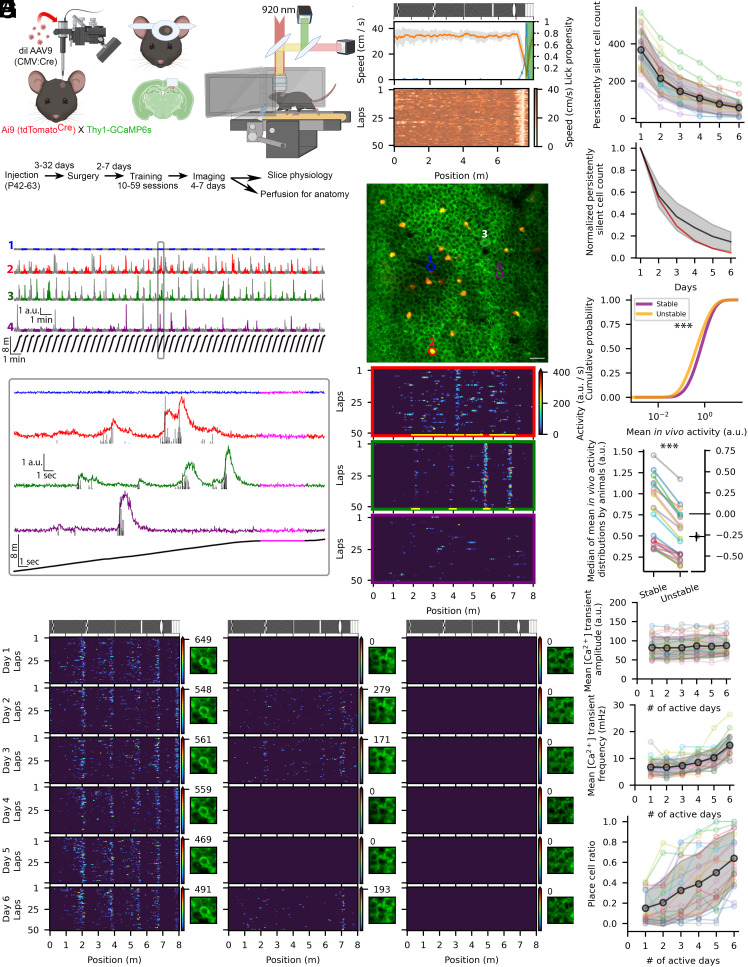 Figure 1
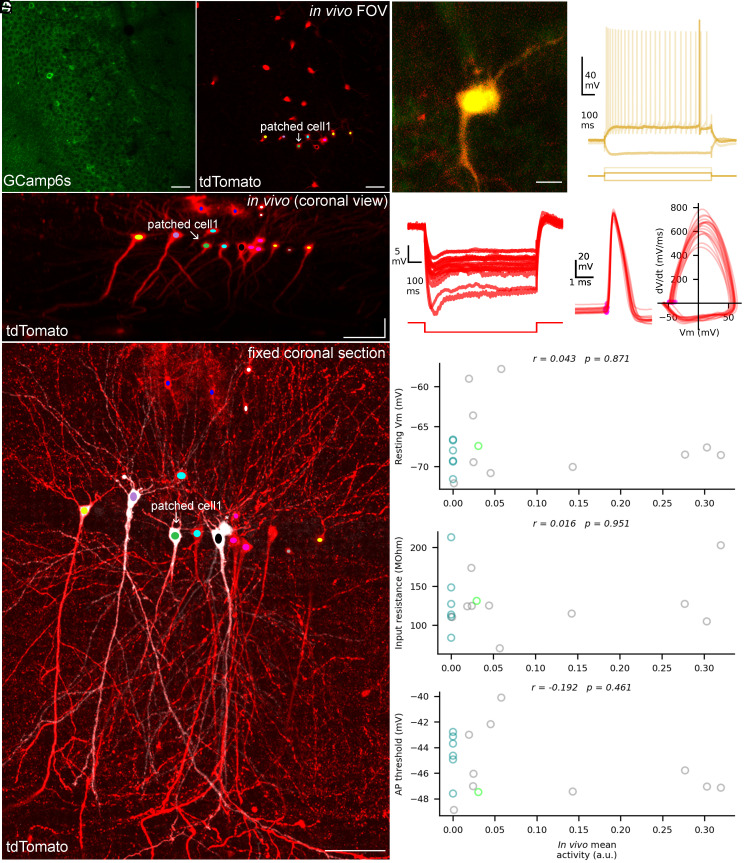 Figure 2
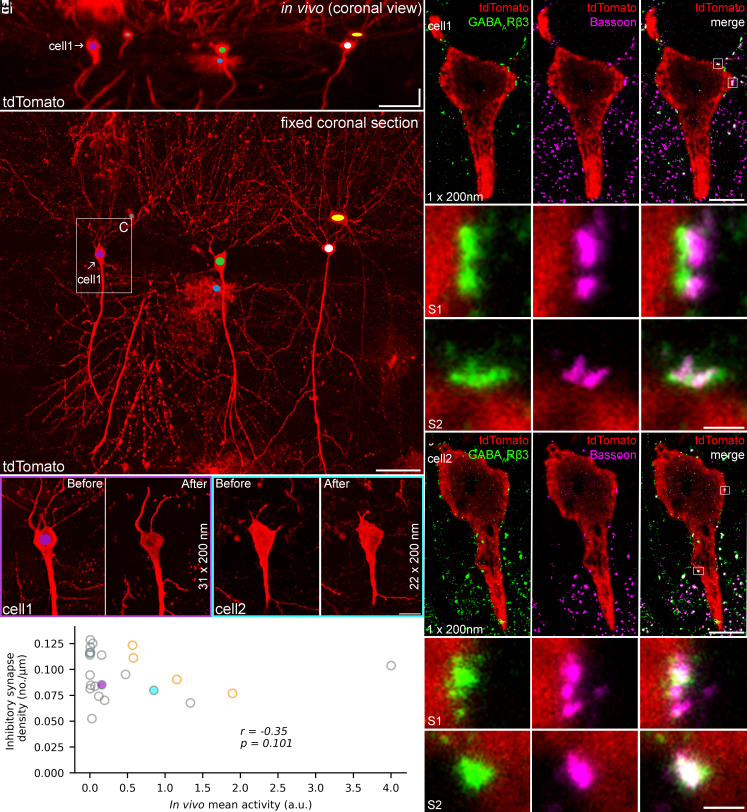 Figure 3
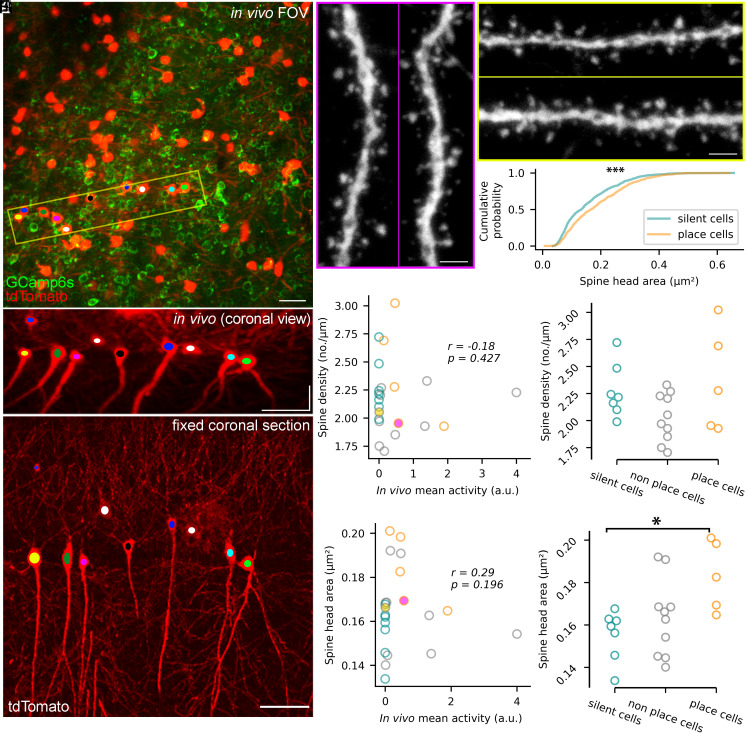 Figure 4
Peer Reviews
No public reviews on file for this paper yet. If you reviewed it on a platform where reviews are public (OpenReview, ICLR, NeurIPS, ICML), you can paste yours below so the community can read it here.
Videos
No videos yet. Explain this paper in a talk, walkthrough, or lecture? Add one.
Taxonomy
TopicsNeuroscience and Neuropharmacology Research · Memory and Neural Mechanisms · Neuroinflammation and Neurodegeneration Mechanisms