A novel mutation in the KLHL17 gene is associated with neurodevelopmental disorders
Meng Ao, Shunxiang Zhang, Yun Ouyang, Shucong Li, Heqian Ma, Meizhen Guo, Xuelin Dai, Qianhui Xia, Xiaoying Zhang

Abstract
Click any figure to enlarge with its caption.
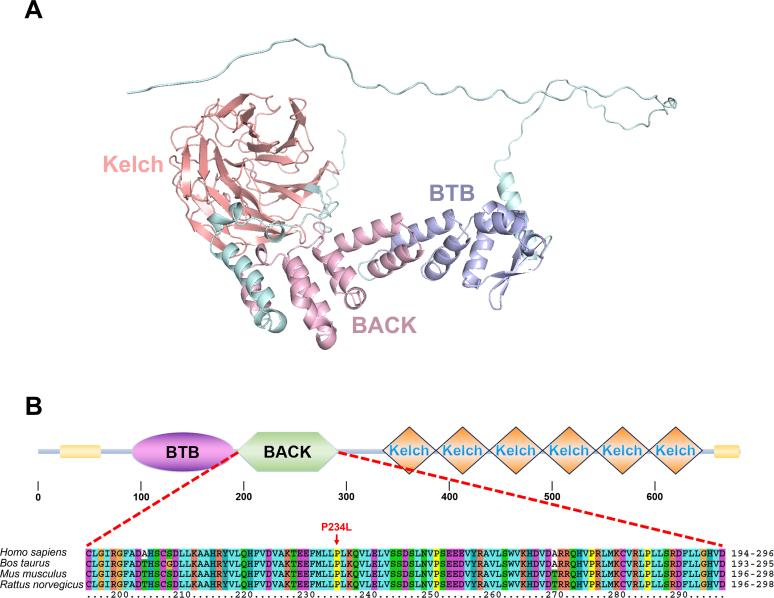 Figure 1
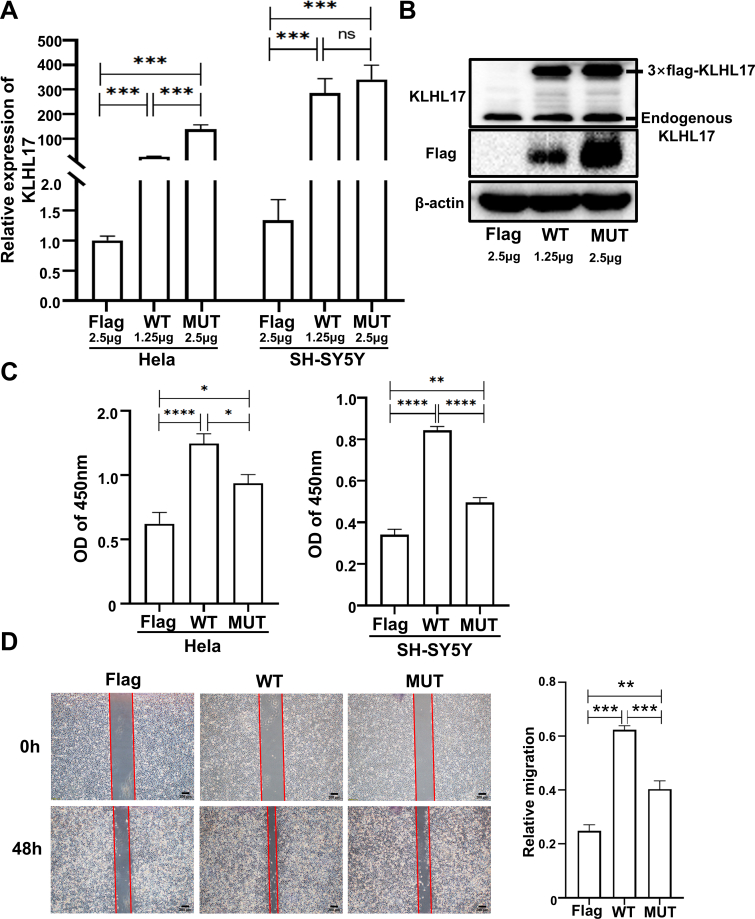 Figure 2
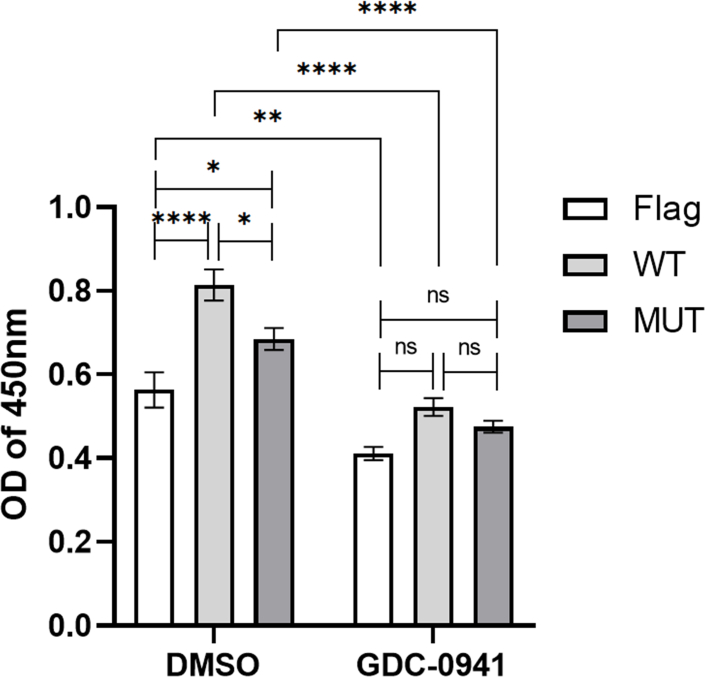 Figure 3
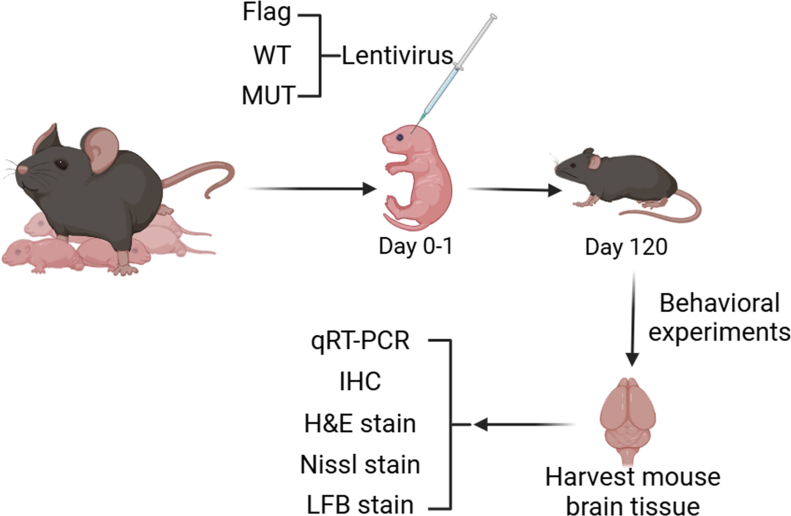 Figure 4
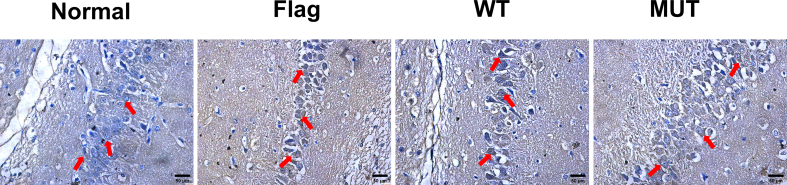 Figure 5
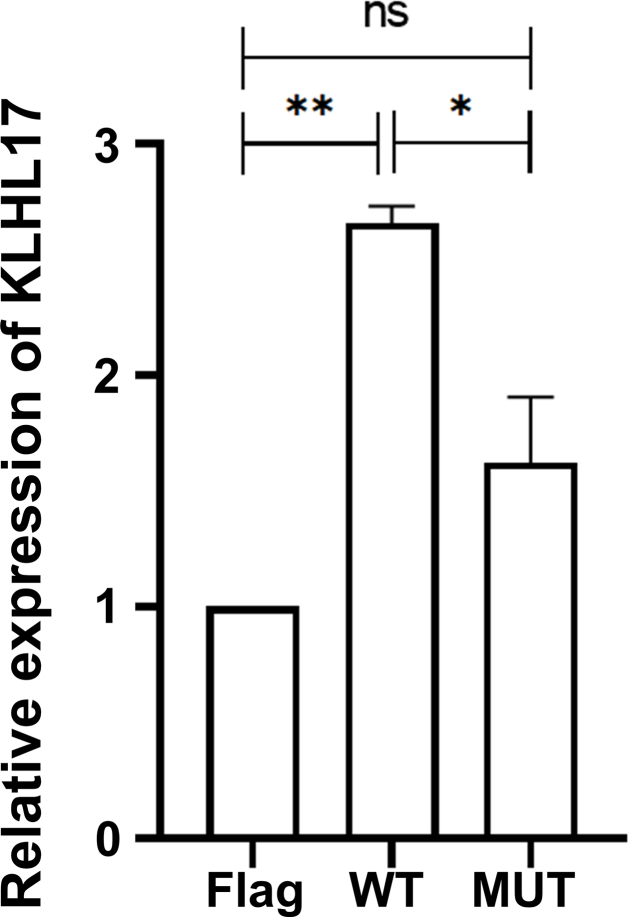 Figure 6
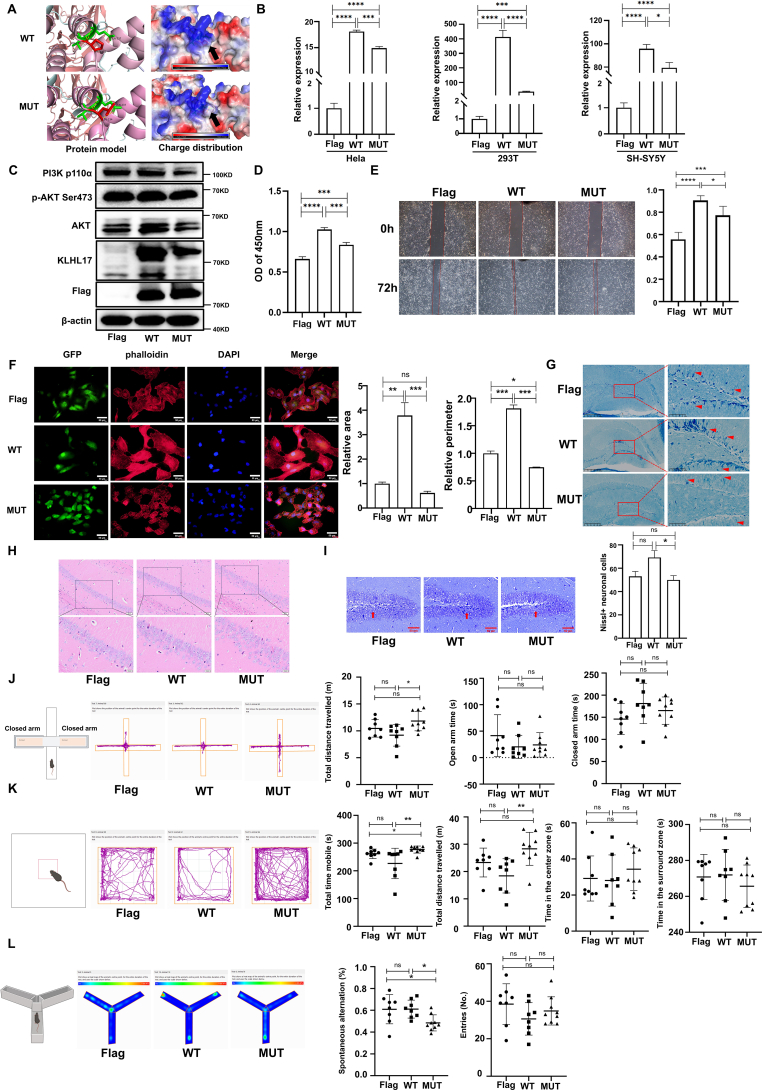 Figure 7
Peer Reviews
No public reviews on file for this paper yet. If you reviewed it on a platform where reviews are public (OpenReview, ICLR, NeurIPS, ICML), you can paste yours below so the community can read it here.
Videos
No videos yet. Explain this paper in a talk, walkthrough, or lecture? Add one.
Taxonomy
TopicsGenetic Syndromes and Imprinting · Neurogenetic and Muscular Disorders Research · Digestive system and related health
Kelch-like family member 17 (KLHL17) is predominantly expressed in the brain and plays a crucial role in neuronal development and function, deletions and/or mutations in KLHL17 have been linked to neurodevelopmental disorders in humans, e.g., intellectual disability, autism spectrum disorder, and infantile spasms, but the etiology and pathogenesis remain largely enigmatic.1^,^2 As a member of the family of the Kelch proteins, KLHL17 contains an N-terminal BTB/POZ domain followed by a BACK domain and four to six tandem Kelch motifs at the C-terminal region (Fig. S1A).1^,^3 Previously, we identified a novel de novo variant in KLHL17 (c.701C > T; p. P234L) in a cohort of 225 Chinese children with developmental delay/intellectual disability based on whole-exome sequencing (1/225), the mutation located in the BACK domain, a very high conversed region (Fig. S1B), and the affected boy presented with developmental delay, intellectual disability, hypotonia, and abnormal brainstem auditory evoked potential signal.4 The finding may offer a new clue to investigate the molecular pathogenesis of KLHL17 gene in neurodevelopmental disorders.
Firstly, online REVEL (https://sites.google.com/site/revelgenomics/) and CADD (https://cadd.gs.washington.edu/) tools were employed to predict pathogenicity for KLHL17^P234L^ variant, and high REVEL and CADD scores (0.907 and 25.9, respectively) indicated that the mutation was associated with a high probability of pathogenicity. Subsequently, the P234L amino acid change was precisely predicted by AlphaFold 3 and PyMOL 2.3.0. As shown in Figure 1A, the mutated L234 establishes a new hydrogen band with G237, and local charge distribution differs greatly between KLHL17^wt^ and KLHL17^P234L^, suggesting that such mutation is likely to affect the conformational characterization and protein–protein interaction, including enzyme/substrate specificity, affinity, and activity.Figure 1A novel mutation in the KLHL17 gene is associated with neurodevelopmental disorders. (A) KLHL17's structure and homology modeling of KLHL17^P234L^ were predicted using AlphaFold 3 (https://golgi.sandbox.google.com/) and were visualized in 3D using PyMOL software 2.3.0. (B) Quantitative real-time PCR analysis of KLHL17 expression in Hela, 293T, and SH-SY5Y cells transfected with different vectors for 72 h. (C) Western blot analysis of the expression of KLHL17, PI3K, AKT, and p-AKT in 293T cells transfected with different vectors for 72 h. (D) CCK8 assay showed the proliferation ability of SH-SY5Y cells (72 h after transfection). (E) The wound healing assay showed the migration ability of SH-SY5Y cells. Bar: 200 μm. Vector doses in (B–D) were the same. (F) KLHL17 altered cell morphology. Left: representative images of stable Hela cells (bar: 50 μm). Right: quantification of cell area and perimeter. (G–L) Animal model: axon myelination of mouse hippocampal neurons was investigated by Luxol fast blue staining (DG area; the bar is 50 μm for the right and 200 μm for the left) (G); KLHL17^P234L^-administrated mice showed demyelination, while KLHL17^wt^ and vector control mice showed normal myelination (red arrowhead); hippocampal neuronal morphology and Nissl bodies in the cytoplasm were visualized by hematoxylin and eosin staining (CA1 area, bar: upper: 50 μm, below: 20 μm) (H) and Nissl staining (DG area; bar: 50 μm) (I); hematoxylin and eosin staining and Nissl staining showed that the neurons in the hippocampal CA1 or DG area of the mice in the KLHL17^wt^ and vector control groups were neatly arranged, with clear nucleoli, while the neurons in KLHL17^P234L^ group were sparsely arranged, with nuclear pyknosis and enlarged intercellular space; and Nissl staining revealed that KLHL17^P234L^-administrated group had the least number of Nissl-positive neurons (I, right). Motor, learning, memory, and cognition were evaluated by a series of behavior assays, including the elevated plus maze test (EPMT) (J), open field test (OFT) (K), and Y-Maze test (YMZT) (L). KLHL17^P234L^-administrated mice exhibited hyperactivity (J, K) and impaired spatial learning and memory (L), compared with KLHL17^wt^-administrated mice; additionally, KLHL17^P234L^ mice did not exhibit anxiety-like behavior, i.e., the three groups of mice spent comparable time in surround or center zone in OFT (K), and spent equivalent time in the open or closed arms in EPMT (J). Flag, 3xflag-tagged empty vector control; WT, 3xflag-tagged KLHL17^wt^ vector; MUT, 3xflag-tagged KLHL17 ^P234L^ vector. Data are presented as mean ± standard deviation. To compare multiple groups, the data were analyzed by one-way analysis of variance (ANOVA) followed by Tukey's post hoc test if data were normally distributed or by the Kruskal–Wallis test followed by Mann–Whitney U test if the data were non-normally distributed. ∗P < 0.05, ∗∗P < 0.01, ∗∗∗P < 0.001, ∗∗∗∗P < 0.0001; ns, no significance.Figure 1
Because missense mutation may cause haploinsufficiency by affecting mRNA and/or protein expression, we sought to evaluate the impact of the identified KLHL17^P234L^ mutation on KLHL17 mRNA and/or protein expression. To this end, a fused N-terminal 3xflag-tagged KLHL17^wt^, KLHL17^P234L^, or empty vector was expressed in human Hela, 293T, or SH-SY5Y cells with similar transfection efficiency. We found that the KLHL17^P234L^ overexpression cells displayed significantly lower KLHL17 mRNA (Fig. 1B) and protein (Fig. 1C) levels when compared with KLHL17^wt^ overexpression cells (Fig. 1B, C). Then, we further examined cell proliferation and migration by CCK8 and wound healing test, we found that overexpression of ectopic KLHL17^wt^ in SH-SY5Y cells could promote cell proliferation and migration (Fig. 1D, E), the phenomena were also observed in other cell lines, such as A549, H299, H460, and SK cells,3 however, the promotion was significantly inhibited by KLHL17^P234L^ mutation (Fig. 1D, E). Meanwhile, cell morphology and F-actin organization were examined among Hela cells with stable expression of 3xflag-tagged KLHL17^wt^, KLHL17^P234L^, or empty vector control. Intriguingly, we found that stable cells expressing KLHL17^wt^ extended well, whereas KLHL17^P234L^-expressiing cells were much smaller (Fig. 1F, left); quantification of cell area and cell perimeter based on F-actin signal further substantiated that KLHL17^P234L^-expressiing cells were significantly smaller than KLHL17^wt^-expressiing cells (Fig. 1F, right). Therefore, these data indicate that this mutation can result in decreased gene expression and abnormal morphology and functions of cells.
To eliminate the possibility that the variant's effect on cell function is due to haploinsufficiency, we doubled the dosage of the KLHL17 ^P234L^ vector during the transient transfection, ensuring that mRNA and protein expression levels of KLHL17 in the KLHL17^P234L^-exprssing cells matched or exceeded that in the KLHL17^wt^-exprssing cells (Fig. S2A, B). Furthermore, we found that compared with vector control cells, both KLHL17^wt^ and KLHL17^P234L^ overexpression cells significantly increased cell proliferation and migration, and KLHL17^P234L^ cells still displayed less cell proliferation and migration levels than KLHL17^wt^ cells (Fig. S2C, D). Together, the findings imply that apart from haploinsufficiency, KLHL17^P234L^ mutation can influence cell biological function.
The phosphoinositide 3-kinase (PI3K)/protein kinase B (AKT) pathway emerges as a pivotal signal pathway implicated in cell proliferation, migration, differentiation, and metabolism; it has been considered a key driver of neurogenesis and its dysregulation has been implicated in the pathogenesis of various neurodevelopmental disorders, including autism spectrum disorder and intellectual disability.5 In our study, we found that overexpression of KLHL17 induced by KLHL17^wt^ plasmid elevated expression of PI3K-p110 and phosphorylated AKT, whereas KLHL17^P234L^ suppressed the activation (Fig. 1C). Furthermore, no significant differences were found among the three groups regarding cell proliferation after PI3K inhibitor GDC-0941 treatment (Fig. S3), indicating the increased proliferation levels induced by KLHL17^wt^ and KLHL17^P234L^ could be inhibited by attenuating the activation of PI3K/AKT pathway. Together, these findings suggest that the effect of KLHL17 and KLHL17^P234L^ in regulating cellular biological functions is accomplished through, or at least partly through, the activation of the PI3K/AKT pathway, thereby making it an attractive target for molecular pathogenesis and therapeutic intervention studies.
Next, to investigate the role of KLHL17^P234L^ in brain function in vivo, newborn mice were administered with different lentivirus (KLHL17^wt^, KLHL17^P234L^, or empty vector control) with the same injection dose (2 μL lentivirus; titer: 2 × 10^5^ TU/mL) via intracerebroventricular injection; 120 days later, histological analysis and a series of behavior assays were performed (more detail is shown in Supplementary Material; Fig. S4). As expected, we detected flag-positive signals in the mouse hippocampus of all three groups (Fig. S5), indicating the lentivirus had successfully delivered the plasmid DNA in the hippocampus; and the KLHL17 mRNA expression in the KLHL17^wt^-administrated mice was significantly higher than that in KLHL17^P234L^-administrated mice and vector control mice (Fig. S6). We examined axon myelination of hippocampal neurons by Luxol fast blue staining. Intriguingly, we found that cells in the hippocampal DG area of KLHL17^P234L^-administrated mice were myelination-deficient, while vector control and KLHL17^wt^-administrated mice showed normal myelination (Fig. 1G). KLHL17^P234L^-induced neuronal loss was obvious in the hippocampal CA1 or DG area in the KLHL17^P234L^-administrated mice (Fig. 1H, I), whereas vector control and KLHL17^wt^-administrated mice showed normal neuronal cells with clear nucleoli and neatly arranged neurons in hippocampal areas (Fig. 1H, I). Moreover, mouse behavioral experiments (Fig. 1J–L) revealed that compared with KLHL17^wt^ mice, KLHL17^P234L^ mice exhibited significantly longer moving distances in the elevated plus maze test and the open field test (Fig. 1J, K), less spontaneous alternation percentage in Y-maze test (Fig. 1L), which suggested that KLHL17^P234L^ could induce hyperactivity, spatial learning, and memory impairment in vivo. Additionally, we did not find that KLHL17^P234L^-administrated mice exhibited anxiety-like behavior in this study (Fig. 1K–J). Consistently, Hu et al also found that compared with Klhl17^+/+^ mice, Klhl17^+/−^ mice displayed hyperactivity but no anxiety responses.1 Indeed, in several unrelated patients, deletion of different segments of chromosome 1p36 that include KLHL17 display a wide phenotypic spectrum, including developmental delay, mental retardation, and seizure/epilepsy.2 One conclusion could thus be that although the abnormal behavioral phenotypes in KLHL17^P234L^-administrated mice did not perfectly match human behaviors exhibited by the developmental delay/intellectual disability boy with KLHL17^P234L^ mutation, the subsequent behavioral and pathological findings in the KLHL17^P234L^-administrated mice were attributable to exogenous KLHL17^P234L^ expression, highlighting its potential value for academic research and clinical fields.
In conclusion, although the effect of KLHL17^P234L^ requires further in-depth study, for example, more molecular experiments are needed to identify the specific targets or interacting genes of KLHL17 in neurodevelopmental disorders, as well as more behavioral experiments across different time points to undertake more detailed analysis of the pathological effect of the P234L mutation on neuronal development in vivo, our findings furnish novel research cues for understanding the molecular pathogenesis and mechanism of KLHL17-related neurodevelopmental disorders.
Ethics declaration
Human-related study was not performed in this study. For animal study, all experiments were performed with the approval of the Guilin Medical University Ethics Committee (No. GLMC202303105).
Funding
This study was funded by the 10.13039/501100001809National Natural Science Foundation of China (No. 82160620), the 10.13039/501100004607Natural Science Foundation of Guangxi Province, China (No. 2023GXNSFAA026036), and the 10.13039/501100013254Guangxi College Students Innovation and Entrepreneurship Training Program (China) (No. S202310601164).
CRediT authorship contribution statement
Meng Ao: Writing – original draft, Software, Methodology, Investigation. Shunxiang Zhang: Software, Investigation, Data curation. Yun Ouyang: Writing – original draft, Software, Data curation. Shucong Li: Visualization, Software. Heqian Ma: Visualization, Methodology. Meizhen Guo: Formal analysis. Xuelin Dai: Software. Qianhui Xia: Software. Xiaoying Zhang: Writing – review & editing, Project administration, Funding acquisition, Conceptualization.
Conflict of interests
The authors declared no conflicting interests.
The reference list from the paper itself. Each links out to its DOI / PubMed record.
- 1Hu H.T.Huang T.N.Hsueh Y.P.KLHL 17/Actinfilin, a brain-specific gene associated with infantile spasms and autism, regulates dendritic spine enlargement J Biomed Sci 27120201033325671310.1186/s 12929-020-00696-1PMC 7708131 · doi ↗ · pubmed ↗
- 2Paciorkowski A.R.Thio L.L.Rosenfeld J.A.Copy number variants and infantile spasms: evidence for abnormalities in ventral forebrain development and pathways of synaptic function Eur J Hum Genet 19122011123812452169473410.1038/ejhg.2011.121PMC 3230360 · doi ↗ · pubmed ↗
- 3Liu Z.Zhao M.Jiang X.Upregulation of KLHL 17 promotes the proliferation and migration of non-small cell lung cancer by activating the Ras/MAPK signaling pathway Lab Invest 102122022138913993597805710.1038/s 41374-022-00806-7 · doi ↗ · pubmed ↗
- 4Ma H.Zhu L.Yang X.Genetic and phenotypic analysis of 225 Chinese children with developmental delay and/or intellectual disability using whole-exome sequencing BMC Genom 251202439110.1186/s 12864-024-10279-1PMC 1103407938649797 · doi ↗ · pubmed ↗
- 5Pirozzi F.Berkseth M.Shear R.Profiling PI 3K-AKT-MTOR variants in focal brain malformations reveals new insights for diagnostic care Brain 145320229259383535505510.1093/brain/awab 376PMC 9630661 · doi ↗ · pubmed ↗