Metagenomic assembled dataset of potentially polyethylene terephthalate-degrading microcosms enriched from seawater, cow dung, and landfill soil
Aubrey Dickon Chigwada, Henry Joseph Oduor Ogola, Memory Tekere

TL;DR
This paper introduces a dataset of 99 high-quality genomes from microorganisms that may degrade plastic, collected from seawater, cow dung, and landfill soil.
Contribution
The study provides a novel dataset of potentially PET-degrading microorganisms from diverse environments, with detailed functional annotations.
Findings
99 high-quality MAGs were recovered from microcosms with PET as the sole carbon source.
Seawater yielded the most MAGs, followed by cow dung and landfill soil.
Functional profiles suggest these microorganisms may play a role in PET biodegradation.
Abstract
We present a dataset of 99 prokaryotic metagenome-assembled genomes (MAGs) derived from 180-day culture-enrichment microcosms of seawater, landfill soil, and cow dung, with polyethylene terephthalate (PET) as the sole carbon source. The recovered MAGs met the medium-to-high quality standards of the Minimum Information for Metagenome-Assembled Genomes (MIMAG) criteria with completeness ranging from 76.5% to 100% and low contamination levels (<10%). The majority of the MAGs were obtained from seawater (52), followed by cow dung (28), and landfill soil (19). Additionally, the dataset includes detailed DRAM (Distilled and Refined Annotation of Metabolism) functional profiles of the MAGs, which highlight the potential role of these microorganisms in the biodegradation of PET polymers. This genomic data provides valuable reference information on bacteria and archaea with the potential…
Genes, proteins, chemicals, diseases, species, mutations and cell lines named across the full text — each resolved to its canonical identifier and authoritative record.
Click any figure to enlarge with its caption.
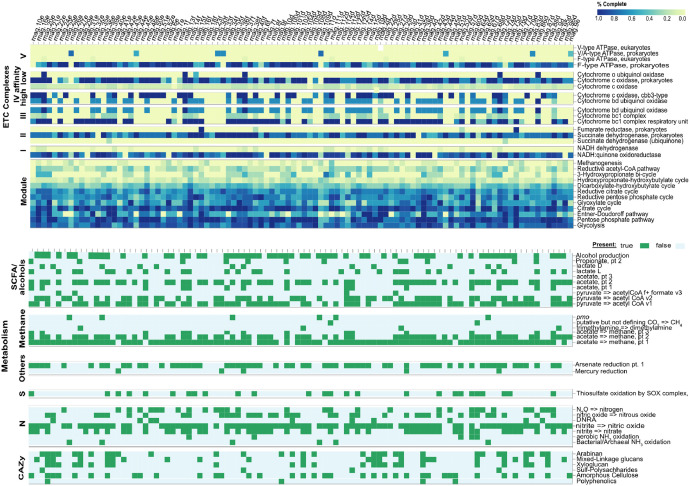 Figure 1
Peer Reviews
No public reviews on file for this paper yet. If you reviewed it on a platform where reviews are public (OpenReview, ICLR, NeurIPS, ICML), you can paste yours below so the community can read it here.
Videos
No videos yet. Explain this paper in a talk, walkthrough, or lecture? Add one.
Taxonomy
TopicsMicroplastics and Plastic Pollution · Microbial bioremediation and biosurfactants · Recycling and Waste Management Techniques
Value of the Data
1
- •The MAGs presented here present a significant contribution to reference genomes within databases focused on PET degradation, specifically from diverse environments such as seawater, cow dung, and landfill soil.
- •These datasets provide a valuable resource for future comparative analyses of gene sets in microorganisms harboring PET bioremediation genes, facilitating insights into functional capabilities and metabolic pathways associated with plastic degradation.
- •When compared to MAGs from similar environmental settings, these genomes offer valuable information regarding evolutionary adaptations and microbial responses to PET contamination.
- •Many of the recovered MAGs align with well-characterized species, making them suitable for inclusion in pan-genomic analyses, which can enhance our understanding of genetic diversity within PET-degrading microbial communities.
- •The MAGs exhibit a high degree of novelty in both taxonomic classification and functional annotation, highlighting previously unrecognized microbial taxa and metabolic pathways with potential roles in plastic biodegradation.
Background
2
Microbial biodegradation of PET presents a promising approach for managing plastic pollution in the environment. In this context, this study aimed to enrich microbial consortia from landfill soil, seawater, and cow dung with the capacity to biodegrade PET. Despite the growing interest in PET-degrading microorganisms, there is a limited body of published molecular genetic data on the bacteria and archaea involved in this process, particularly from such diverse environments. To address this gap, we employed MAG techniques to generate genomic data that would enable the identification and functional annotation of microbial genes associated with PET biodegradation. This approach provides valuable insights into the genetic and functional properties of PET-degrading microbes, which are critical for advancing bioremediation strategies. Table 1 represents the specifications of the data.Table 1. Specifications of the Data.Table 1. SubjectMicrobiology: Biotechnology RemediationSpecific subject areaPlastic-degrading microbial communitiesType of dataFASTA files. tables. and figuresData collectionComposite samples were collected from landfill soil, seawater, and cow dung. Samples were used as inocula in 180-day lab enrichment experiments using PET as the sole carbon source. Post-enrichment, DNA was extracted and sequenced using the DNBSEQ-G400. Reads were assembled with metaSPAdes and contigs binned with MaxBin, metaBAT2, and CONCOCT software. Recovered MAGs were taxonomically classified and annotated using GTDB-tk and DRAM.Data source locationLandfill soil samples City/Town/Region: Mogale City, Gauteng Country: South Africa Latitude and longitude: (26.00 S 27.66 E)Seawater samples City/Town/Region: Durban, KwaZulu Natal Country: South Africa Latitude and longitude: (29.83 S 31.03 E)Cow dung samples City/Town/Region: Pretoria, Gauteng Country: South Africa Latitude and longitude: (26.10 S 27.02 E)Data accessibilityRepository name: NCBI Genbank Sequence Read Archive (SRA)Data identification number: NCBI Bioproject ID PRJNA1081682 Direct URL to data:https://www.ncbi.nlm.nih.gov/bioproject/PRJNA1081682 [1]
Data Description
3
This dataset comprises MAGs recovered from microbial communities originating from seawater, landfill soil, and cow dung. These communities were enriched under laboratory conditions for 180 days using PET as the sole carbon source in microcosms. A comprehensive summary of the recovered MAGs is presented in Table 2, with genome completeness ranging from 76.5% to 100% and contamination levels remaining below 10%, in accordance with MIMAG standards [2]. Functional gene annotations for these MAGs are visualized as a heatmap in Fig. 1.Table 2A list of 99 MAGs is available in the dataset sourced from 180-day culture-enrichment microcosm of seawater, cow dung, and landfill soil using PET as the sole carbon source. GTDB-Tk was used to generate the taxonomic classification. Functional novelty is reflected by the percentage of predicted genes.Table 2:MAGTaxonomyComp† (%)Cont∞ (%)Genome size (bp)ContigsN50 (bp)GC (%)ˁCDSNCBI Genbank AssemblyGTDB-Tk TaxonomyMAGs from Landfill soil microcosmsmag.1dFlavobacteriales bacterium100033760982425325960.72814GCA_044508845.1k_Bacteria;p_Bacteroidetes;c_Flavobacteriia;o_Flavobacterialesmag.36dRubrivivax sp.99.531.6447951036711115171.64354GCA_044508835.1k_Bacteria;p_Proteobacteria;c_Betaproteobacteria;o_Burkholderiales;f_Rubrivivaxmag.37dSphingomonadales bacterium99.30.933681160679459464.23593GCA_044508875.1k_Bacteria;p_Proteobacteria;c_Alphaproteobacteria;o_Sphingomonadalesmag.8dPropionibacteriaceae bacterium99.220.6932507094811954769.93018GCA_044508675.1k_Bacteria;p_Actinobacteria;c_Actinobacteria;o_Actinomycetales;f_Propionibacteriaceaemag.14dBurkholderiales bacterium98.292.1939955088212678569.33799GCA_044508645.1k_Bacteria;p_Proteobacteria;c_Betaproteobacteria;o_Burkholderialesmag.35dNitrosomonas sp.97.630.122644038844930049.72462GCA_044508755.1k_Bacteria;p_Proteobacteria;c_Betaproteobacteria;o_Nitrosomonadales;f_Nitrosomonadaceae;g_Nitrosomonasmag.23dPlanctomycetaceae bacterium97.160.573262784897506364.12731GCA_044508635.1k_Bacteria;p_Planctomycetes;c_Planctomycetia;o_Planctomycetales;f_Planctomycetaceaemag.34dAlcaligenaceae bacterium96.891.7239645651065943568.43649GCA_044508625.1k_Bacteria;p_Proteobacteria;c_Betaproteobacteria;o_Burkholderiales;f_Alcaligenaceaemag.13dComamonadaceae bacterium95.770.5648421642812688171.14762GCA_044508595.1k_Bacteria;p_Proteobacteria;c_Betaproteobacteria;o_Burkholderiales;f_Comamonadaceaemag.9dLysobacter sp.95.470.7823894265111498870.42247GCA_044508555.1k_Bacteria;p_Proteobacteria;c_Gammaproteobacteria;o_Xanthomonadales;f_Xanthomonadaceae;g_Lysobactermag.18dChloroflexota bacterium94.810.94361633841411819623371GCA_044508575.1k_Bacteria;p_Chlorofleximag.40dHyphomicrobiales bacterium94.752.8235507203261643666.43597GCA_044508525.1k_Bacteria;p_Proteobacteria;c_Alphaproteobacteria;o_Rhizobialesmag.15dBradyrhizobiaceae bacterium92.526.093771253541987162.73974GCA_044508545.1k_Bacteria;p_Proteobacteria;c_Alphaproteobacteria;o_Rhizobiales;f_Bradyrhizobiaceaemag.7dClavibacter sp.91.021.9122428821901940769.72343GCA_044508495.1k_Bacteria;p_Actinobacteria;c_Actinobacteria;o_Actinomycetales;f_Microbacteriaceae;g_Clavibactermag.30dDeinococcaceae bacterium90.681.2730228825810555973.22680GCA_044508445.1k_Bacteria;p_Deinococcus-Thermus;c_Deinococci;o_Deinococcales;f_Deinococcaceaemag.16dMycolicibacterium sp.90.553.1667326453133448867.36691GCA_044508435.1k_Bacteria;p_Actinobacteria;c_Actinobacteria;o_Actinomycetales;f_Mycobacteriaceae;g_Mycobacteriummag.38dMycolicibacterium sp.87.411.3274221444552833665.77619GCA_044508465.1k_Bacteria;p_Actinobacteria;c_Actinobacteria;o_Actinomycetales;f_Mycobacteriaceae;g_Mycobacteriummag.33dDeinococcaceae bacterium86.332.9729877341224966469.62707GCA_044508425.1k_Bacteria;p_Deinococcus-Thermus;c_Deinococci;o_Deinococcales;f_Deinococcaceaemag.6dMycobacterium sp.85.341.7963208132953984365.46503GCA_044508395.1k_Bacteria;p_Actinobacteria;c_Actinobacteria;o_Actinomycetales;f_Mycobacteriaceae;g_MycobacteriumMAGs from Cow dung microcosmsmag.26eNitrosopumilales archaeon99.031.9422719781093541248.72686GCA_044508385.1k_Archaea;p_Thaumarchaeota;c_Nitrosopumilales;o_Nitrosopumilalesmag.42ePropionibacteriaceae bacterium98.70.873608623968021369.83457GCA_044508365.1k_Bacteria;p_Actinobacteria;c_Actinobacteria;o_Actinomycetales;f_Propionibacteriaceaemag.6eMicrobacterium sp.97.981.7733027344415403970.83169GCA_044508325.1k_Bacteria;p_Actinobacteria;c_Actinobacteria;o_Actinomycetales;f_Microbacteriaceae;g_Microbacteriummag.21eActinomadura sp.97.862.1473632132404722872.96798GCA_044508335.1k_Bacteria;p_Actinobacteria;c_Actinobacteria;o_Actinomycetales;f_Thermomonosporaceae;g_Actinomaduramag.44eHyphomicrobiaceae bacterium97.597.2238962032333361264.63814GCA_044508295.1k_Bacteria;p_Proteobacteria;c_Alphaproteobacteria;o_Rhizobiales;f_Hyphomicrobiaceaemag.20eSphingomonadales bacterium96.934.437275193541570964.43926GCA_044508285.1k_Bacteria;p_Proteobacteria;c_Alphaproteobacteria;o_Sphingomonadalesmag.51eAcidobacteriota bacterium96.116.4844569322712945270.13992GCA_044508265.1k_Bacteria;p_Acidobacteriamag.52eFlavobacteriales bacterium95.411.0831899742801574660.82911GCA_044508195.1k_Bacteria;p_Bacteroidetes;c_Flavobacteriia;o_Flavobacterialesmag.35eActinomycetota bacterium94.592.7432632262372050971.73189GCA_044508215.1k_Bacteria;p_Actinobacteria;c_Actinobacteriamag.45eNitrosomonas sp.94.580.4821543301172790249.71937GCA_044508205.1k_Bacteria;p_Proteobacteria;c_Betaproteobacteria;o_Nitrosomonadales;f_Nitrosomonadaceae;g_Nitrosomonasmag.50ePlanctomycetaceae bacterium94.32041877013512062171.53583GCA_044508185.1k_Bacteria;p_Planctomycetes;c_Planctomycetia;o_Planctomycetales;f_Planctomycetaceaemag.36eNitrosomonas sp.94.080.6326057141302977849.72447GCA_044508165.1k_Bacteria;p_Proteobacteria;c_Betaproteobacteria;o_Nitrosomonadales;f_Nitrosomonadaceae;g_Nitrosomonasmag.24eActinomycetales bacterium93.931.162022824369837263.81963GCA_044508135.1k_Bacteria;p_Actinobacteria;c_Actinobacteria;o_Actinomycetalesmag.29ebacterium93.060.9322898101228981055.22249GCA_044508115.1k_Bacteriamag.46eBurkholderiales bacterium92.933.436350722192845670.23457GCA_044508095.1k_Bacteria;p_Proteobacteria;c_Betaproteobacteria;o_Burkholderialesmag.31eAcidobacteriota bacterium92.314.4637406371594187268.53396GCA_044508085.1k_Bacteria;p_Acidobacteriamag.39eLysobacterales bacterium91.93.5844953702563844361.74029GCA_044508065.1k_Bacteria;p_Proteobacteria;c_Gammaproteobacteria;o_Xanthomonadalesmag.25eMyxococcales bacterium91.754.1163085335631769567.55626GCA_044508025.1k_Bacteria;p_Proteobacteria;c_Deltaproteobacteria;o_Myxococcalesmag.32eSphingomonadales bacterium91.416.2832011002452356868.93260GCA_044508015.1k_Bacteria;p_Proteobacteria;c_Alphaproteobacteria;o_Sphingomonadalesmag.43eRubrivivax sp.91.034.7745380334521717271.84522GCA_044508005.1k_Bacteria;p_Proteobacteria;c_Betaproteobacteria;o_Burkholderiales;f_Rubrivivaxmag.27eMycolicibacterium sp.89.132.6166567244892084167.36705GCA_044507965.1k_Bacteria;p_Actinobacteria;c_Actinobacteria;o_Actinomycetales;f_Mycobacteriaceae;g_Mycobacteriummag.9eDeinococcaceae bacterium88.662.7326581422621544871.62635GCA_044507975.1k_Bacteria;p_Deinococcus-Thermus;c_Deinococci;o_Deinococcales;f_Deinococcaceaemag.16eHyphomicrobiales bacterium88.362.3241979163411863168.74163GCA_044507925.1k_Bacteria;p_Proteobacteria;c_Alphaproteobacteria;o_Rhizobialesmag.7eNitrospiraceae bacterium87.344.124279919696791057.94592GCA_044507885.1k_Bacteria;p_Nitrospirae;c_Nitrospira;o_Nitrospirales;f_Nitrospiraceaemag.40eHyphomicrobiales bacterium870.5527396561782792464.92860GCA_044507875.1k_Bacteria;p_Proteobacteria;c_Alphaproteobacteria;o_Rhizobialesmag.10eRubrivivax sp.86.642.933578849665694369.93908GCA_044507895.1k_Bacteria;p_Proteobacteria;c_Betaproteobacteria;o_Burkholderiales;f_Rubrivivaxmag.22eOpitutales bacterium79.523.193677598896478562.93863GCA_044507865.1k_Bacteria;p_Verrucomicrobia;c_Opitutae;o_Opitutalesmag.41eChloroflexota bacterium77.18.4950555091471386066.25791GCA_044507845.1k_Bacteria;p_ChloroflexiMAGs from seawater microcosmsmag.25fFlavobacteriales bacterium100033394062325325960.72794GCA_044507815.1k_Bacteria;p_Bacteroidetes;c_Flavobacteriia;o_Flavobacterialesmag.88fFlammeovirgaceae bacterium99.70.8953425775815804250.44403GCA_044507775.1k_Bacteria;p_Bacteroidetes;c_Cytophagia;;o_Cytophagales;f_Flammeovirgaceaemag.72fSphingomonadales bacterium99.642.4536986137610176064.23644GCA_044507765.1k_Bacteria;p_Proteobacteria;c_Alphaproteobacteria;o_Sphingomonadalesmag.38fActinomadura sp.99.242.6773335412514685372.96773GCA_044507795.1k_Bacteria;p_Actinobacteria;c_Actinobacteria;o_Actinomycetales;f_Thermomonosporaceae;g_Actinomaduramag.109fNitrosopumilales archaeon99.030.972325507556930548.62720GCA_044507735.1k_Archaea;p_Thaumarchaeota;c_Nitrosopumilales;o_Nitrosopumilalesmag.100fAlcaligenaceae bacterium98.842.2939370941155827668.43633GCA_044507725.1k_Bacteria;p_Proteobacteria;c_Betaproteobacteria;o_Burkholderiales;f_Alcaligenaceaemag.122fIgnavibacteriales bacterium98.6037117713122533235.43176GCA_044507695.1k_Bacteria;p_Ignavibacteriae;c_Ignavibacteria;o_Ignavibacterialesmag.111fHyphomicrobiaceae bacterium97.981.2537251834316833664.63481GCA_044507625.1k_Bacteria;p_Proteobacteria;c_Alphaproteobacteria;o_Rhizobiales;f_Hyphomicrobiaceaemag.19fOpitutales bacterium97.973.3843051761128277262.83749GCA_044507675.1k_Bacteria;p_Verrucomicrobia;c_Opitutae;o_Opitutalesmag.60fBurkholderiales bacterium97.832.440009181218541469.23826GCA_044507665.1k_Bacteria;p_Proteobacteria;c_Betaproteobacteria;o_Burkholderialesmag.123fRubrivivax sp.97.431.6446212231126811571.74241GCA_044507635.1k_Bacteria;p_Proteobacteria;c_Betaproteobacteria;o_Burkholderiales;f_Rubrivivaxmag.104fActinomycetales bacterium97.222.2264430661656666771.85778GCA_044507605.1k_Bacteria;p_Actinobacteria;c_Actinobacteria;o_Actinomycetalesmag.57fPlanctomycetaceae bacterium97.161.732676733017794664.12746GCA_044507575.1k_Bacteria;p_Planctomycetes;c_Planctomycetia;o_Planctomycetales;f_Planctomycetaceaemag.87fPlanctomycetaceae bacterium96.59042572662752806871.53610GCA_044507535.1k_Bacteria;p_Planctomycetes;c_Planctomycetia;o_Planctomycetales;f_Planctomycetaceaemag.10fActinomycetota bacterium96.581.7132240221922971871.73101GCA_044507565.1k_Bacteria;p_Actinobacteria;c_Actinobacteriamag.9fBurkholderiales bacterium96.333.4736623532312578170.23483GCA_044507525.1k_Bacteria;p_Proteobacteria;c_Betaproteobacteria;o_Burkholderialesmag.67fNitrosomonas sp.96.211.072699433864934849.62525GCA_044507425.1k_Bacteria;p_Proteobacteria;c_Betaproteobacteria;o_Nitrosomonadales;f_Nitrosomonadaceae;g_Nitrosomonasmag.96fMicrobacterium sp.95.961.7732815686410558970.83184GCA_044507445.1k_Bacteria;p_Actinobacteria;c_Actinobacteria;o_Actinomycetales;f_Microbacteriaceae;g_Microbacteriummag.105fNitrospiraceae bacterium95.852.7345740787106076757.94308GCA_044507505.1k_Bacteria;p_Nitrospirae;c_Nitrospira;o_Nitrospirales;f_Nitrospiraceaemag.75fChloroflexota bacterium95.651.532997926436126623409GCA_044507415.1k_Bacteria;p_Chlorofleximag.102fbacterium95.64.433542013371517566.33133GCA_044507285.1k_Bacteriamag.3fRubrivivax sp.95.184.0139151382262892869.93815GCA_044507405.1k_Bacteria;p_Proteobacteria;c_Betaproteobacteria;o_Burkholderiales;f_Rubrivivaxmag.27fActinomycetales bacterium95.091.1620643233315218463.82001GCA_044507265.1k_Bacteria;p_Actinobacteria;c_Actinobacteria;o_Actinomycetalesmag.45fAcidobacteriota bacterium94.586.2458885430932424704119GCA_044507255.1k_Bacteria;p_Acidobacteriamag.65fChloroflexota bacterium94.346.0263544035991666566.86129GCA_044507205.1k_Bacteria;p_Chlorofleximag.77fActinomycetota bacterium94.171.7224975573181125272.82692GCA_044507145.1k_Bacteria;p_Actinobacteria;c_Actinobacteriamag.112fNitrosomonas sp.94.10.4821348731092964349.71917GCA_044507105.1k_Bacteria;p_Proteobacteria;c_Betaproteobacteria;o_Nitrosomonadales;f_Nitrosomonadaceae;g_Nitrosomonasmag.79fAcidobacteriota bacterium94.022.5636873461585001468.53318GCA_044507065.1k_Bacteria;p_Acidobacteriamag.108fFlammeovirgaceae bacterium93.820.6936965663411452951.13366GCA_044507115.1k_Bacteria;p_Bacteroidetes;c_Cytophagia;o_Cytophagales;f_Flammeovirgaceaemag.101fMyxococcales bacterium93.675.1663862073224102967.55511GCA_044507075.1k_Bacteria;p_Proteobacteria;c_Deltaproteobacteria;o_Myxococcalesmag.52fHyphomicrobiales bacterium93.626.5138646113691654066.13967GCA_044506985.1k_Bacteria;p_Proteobacteria;c_Alphaproteobacteria;o_Rhizobialesmag.22fSphingomonadales bacterium93.332.142935939926371467.22793GCA_044506885.1k_Bacteria;p_Proteobacteria;c_Alphaproteobacteria;o_Sphingomonadalesmag.114fbacterium93.060.9322902062225040755.22255GCA_044506935.1k_Bacteriamag.42fSporichthya sp.93.05051900061207625371.64958GCA_044506825.1k_Bacteria;p_Actinobacteria;c_Actinobacteria;o_Actinomycetales;f_Streptomycetaceaemag.76fMycolicibacterium sp.92.22.5269003003613093367.36871GCA_044506875.1k_Bacteria;p_Actinobacteria;c_Actinobacteria;o_Actinomycetales;f_Mycobacteriaceae;g_Mycobacteriummag.35fPropionibacteriaceae bacterium91.970.6932754765211453769.93094GCA_044506835.1k_Bacteria;p_Actinobacteria;c_Actinobacteria;o_Actinomycetales;f_Propionibacteriaceaemag.4fMycolicibacterium sp.91.633.489749446042533265.69215GCA_044506715.1k_Bacteria;p_Actinobacteria;c_Actinobacteria;o_Actinomycetales;f_Mycobacteriaceae;g_Mycobacteriummag.86fComamonadaceae bacterium91.164.7846694374811414571.24796GCA_044506685.1k_Bacteria;p_Proteobacteria;c_Betaproteobacteria;o_Burkholderiales;f_Comamonadaceaemag.29fChloroflexota bacterium90.371.8334831063316988172.23263GCA_044506615.1k_Bacteria;p_Chlorofleximag.2fHyphomicrobiales bacterium90.140.5528576611702775764.82960GCA_044506585.1k_Bacteria;p_Proteobacteria;c_Alphaproteobacteria;o_Rhizobialesmag.15fHyphomicrobiales bacterium89.691.0141833892353344568.74097GCA_044506555.1k_Bacteria;p_Proteobacteria;c_Alphaproteobacteria;o_Rhizobialesmag.83fDeinococcaceae bacterium89.625.5130376381534084771.82866GCA_044506545.1k_Bacteria;p_Deinococcus-Thermus;c_Deinococci;o_Deinococcales;f_Deinococcaceaemag.14fSphingomonadales bacterium89.591.5431082271773486868.93116GCA_044506565.1k_Bacteria;p_Proteobacteria;c_Alphaproteobacteria;o_Sphingomonadalesmag.31fClavibacter sp.89.111.6822763342381475269.72396GCA_044506455.1k_Bacteria;p_Actinobacteria;c_Actinobacteria;o_Actinomycetales;f_Microbacteriaceae;g_Clavibactermag.74fLysobacterales bacterium87.323.6245682132034937261.64075GCA_044506405.1k_Bacteria;p_Proteobacteria;c_Gammaproteobacteria;o_Xanthomonadalesmag.115fHyphomicrobiales bacterium83.431.59336586722121178643391GCA_044506365.1k_Bacteria;p_Proteobacteria;c_Alphaproteobacteria;o_Rhizobialesmag.95fActinomycetota bacterium83.138.1235770614721010170.53817GCA_044506375.1k_Bacteria;p_Actinobacteria;c_Actinobacteriamag.64fPlanctomycetaceae bacterium82.022.953211401221509066.85139GCA_044506435.1k_Bacteria;p_Planctomycetes;c_Planctomycetia;o_Planctomycetales;f_Planctomycetaceaemag.51fThermomicrobia bacterium82028540372801382262.32892GCA_044506205.1k_Bacteria;p_Chloroflexi;c_Thermomicrobiamag.68fRubrivivax sp.78.774.9135897833231682869.93587GCA_044506225.1k_Bacteria;p_Proteobacteria;c_Betaproteobacteria;o_Burkholderiales;f_Rubrivivaxmag.44fDeinococcaceae bacterium76.480.422207965595825973.61979GCA_044506245.1k_Bacteria;p_Deinococcus-Thermus;c_Deinococci;o_Deinococcales;f_Deinococcaceaemag.11fHyphomicrobiaceae bacterium76.455.7145255628286968634966GCA_044506255.1k_Bacteria;p_Proteobacteria;c_Alphaproteobacteria;o_Rhizobiales;f_Hyphomicrobiaceae†Completeness.∞Contamination.ˁCDS protein-coding sequences/predicted genes.Fig. 1. Heatmap showing the DRAM functional annotation profiles of 99 MAGs recovered after 180 days of enrichment using polyethylene terephthalate (PET) as the sole carbon source in microcosms derived from seawater (f), cow dung (e), and landfill soil (d).Fig 1
In total, 99 high-quality MAGs were obtained, comprising 98 bacterial and 1 archaeal genome. The majority of MAGs originated from seawater samples (52), followed by cow dung (28), and landfill soil (19) (Table 2). Among the MAGs identified, Sphingomonadales bacterium (mag.37d, mag.20e, mag.32e), order Flavobacteriales (e.g., mag.1d and mag.52e), members of the genus Mycobacterium/Mycolicibacterium (mag.6d, mag.16d, mag.38d, mag.27e), and Rubrivivax sp. (mag.36d, mag.43e, mag.10e) were prominent. These taxa are particularly noteworthy because they have been previously associated with plastic and hydrocarbon biodegradation processes [[3], [4], [5]]. The presence of these taxa across diverse substrates such as seawater and terrestrial environments (cow dung and landfill soil) points to their broad metabolic versatility and potential utility in biotechnological applications targeting plastic waste remediation.
Experimental Design, Materials, and Methods
4
Sampling
4.1
Landfill soil samples (200 g each) were collected randomly from five different locations at a depth of 10–15 cm within the Luipaardsvlei Municipal Solid Waste Landfill Site, Mogale City, Gauteng, South Africa (26.00°S, 27.66°E). The individual samples were combined into a single composite soil sample (totaling 1000 g), placed in sterile zip-lock bags, and transported immediately on ice to the laboratory. Seawater samples were collected from the plastic-polluted shoreline of Durban, KwaZulu-Natal, South Africa (29.83°S, 31.03°E). Water was aseptically collected from three different sites using sterile 2 L polypropylene bottles, pooled into one composite sample, and transported on ice to the laboratory for subsequent analyses. Additionally, equal weights of fresh, 15-day, and 30-day composted cow dung were collected from the Dairy Unit of the Agricultural Research Council (ARC) Farm in Pretoria, Gauteng, South Africa (26.10°S, 27.02°E). The cow dung samples were homogenized into a single composite sample (500 g) and stored in sterile zip-lock bags. Upon arrival at the laboratory, all samples were stored at 4°C and utilized for microcosm enrichment experiments within three days of collection.
Microcosms enrichment experiments
4.2
Enrichment experiments were conducted using 500 mL Erlenmeyer flasks, each containing 200 mL of sterile mineral salts medium supplemented with 1 g of inoculum (landfill soil or cow dung), 1 mL of seawater, and 1 g of polyethylene terephthalate (PET) plastic polymers as the sole carbon and energy source. The PET used was standard granular PET beads (Pcode: 102397981) obtained from Sigma-Aldrich (catalog numbers: 429252; Sigma-Aldrich, USA). Cultures were established in triplicate and incubated for 180 days at 30°C with continuous agitation at 160 rpm, following the protocol adapted from Edwards et al. [6], with minor modifications to optimize for extended incubation under oligotrophic conditions. Flasks were loosely capped to maintain aerobic conditions, and sterile water was periodically added to compensate for evaporative loss. During the incubation, pH was monitored monthly to assess potential acidification due to microbial metabolism, and adjusted if necessary, using sterile NaOH or HCl to maintain a pH range of 7.0–7.5. No additional carbon or nutrient sources were supplied during the experiment to ensure selection pressure favored PET-degrading microbial populations.
Throughout the enrichment, strict aseptic techniques were employed to minimize contamination and ensure that observed biodegradation activities were attributable to the introduced inocula. Control flasks containing mineral salts medium and PET but no inoculum was also incubated under identical conditions to monitor abiotic degradation processes.
DNA extraction, library preparation, and shotgun sequencing
4.3
Following the 180-day incubation period, DNA was extracted from each enrichment consortium in triplicate, and the resulting extracts were subsequently pooled to obtain representative composite samples. Ambient (environmental) DNA was extracted from 5 mL aliquots of the enrichment cultures using the NucleoSpin® Soil DNA Extraction Kit (Macherey-Nagel, supplied by Fisher Scientific UK Ltd., Leicestershire, UK), following the manufacturer's standard protocol with no modifications. Extracted DNA samples were quantified using a Qubit 4 Fluorometer (Thermo Fisher Scientific, USA) and assessed for integrity via 1% (w/v) agarose gel electrophoresis. High-quality DNA samples were immediately stored at −79 °C until further processing.
For library construction, the MGIEasy Universal DNA Library Prep Set V1.0 (MGI Tech Co., China) was utilized, following the manufacturer’s guidelines to prepare paired-end libraries suitable for high-throughput sequencing. Library quality and insert size distributions were evaluated prior to sequencing using an Agilent 2100 Bioanalyzer (Agilent Technologies, USA). Shotgun metagenomic sequencing was performed at Agricultural Research Centre (ARC), Pretoria, South Africa, on the DNBSEQ-G400® platform (MGI Tech Co., China) generating 150 bp paired-end reads.
Metagenome sequence quality control, and assembly of MAGs
4.4
Raw sequencing reads generated from shotgun metagenomics were subjected to quality control using Fastqc (v0.12.0) [7] and Trimmomatic (v0.40) [8]. Adapter sequences were removed, and low-quality bases (Phred score <20) were trimmed; reads falling below the quality threshold were also discarded to ensure the retention of high-fidelity sequences.
High-quality reads were subsequently assembled de novo using metaSPAdes (v3.15.3) [9], a de Bruijn graph-based assembler optimized for metagenomic data. Assembly quality was evaluated with QUAST (v5.2) [10], which provided key metrics including N50 values, total number of contigs, and maximum contig lengths. Additionally, QUAST was used to compare assembled contigs against reference genomes to identify potential misassembles or gaps.
Binning of assembled contigs was performed using a combination of CONCOCT (v1.1) [11], MetaBAT2 [12], and MaxBin2 (v2.0) [13], based on sequence coverage patterns and tetranucleotide composition, with a minimum contig length threshold set at 2,500 bp. To improve bin quality, bins were dereplicated and integrated using the DAS Tool (v1.1.2) [14]. Bin quality was further assessed using CheckM (v1.0.18) [15], which provided estimates of completeness and contamination. High-quality MAGs were defined as those with fewer than 500 contigs, an N50 value exceeding 20,000 bp, completeness greater than 50%, and contamination less than 10% [2]. Taxonomic classification of the MAGs was performed using GTDB-Tk (v3.4.2) [16], and genome annotation was conducted with Prokka (v1.14.5) [17]. Functional annotation of the MAGs was subsequently carried out using the DRAM pipeline (v0.1.2) [18] to predict metabolic and ecological functions.
Limitations
Not applicable.
Ethics Statements
The authors have consulted the publisher's ethics in publishing standards and believe the manuscript meets these standards.
CRediT authorship contribution statement
Aubrey Dickon Chigwada: Conceptualization, Investigation, Formal analysis, Writing – original draft, Visualization, Writing – review & editing. Henry Joseph Oduor Ogola: Conceptualization, Writing – review & editing, Formal analysis, Visualization. Memory Tekere: Conceptualization, Writing – review & editing, Supervision.
The reference list from the paper itself. Each links out to its DOI / PubMed record.
- 1NCBI Bioproject, https://identifiers.org/ncbi/bioproject:PRJNA 1081682, (2025).
- 2Bowers R.M.Kyrpides N.C.Stepanauskas R.Harmon-Smith M.Doud D.Reddy T.B.K.Schulz F.Jarett J.Rivers A.R.Eloe-Fadrosh E.A.Tringe S.G.Ivanova N.N.Copeland A.Clum A.Becraft E.D.Malmstrom R.R.Birren B.Podar M.Bork P.Weinstock G.M.Garrity G.M.Dodsworth J.A.Yooseph S.Sutton G.Glöckner F.O.Gilbert J.A.Nelson W.C.Hallam S.J.Jungbluth S.P.Ettema T.J.G.Tighe S.Konstantinidis K.T.Liu W.-T.Baker B.J.Rattei T.Eisen J.A.Hedlund B.Mc Mahon K.D.Fierer N.Knight R.Finn R.Cochrane G.Karsch-Mizrachi I.Tyson G.W.Rinke C.Kyrpides N.C.Schriml L.Garrity G.M.Hugenholtz P · doi ↗ · pubmed ↗
- 3Vaksmaa A.Knittel K.Abdala Asbun A.Goudriaan M.Ellrott A.Witte H.J.Vollmer I.Meirer F.Lott C.Weber M.Engelmann J.C.Niemann H.Microbial communities on plastic polymers in the Mediterranean Sea Front. Microbiol.12202167355310.3389/fmicb.2021.673553 PMC 824300534220756 · doi ↗ · pubmed ↗
- 4Naloka K.Polrit D.Muangchinda C.Thoetkiattikul H.Pinyakong O.Bioballs carrying a syntrophic Rhodococcus and Mycolicibacterium consortium for simultaneous sorption and biodegradation of fuel oil in contaminated freshwater Chemosphere 282202113097310.1016/j.chemosphere.2021.13097334091296 · doi ↗ · pubmed ↗
- 5Padmanabhan L.Varghese S.Patil K.R.Rajath H.M.Krishnasree R.K.Shareef I.M.Ecofriendly degradation of polyethylene plastics using oil degrading microbes Recent Innov. Chem. Eng.132020294010.2174/2405520412666190725114137 · doi ↗
- 6Edwards S.León-zayas R.Ditter R.Laster H.Sheehan G.Anderson O.Beattie T.Mellies J.L.Microbial consortia and mixed plastic waste: pangenomic analysis reveals potential for degradation of multiple plastic types via previously identified PET degrading bacteria Int. J. Mol. Sci.23202210.3390/ijms 23105612 PMC 914696135628419 · doi ↗ · pubmed ↗
- 7Andrews S.Krueger F.Segonds-Pichon A.Biggins L.Krueger C.Wingett S.Fast QC: a quality control tool for high throughput sequence data Babraham Bioinformatics 20102010 https://www.bioinformatics.babraham.ac.uk/projects/fastqc/
- 8Bolger A.M.Lohse M.Usadel B.Trimmomatic: a flexible trimmer for Illumina sequence data Bioinformatics.3020142114212010.1093/bioinformatics/btu 17024695404 PMC 4103590 · doi ↗ · pubmed ↗