Valorization Pathway for Grape Pruning and Pomace Waste from the Wine Industry: Energy and Non-Energy Applications
José R. Ayala, Benjamín A. Rojano, Marcos A. Coronado, Andrés Felipe Alzate-Arbeláez, Carlos A. Sagaste, Angie D. Vélez, Daniela G. Montes

TL;DR
This study explores using grape waste from winemaking for energy and antioxidant purposes, showing vine prunings can be burned for energy and grape pomace can act as a natural antioxidant in oils.
Contribution
The paper proposes a novel valorization pathway for grape pruning and pomace waste, demonstrating their dual use in energy and antioxidant applications.
Findings
Vine prunings are suitable for direct combustion in energy applications.
Grape pomace extract has high antioxidant capacity and can increase sunflower oil stability by up to 42.5%.
Grape pomace contains significant levels of phenolics, flavonoids, and anthocyanins, with cyanidin and epicatechin being prominent compounds.
Abstract
Wine is a popular beverage worldwide, and its consumption continues to rise, leading to waste, particularly from vine prunings and grape pomace. The aim of this study was to create a valorization pathway utilizing these waste materials. To achieve this, proximate analysis, chemical composition, ultimate analysis, thermogravimetric analysis (TGA), and other physicochemical parameters for both vine prunings and grape pomace were assessed. Based on the results, vine prunings were identified as suitable for direct combustion in energy applications, and grape pomace was found to be suitable as an antioxidant in vegetable oil. Grape pomace extract showed the following results through UV-vis spectroscopy: total phenolic content of 1688.10 mg GAE/100 g, total flavonoids of 1330.39 mg catechin/100 g, and total anthocyanins of 12.61 mg cyanidin-3-glucoside/100 mg. The antioxidant capacity was…
Genes, proteins, chemicals, diseases, species, mutations and cell lines named across the full text — each resolved to its canonical identifier and authoritative record.
Click any figure to enlarge with its caption.
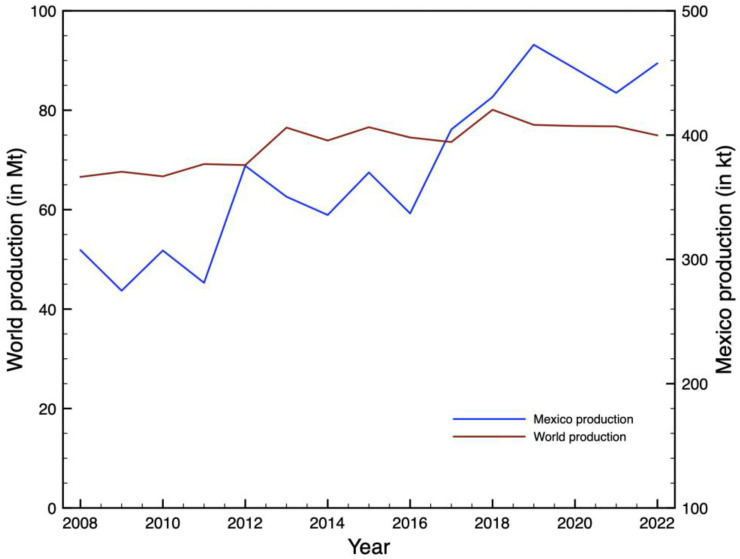 Figure 1
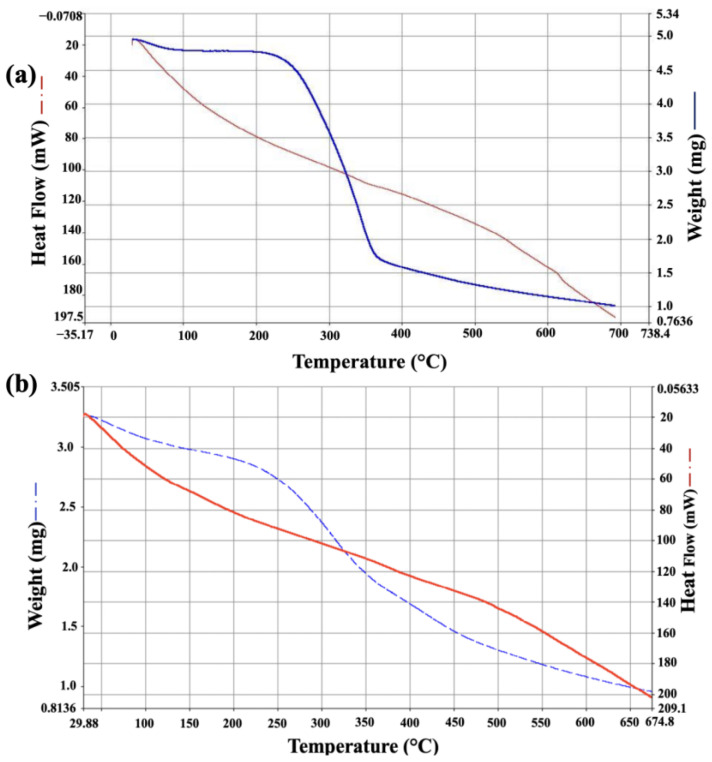 Figure 2
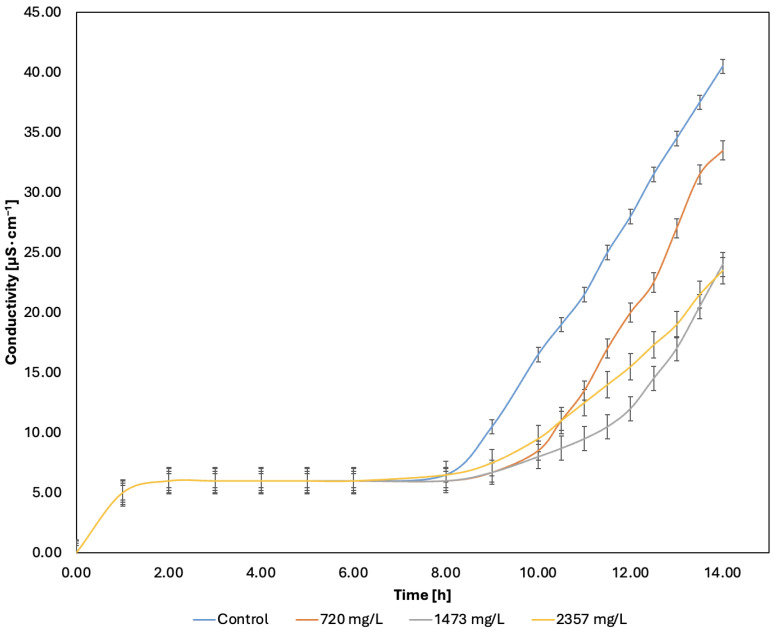 Figure 3
Peer Reviews
No public reviews on file for this paper yet. If you reviewed it on a platform where reviews are public (OpenReview, ICLR, NeurIPS, ICML), you can paste yours below so the community can read it here.
Videos
No videos yet. Explain this paper in a talk, walkthrough, or lecture? Add one.
Taxonomy
TopicsFermentation and Sensory Analysis · Horticultural and Viticultural Research · Biochemical and biochemical processes