Push-Pull OPEs in Blue-Light Anticancer Photodynamic Therapy
Ana Lameiro, Chiara M. A. Gangemi, Aurora Mancuso, Paola Maria Bonaccorsi, Maria Letizia Di Pietro, Silvia Gómez-Pastor, Fausto Puntoriero, Francisco Sanz-Rodríguez, Anna Barattucci

TL;DR
This paper introduces new push-pull OPE compounds for blue-light photodynamic therapy, showing strong cancer cell-killing effects.
Contribution
The paper presents two new push-pull glycosyl OPEs with optimized charge transfer for efficient blue-light PDT.
Findings
OPE-NOF demonstrated strong charge-transfer character and high photodynamic activity against HeLa cells.
Blue-light irradiation of OPE-NOF caused massive cancer cell death with minimal harm to surrounding tissues.
The glycosyl terminations improved biocompatibility and bioaffinity of the OPE compounds.
Abstract
Photodynamic therapy (PDT) is a minimally invasive technique—used for the local eradication of neoplastic cells—that exploits the interaction of light, oxygen, and a photo-responsive drug called photosensitizer (PS) for the local generation of lethal ROS. Push-pull chromophores, that bear electron donor (D) and acceptor (A) groups linked through a π-electron bridge, are characterized by a non-homogeneous charge distribution in their excited state, with charge transfer from one extremity of the chain to the other one (Internal Charge Transfer—ICT). This phenomenon has a direct impact on the photophysical features of the push-pull compounds, as the bathochromic shift of the emission maxima and intersystem crossing (ISC) of the excited state are directly connected with the production of reactive oxygen species (ROS). In continuing our research regarding the synthesis and use of…
Genes, proteins, chemicals, diseases, species, mutations and cell lines named across the full text — each resolved to its canonical identifier and authoritative record.
Click any figure to enlarge with its caption.
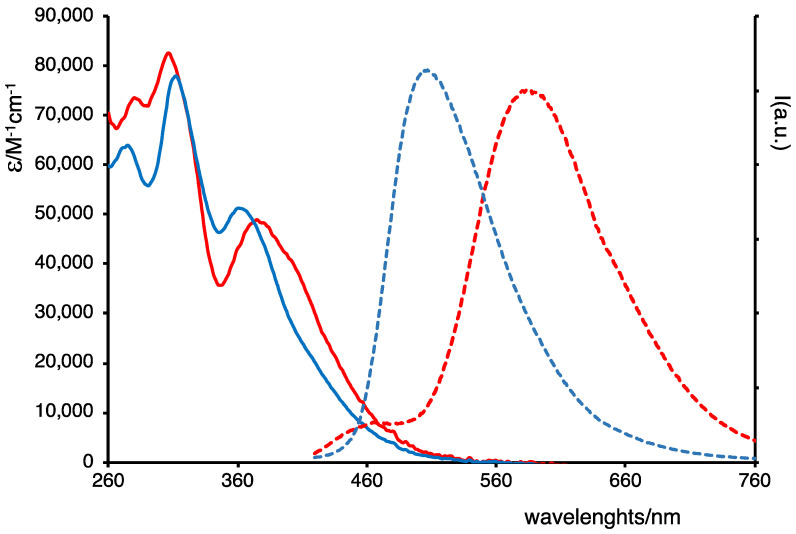 Figure 1
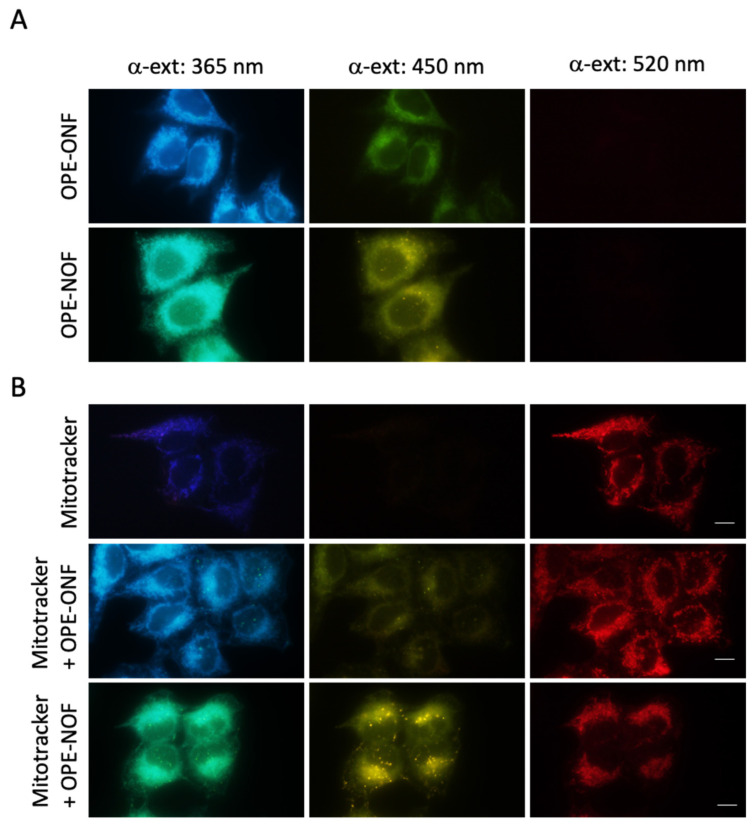 Figure 2
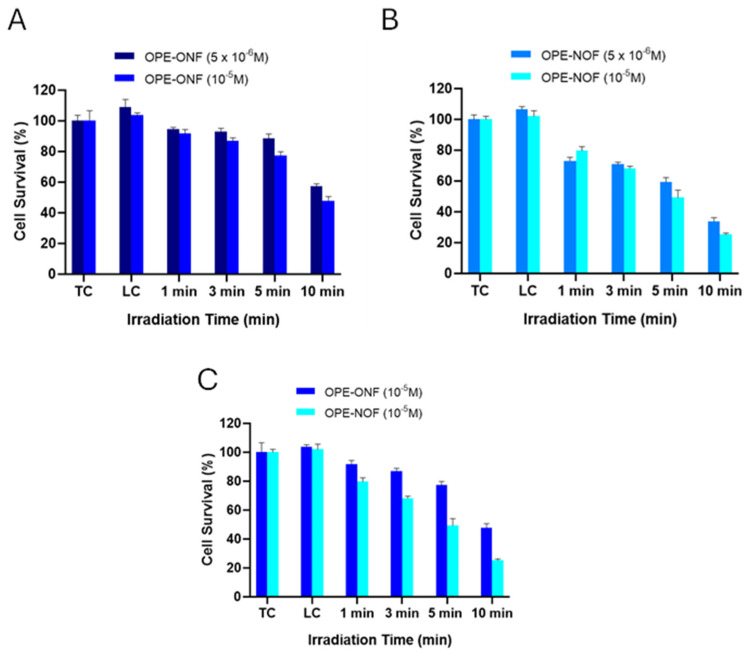 Figure 3
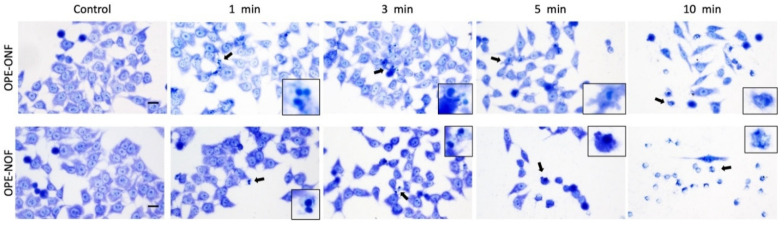 Figure 4
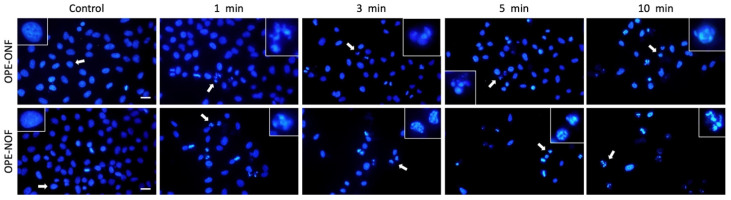 Figure 5
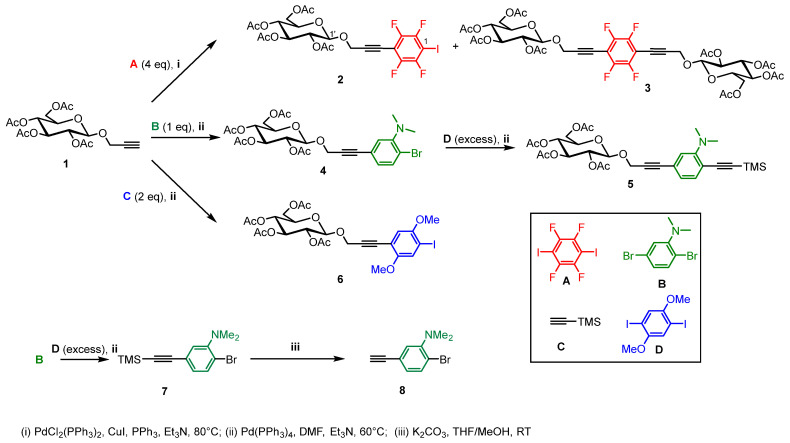 Figure 6
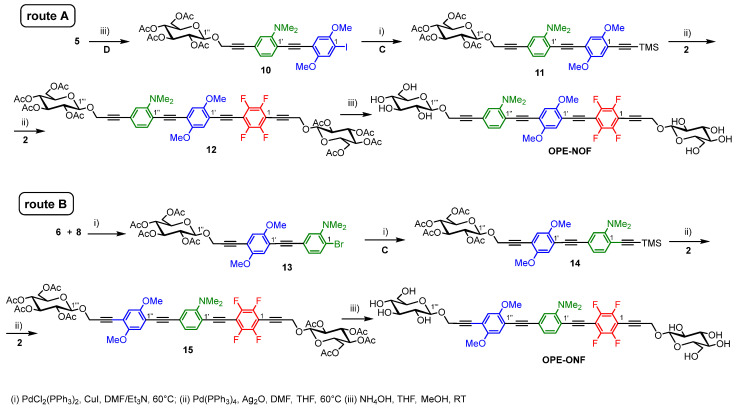 Figure 7
Peer Reviews
No public reviews on file for this paper yet. If you reviewed it on a platform where reviews are public (OpenReview, ICLR, NeurIPS, ICML), you can paste yours below so the community can read it here.
Videos
No videos yet. Explain this paper in a talk, walkthrough, or lecture? Add one.
Taxonomy
TopicsLuminescence and Fluorescent Materials · Nanoplatforms for cancer theranostics · Fluorine in Organic Chemistry