The Orbital Destruction Intensity Classification—An Easy-to-Use, Numerical Scale for Assessing the Severity of Orbital Fractures
Kacper Galant, Marcin Kozakiewicz, Agata Ciosek, Katarzyna Bogusiak, Izabela Gabryelczak

TL;DR
This study evaluates a new numerical scale, the Orbital Destruction Intensity (ODI), to assess the severity of orbital fractures and their treatment needs.
Contribution
The study introduces and validates the ODI scale as a practical tool for assessing and classifying orbital fracture severity.
Findings
Assault was the leading cause of orbital fractures, accounting for 39% of cases.
Higher ODI scores correlated with more complex fractures and different treatment approaches.
The ODI scale effectively links injury severity to anatomical classifications and treatment methods.
Abstract
Background/Objectives: Orbital fractures are a very serious problem due to the close location of the eyeball and a direct path to brain injuries, which is associated with serious consequences. This study aims to assess the usefulness of the Orbital Destruction Intensity (ODI) scale. Additionally, this article includes elements of an epidemiological study. Methods: A retrospective study of 160 patients admitted to the Department of Maxillofacial Surgery in Łódź (Poland) between January 2021 and June 2024 was conducted. In this study, general patient information (gender, age), details about the injuries (cause, affected orbit, accompanying symptoms), diagnosis (ODI scale, pathological classification), and treatment were assessed. Analysis of the distribution of features and regression analysis was performed in the case of quantitative data. To compare the assessment of the impact of a…
Genes, proteins, chemicals, diseases, species, mutations and cell lines named across the full text — each resolved to its canonical identifier and authoritative record.
Click any figure to enlarge with its caption.
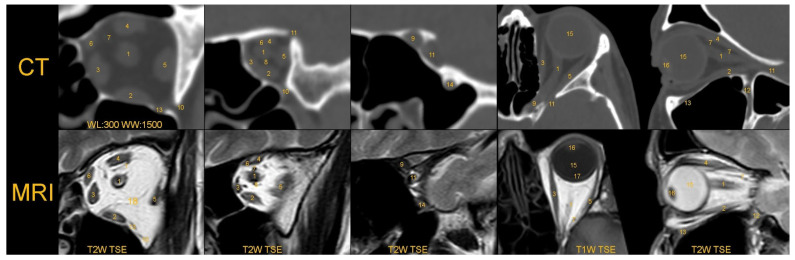 Figure 1
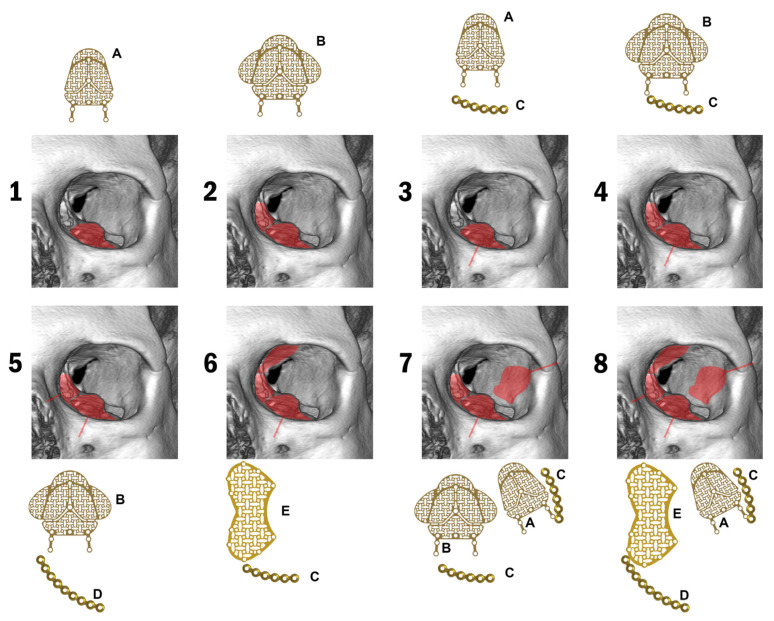 Figure 2
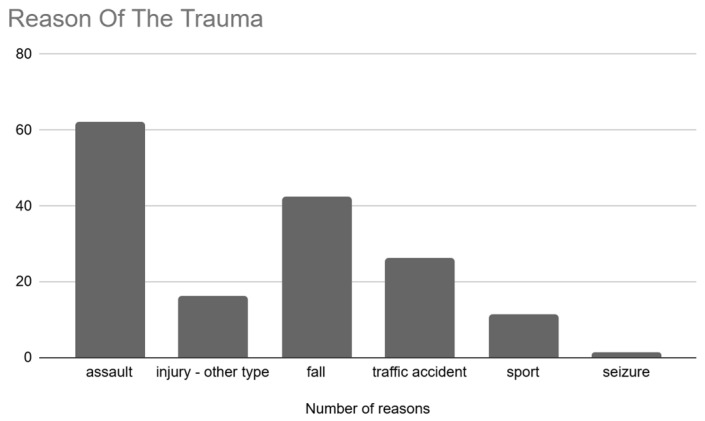 Figure 3
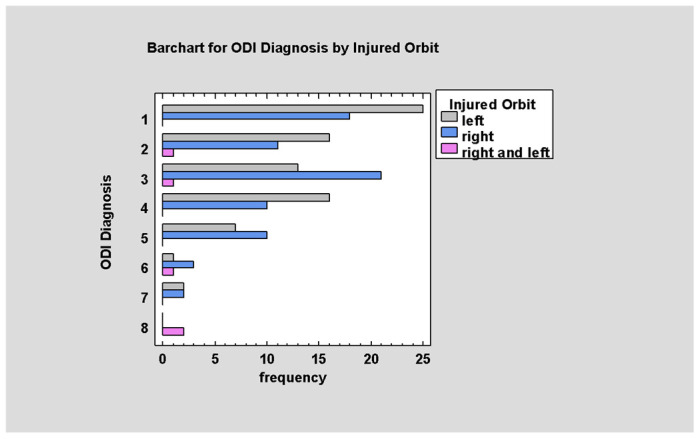 Figure 4
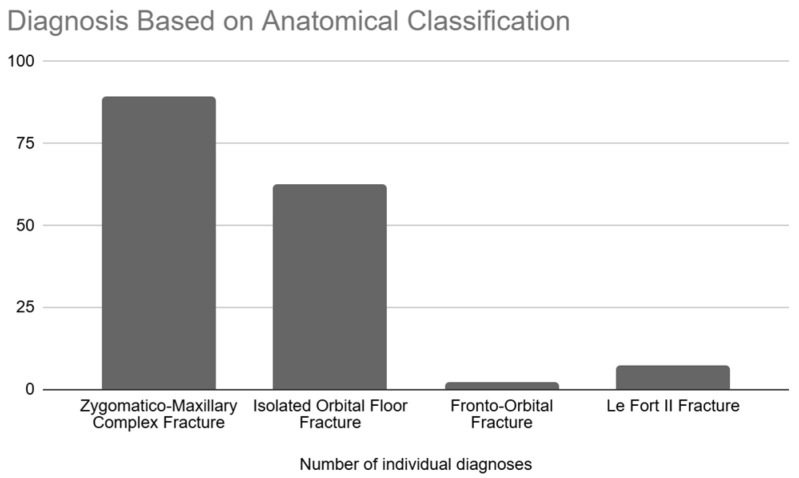 Figure 5
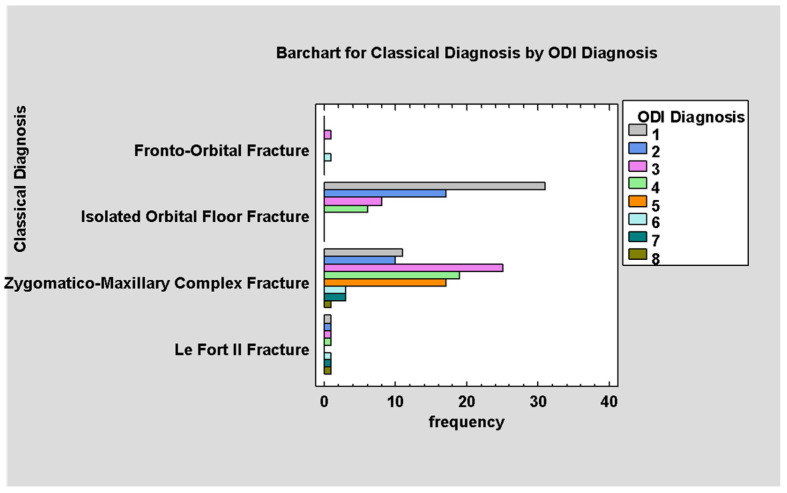 Figure 6
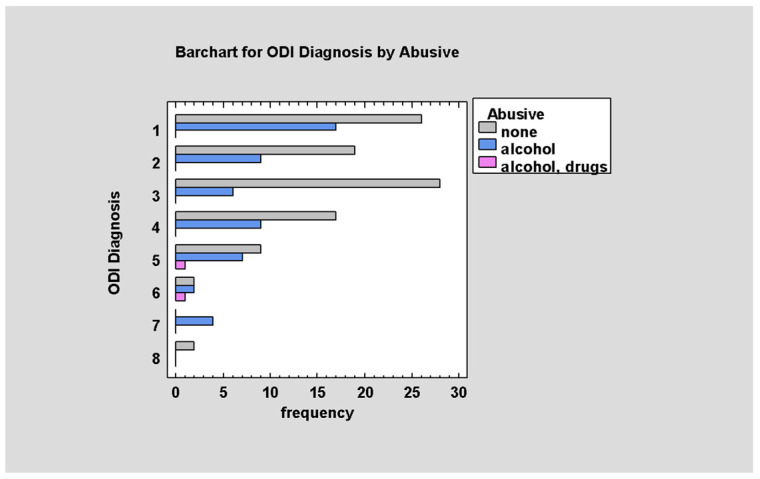 Figure 7
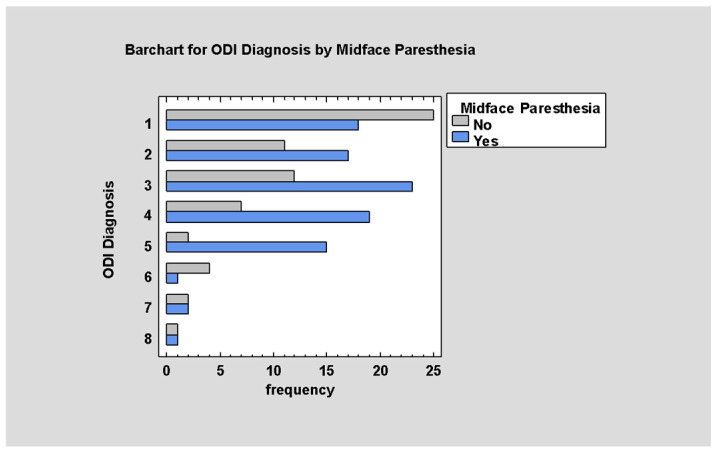 Figure 8
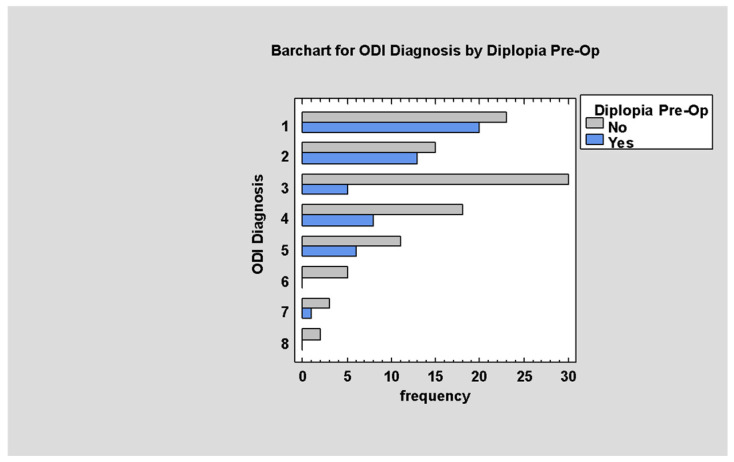 Figure 9
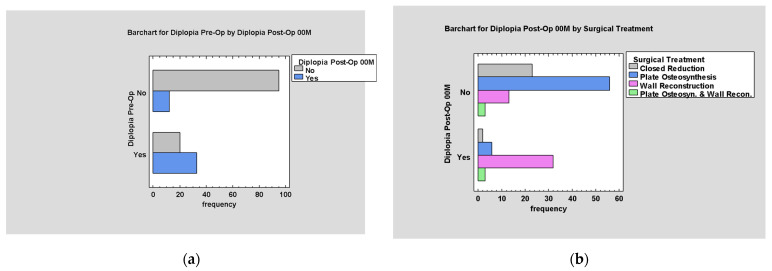 Figure 10
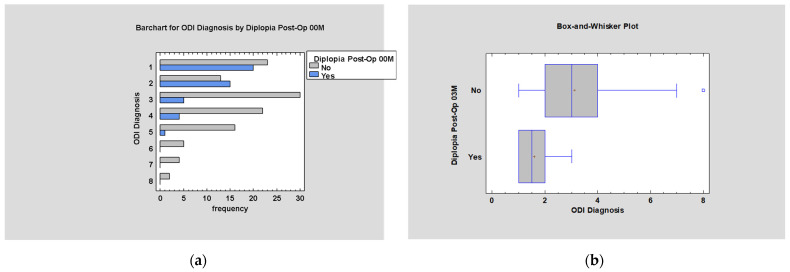 Figure 11
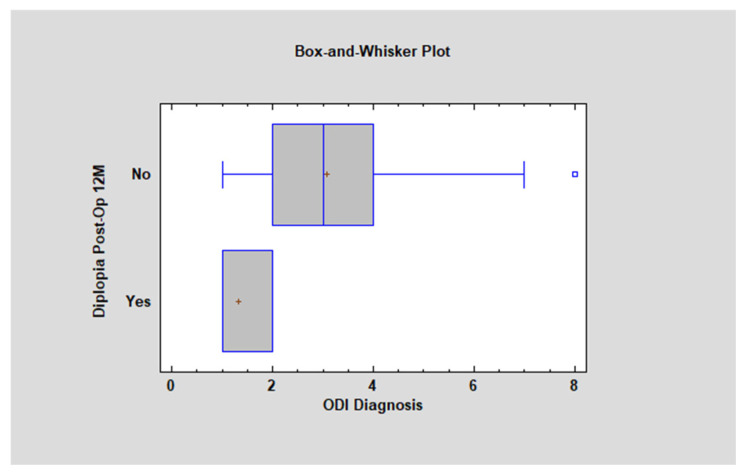 Figure 12
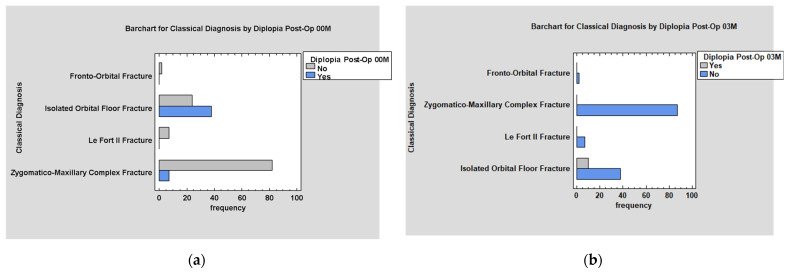 Figure 13
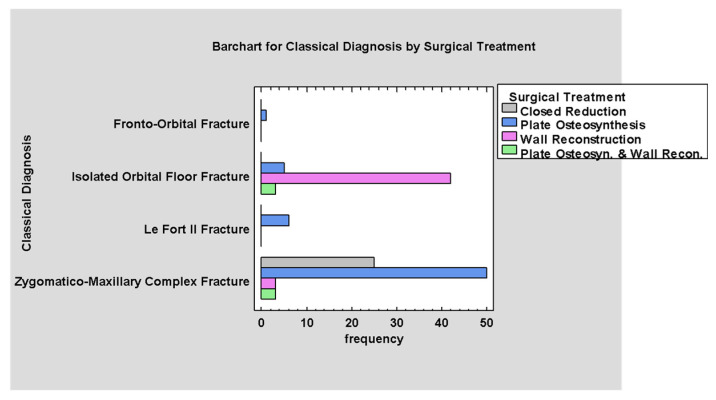 Figure 14
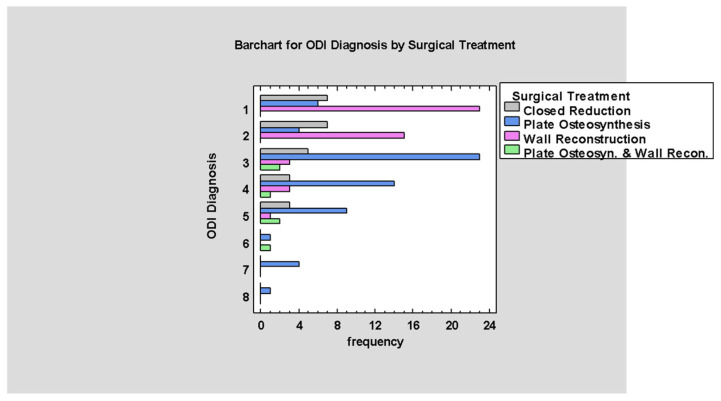 Figure 15
Peer Reviews
No public reviews on file for this paper yet. If you reviewed it on a platform where reviews are public (OpenReview, ICLR, NeurIPS, ICML), you can paste yours below so the community can read it here.
Videos
No videos yet. Explain this paper in a talk, walkthrough, or lecture? Add one.
Taxonomy
TopicsFacial Trauma and Fracture Management · Traumatic Ocular and Foreign Body Injuries · Dental Radiography and Imaging