Synthesis of Porous Polymers by Nucleophilic Substitution Reaction of Polyamines and Monochlorotriazinyl-β-Cyclodextrin and Application to Dye Adsorption
Naofumi Naga, Risa Hiura, Tamaki Nakano

TL;DR
Researchers created porous polymers using a chemical reaction between polyamines and a modified cyclodextrin, and found they can effectively adsorb dyes.
Contribution
A novel method for synthesizing porous polymers via nucleophilic substitution of polyamines and monochlorotriazinyl-β-cyclodextrin is introduced.
Findings
Porous polymers with varied morphologies were synthesized using different polyamines and reaction conditions.
The adsorption of dyes like methyl orange and methylene blue was achieved through ionic and π–π interactions.
Particle size and structure of polymers influenced mechanical properties like Young’s modulus and compressive strength.
Abstract
Network polymers with β-cyclodextrin moieties were prepared by nucleophilic substitution reactions between polyamines, linear polyethyleneimine (LPEI), polyallylamine (PAA), (ε-poly-L-lysine) (EPL), and monochlorotriazinyl-β-cyclodextrin (MCTCD) in methanol/water mixed solvent or water. The reactions under conditions of high material concentration (30 wt%) and a feed ratio of [MCT]/[NH] = 0.5 (mol/mol) successfully yield porous polymers via reaction-induced phase separation. The molecular structure of the polyamines and reaction conditions strongly affected the morphology of the resulting porous polymers. The porous polymers were composed of connected particles, gathered (slightly connected) particles, and/or disordered bulky structures, with sizes of 10−9 m–10−8 m. An increase in the molecular weight of LPEI and PAA and the feed molar ratio of [MCT]/[NH] tended to decrease the particle…
Genes, proteins, chemicals, diseases, species, mutations and cell lines named across the full text — each resolved to its canonical identifier and authoritative record.
Click any figure to enlarge with its caption.
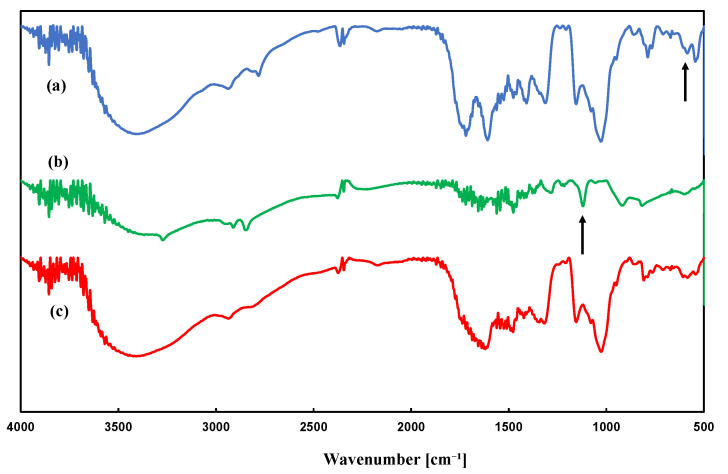 Figure 1
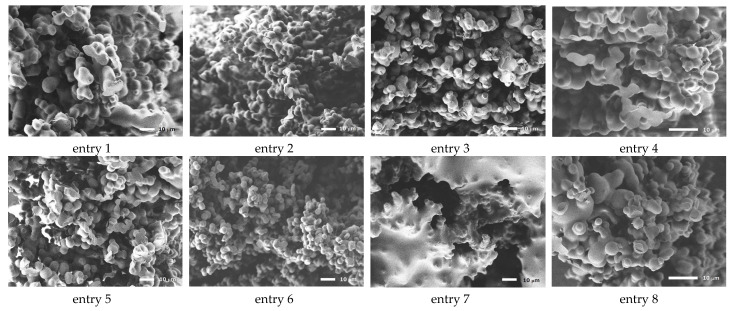 Figure 2
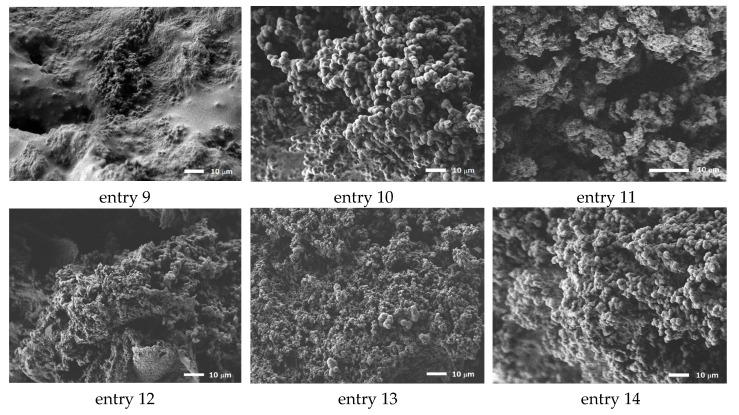 Figure 3
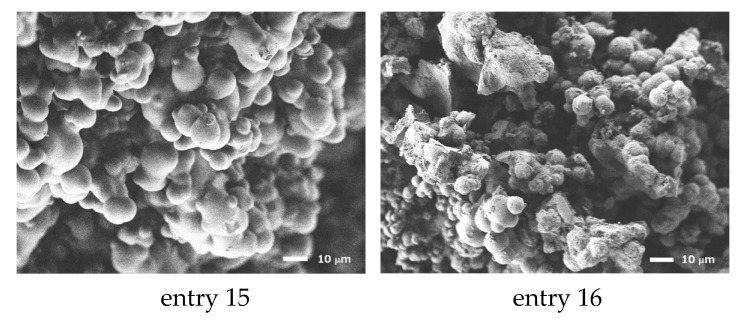 Figure 4
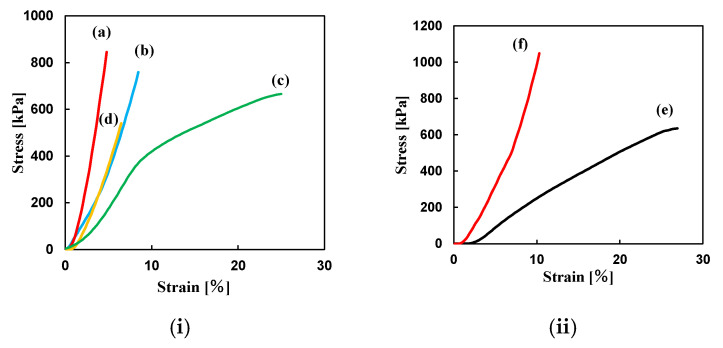 Figure 5
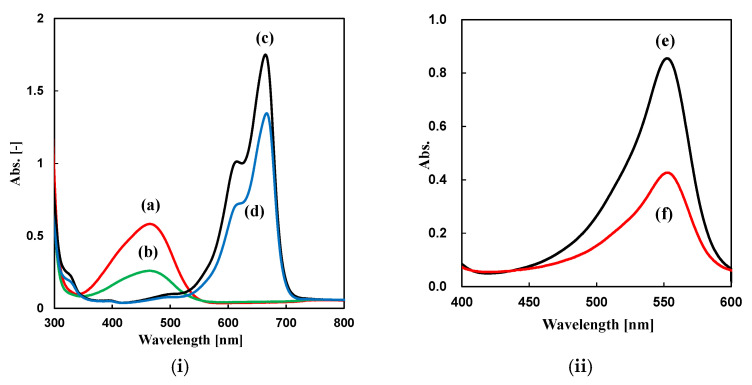 Figure 6
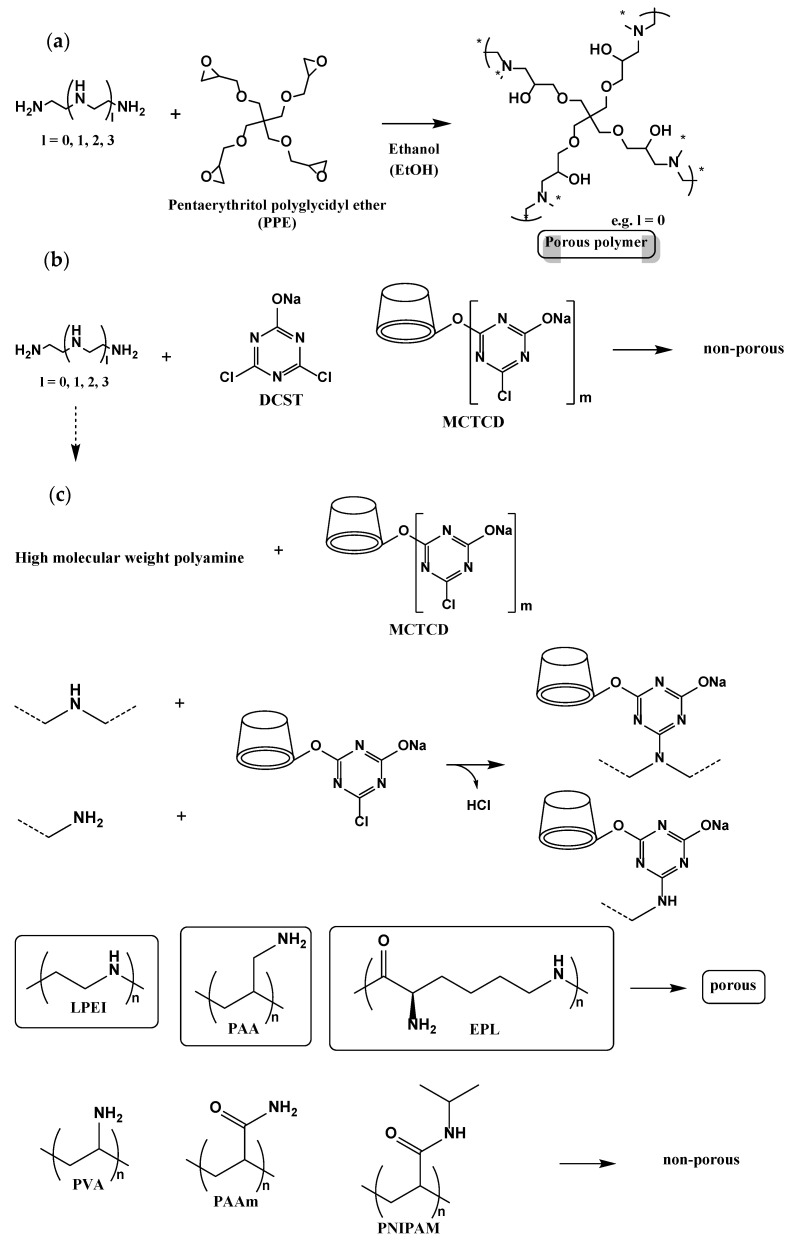 Figure 7
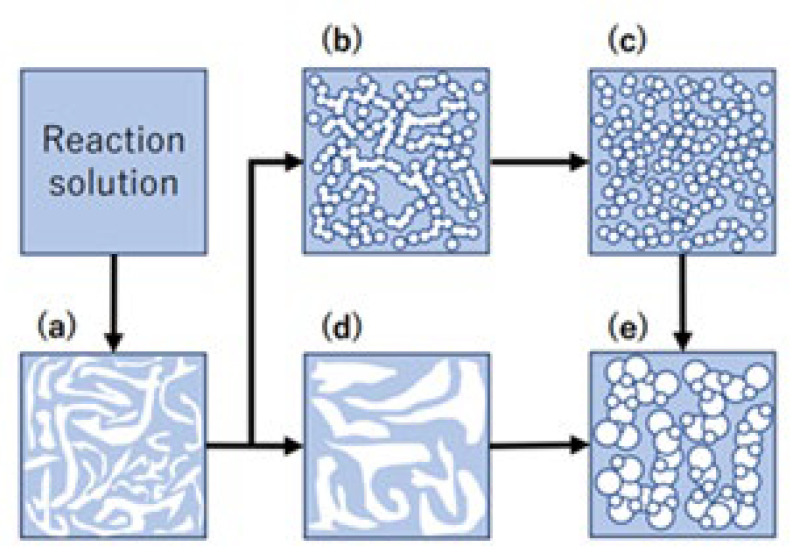 Figure 8
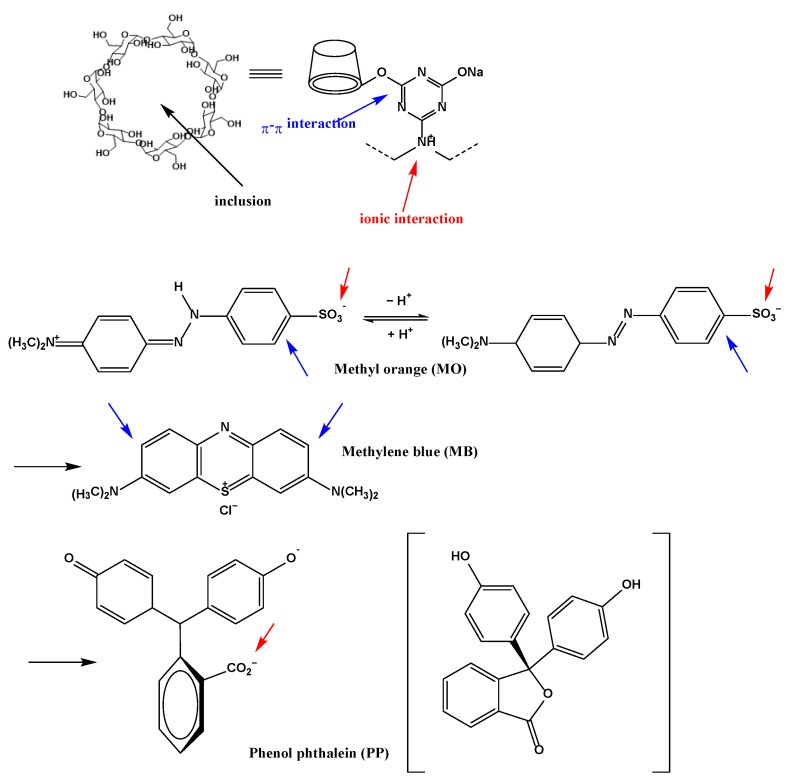 Figure 9
Peer Reviews
No public reviews on file for this paper yet. If you reviewed it on a platform where reviews are public (OpenReview, ICLR, NeurIPS, ICML), you can paste yours below so the community can read it here.
Videos
No videos yet. Explain this paper in a talk, walkthrough, or lecture? Add one.
Taxonomy
TopicsSynthesis and properties of polymers · Advanced Polymer Synthesis and Characterization · Dendrimers and Hyperbranched Polymers